Upcycling Fermented Adlay Bran Ethanol Extract Residues Promotes Human Dermal Fibroblast Proliferation and Wound Healing
Ji Yun Van, Kyoung Mi Moon, Yerin Seong, Seungjin Jeong, Suhyeon Baek, Minsup Lee, Sang Gil Lee, Chun Whan Choi, Bonggi Lee

TL;DR
Fermented adlay bran residues promote skin cell growth and healing, offering sustainable ingredients for wound recovery.
Contribution
The study identifies nucleosides in fermented adlay bran as novel bioactive compounds that enhance fibroblast proliferation.
Findings
The butanol fraction from fermented adlay bran showed strong antioxidant activity and enhanced fibroblast proliferation.
Uridine and deoxythymidine were identified as key components promoting cell cycle progression in fibroblasts.
These findings suggest fermented adlay bran residues can be upcycled into functional ingredients for skin regeneration.
Abstract
Wound healing, critical for skin recovery after surgery, trauma, and chronic damage, proceeds through inflammation, proliferation, and remodeling phases. In this study, we focused on the proliferative phase using fermentation extracts from the residuals of Adlay bran ethanol extraction and their solvent fractions. Among them, the butanol fraction exhibited the strongest antioxidant activity and significantly enhanced the proliferation of human dermal fibroblasts, as confirmed by a real-time wound closure assay. Cell cycle analysis revealed an increased proportion of cells in the S-phase and upregulation of Cyclin A1 and Cyclin B2 mRNA, indicating accelerated progression toward the G2/M phase. We then purified the butanol fraction using C18 MPLC and HPLC and identified uridine and deoxythymidine as the main components by LC-MS/MS and NMR analysis. These nucleosides derived from fermented…
Genes, proteins, chemicals, diseases, species, mutations and cell lines named across the full text — each resolved to its canonical identifier and authoritative record.
Click any figure to enlarge with its caption.
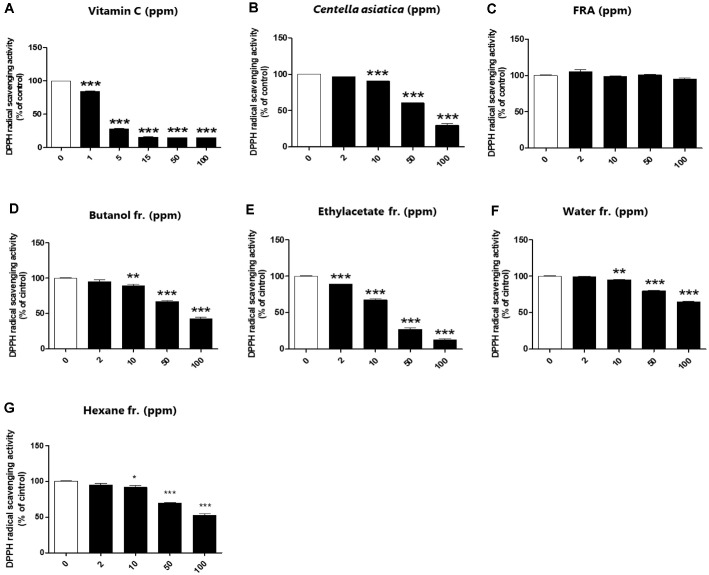 Figure 1
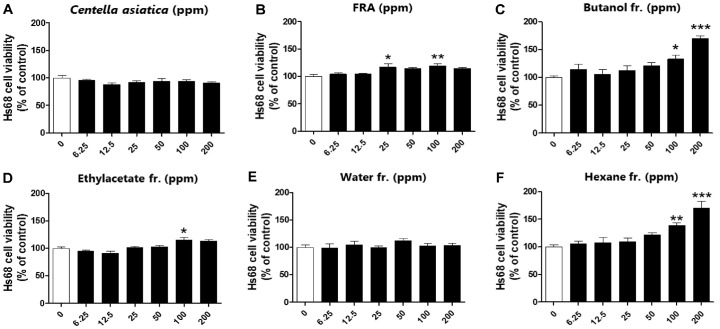 Figure 2
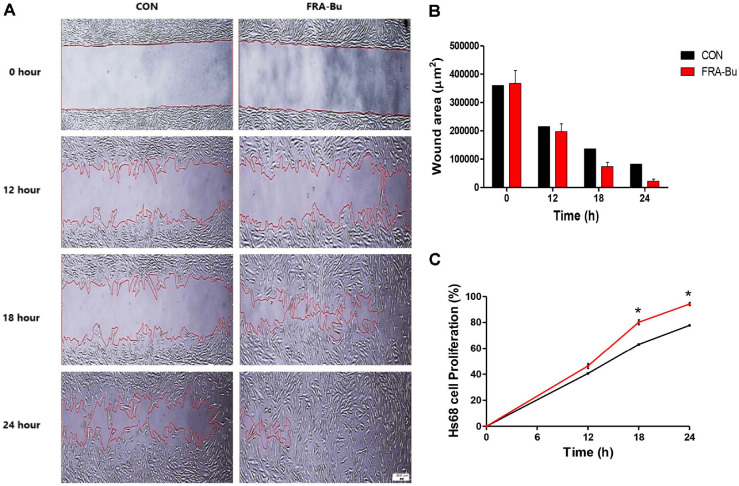 Figure 3
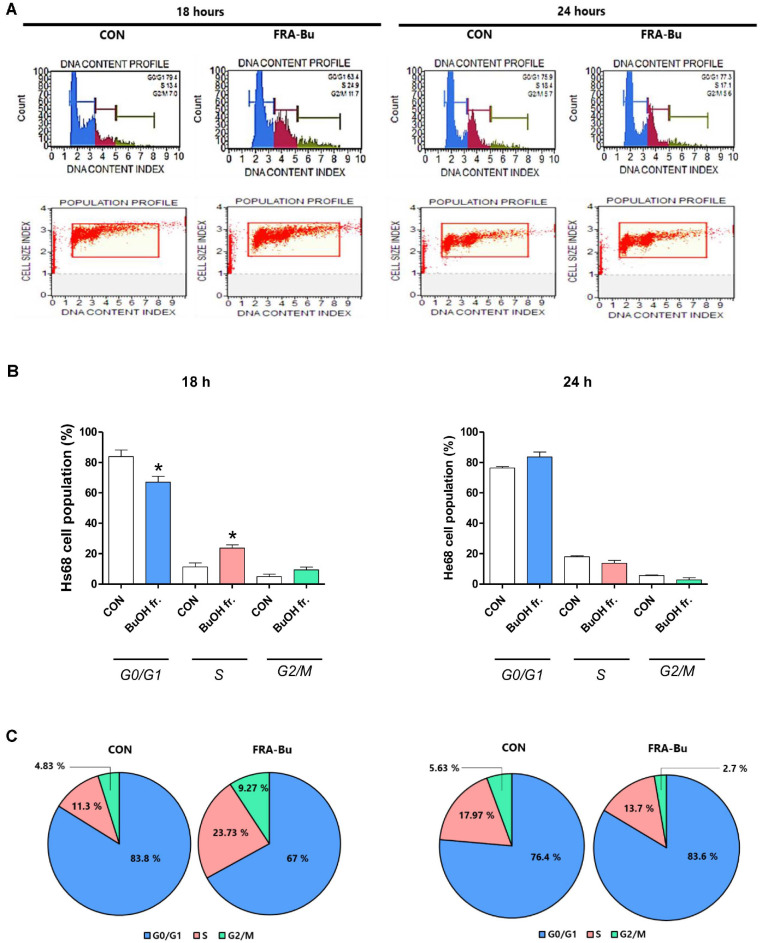 Figure 4
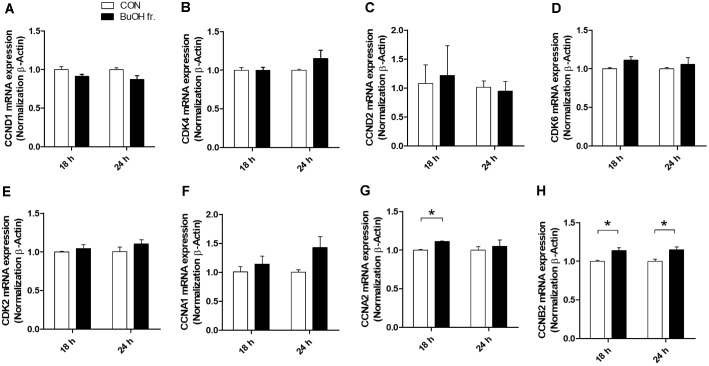 Figure 5
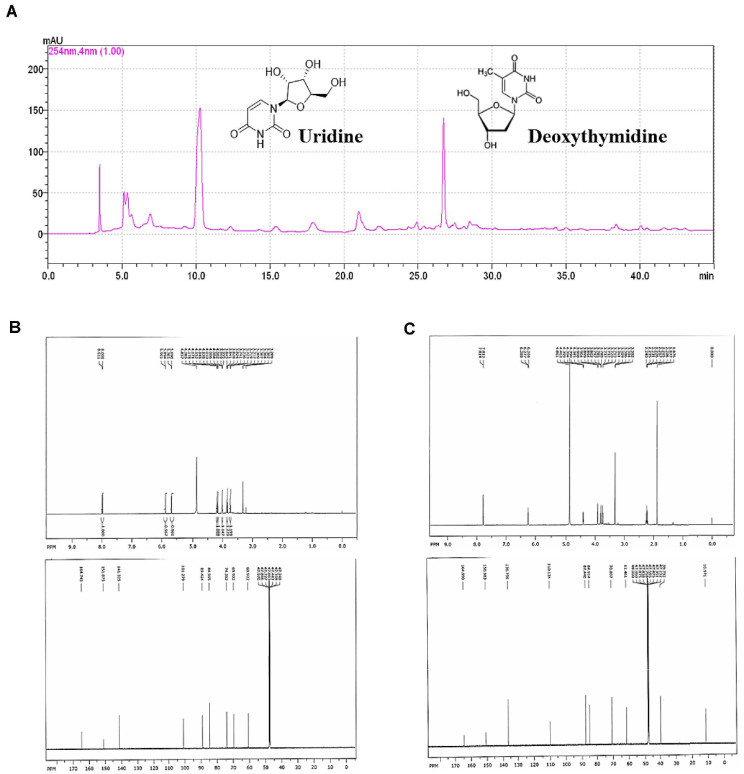 Figure 6
Peer Reviews
No public reviews on file for this paper yet. If you reviewed it on a platform where reviews are public (OpenReview, ICLR, NeurIPS, ICML), you can paste yours below so the community can read it here.
Videos
No videos yet. Explain this paper in a talk, walkthrough, or lecture? Add one.
Taxonomy
TopicsMicrobial Metabolism and Applications · Dyeing and Modifying Textile Fibers · Biological Stains and Phytochemicals