Glucose Tolerance Test (GTT) Curves of Water and Ethanol Extracts of Whole Body Apis mellifera jemenitica
Raaih Marwae Ahmad Asseri, Mohamed Adam Ali Ismail, Hamed A Ghramh, Wed Mohammed Ali Alarjani, Tarik El-Sayed Ali Ismail, Mogbel A A El-Niweiri, Mohammed Mohammed, semiramis karlıdağ, Aida Abd El-Wahed, Mohammed Elimam Ahamed Mohammed

TL;DR
This study examines the effects of water and ethanol extracts from Yemeni honeybees on blood sugar levels in rabbits, finding that the water extract lowers glucose levels.
Contribution
The study identifies the chemical composition of honeybee extracts and demonstrates the water extract's anti-diabetic potential through glucose tolerance tests.
Findings
Water extract contains 38 compounds, including bioactive molecules like dipeptides and phenolics.
Water extract lowers blood glucose and changes GTT curve shape in rabbits.
Ethanol extract contains fewer compounds and lacks the same glucose-lowering effect.
Abstract
This article explored the chemical constituents of water and ethanol extracts from the whole body of Apis mellifera jemenitica honeybee drones and workers, investigating their effects on glucose tolerance test (GTT) curves through feeding experiments conducted on Oryctolagus cuniculus male rabbits. Chemical analysis of the extracts was performed using infrared (IR) spectroscopy alongside the spectral database of organic compounds. The water extract revealed a richer diversity of natural products (38 compounds) compared to the ethanol extract (12 compounds). Notably, the water extract comprised various bioactive molecules, including sugars and their derivatives, phenolic compounds, alkaloids, quinones, amino acid derivatives, dipeptides, and organometallic compounds. In contrast, the ethanol extract primarily contained sugar derivatives, phenolic compounds, alkaloids, and pesticides.…
Genes, proteins, chemicals, diseases, species, mutations and cell lines named across the full text — each resolved to its canonical identifier and authoritative record.
Click any figure to enlarge with its caption.
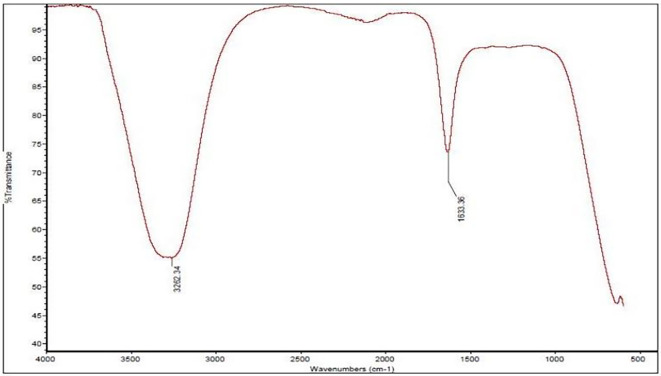 Figure 1
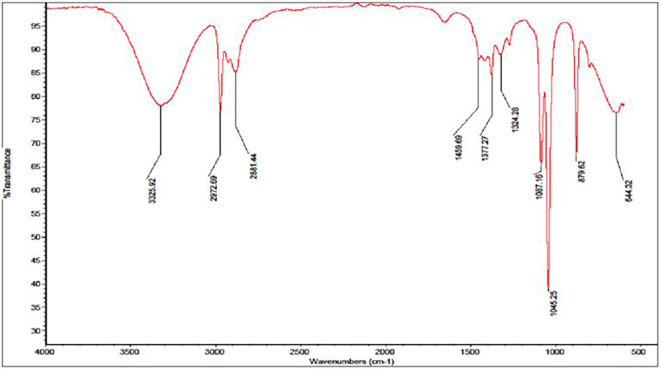 Figure 2
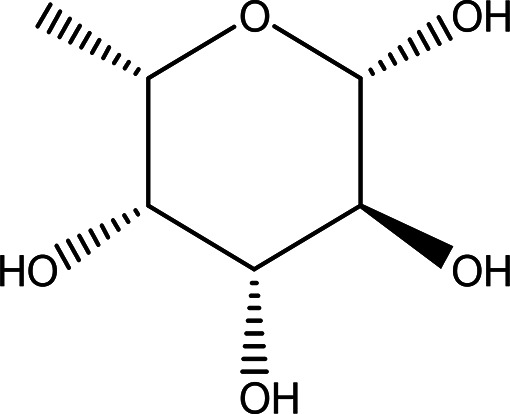 Figure 3
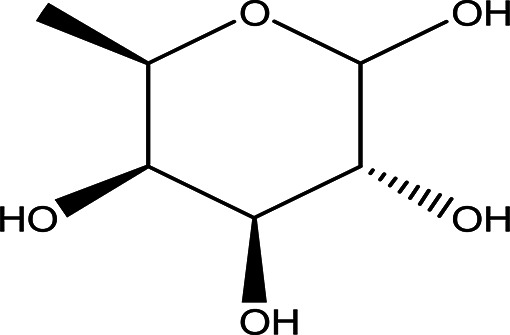 Figure 4
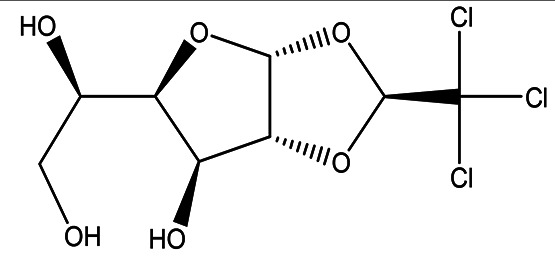 Figure 5
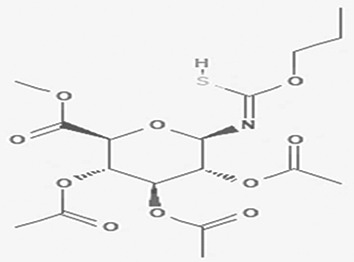 Figure 6
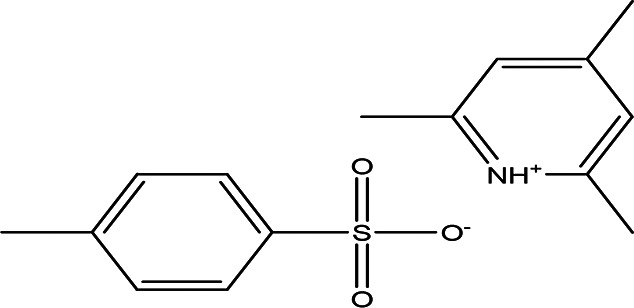 Figure 7
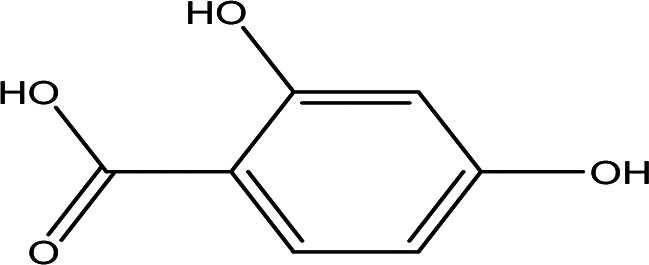 Figure 8
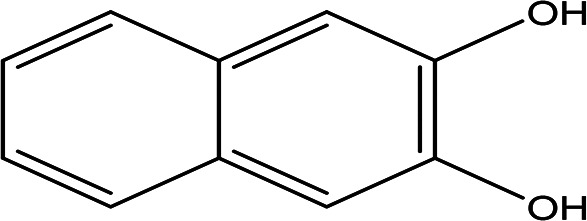 Figure 9
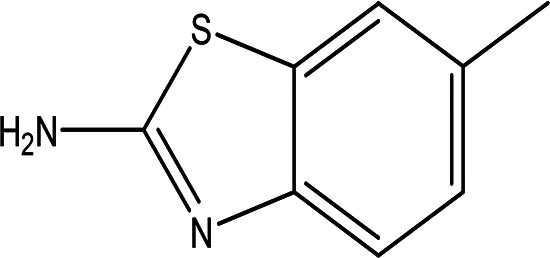 Figure 10
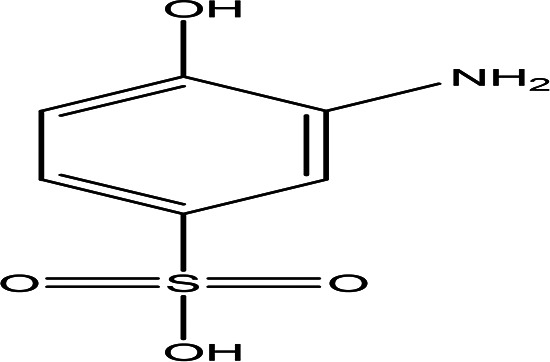 Figure 11
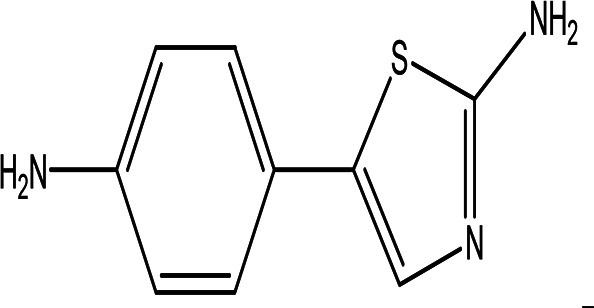 Figure 12
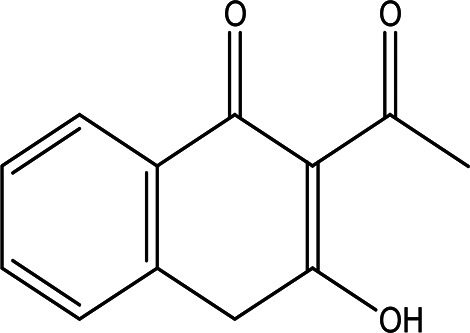 Figure 13
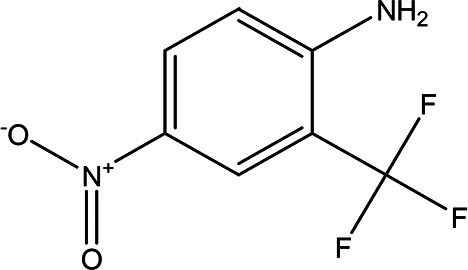 Figure 14
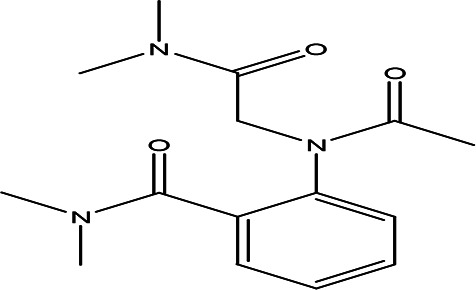 Figure 15
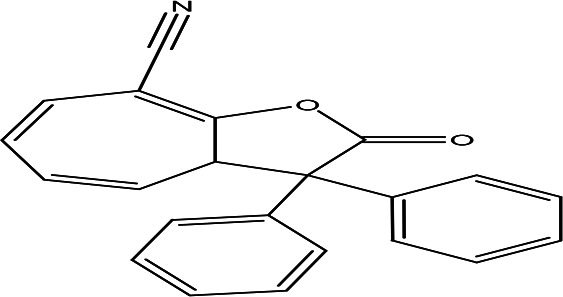 Figure 16
 Figure 17
 Figure 18
 Figure 19
 Figure 20
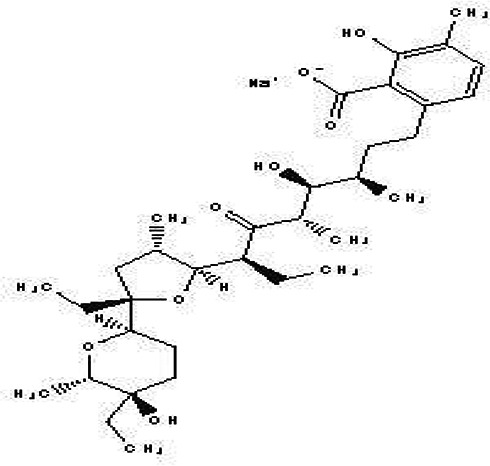 Figure 21
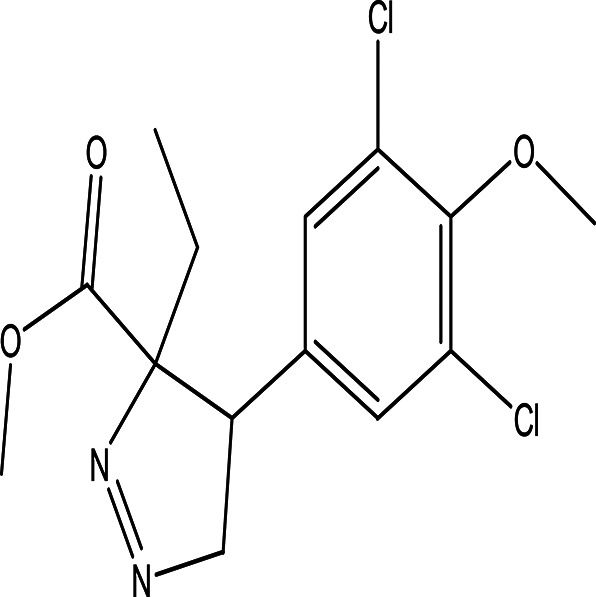 Figure 22
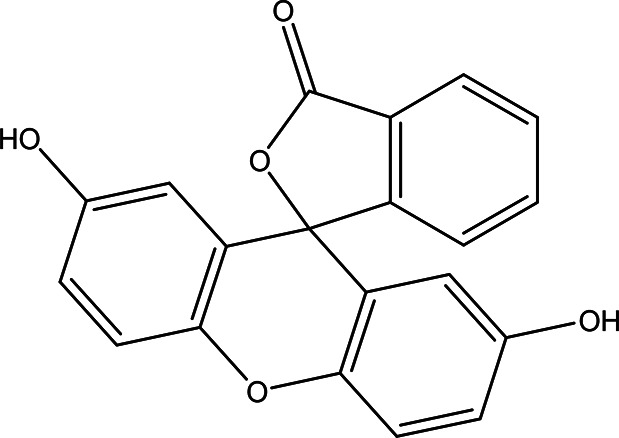 Figure 23
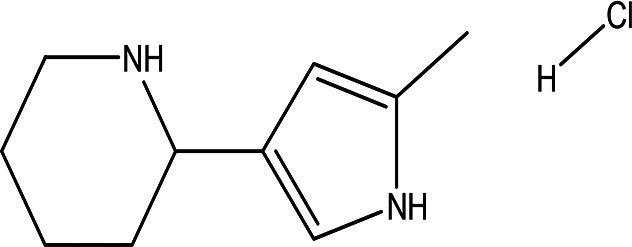 Figure 24
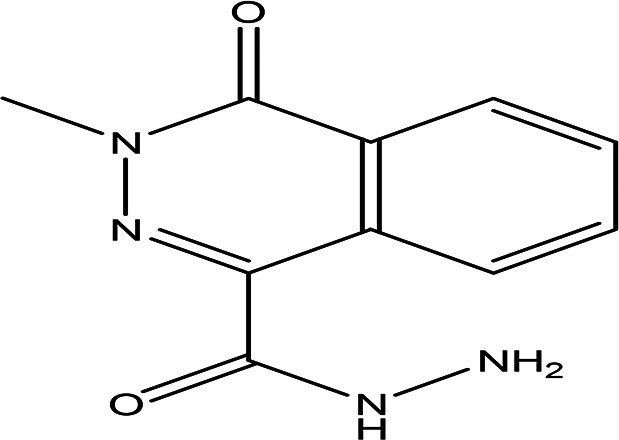 Figure 25
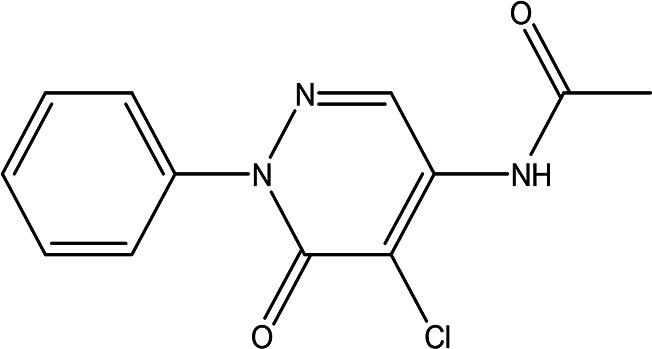 Figure 26
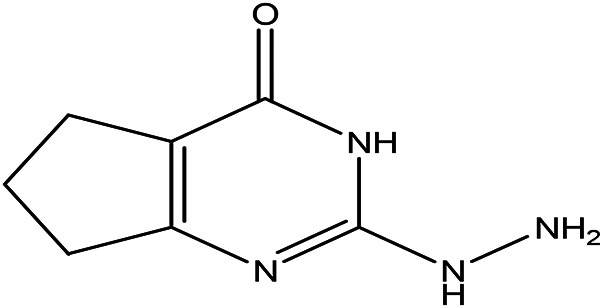 Figure 27
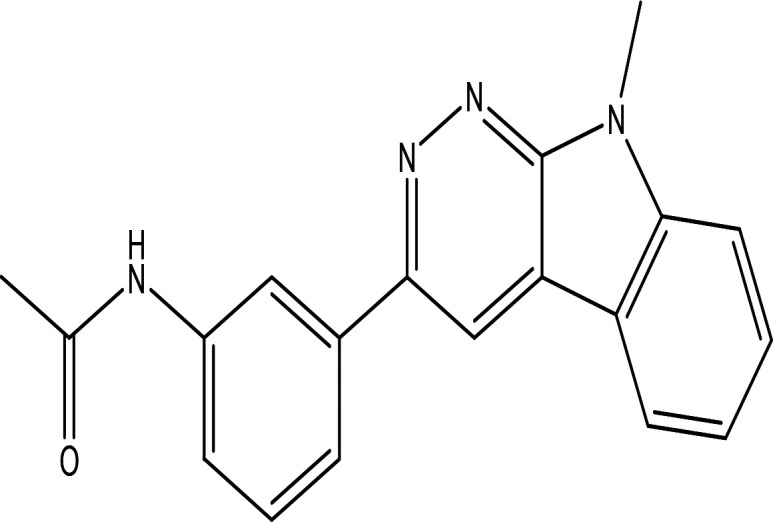 Figure 28
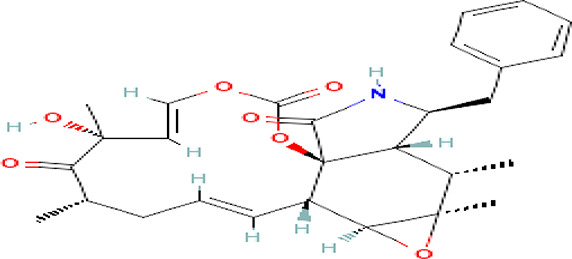 Figure 29
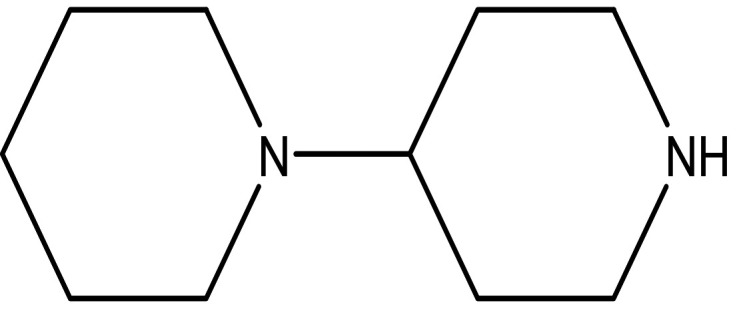 Figure 30
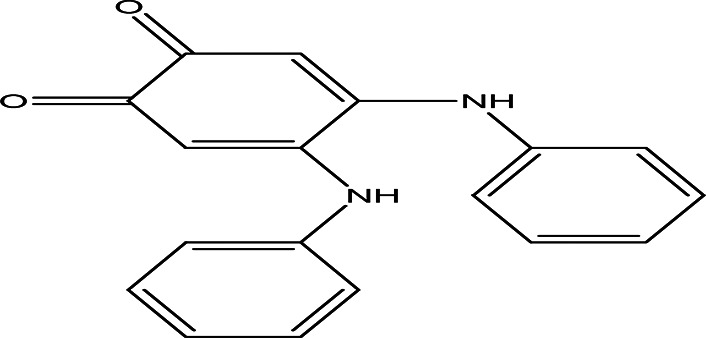 Figure 31
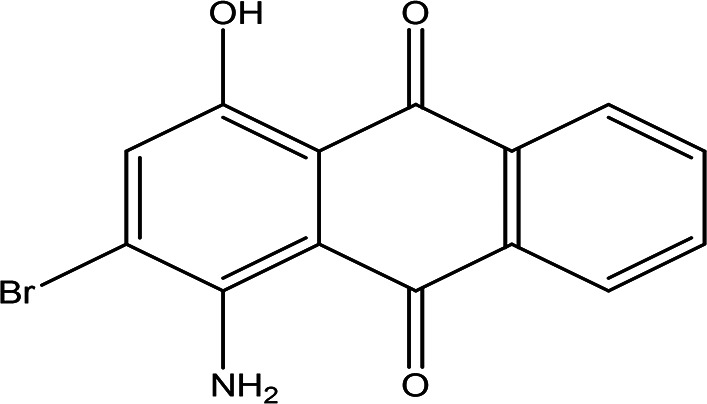 Figure 32
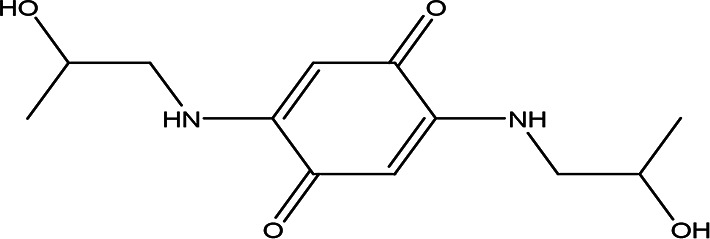 Figure 33
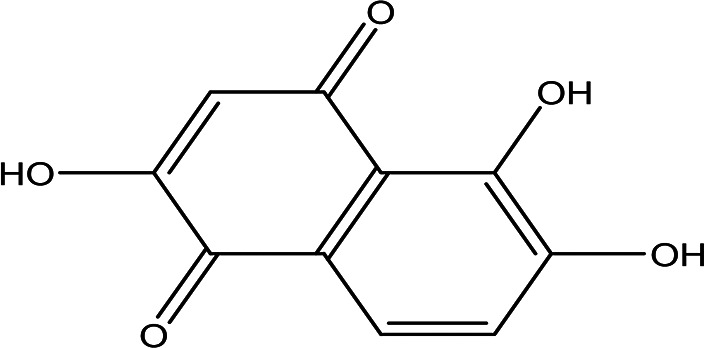 Figure 34
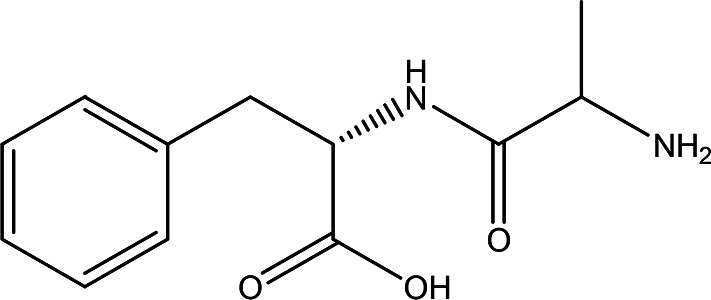 Figure 35
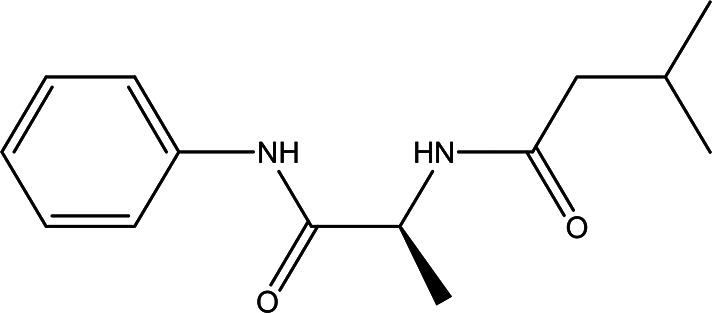 Figure 36
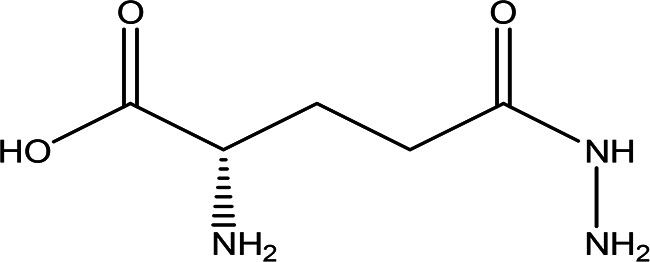 Figure 37
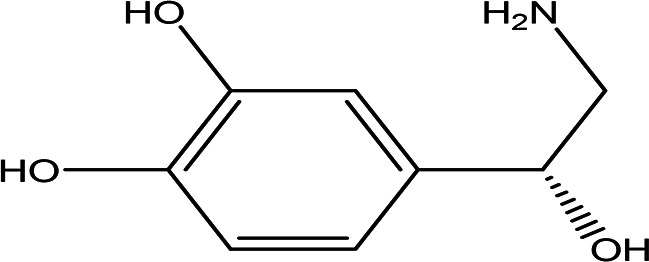 Figure 38
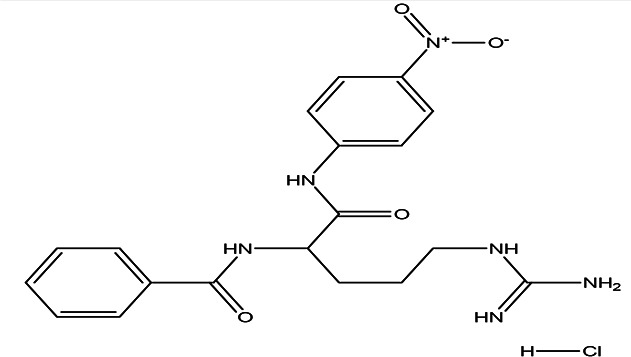 Figure 39
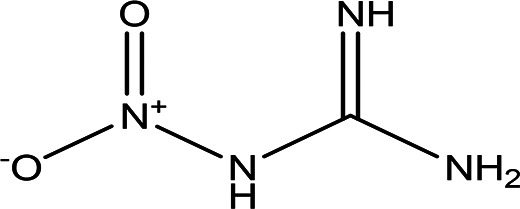 Figure 40
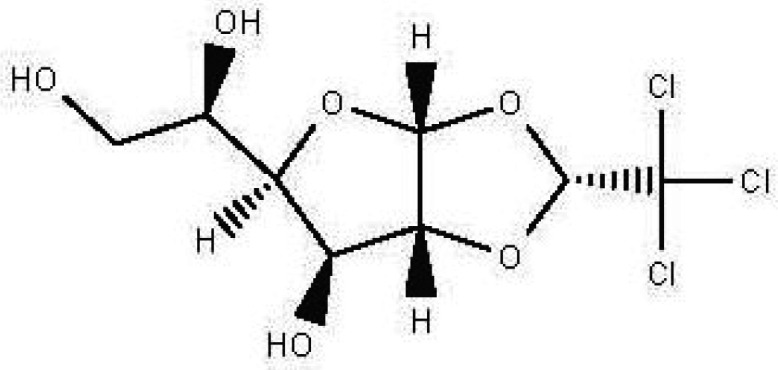 Figure 41
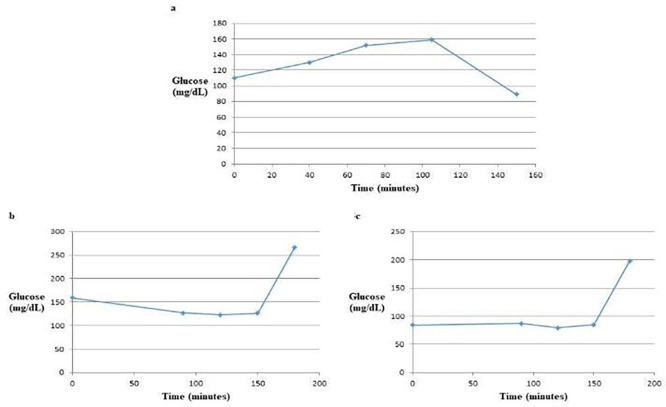 Figure 42
Peer Reviews
No public reviews on file for this paper yet. If you reviewed it on a platform where reviews are public (OpenReview, ICLR, NeurIPS, ICML), you can paste yours below so the community can read it here.
Videos
No videos yet. Explain this paper in a talk, walkthrough, or lecture? Add one.
Taxonomy
TopicsBee Products Chemical Analysis · Healthcare and Venom Research · Insect and Pesticide Research