Amphiphilic Cu(II) Oxacyclen Complexes: From Oxidative Cleavage to Condensation of DNA
Olga Verbitsky, Sebastián Hinojosa, Amr Mostafa, Deepak Ojha, Ilko Bald, Nora Kulak

TL;DR
This study shows that Cu(II) complexes with different alkyl chain lengths can either cut or condense DNA, depending on the chain length, making them promising DNA modulators.
Contribution
The study reveals that alkyl chain length in Cu(II) oxacyclen complexes determines whether DNA is cleaved or aggregated.
Findings
Shorter alkyl chains enable ROS-mediated DNA cleavage through hydroxyl radicals and hydrogen peroxide.
Longer alkyl chains cause DNA condensation and aggregation in a concentration-dependent manner.
Alkylation enhances DNA-binding affinity, with the chain length influencing interaction with the DNA major groove.
Abstract
Cu(II) complexes with monoalkylated oxacyclen ligands (C12, C16, and C18) have been investigated regarding their interaction with DNA by different methods: circular dichroism, UV/VIS (ultraviolet‐visible) and fluorescence spectroscopy as well as by gel electrophoresis. The results demonstrate that the complexes can cleave DNA through both hydrolytic and oxidative mechanisms, with hydroxyl radicals and hydrogen peroxide identified as the reactive oxygen species involved. The targeted incorporation of alkyl chains significantly enhances the DNA‐binding affinity of the Cu(II) complexes, and the length of the alkyl substituents plays an important role, as they can interact with the major groove of the DNA. Alkylation is the determining structural factor responsible for the enhanced DNA interaction, since such an interaction is not observed with unsubstituted complexes. Moreover, the length…
Genes, proteins, chemicals, diseases, species, mutations and cell lines named across the full text — each resolved to its canonical identifier and authoritative record.
Click any figure to enlarge with its caption.
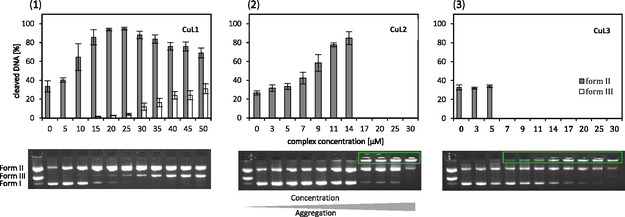 Figure 1
 Figure 2
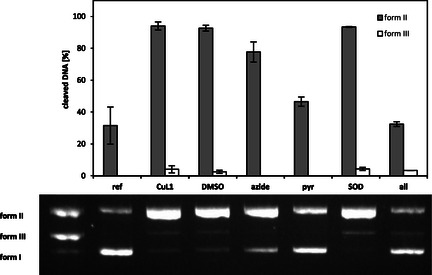 Figure 3
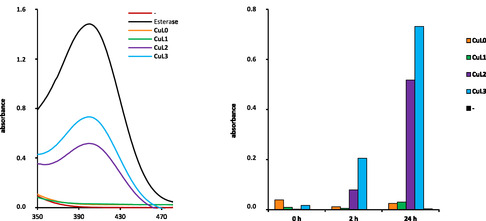 Figure 4
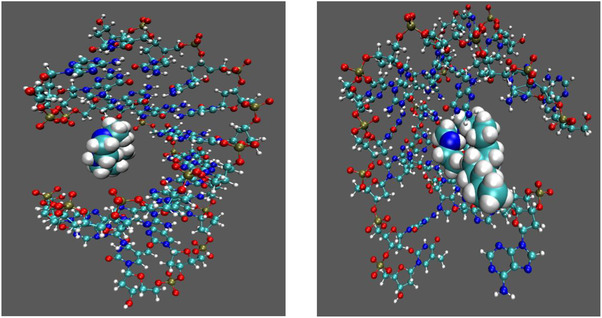 Figure 5
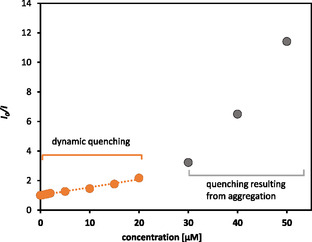 Figure 6
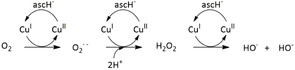 Figure 7
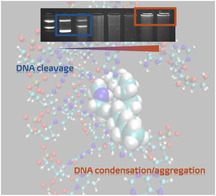 Figure 8
Peer Reviews
No public reviews on file for this paper yet. If you reviewed it on a platform where reviews are public (OpenReview, ICLR, NeurIPS, ICML), you can paste yours below so the community can read it here.
Videos
No videos yet. Explain this paper in a talk, walkthrough, or lecture? Add one.
Taxonomy
TopicsMetal complexes synthesis and properties · Supramolecular Chemistry and Complexes · DNA and Nucleic Acid Chemistry