Is premorbid scapulohumeral rhythm restored with anatomic or reverse shoulder arthroplasty for cuff-intact osteoarthritis? An in-vivo dynamic radiography study
Zaamin B. Hussain, Sameer R. Khawaja, Musab Gulzar, Jaden C. Hardrick, Krishna N. Chopra, Anna Gorsky, Victoria A. Conn, Michael B. Gottschalk, Eric R. Wagner

TL;DR
This study compares shoulder movement patterns after two types of shoulder replacement surgeries and finds that both improve movement but do not fully restore normal function.
Contribution
The study provides in-vivo dynamic radiography evidence on scapulohumeral rhythm restoration after anatomic and reverse shoulder arthroplasty.
Findings
Both aTSA and rTSA significantly improved scapulohumeral rhythm from preoperative levels.
Postoperative scapulohumeral rhythm was lower in both aTSA and rTSA groups compared to normal controls.
There was no significant difference in scapulohumeral rhythm between aTSA and rTSA postoperatively.
Abstract
Anatomic total shoulder arthroplasty (aTSA) and reverse total shoulder arthroplasty (rTSA) are both treatment options for advanced glenohumeral osteoarthritis with an intact rotator cuff; however, decision making is controversial, especially among younger active patients. Restoring native shoulder kinematics may be an important consideration for implant longevity and ultimate shoulder function, but in-vivo assessment and comparisons have been historically difficult. The purpose of this study was to compare scapulohumeral rhythm (SHR) between aTSA and rTSA when performed for patients with cuff-intact osteoarthritis and compare these with preoperative values and normal controls. A retrospective analysis was performed on 71 shoulders that underwent arthroplasty for cuff-intact osteoarthritis, aTSA (n = 28) and rTSA (n = 43), who had dynamic digital radiography performed more than 6 months…
Genes, proteins, chemicals, diseases, species, mutations and cell lines named across the full text — each resolved to its canonical identifier and authoritative record.
Click any figure to enlarge with its caption.
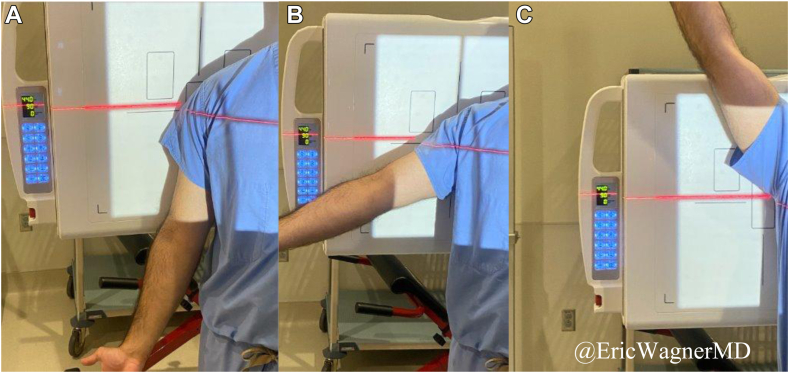 Figure 1
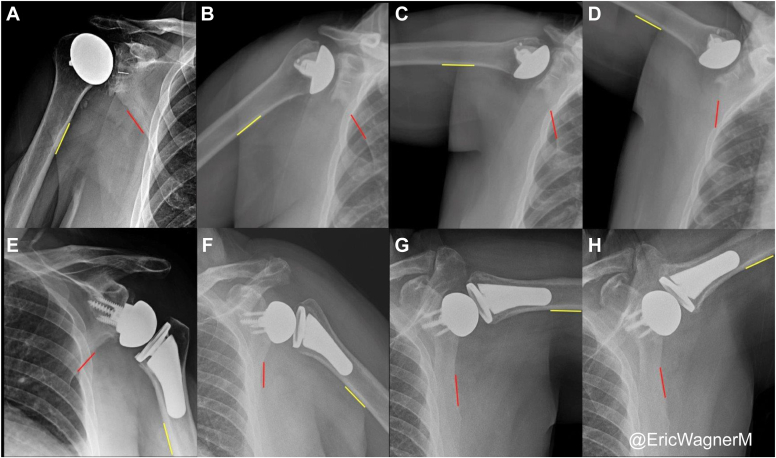 Figure 2
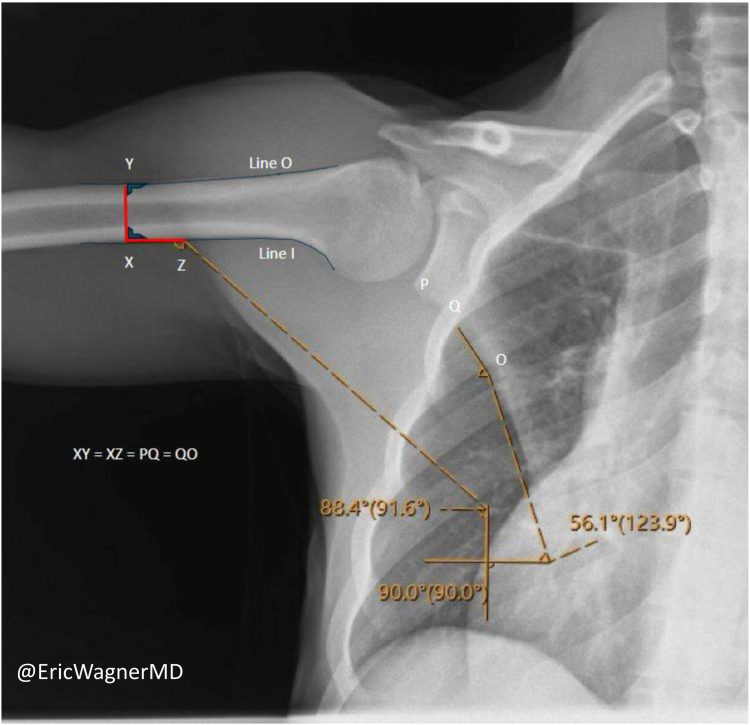 Figure 3
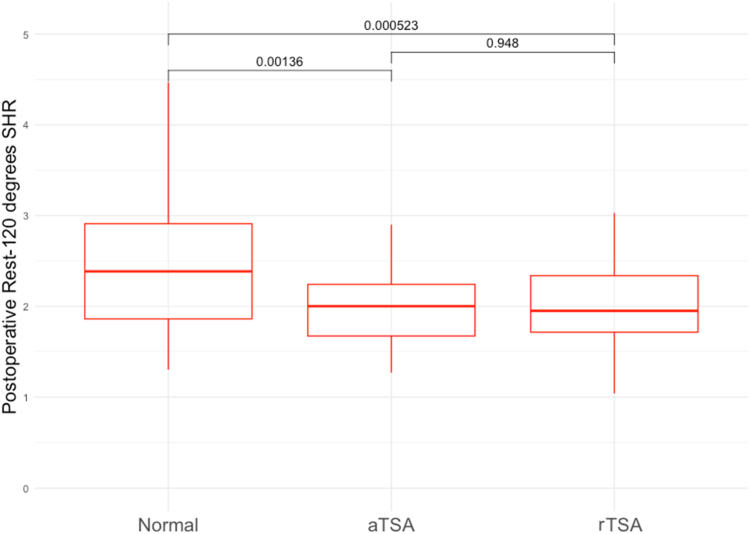 Figure 4
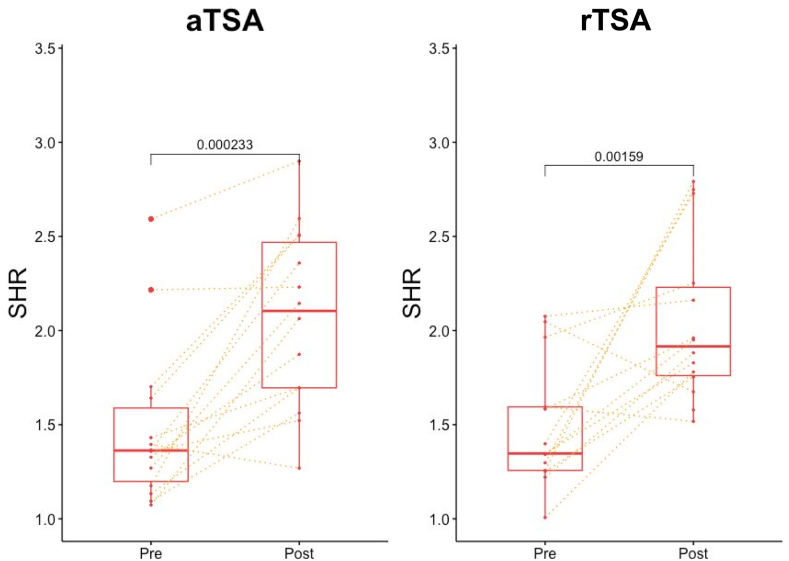 Figure 5
Peer Reviews
No public reviews on file for this paper yet. If you reviewed it on a platform where reviews are public (OpenReview, ICLR, NeurIPS, ICML), you can paste yours below so the community can read it here.
Videos
No videos yet. Explain this paper in a talk, walkthrough, or lecture? Add one.
Taxonomy
TopicsShoulder Injury and Treatment · Shoulder and Clavicle Injuries · Nerve Injury and Rehabilitation