Arthroscopically assisted conjoined tendon-coracoid tip complex transfer combined with Bankart repair without screws for traumatic anterior recurrent shoulder instability: clinical and imaging outcomes
Daisuke Mori, Noboru Funakoshi, Fumiharu Yamashita, Masahiko Kobayashi

TL;DR
A new surgical technique for shoulder instability avoids screws and shows good healing and stability outcomes over time.
Contribution
A screw-free arthroscopic method combining tendon transfer and Bankart repair is proposed for anterior shoulder instability.
Findings
Most coracoid grafts healed completely with the scapular neck.
Only 3.9% of patients experienced traumatic recurrent shoulder instability.
Clinical scores improved significantly without revision surgeries.
Abstract
Screw-related complication rates after the Bristow–Latarjet procedure vary in studies. Hence, we utilized an arthroscopic-assisted conjoined tendon–coracoid tip complex transfer combined with Bankart repair without screws for anterior recurrent shoulder instability. This retrospective analysis of prospectively collected data included 51 shoulders in 48 patients (39 males, 9 females) who underwent the procedure with a mean age of 24.8 years (range, 15-69 years). Clinical assessments included the American Shoulder and Elbow Surgeons, Constant, Rowe, and Western Ontario Shoulder Instability Index scores. Postoperative complications, including recurrent instability (dislocation, subluxation, or positive apprehension sign), and revision surgeries, were documented. Computed tomography scans were utilized to evaluate postoperative graft healing status. Clinical scores demonstrated…
Genes, proteins, chemicals, diseases, species, mutations and cell lines named across the full text — each resolved to its canonical identifier and authoritative record.
Click any figure to enlarge with its caption.
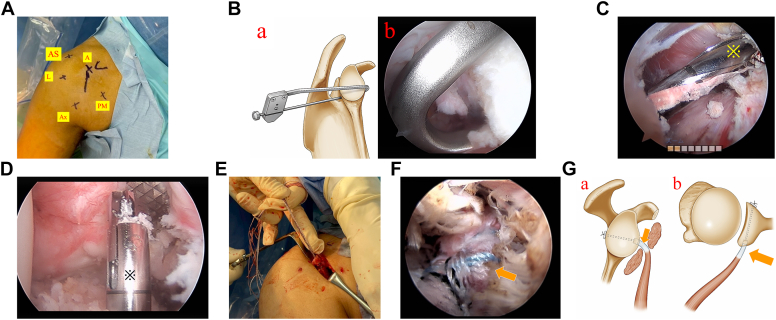 Figure 1
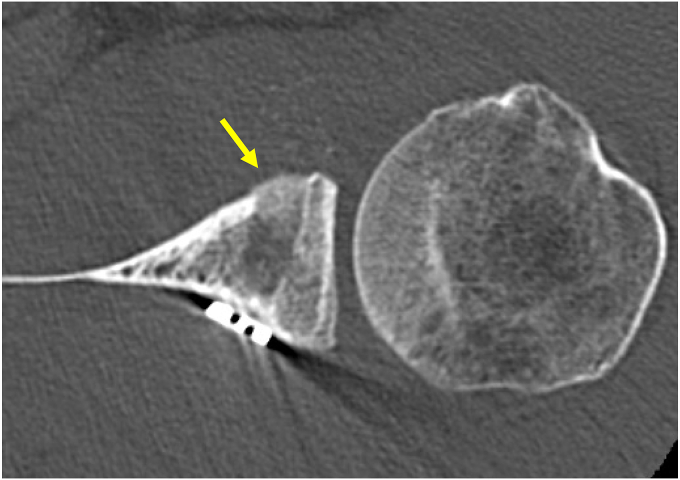 Figure 2
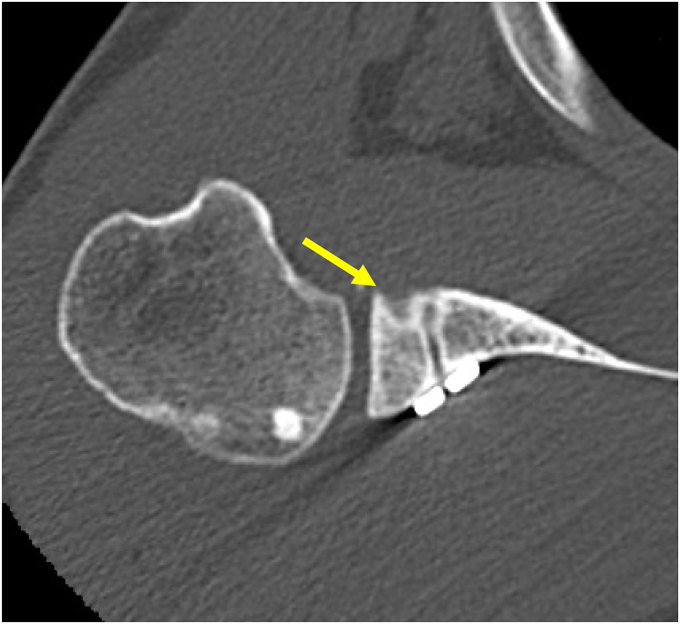 Figure 3
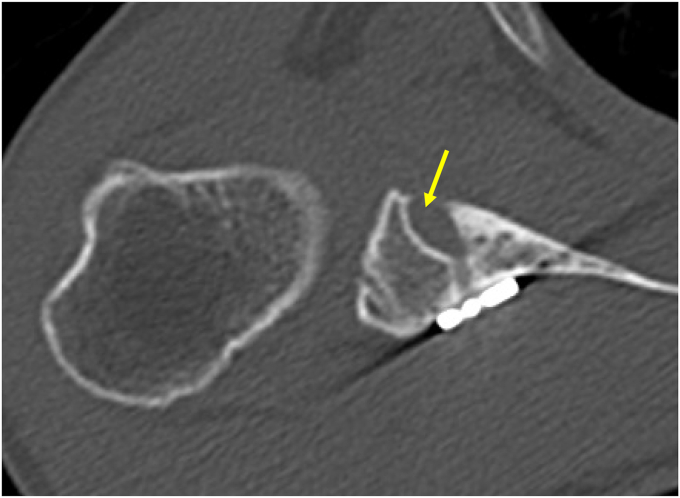 Figure 4
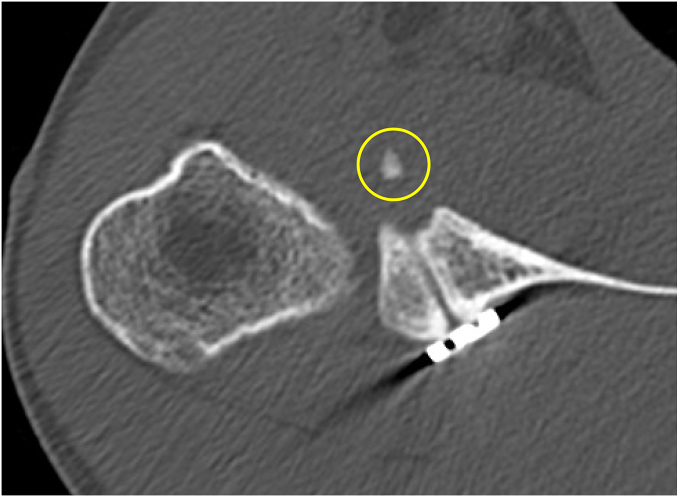 Figure 5
Peer Reviews
No public reviews on file for this paper yet. If you reviewed it on a platform where reviews are public (OpenReview, ICLR, NeurIPS, ICML), you can paste yours below so the community can read it here.
Videos
No videos yet. Explain this paper in a talk, walkthrough, or lecture? Add one.
Taxonomy
TopicsShoulder Injury and Treatment · Shoulder and Clavicle Injuries · Nerve Injury and Rehabilitation