Mitigation and detection of putative microbial contaminant reads from long-read metagenomic datasets
Stefany Ayala-Montaño, Ayorinde O. Afolayan, Raisa Kociurzynski, Ulrike Loeber, Sandra Reuter

TL;DR
This paper introduces a new method called 'Stop-Check-Go' to detect and reduce microbial contamination in long-read metagenomic datasets from neonatal samples.
Contribution
The novel 'Stop-Check-Go' system improves decontamination for low-biomass clinical metagenomic samples using a combination of lab and bioinformatics approaches.
Findings
Host DNA was reduced by an average of 76% using a lysis method.
The 'Stop-Check-Go' system identified putative contaminants in nearly 60% of the dataset.
Existing tools performed poorly on microbiologically negative patient samples.
Abstract
Metagenomic sequencing of clinical samples has significantly enhanced our understanding of microbial communities. However, microbial contamination and host-derived DNA remain a major obstacle to accurate data interpretation. Here, we present a methodology called ‘Stop-Check-Go’ for detecting and mitigating contaminants in metagenomic datasets obtained from neonatal patient samples (nasal and rectal swabs). This method incorporates laboratory and bioinformatics work combining a prevalence method, coverage estimation and microbiological reports. We compared the ‘Stop-Check-Go’ decontamination system with other published decontamination tools and commonly found poor performance in decontaminating microbiologically negative patients (false positives). We emphasize that host DNA decreased by an average of 76% per sample using a lysis method and was further reduced during post-sequencing…
Genes, proteins, chemicals, diseases, species, mutations and cell lines named across the full text — each resolved to its canonical identifier and authoritative record.
Click any figure to enlarge with its caption.
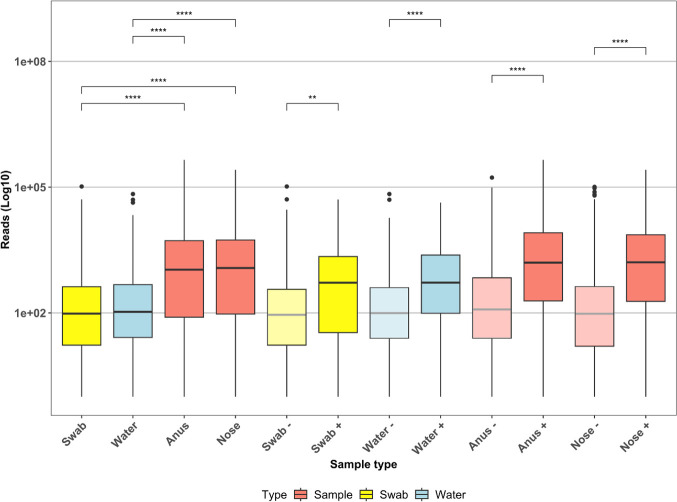 Figure 1
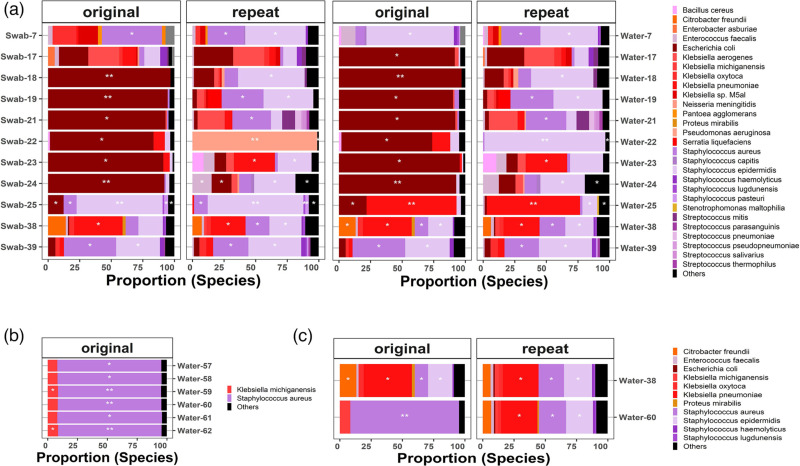 Figure 2
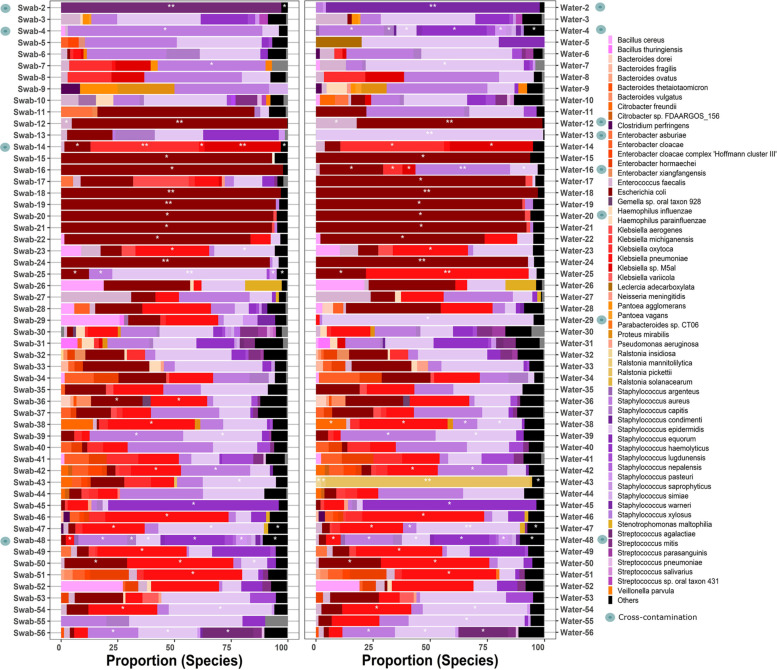 Figure 3
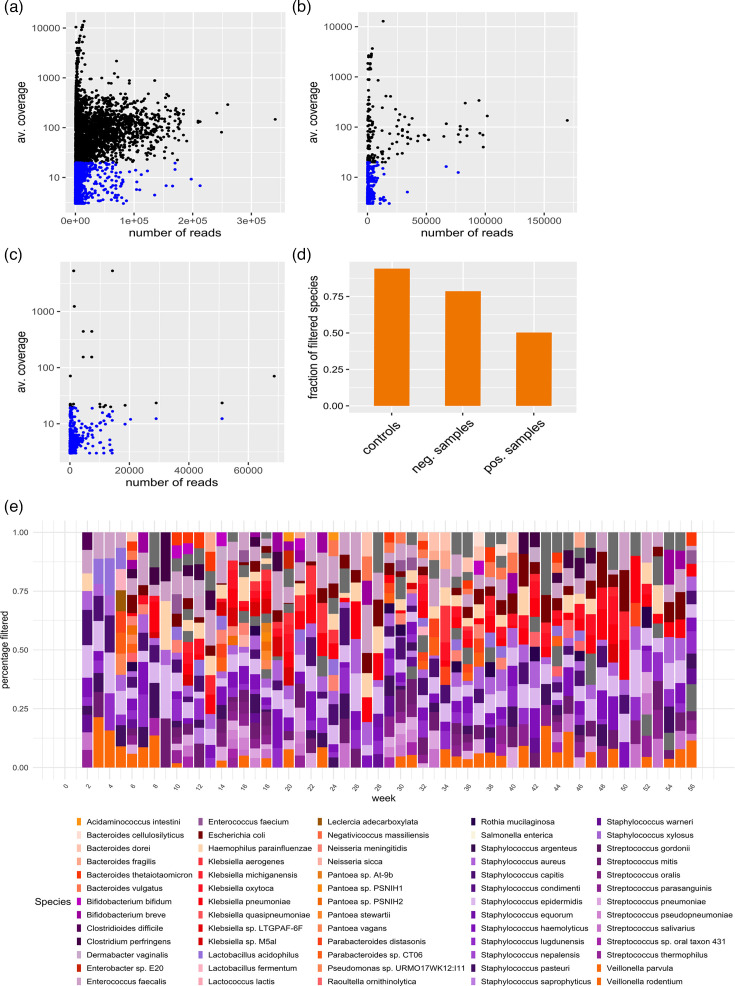 Figure 4
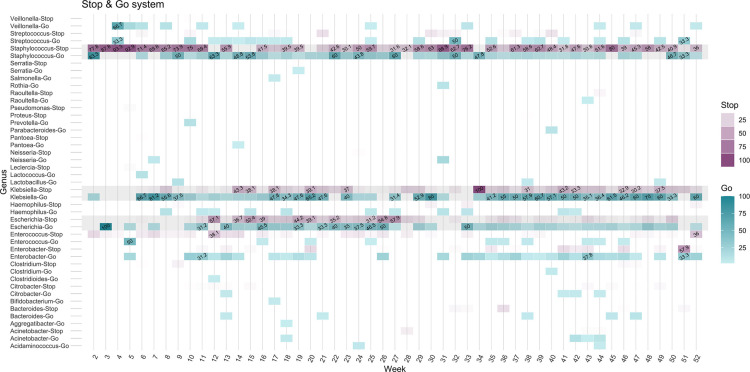 Figure 5
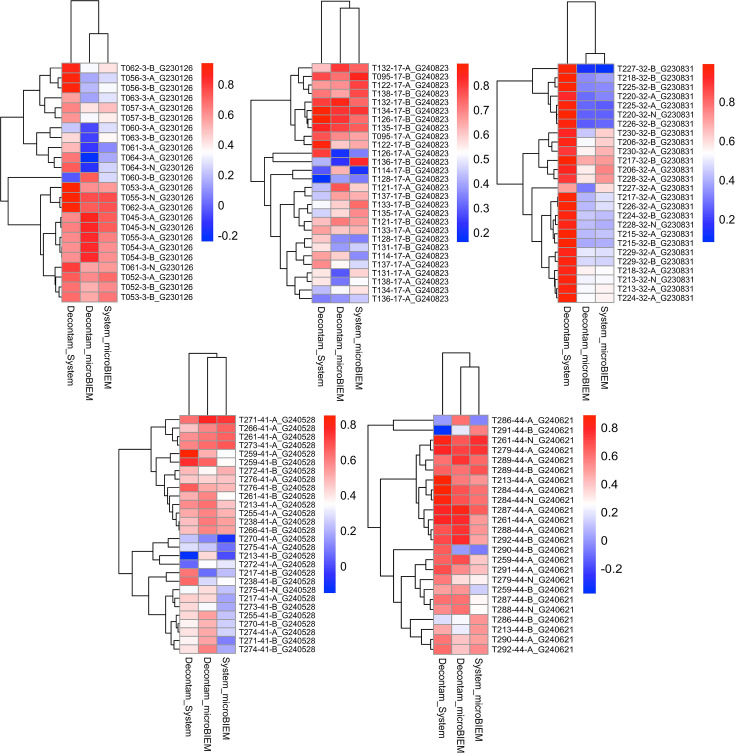 Figure 6
Peer Reviews
No public reviews on file for this paper yet. If you reviewed it on a platform where reviews are public (OpenReview, ICLR, NeurIPS, ICML), you can paste yours below so the community can read it here.
Videos
No videos yet. Explain this paper in a talk, walkthrough, or lecture? Add one.
Taxonomy
TopicsBacillus and Francisella bacterial research · Vibrio bacteria research studies · Infections and bacterial resistance