Exploring the IS-capades of Klebsiella pneumoniae: insertion sequences drive metabolic loss in obscure sub-lineages
Ben Vezina, Claire White, Helena B. Cooper, Kathryn E. Holt, Jane Hawkey, Kelly L. Wyres, Margaret M. C. Lam

TL;DR
This study shows that Klebsiella pneumoniae sub-lineages with high insertion sequence (IS) loads have reduced metabolic capabilities, suggesting IS elements drive metabolic loss during evolution.
Contribution
The study reveals a novel inverse relationship between IS load and metabolic capacity in specific K. pneumoniae sub-lineages.
Findings
High IS loads in four K. pneumoniae sub-lineages correlate with reduced metabolic gene counts and substrate utilization.
IS insertion sites are frequently found near genes involved in transcription, carbohydrate, and amino acid metabolism.
Sub-lineages exhibit convergent losses in phosphorus and carbon source utilization despite maintaining broad metabolic potential.
Abstract
Introduction. Klebsiella pneumoniae is an opportunistic pathogen that causes a wide spectrum of infections within healthcare settings and the community. Four K. pneumoniae sub-lineages, defined using core gene multi-locus sequence types, are known to cause distinct infections of the nasal and/or upper respiratory passages: SL91 and SL10031 (also referred to as subspecies ozaenae), SL10032 (subspecies rhinoscleromatis) and SL82. These sub-lineages have also demonstrated reduced carbon source utilization, which, in other species, has been linked with high loads of insertion sequences (ISs). Methods. We performed comparative genomics, analysed IS composition and loads and constructed genome-scale metabolic models for available public sequences from these four sub-lineages. These were then compared with other sub-lineages from the wider K. pneumoniae population. Results. The four focal…
Genes, proteins, chemicals, diseases, species, mutations and cell lines named across the full text — each resolved to its canonical identifier and authoritative record.
Click any figure to enlarge with its caption.
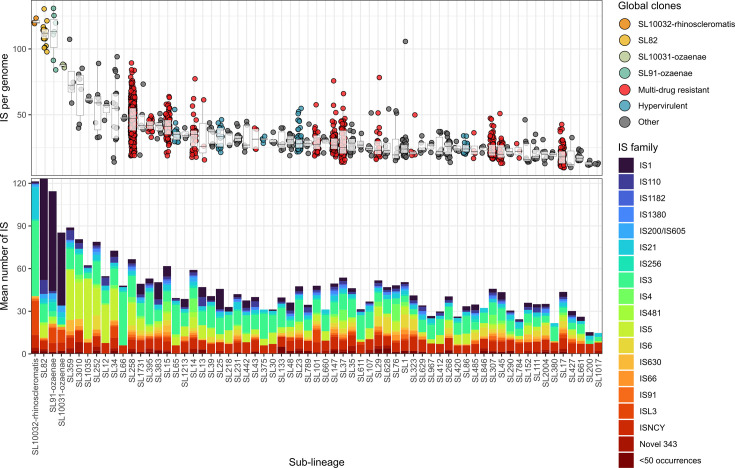 Figure 1
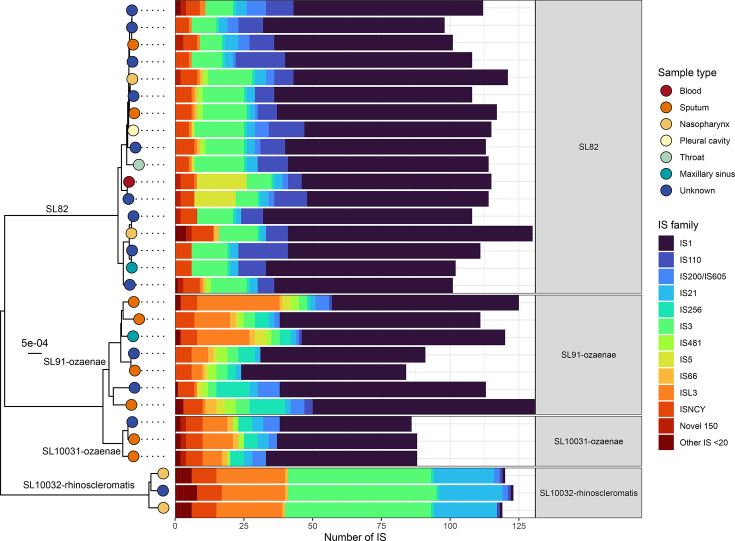 Figure 2
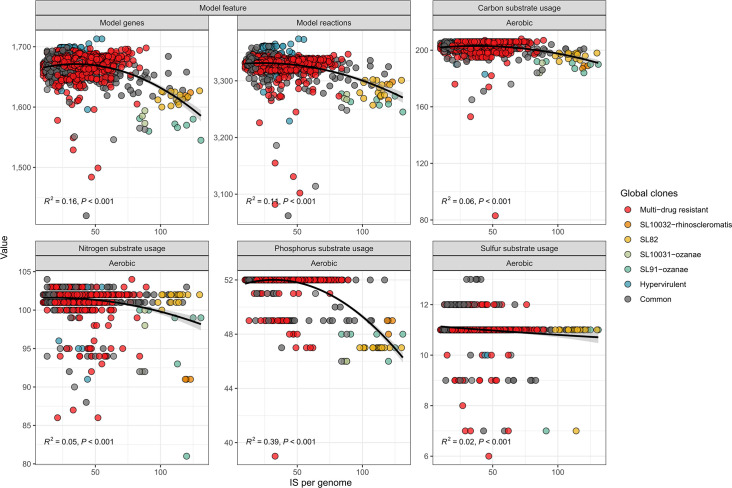 Figure 3
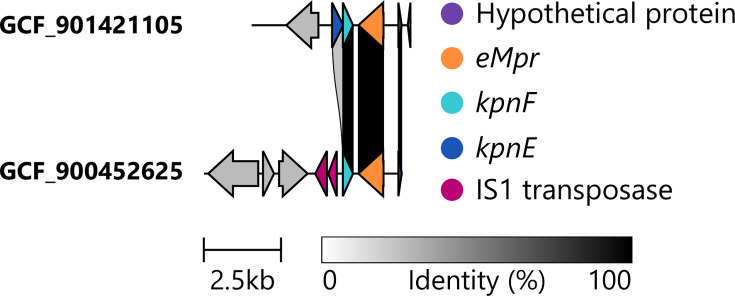 Figure 4
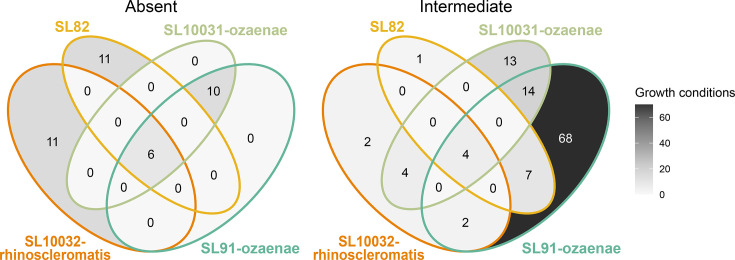 Figure 5
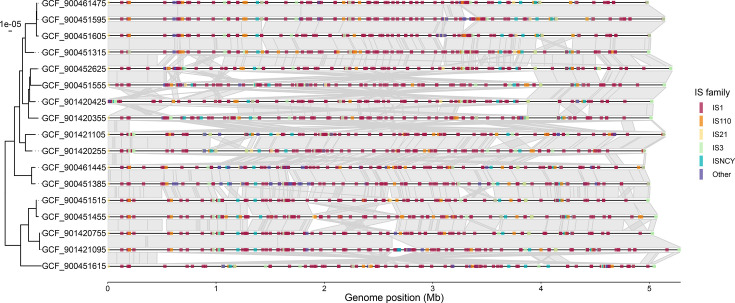 Figure 6
Peer Reviews
No public reviews on file for this paper yet. If you reviewed it on a platform where reviews are public (OpenReview, ICLR, NeurIPS, ICML), you can paste yours below so the community can read it here.
Videos
No videos yet. Explain this paper in a talk, walkthrough, or lecture? Add one.
Taxonomy
TopicsInfectious Diseases and Mycology · Mycobacterium research and diagnosis · Tuberculosis Research and Epidemiology