Practices for Braiding Indigenous Knowledges and Western Sciences for Research and Monitoring of Biodiversity in Canada
Ella Bowles, Dominique A. Henri, Jennifer F. Provencher, Steven M. Alexander, Nicola E. Love, Jade Steel, Carmen Chelick, Junaid S. Khan, Jessica J. Taylor, Britney Zacharuk, Alana Wilcox, Oscar Hartman Davies, Deborah McGregor, Susan Chiblow, Steven J. Cooke, Adam T. Ford

TL;DR
This paper explores how to combine Indigenous knowledge and Western science for biodiversity research in Canada, offering practical guidelines and priorities for collaboration.
Contribution
The paper introduces nine pillars and priorities for braiding Indigenous and Western knowledge systems in biodiversity research.
Findings
Nine key pillars were identified for effectively combining Indigenous and Western knowledge in biodiversity research.
The literature shows varied implementation of these pillars, with indicators like engagement and governance being crucial.
The paper outlines roles for each knowledge system across different stages of a biodiversity project.
Abstract
There has been a widespread effort to braid multiple knowledge systems in biodiversity research and monitoring, yet there is further need to consider how to do so. We interviewed Indigenous Peoples and representatives of 12 Indigenous communities, completed a systematic review of biodiversity studies that utilized Indigenous knowledges (IK) and Western sciences (WS) in Canada, and then braided the outcomes of the conversations and literature review to address if, when, and how IK and WS can be brought together for biodiversity research and monitoring in Canada. Overall, there was a great deal of support for, and desire to, braid IK and WS among interview participants. A suite of nine pillars and priorities was identified for doing so from participants' responses. These priorities included: (1) build and foster relationships; (2) IK should guide projects; (3) Indigenous communities…
Genes, proteins, chemicals, diseases, species, mutations and cell lines named across the full text — each resolved to its canonical identifier and authoritative record.
Click any figure to enlarge with its caption.
 Figure 1
 Figure 2
 Figure 3
 Figure 4
 Figure 5
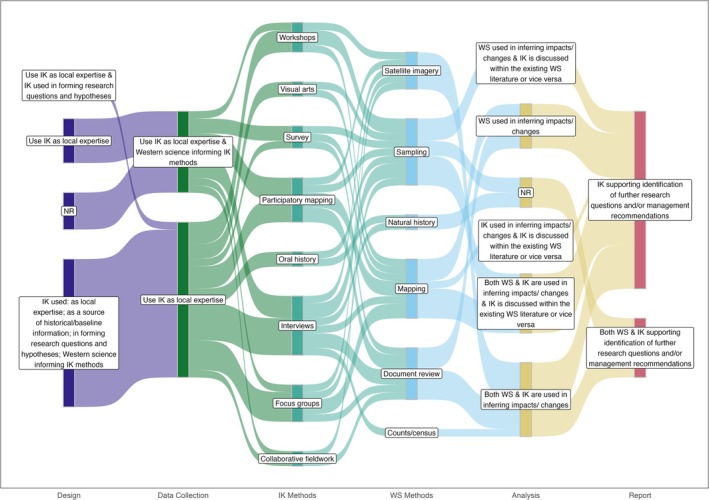 Figure 6
 Figure 7
 Figure 8
 Figure 9
 Figure 10
 Figure 11
 Figure 12
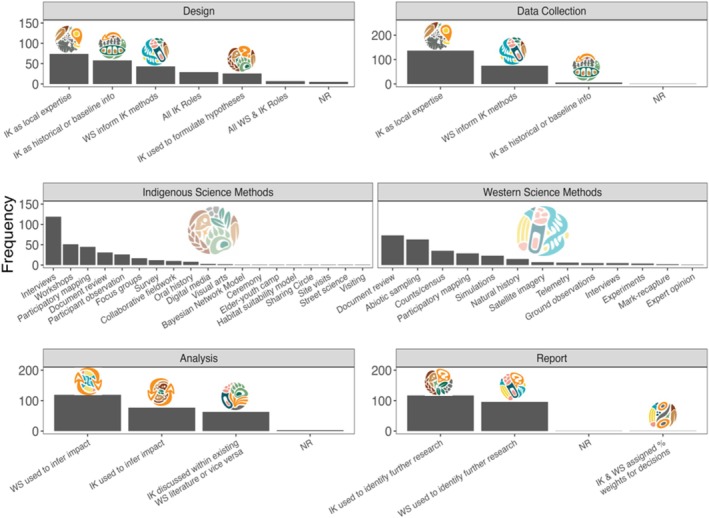 Figure 13
 Figure 14
 Figure 15
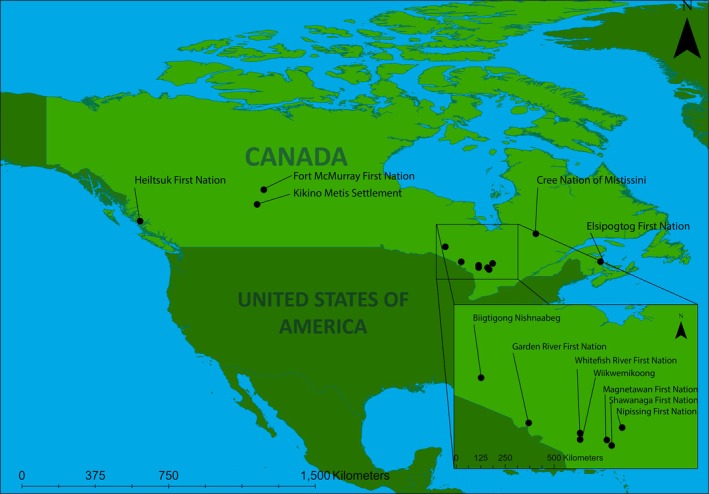 Figure 16
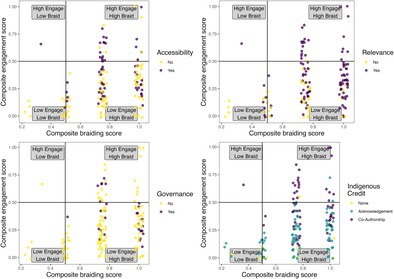 Figure 17
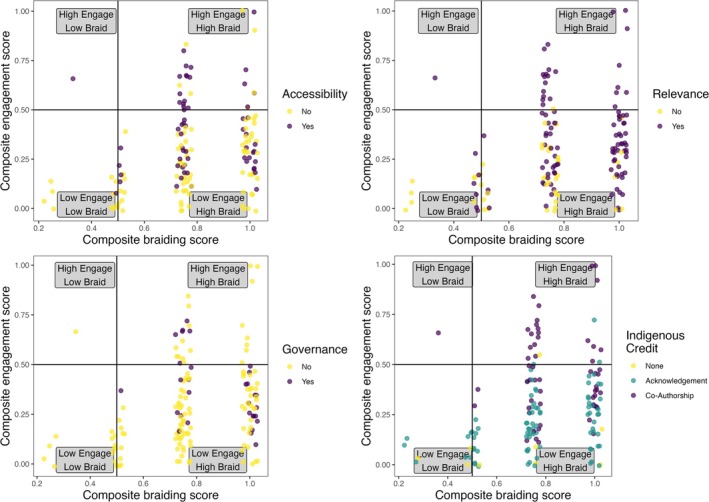 Figure 18
 Figure 19
 Figure 20
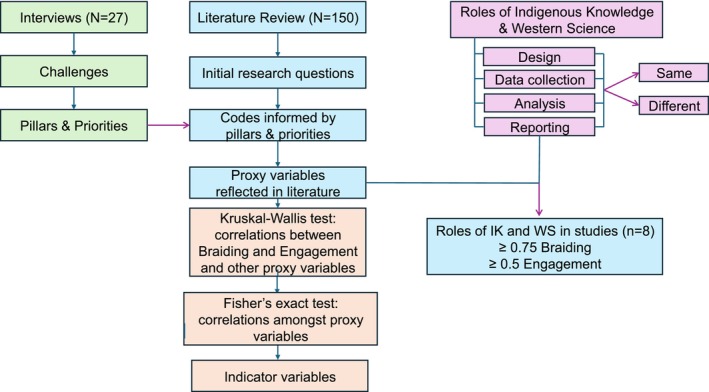 Figure 21
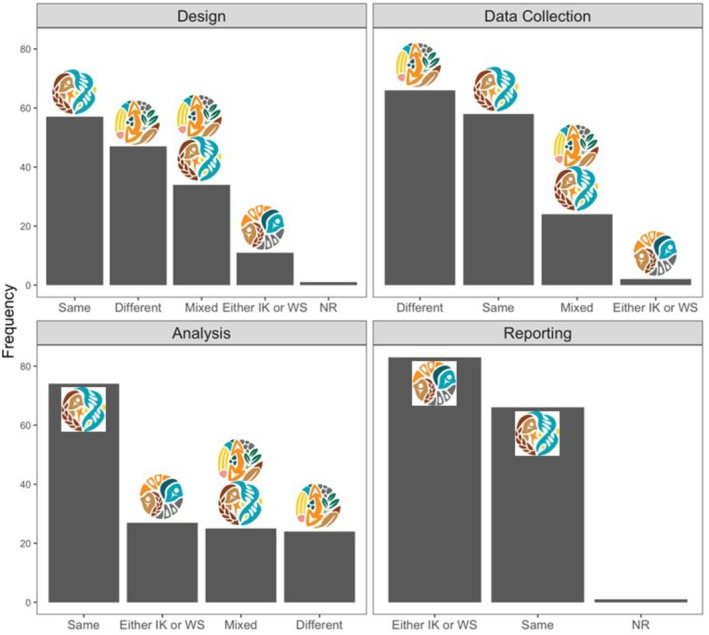 Figure 22
Peer Reviews
No public reviews on file for this paper yet. If you reviewed it on a platform where reviews are public (OpenReview, ICLR, NeurIPS, ICML), you can paste yours below so the community can read it here.
Videos
No videos yet. Explain this paper in a talk, walkthrough, or lecture? Add one.
Taxonomy
TopicsIndigenous Health, Education, and Rights · Indigenous Studies and Ecology · Environmental and Cultural Studies in Latin America and Beyond