Quantitative Videofluoroscopic Analysis of Postoperative Swallowing Outcomes in Patients with Oral and Oropharyngeal Cancer
Quang Xuan Ly, Duc Tan Vo, Chau Minh Le Tran, Loan Thi Hong Nguyen

TL;DR
This study uses videofluoroscopic analysis to assess swallowing outcomes in cancer patients post-surgery and identifies factors that predict swallowing difficulties.
Contribution
The study introduces quantitative biomechanical indices to analyze swallowing outcomes and identifies specific predictors like adjuvant therapy and muscle defects.
Findings
Thin liquids are most likely to cause aspiration, while thick liquids are safest.
Adjuvant therapy and male sex are linked to prolonged pharyngeal transit time.
Suprahyoid muscle defects predict reduced laryngeal elevation during swallowing.
Abstract
Postoperative dysphagia significantly affects the quality of life of patients with oral and oropharyngeal cancer. We aimed to objectively analyze swallowing function in these patients using quantitative biomechanical indices from Videofluoroscopic swallowing studies (VFSS) as well as to identify independent predictors of key swallowing outcomes. We included 60 patients with postoperative oral and oropharyngeal cancers. VFSS were performed at 3 months (for patients without adjuvant therapy) or 6–7 months (for patients with adjuvant therapy) to assess swallowing safety (Penetration-Aspiration Scale); post-swallowing pharyngeal residue; and biomechanical functions, including pharyngeal transit time (PTT), laryngeal vestibule closure duration, pharyngoesophageal segment opening duration/dimension, and laryngeal elevation. Generalized linear models (GLMs) were used to identify independent…
Genes, proteins, chemicals, diseases, species, mutations and cell lines named across the full text — each resolved to its canonical identifier and authoritative record.
Click any figure to enlarge with its caption.
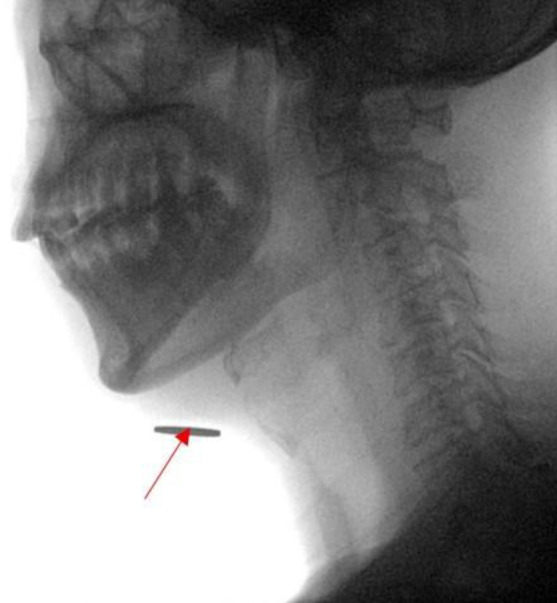 Figure 1
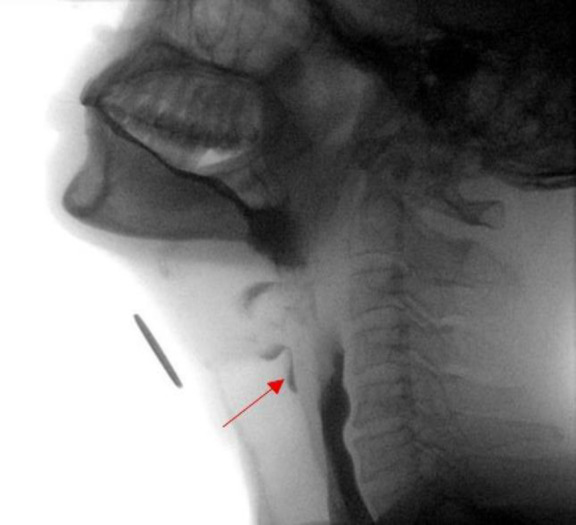 Figure 2
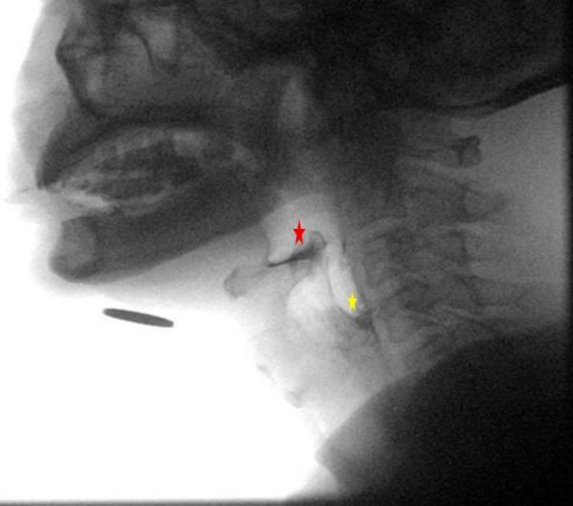 Figure 3
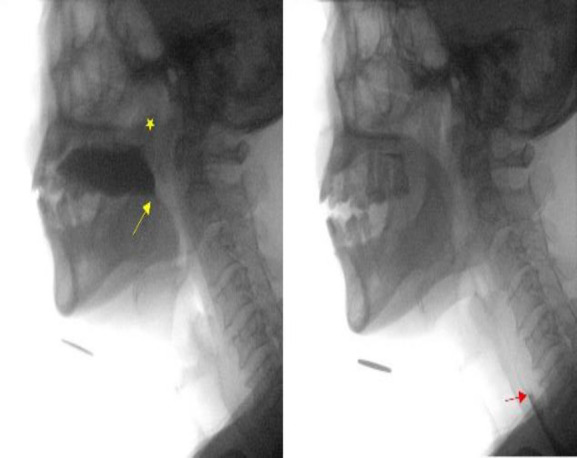 Figure 4
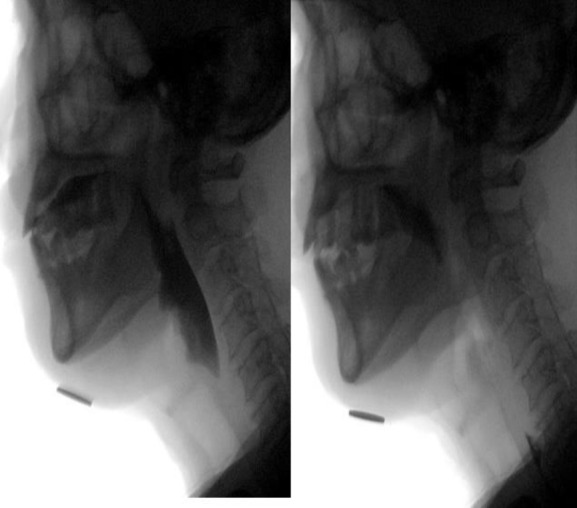 Figure 5
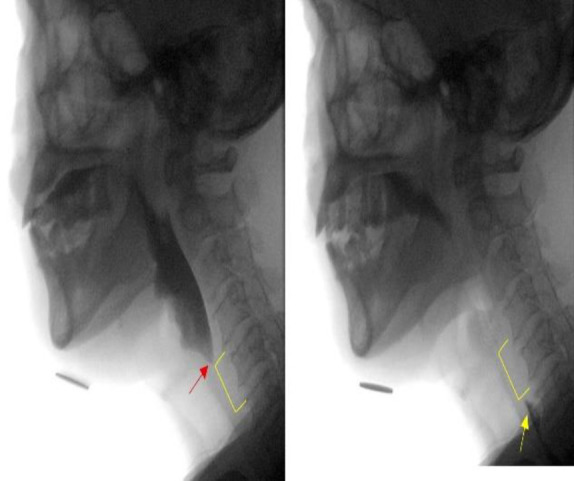 Figure 6
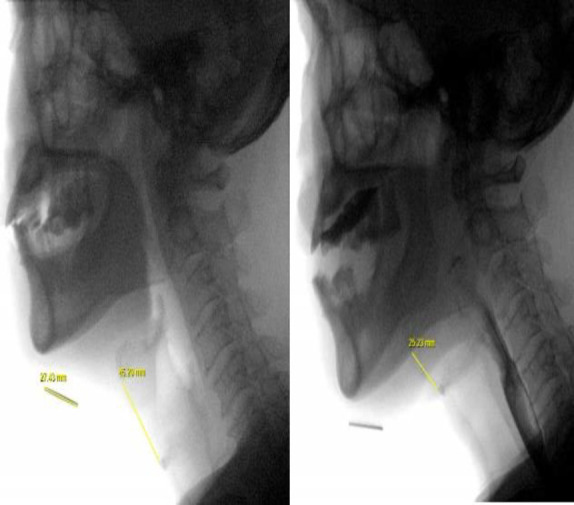 Figure 7
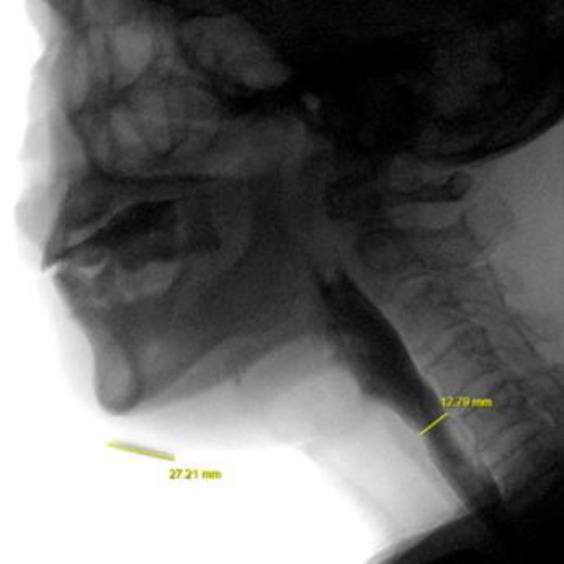 Figure 8
Peer Reviews
No public reviews on file for this paper yet. If you reviewed it on a platform where reviews are public (OpenReview, ICLR, NeurIPS, ICML), you can paste yours below so the community can read it here.
Videos
No videos yet. Explain this paper in a talk, walkthrough, or lecture? Add one.
Taxonomy
TopicsDysphagia Assessment and Management · Head and Neck Cancer Studies · Voice and Speech Disorders