Structural biology of HIV-1 reverse transcriptase allosteric inhibitors for drug design
Zhenzhen Zhou, Yanying Sun, Da Feng, Zhao Wang, Fabao Zhao, Shenghua Gao, Peng Zhan, Dongwei Kang, Xinyong Liu

TL;DR
This paper reviews the structural biology of HIV-1 reverse transcriptase inhibitors to guide the design of more effective anti-HIV drugs.
Contribution
A comprehensive review of recent co-crystal structures of allosteric inhibitors with HIV-1 RT for drug development.
Findings
Co-crystal structures of small molecule inhibitors with HIV-1 RT have advanced drug design.
Allosteric inhibitors show high efficiency and low toxicity, making them promising drug candidates.
Structural insights help identify strategies for developing next-generation anti-HIV drugs.
Abstract
HIV-1 reverse transcriptase (RT) is responsible for reverse transcription of viral single-stranded RNA to double-stranded DNA, which plays an important role in the replication cycle of HIV-1 and has been identified as a key target for anti-HIV-1 drug discovery. Among HIV-1 RT inhibitors, allosteric inhibitors acting on non-catalytic sites have the advantages of high efficiency and low cytotoxicity, which are the focus of the research on anti-HIV-1 inhibitors. Great progress has been achieved in the structural biology of HIV-1 RT, which significantly facilitated the development of RT allosteric inhibitors. Herein, we provided a detailed review of the co-crystal structures of small molecule allosteric inhibitors in complex with RT reported in the last decade. Moreover, the strategies to discover novel and efficient inhibitors based on co-crystal structures have also been discussed,…
Genes, proteins, chemicals, diseases, species, mutations and cell lines named across the full text — each resolved to its canonical identifier and authoritative record.
Click any figure to enlarge with its caption.
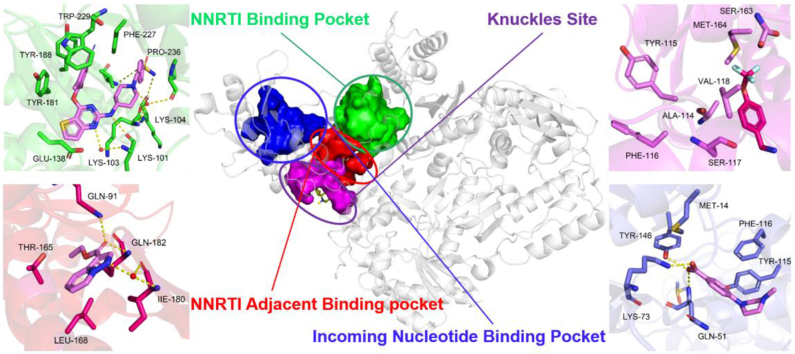 Figure 1
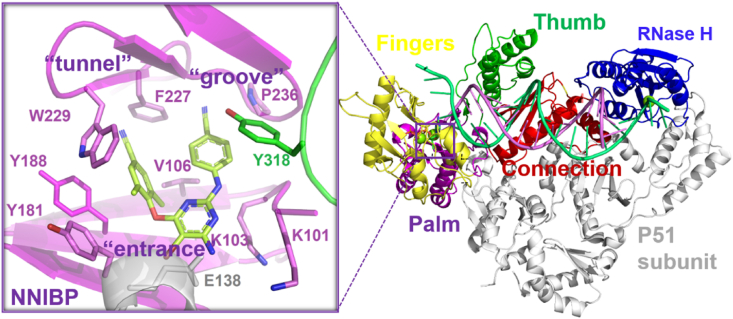 Figure 2
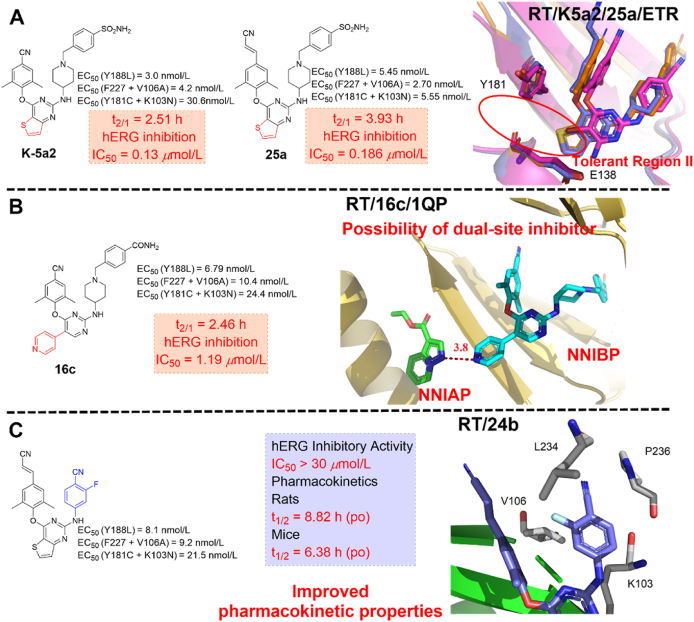 Figure 3
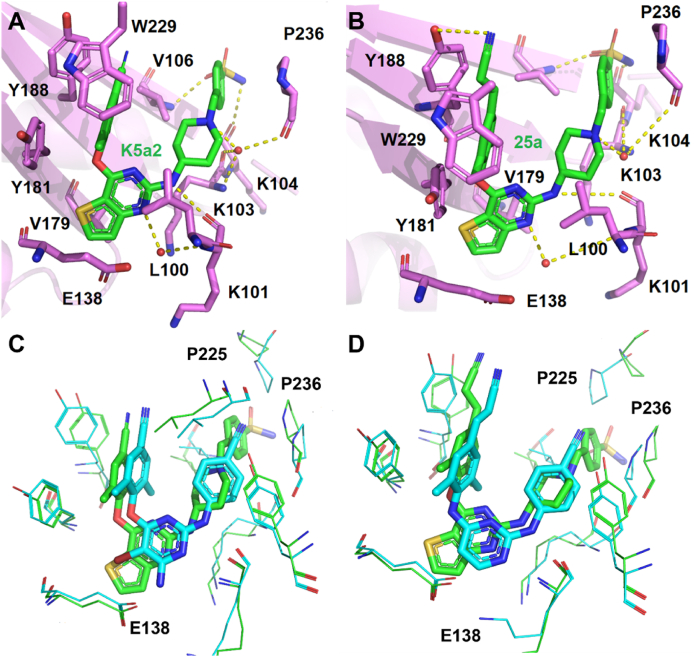 Figure 4
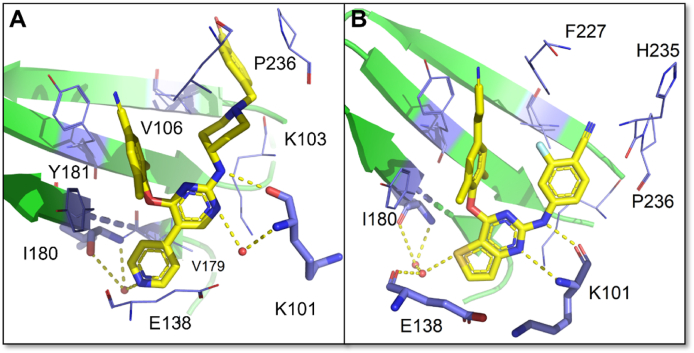 Figure 5
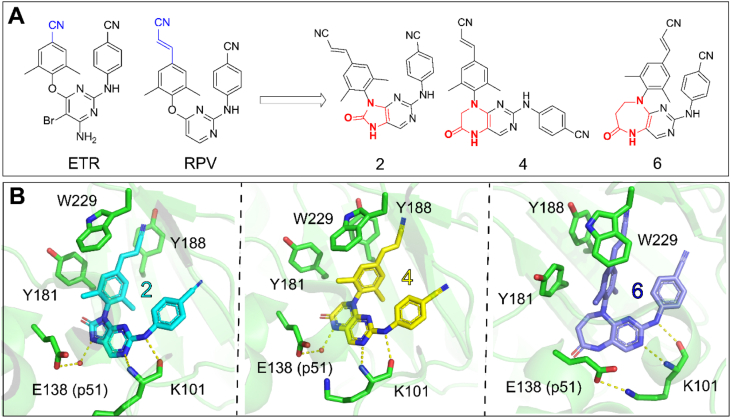 Figure 6
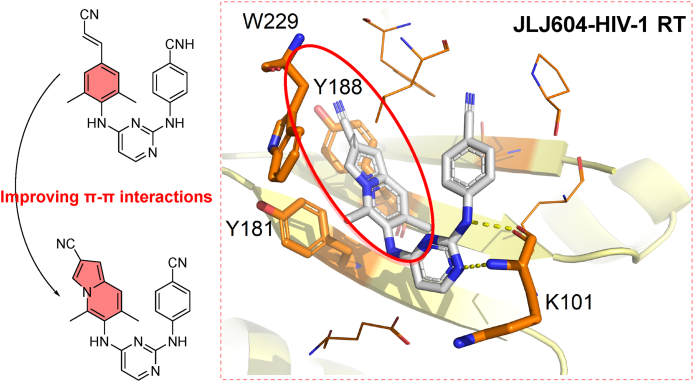 Figure 7
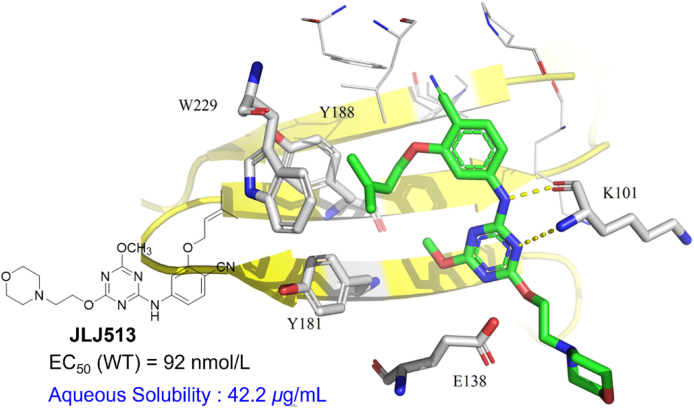 Figure 8
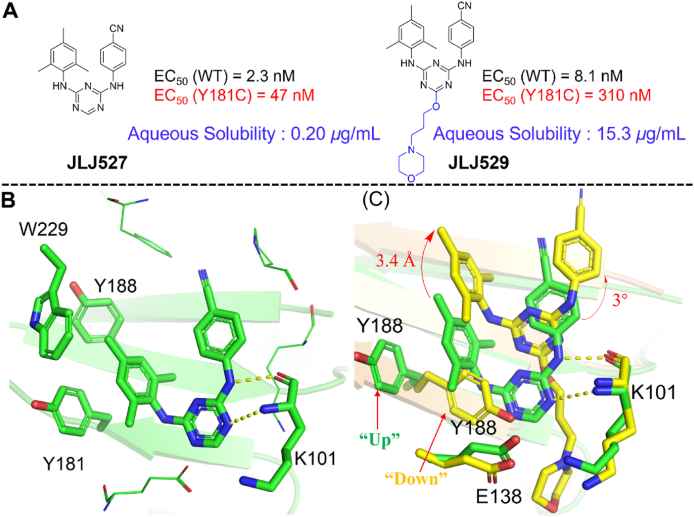 Figure 9
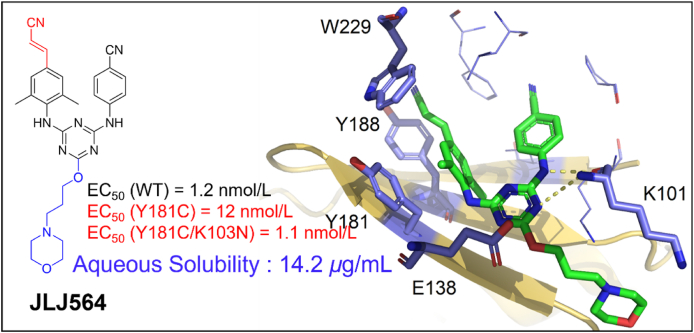 Figure 10
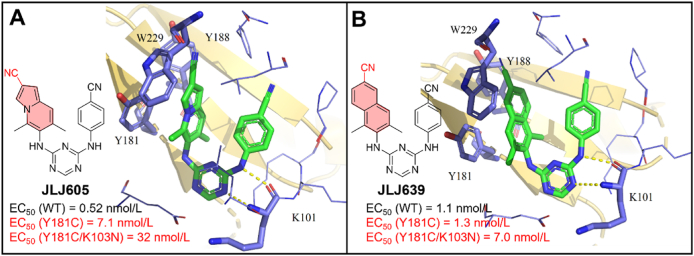 Figure 11
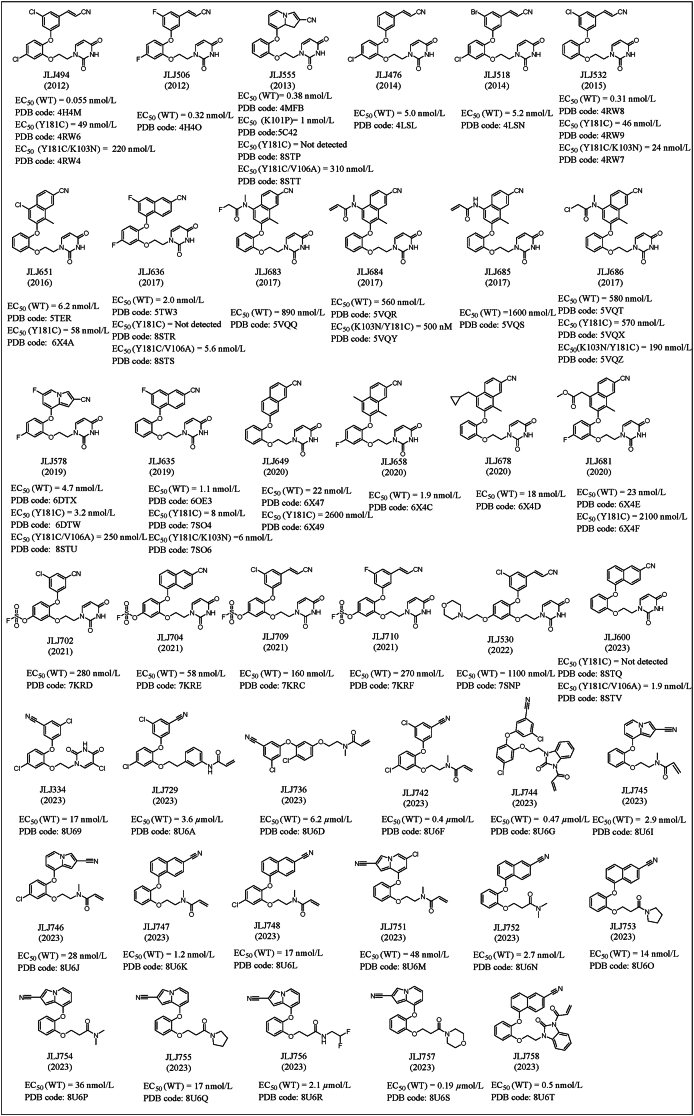 Figure 12
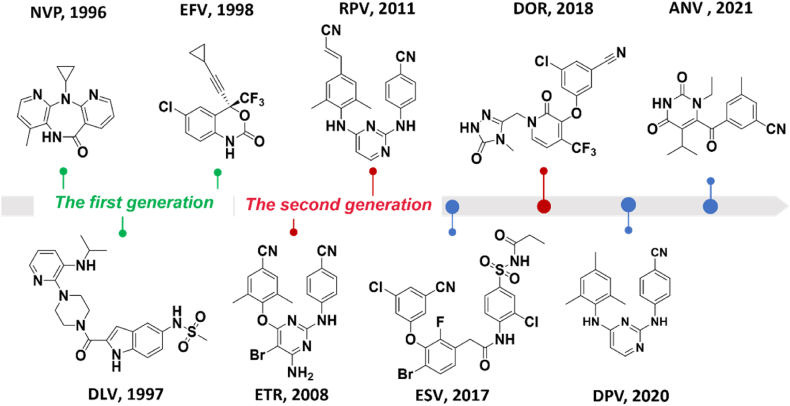 Figure 13
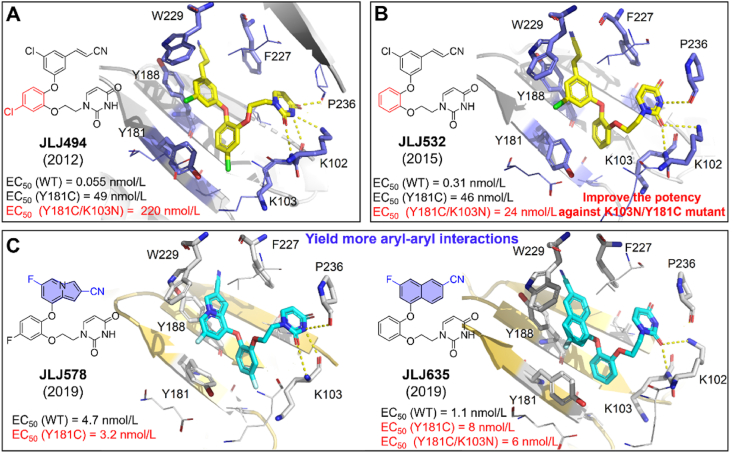 Figure 14
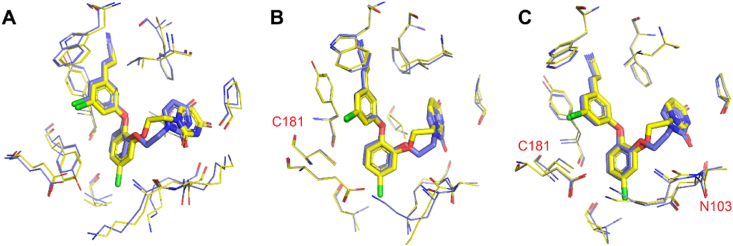 Figure 15
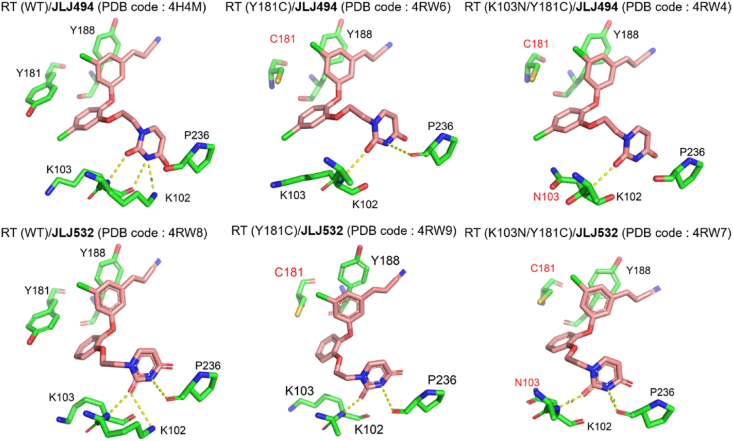 Figure 16
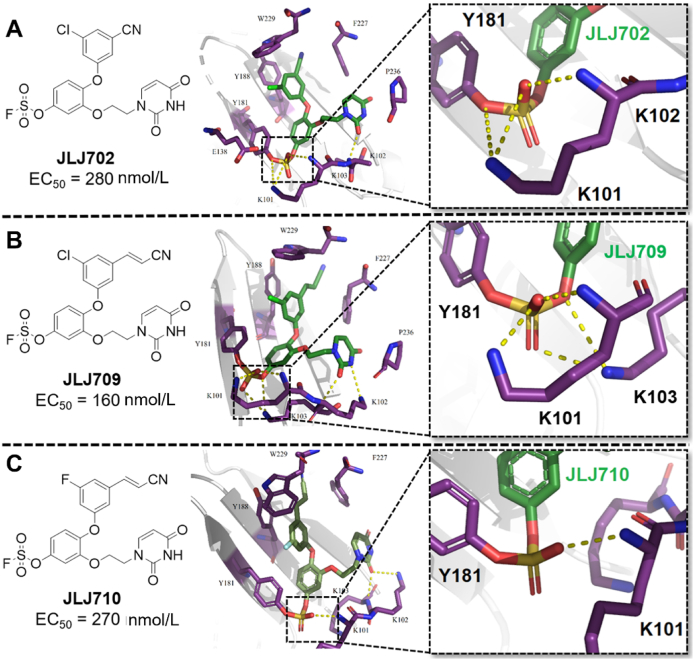 Figure 17
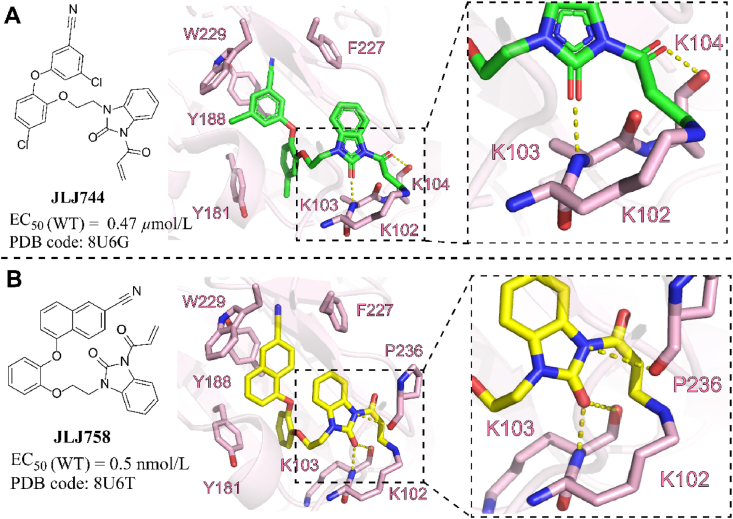 Figure 18
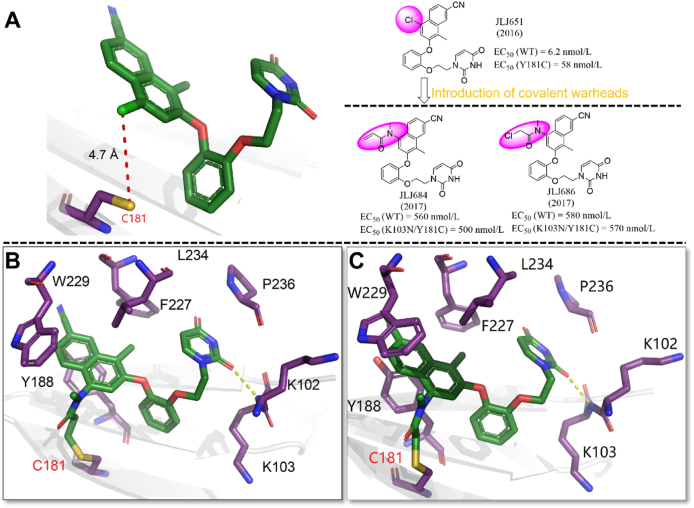 Figure 19
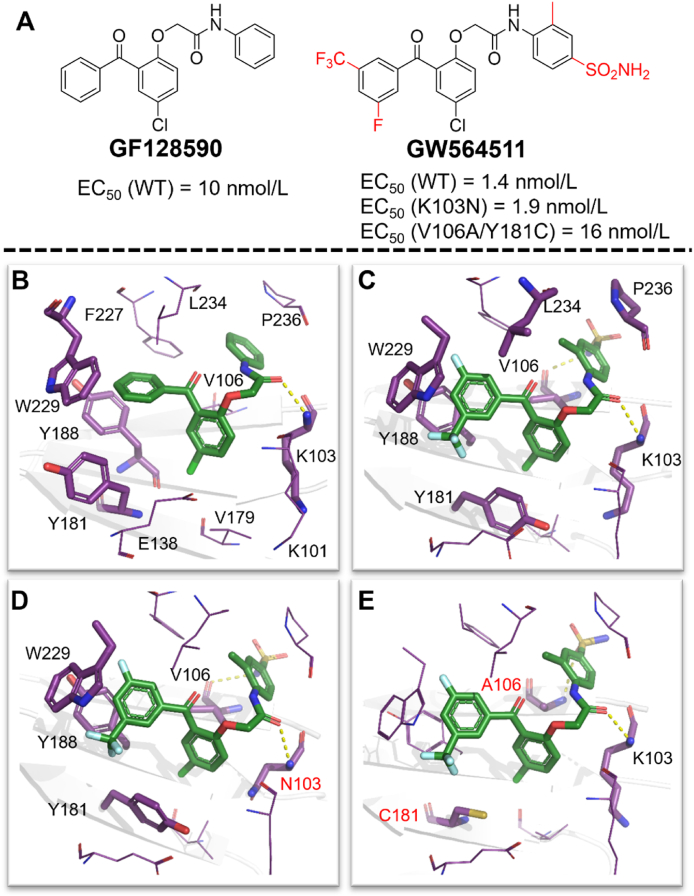 Figure 20
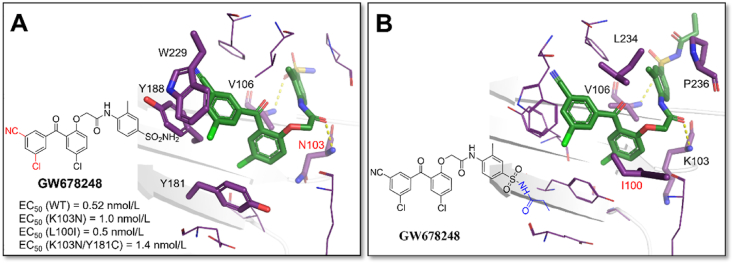 Figure 21
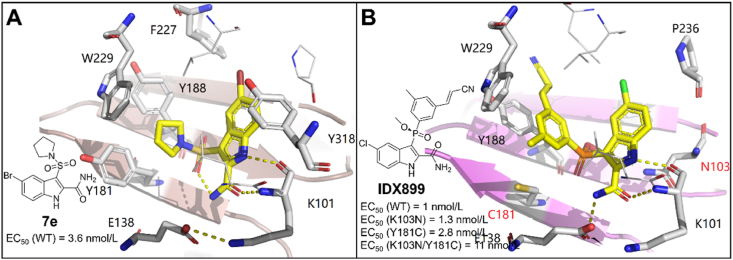 Figure 22
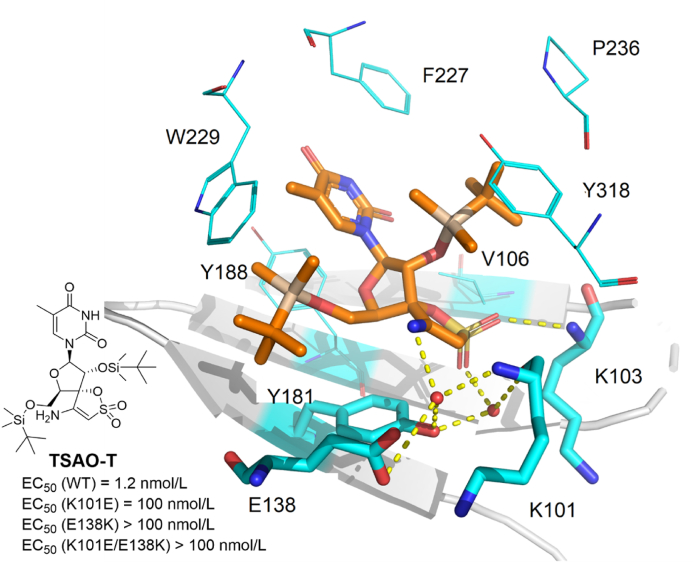 Figure 23
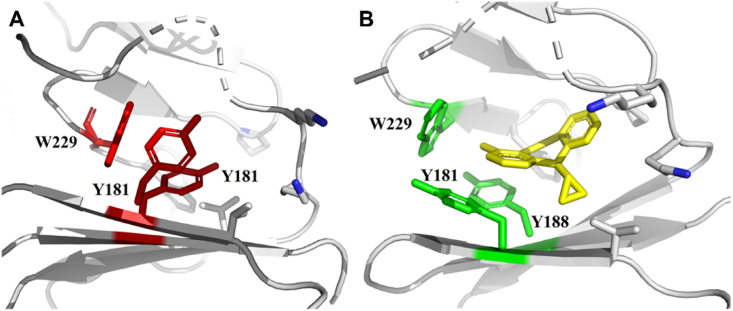 Figure 24
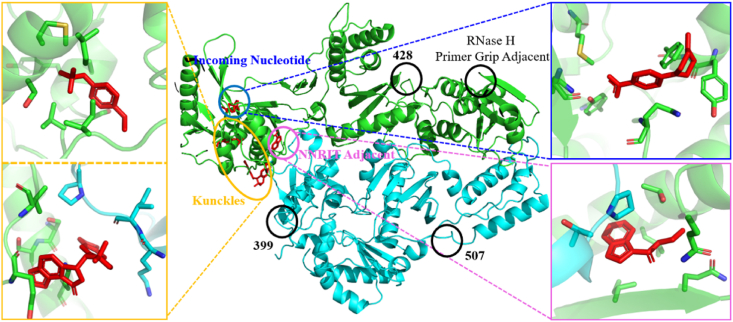 Figure 25
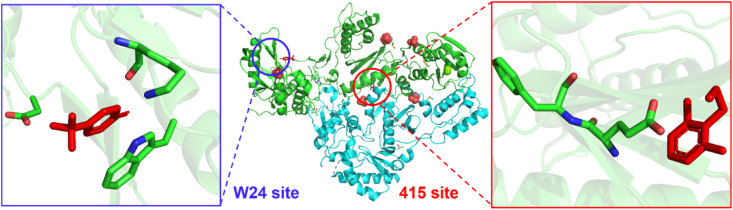 Figure 26
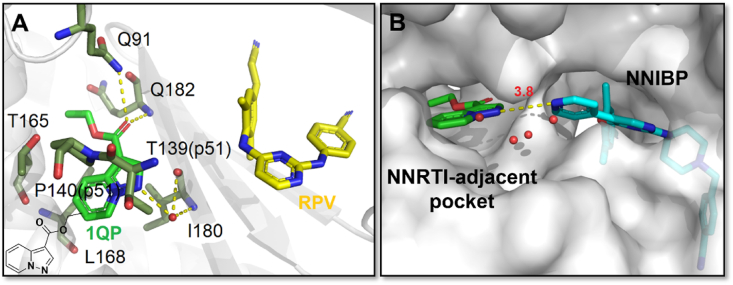 Figure 27
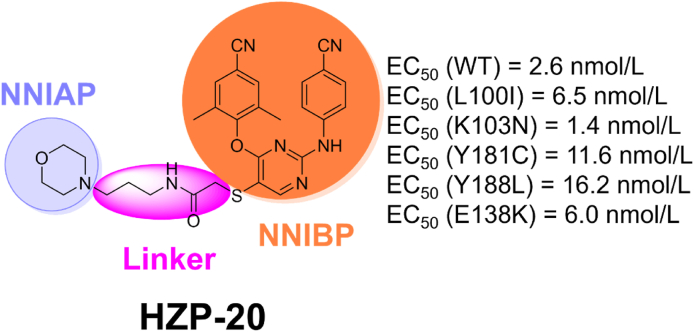 Figure 28
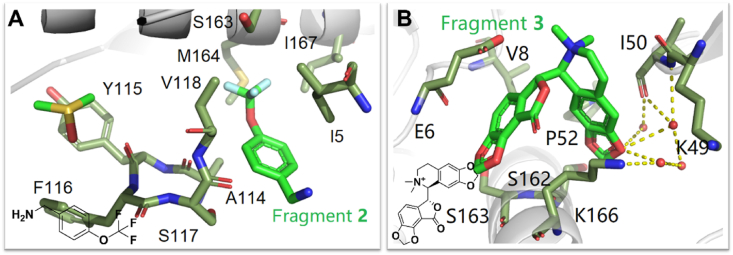 Figure 29
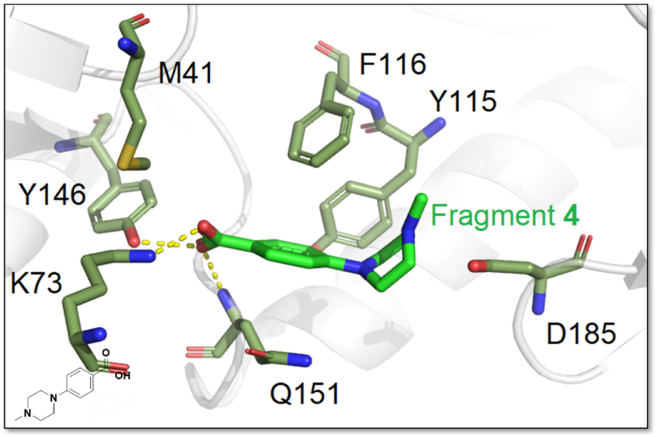 Figure 30
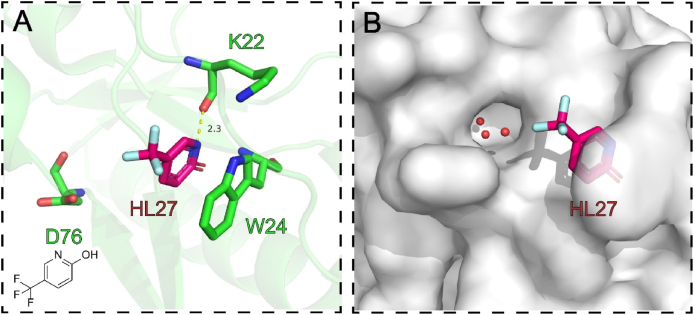 Figure 31
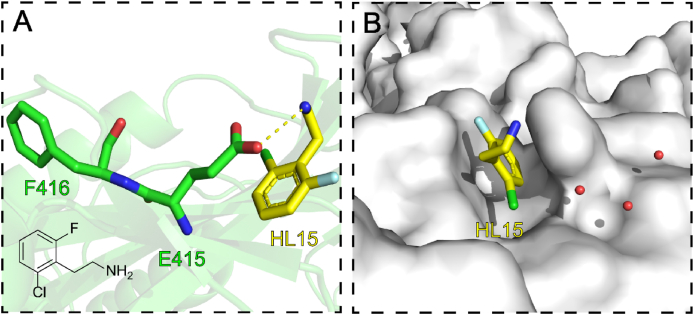 Figure 32
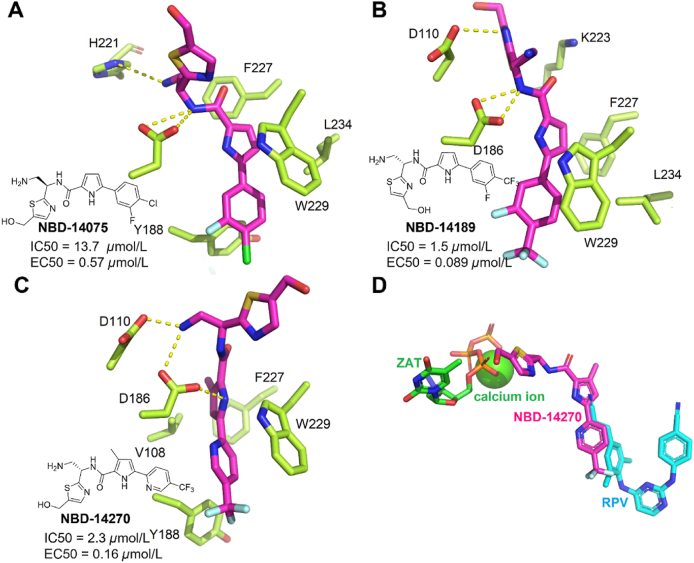 Figure 33
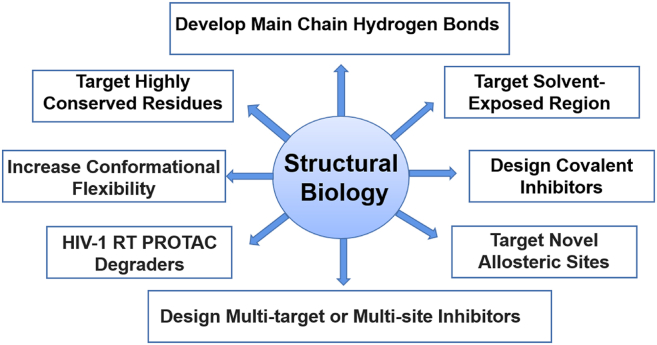 Figure 34
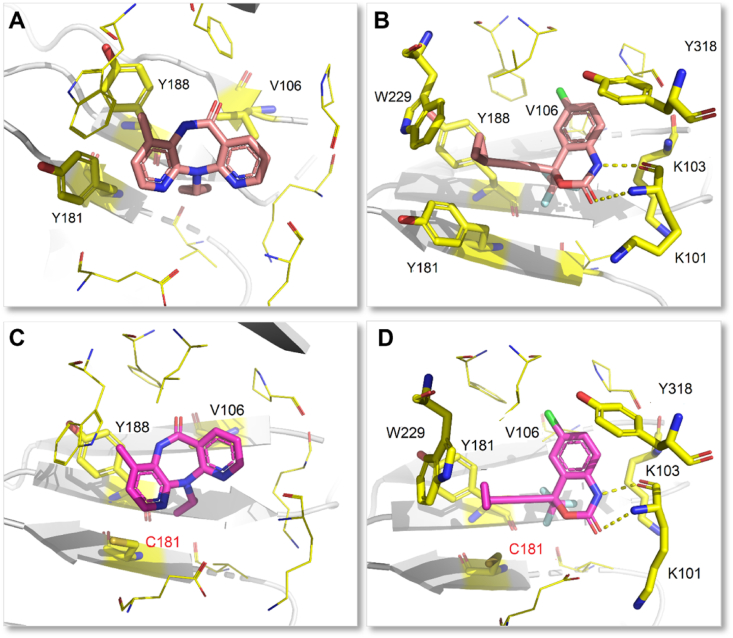 Figure 35
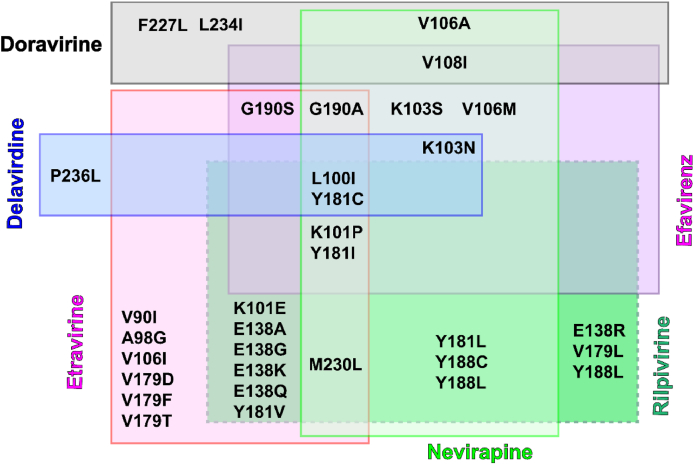 Figure 36
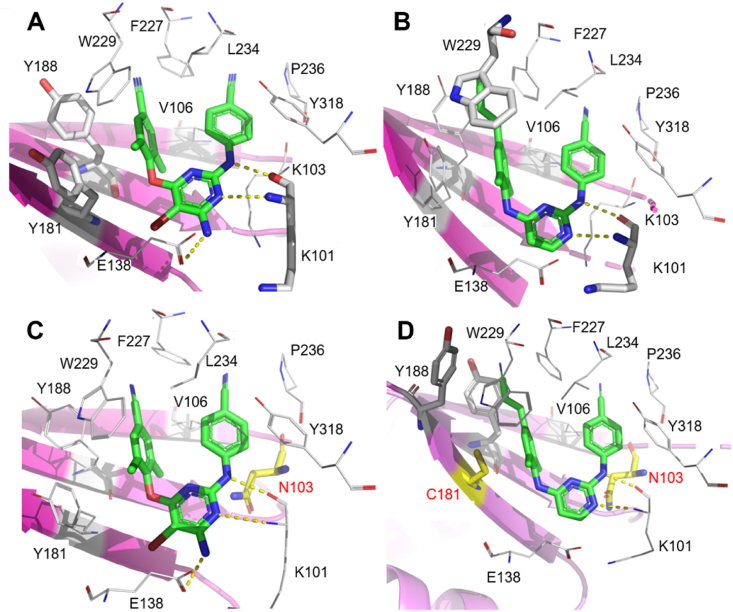 Figure 37
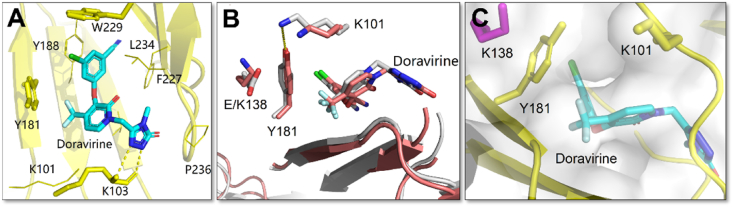 Figure 38
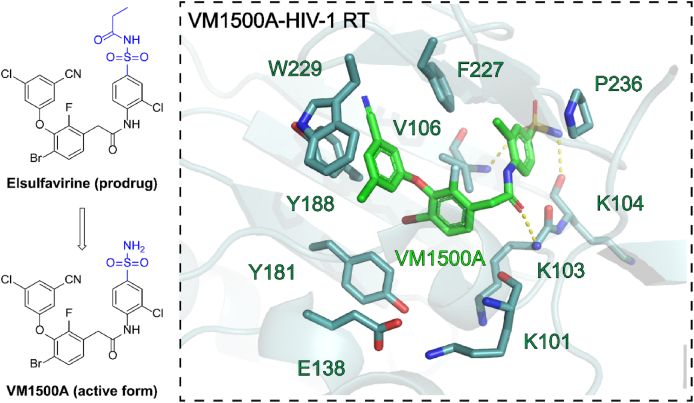 Figure 39
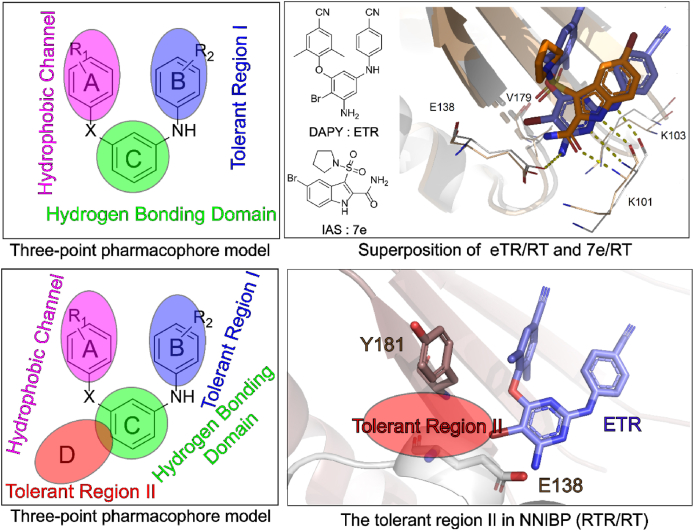 Figure 40
Peer Reviews
No public reviews on file for this paper yet. If you reviewed it on a platform where reviews are public (OpenReview, ICLR, NeurIPS, ICML), you can paste yours below so the community can read it here.
Videos
No videos yet. Explain this paper in a talk, walkthrough, or lecture? Add one.
Taxonomy
TopicsHIV/AIDS drug development and treatment · HIV Research and Treatment · Crystallography and molecular interactions