OPRK1 drives SLC9A3R1 progression to neuroendocrine prostate cancer
Linghui Liang, Zhiyi Shen, Yuwei Zhang, Yifei Cheng, Bing Yao, Ninghan Feng, Ruizhe Zhao

TL;DR
This study identifies OPRK1 as a key driver in the progression of neuroendocrine prostate cancer, offering new insights for treatment.
Contribution
The study reveals OPRK1's role in treatment-induced neuroendocrine differentiation and proposes it as a novel therapeutic target.
Findings
OPRK1 levels correlate with treatment-induced neuroendocrine differentiation and poor prognosis in prostate cancer.
AR represses OPRK1 transcription, which can be reversed by ARPIs.
OPRK1 activates autophagic degradation of REST via SLC9A3R1, promoting neuroendocrine differentiation.
Abstract
Neuroendocrine differentiation (NED) plays a critical role in endocrine therapy resistance and dismal outcomes among prostate cancer (PCa) patients. The emergence of treatment-induced neuroendocrine prostate cancers (t-NEPCs) with the utilization of second-generation androgen receptor (AR) pathway inhibitors (ARPIs) poses a significant challenge, as the molecular underpinnings remain elusive. Here, our investigation unveils a close correlation between heightened levels of opioid receptor membrane protein OPRK1 and treatment-induced NED (t-NED), alongside an adverse prognosis in PCa cohorts. Our findings illuminate that AR represses OPRK1 transcription by binding to its promoter, a regulation amenable to reversal via ARPI administration. Further exploration reveals that OPRK1 stimulation triggers autophagic degradation of REST upon up-regulation and interaction with SLC9A3R1, thereby…
Genes, proteins, chemicals, diseases, species, mutations and cell lines named across the full text — each resolved to its canonical identifier and authoritative record.
Click any figure to enlarge with its caption.
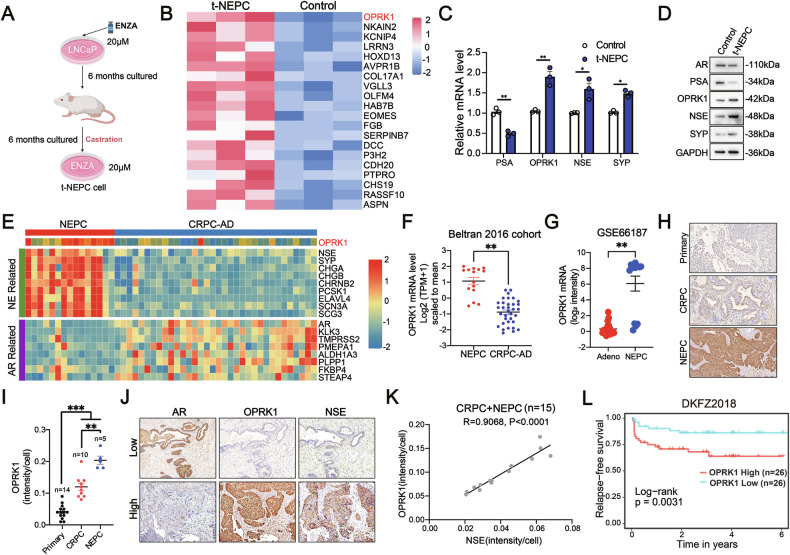 Figure 1
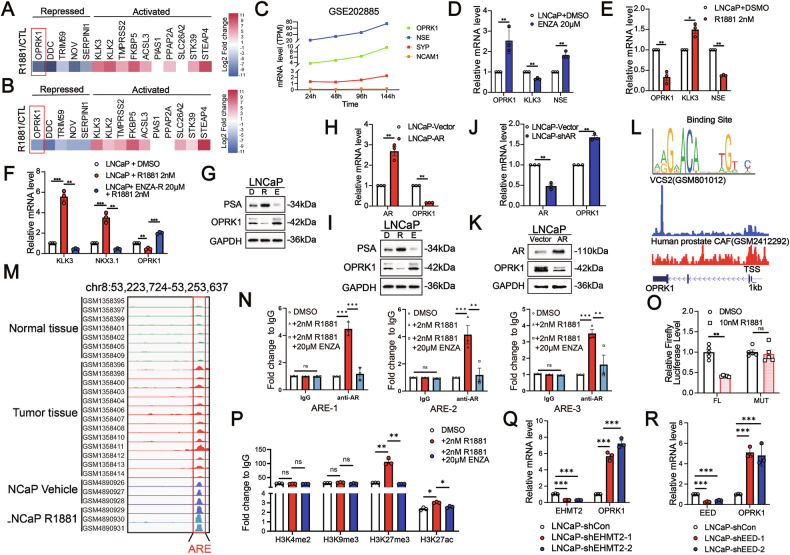 Figure 2
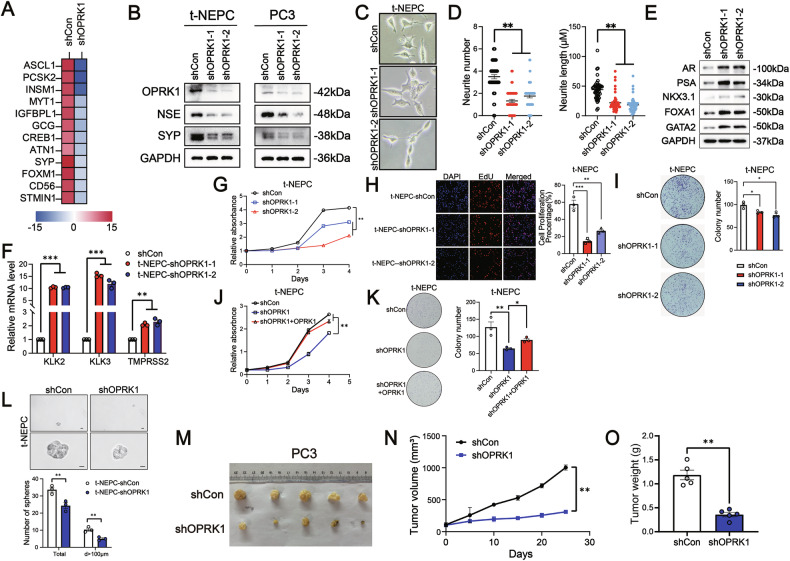 Figure 3
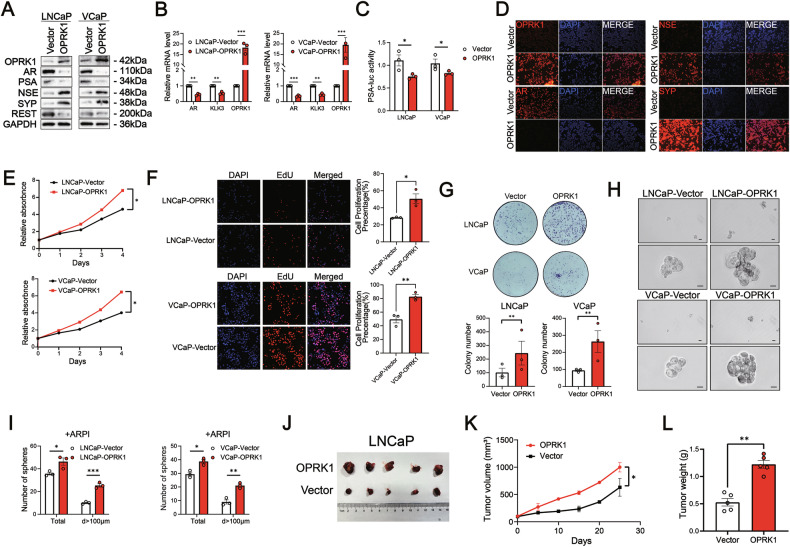 Figure 4
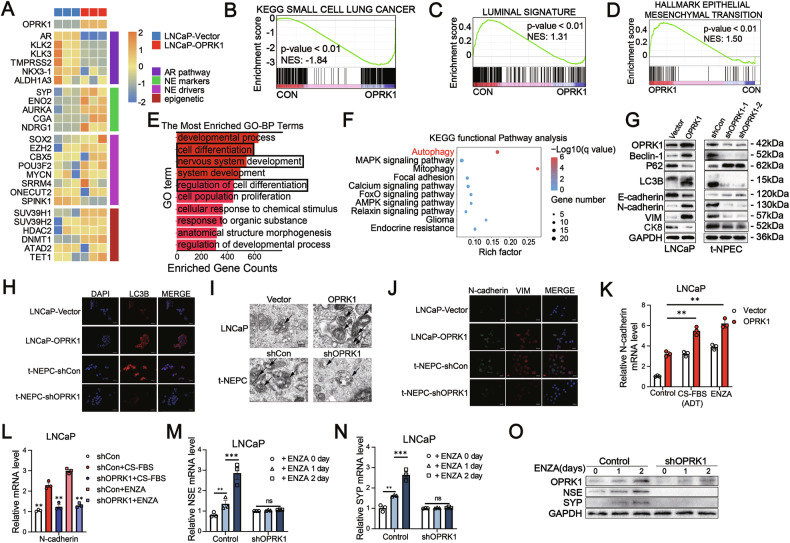 Figure 5
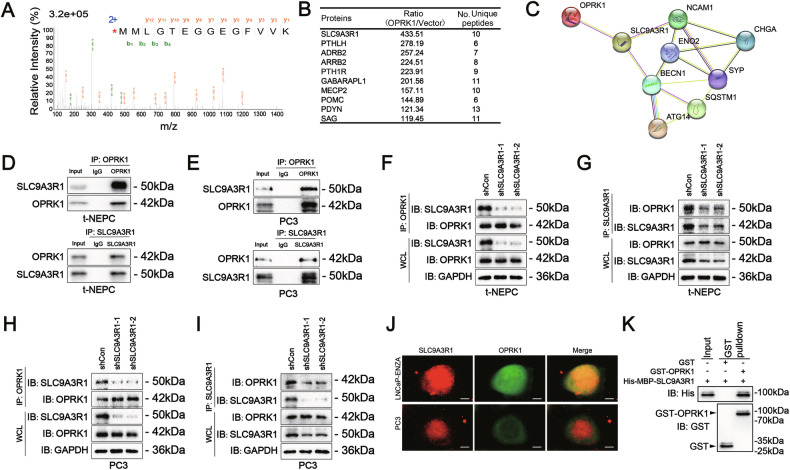 Figure 6
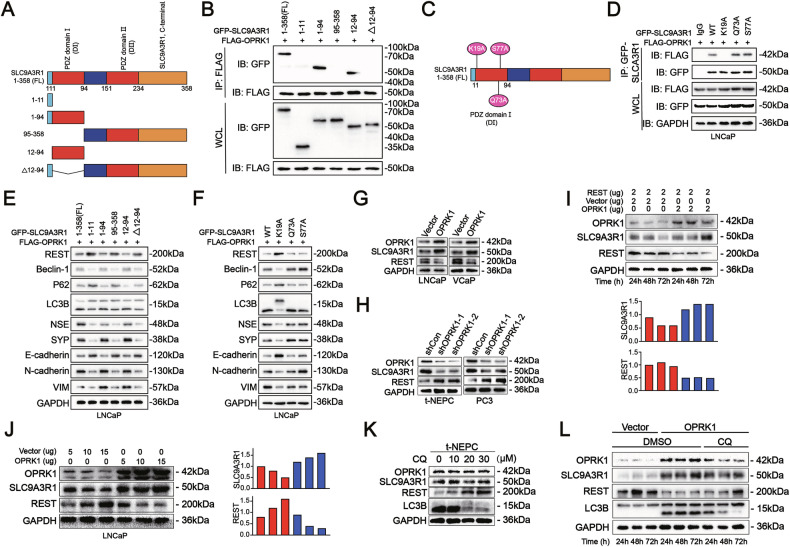 Figure 7
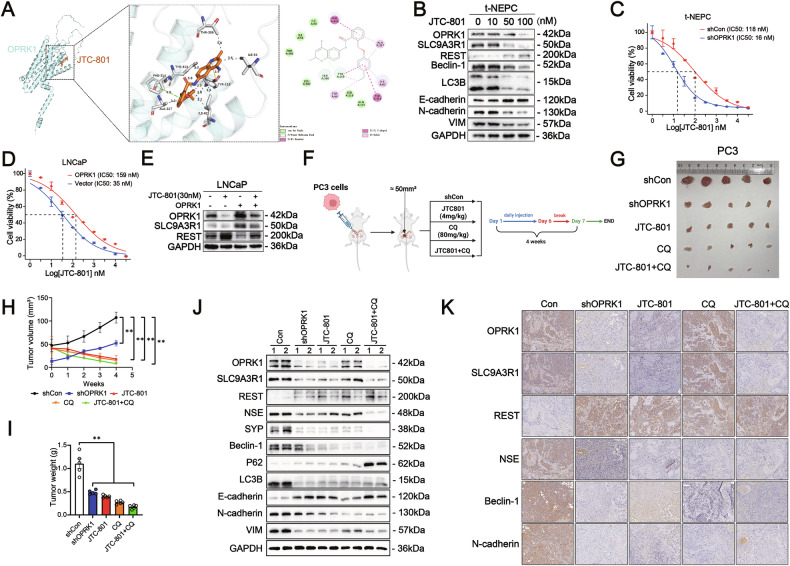 Figure 8
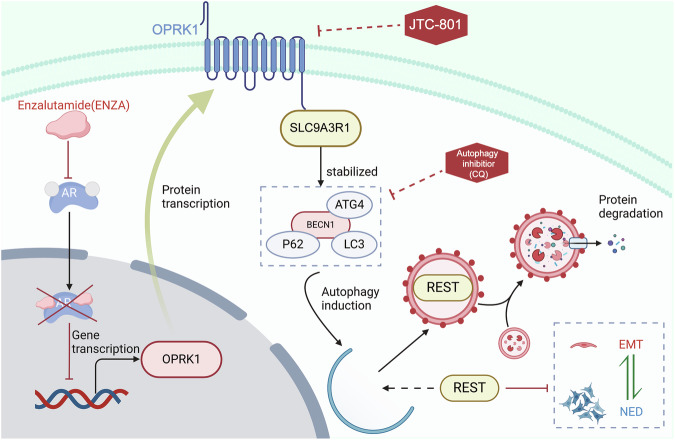 Figure 9
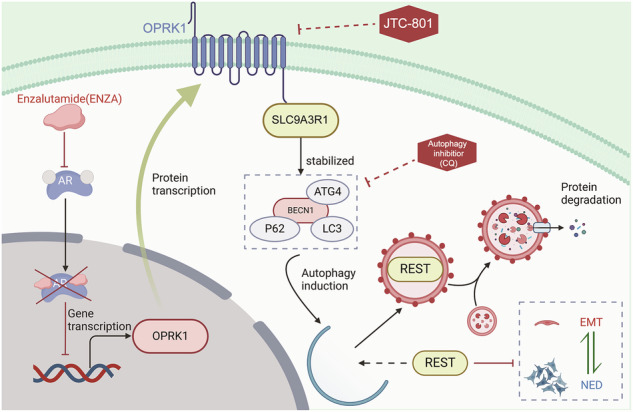 Figure 10
Peer Reviews
No public reviews on file for this paper yet. If you reviewed it on a platform where reviews are public (OpenReview, ICLR, NeurIPS, ICML), you can paste yours below so the community can read it here.
Videos
No videos yet. Explain this paper in a talk, walkthrough, or lecture? Add one.
Taxonomy
TopicsProstate Cancer Treatment and Research · Cancer, Stress, Anesthesia, and Immune Response · Neuropeptides and Animal Physiology