Autophagy-dependent secretion of ENO1 mediates chemoresistance of glioblastoma and tumor microenvironment remodeling
Qijun Xie, Lei Chen, Yifeng Huang, Ziyuan Yu, Rongzhang Zhu, Junjie Li, Jiakun Zhao, Yiqi Song, Hong Li, Yuntao Lu

TL;DR
This study shows that the protein ENO1, secreted via autophagy, helps glioblastoma resist chemotherapy and alters the tumor environment, suggesting new treatment strategies.
Contribution
The study identifies ENO1 as a novel mediator of chemoresistance and TME remodeling in GBM through autophagy-dependent secretion and TLR4 signaling.
Findings
Extracellular ENO1 promotes GBM cell proliferation and chemoresistance by activating TLR4 and downstream signaling pathways.
ENO1 and S1P synergistically polarize macrophages toward an M2-like immunosuppressive phenotype.
Combining TMZ with SPHK1 and TLR4 inhibitors enhances tumor suppression and chemotherapy efficacy in GBM.
Abstract
Acquired therapeutic resistance in glioblastoma multiforme (GBM) constitutes a major determinant of its refractory and tumor recurrence. Both tumor-intrinsic epigenetic regulation and tumor microenvironment (TME) remodeling are now understood to play pivotal roles in this resistance; however, the synergistic mechanisms and key molecular mediators underlying this interplay remain poorly defined. In this study, we demonstrated that temozolomide (TMZ) could activate the autophagy-dependent secretory pathway to promote extracellular secretion of Alpha-enolase (ENO1). Extracellular soluble ENO1 robustly enhanced GBM cell proliferation, migration, and invasion in vitro. Clinically, serum ENO1 levels were markedly elevated in GBM patients and strongly correlated with TMZ therapeutic response, suggesting its potential as a diagnostic biomarker for predicting TMZ efficacy. Mechanistically,…
Genes, proteins, chemicals, diseases, species, mutations and cell lines named across the full text — each resolved to its canonical identifier and authoritative record.
Click any figure to enlarge with its caption.
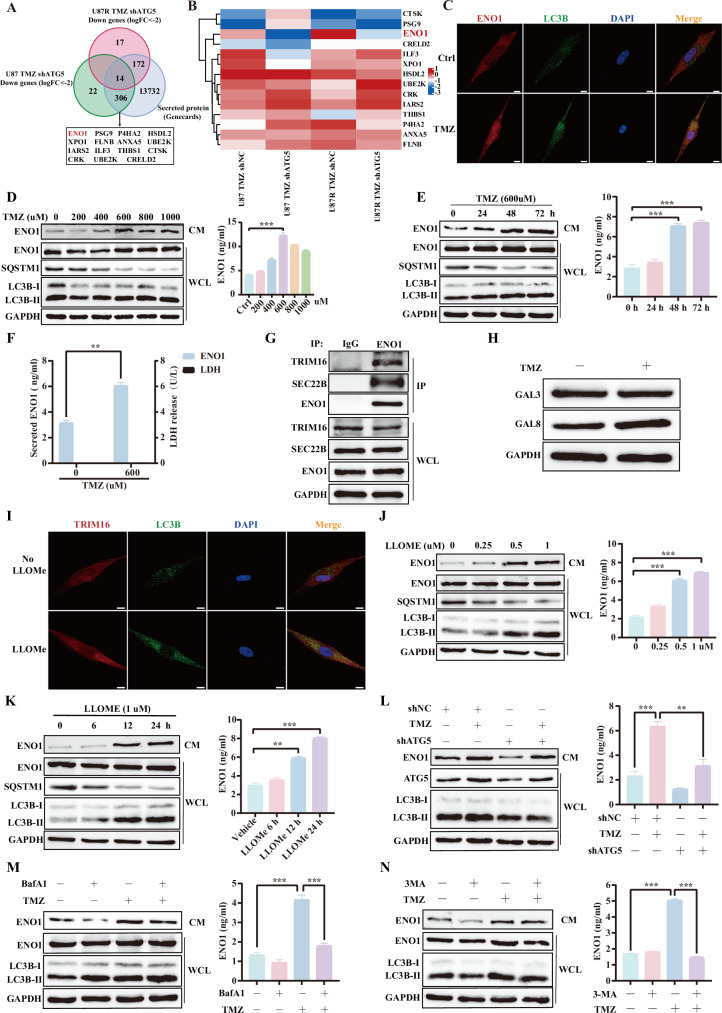 Figure 1
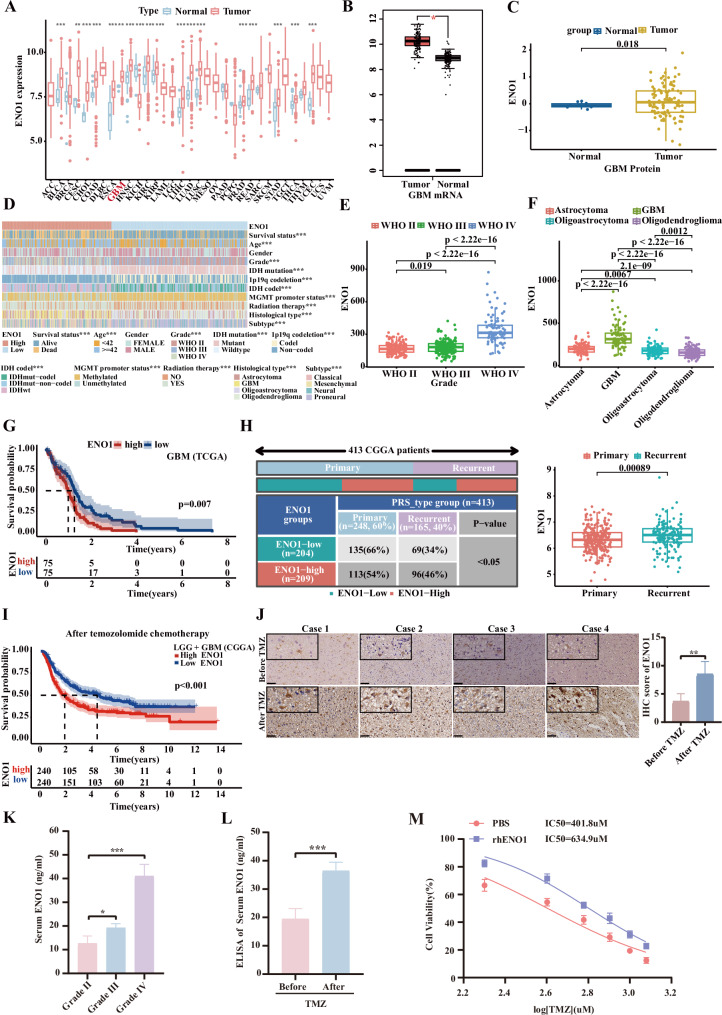 Figure 2
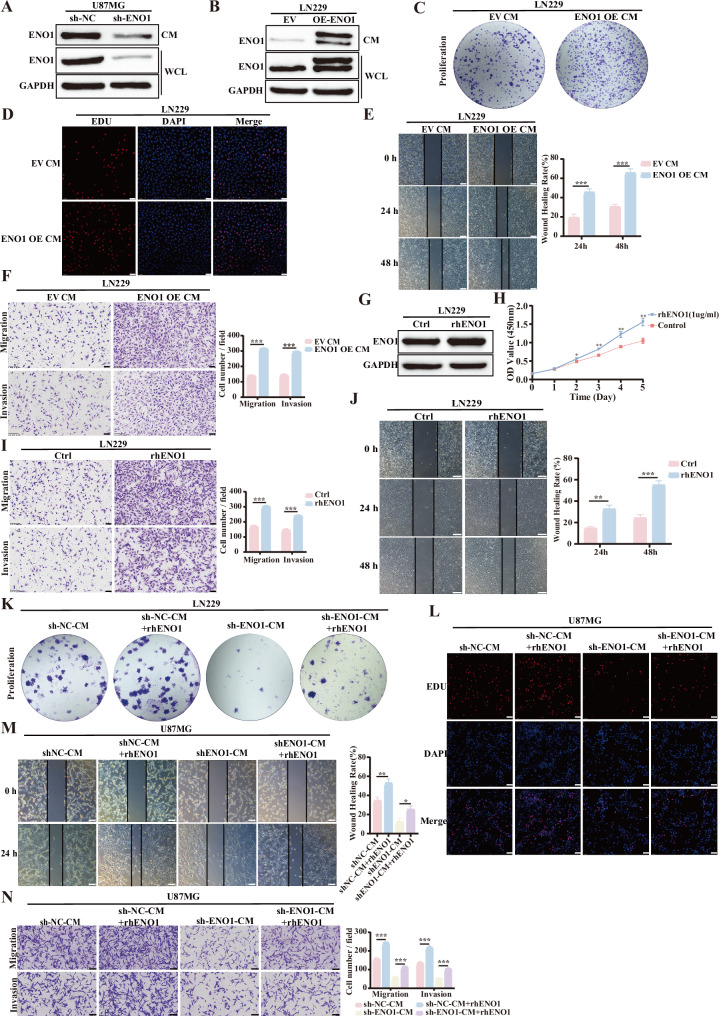 Figure 3
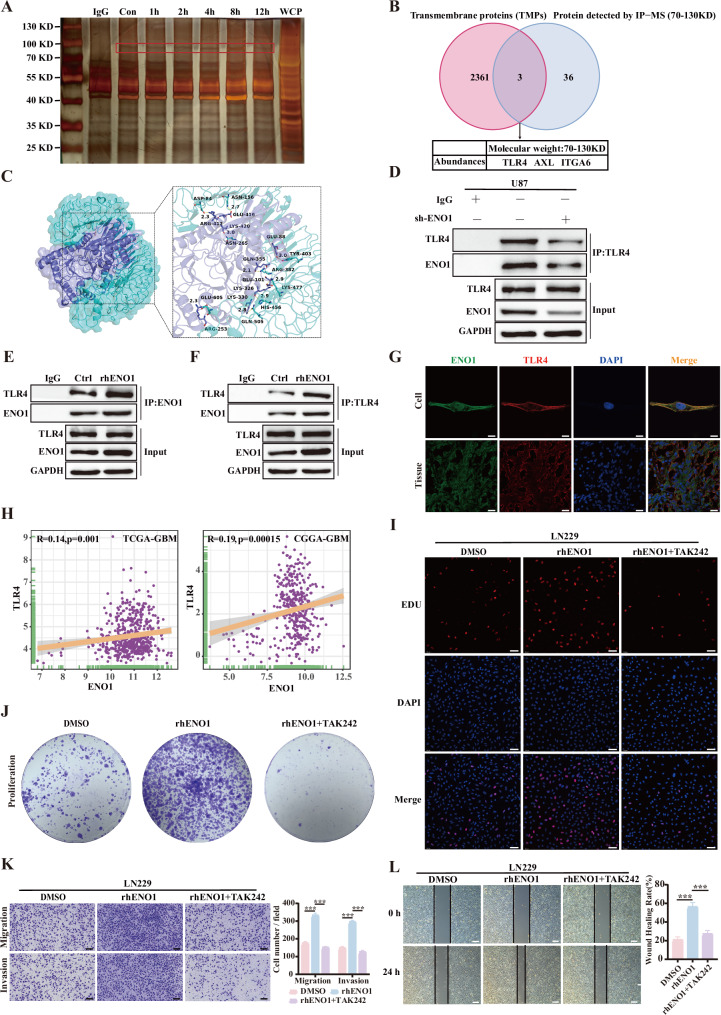 Figure 4
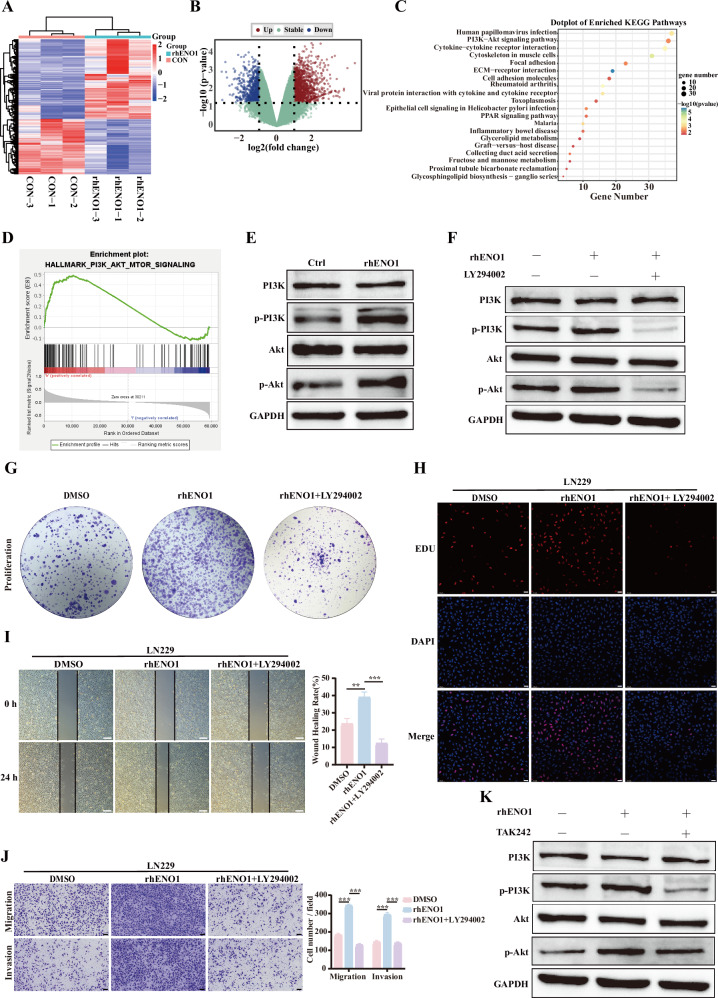 Figure 5
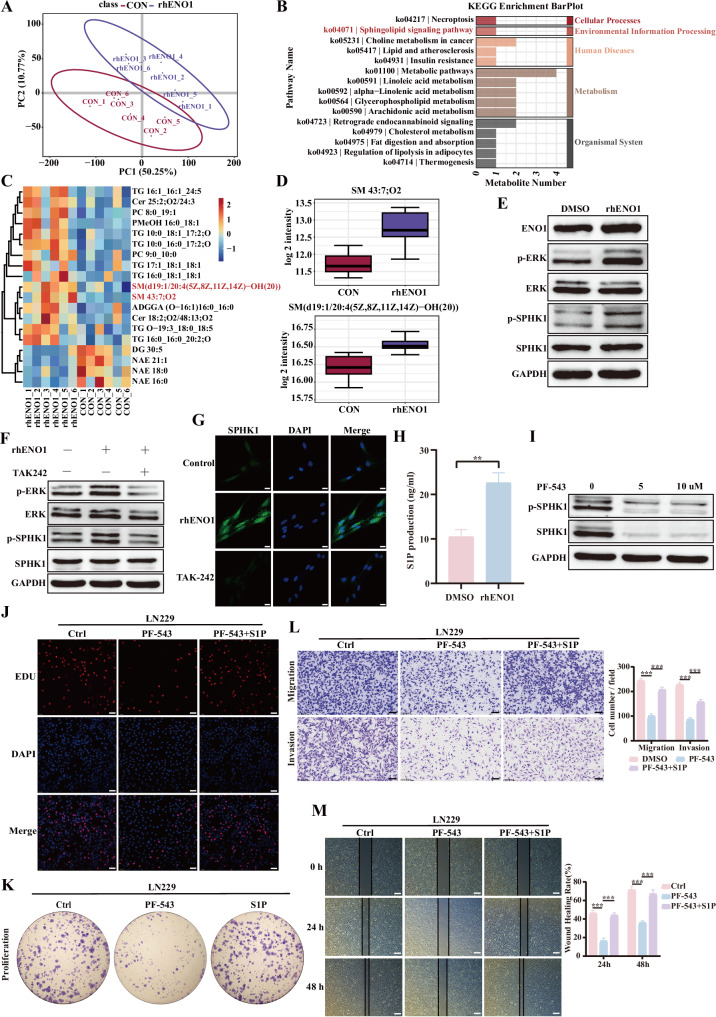 Figure 6
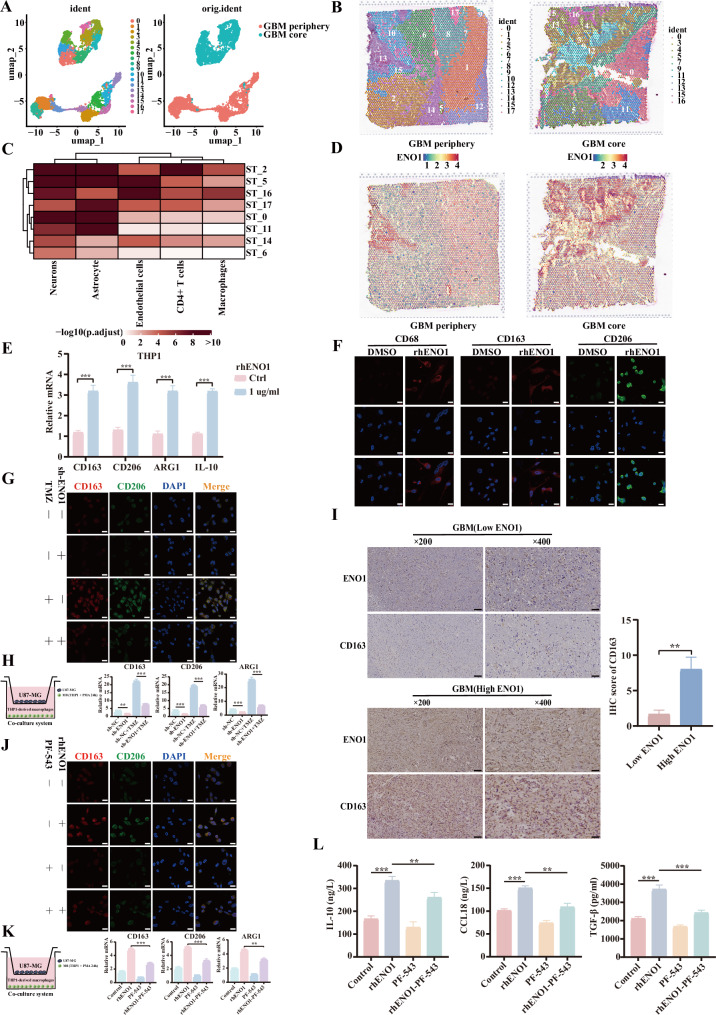 Figure 7
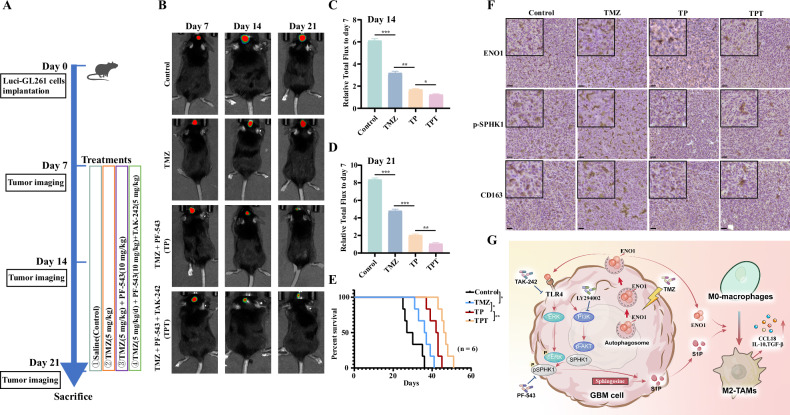 Figure 8
Peer Reviews
No public reviews on file for this paper yet. If you reviewed it on a platform where reviews are public (OpenReview, ICLR, NeurIPS, ICML), you can paste yours below so the community can read it here.
Videos
No videos yet. Explain this paper in a talk, walkthrough, or lecture? Add one.
Taxonomy
TopicsGlioma Diagnosis and Treatment · Cancer, Hypoxia, and Metabolism · Sphingolipid Metabolism and Signaling