PTH induced osteoblast Slit3 to decrease aberrant sensory innervation in degenerated vertebral endplates to relieve low back pain in mice
Weixin Zhang, Arryn D. Otte, Zhuolun Wang, Sisir Kumar Barik, Mei Wan, Xu Cao, Janet L. Crane

TL;DR
Parathyroid hormone (PTH) reduces back pain in mice by stimulating osteoblasts to produce Slit3, which decreases abnormal nerve growth in degenerating spinal areas.
Contribution
This study reveals a novel mechanism by which PTH alleviates low back pain through osteoblast-derived Slit3 and FoxA2-mediated signaling.
Findings
PTH treatment reduced vertebral endplate sclerosis and pain behaviors in three mouse models of spinal degeneration.
PTH decreased aberrant sensory innervation in vertebral endplates by increasing Slit3 expression in osteoblasts.
Deletion of PTH receptor or Slit3 in osteoblasts blocked the pain-relieving effects of PTH.
Abstract
During aging, the spine undergoes degenerative changes, particularly with vertebral endplate bone expansion and sclerosis, that are associated with nonspecific low back pain. We report that parathyroid hormone (PTH) treatment reduced vertebral endplate sclerosis and improved pain behaviors in three mouse models of spinal degeneration (aged, SM/J, and young lumbar spine instability mice). Aberrant innervation in the vertebral body and endplate during spinal degeneration was decreased with PTH treatment as quantified by PGP9.5+ and CGRP+ nerve fibers, as well as CGRP expression in dorsal root ganglia. The neuronal repulsion factor Slit3 significantly increased in response to PTH treatment mediated by transcriptional factor FoxA2. PTH type 1 receptor and Slit3 deletion in osteocalcin-expressing cells prevented PTH-reduction of endplate porosity and improvement in behavior tests.…
Genes, proteins, chemicals, diseases, species, mutations and cell lines named across the full text — each resolved to its canonical identifier and authoritative record.
Click any figure to enlarge with its caption.
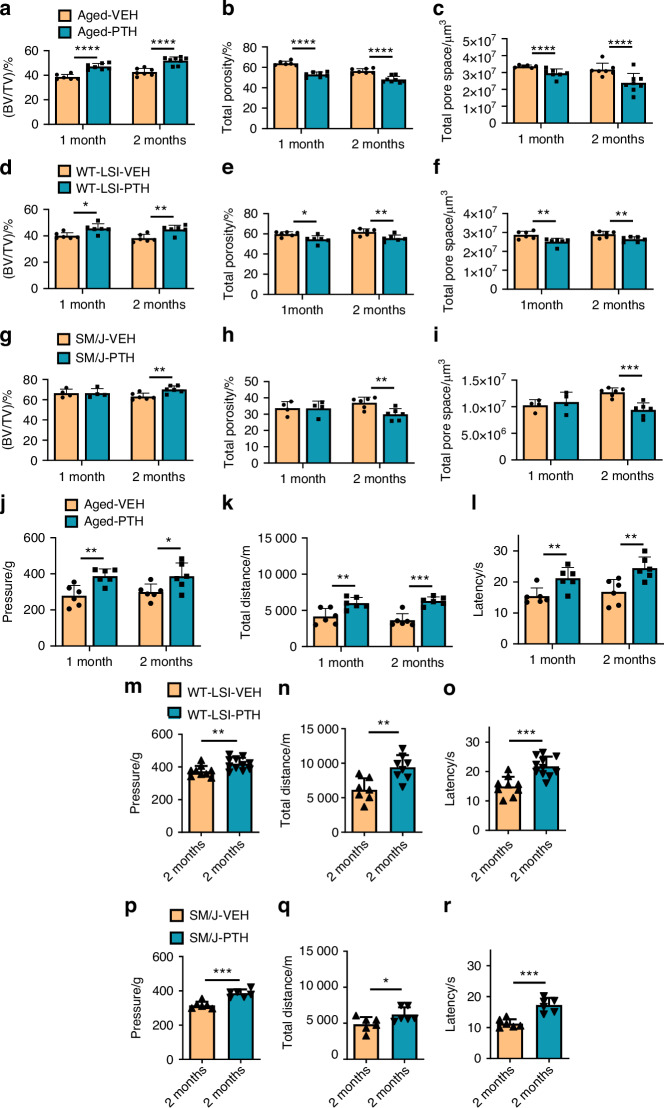 Figure 1
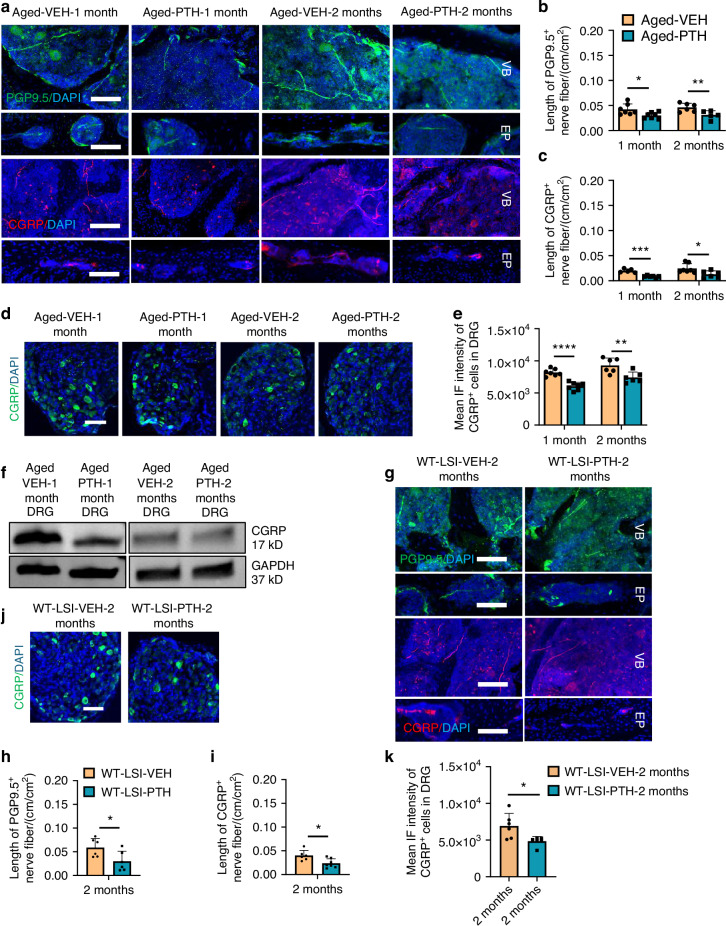 Figure 2
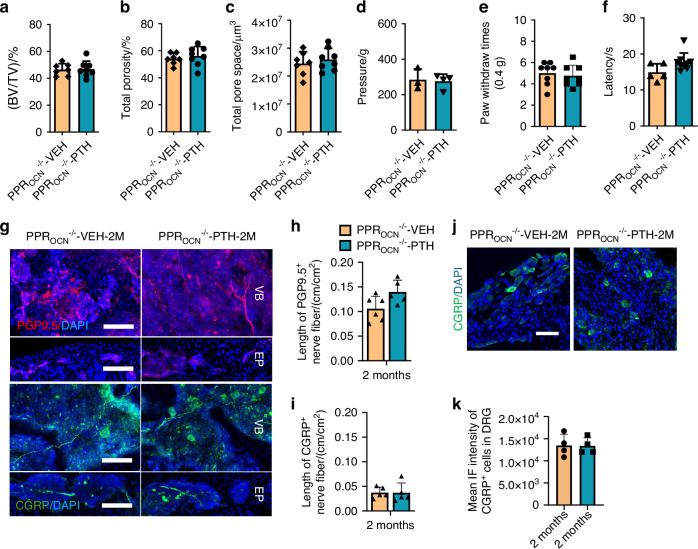 Figure 3
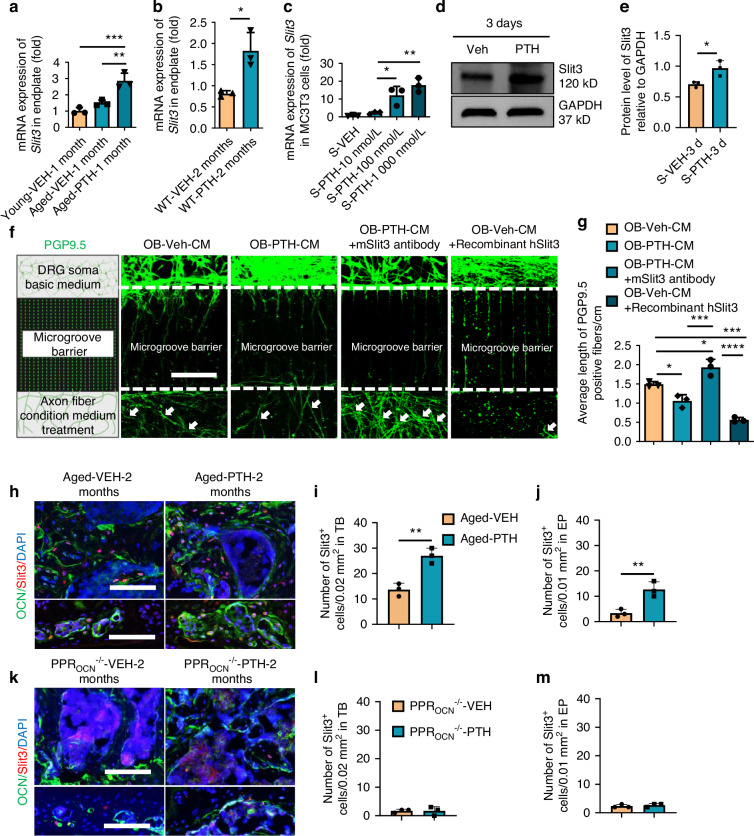 Figure 4
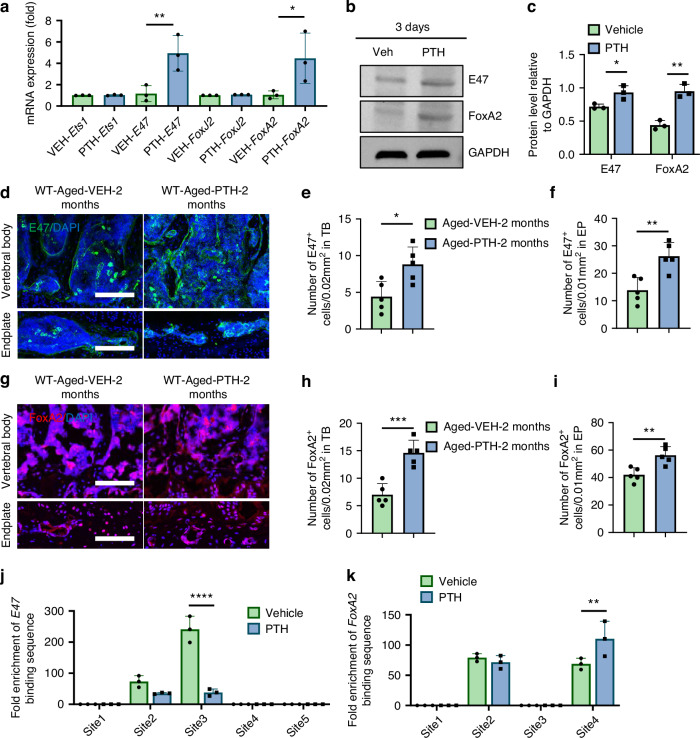 Figure 5
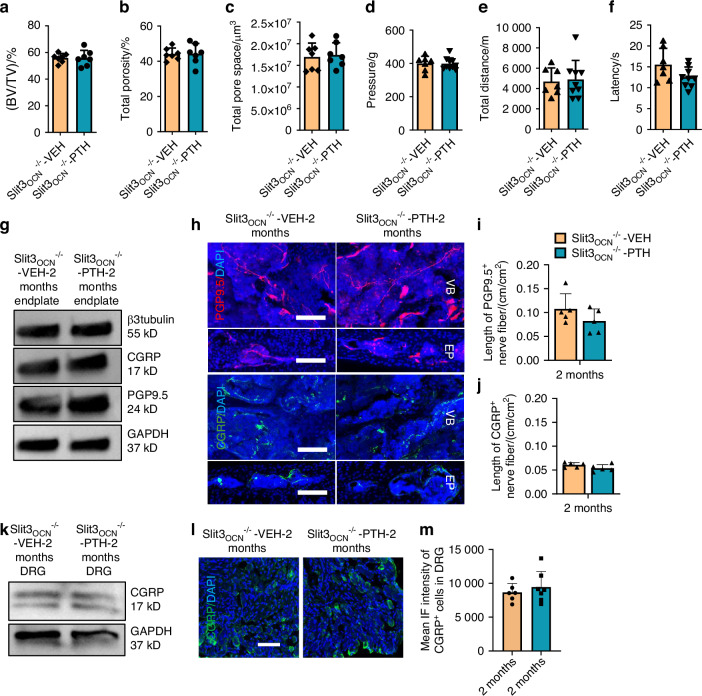 Figure 6
Peer Reviews
No public reviews on file for this paper yet. If you reviewed it on a platform where reviews are public (OpenReview, ICLR, NeurIPS, ICML), you can paste yours below so the community can read it here.
Videos
No videos yet. Explain this paper in a talk, walkthrough, or lecture? Add one.
Taxonomy
TopicsAxon Guidance and Neuronal Signaling · Nerve injury and regeneration · Pregnancy-related medical research