SNRPA upregulation promotes mitochondrial function and drives CRPC aggressiveness
Xiao-long Liu, Lu Jin, Yong-qiang Yang, Mei-hua Lu, Bo-xin Xue

TL;DR
This study shows that SNRPA promotes aggressive prostate cancer by enhancing mitochondrial function and suggests it as a potential therapeutic target.
Contribution
The study identifies SNRPA as a novel driver of castration-resistant prostate cancer progression through mitochondrial regulation.
Findings
SNRPA overexpression correlates with poor outcomes and aggressive prostate cancer.
SNRPA depletion reduces CRPC cell proliferation, migration, and mitochondrial activity.
Targeting SNRPA inhibits tumor growth and alters redox balance in xenograft models.
Abstract
Identifying novel molecular targets for castration-resistant prostate cancer (CRPC) is crucial. This study examines the expression and functional role of small nuclear ribonucleoprotein polypeptide A (SNRPA), a core component of the U1 snRNP complex, in CRPC. Bioinformatics analyses indicate a positive correlation between SNRPA overexpression and the aggressiveness of prostate cancer, with high levels linked to poor outcomes. Single-cell RNA data further shows increased SNRPA expression in prostate cancer cells. Expression of SNRPA is also elevated in both locally-treated CRPC tissues and various CRPC cells. Knockdown via shRNA or knockout using CRISPR/Cas9 significantly reduced cellular proliferation, migration, and invasion in CRPC cells, while inducing apoptosis. SNRPA depletion decreased complex I activity, ATP production, and mitochondrial membrane potential, increased reactive…
Genes, proteins, chemicals, diseases, species, mutations and cell lines named across the full text — each resolved to its canonical identifier and authoritative record.
Click any figure to enlarge with its caption.
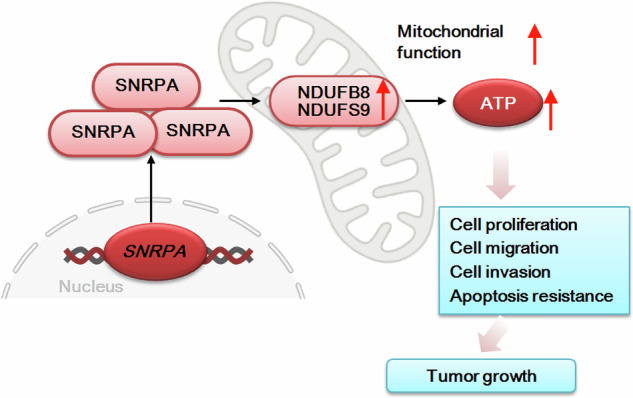 Figure 10
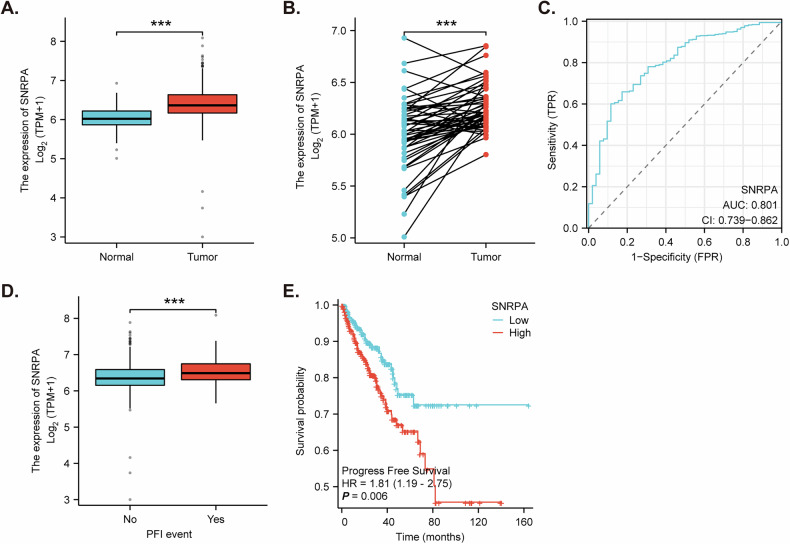 Figure 1
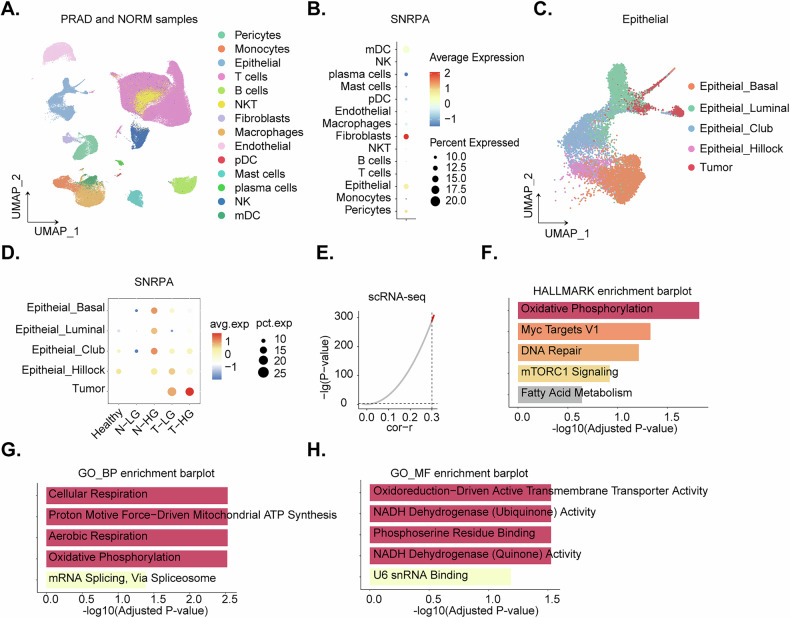 Figure 2
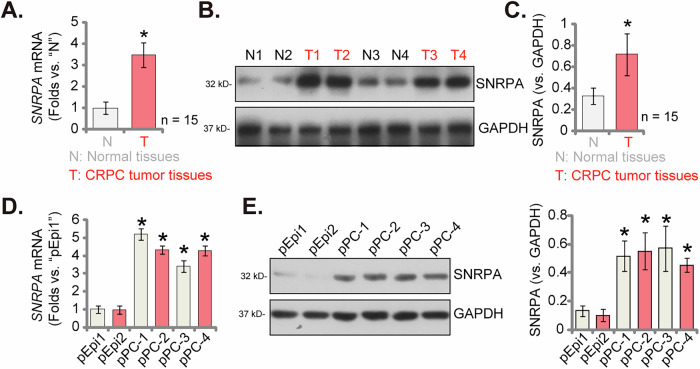 Figure 3
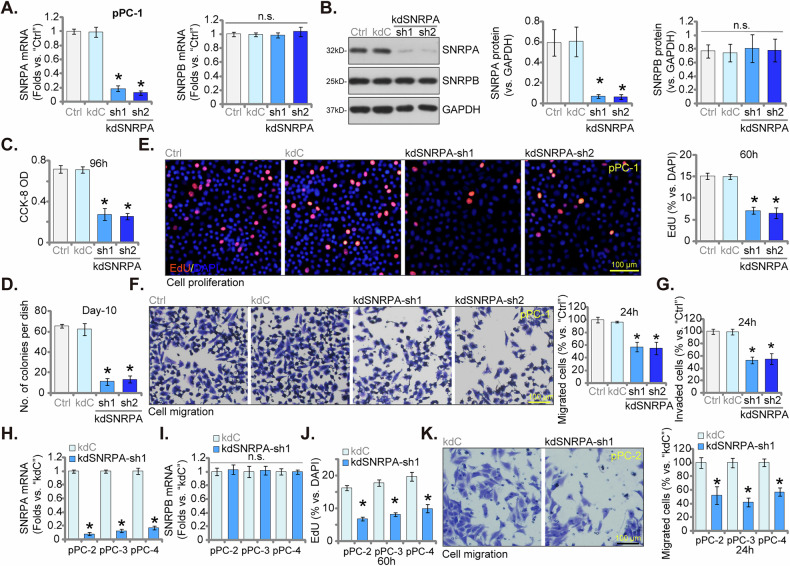 Figure 4
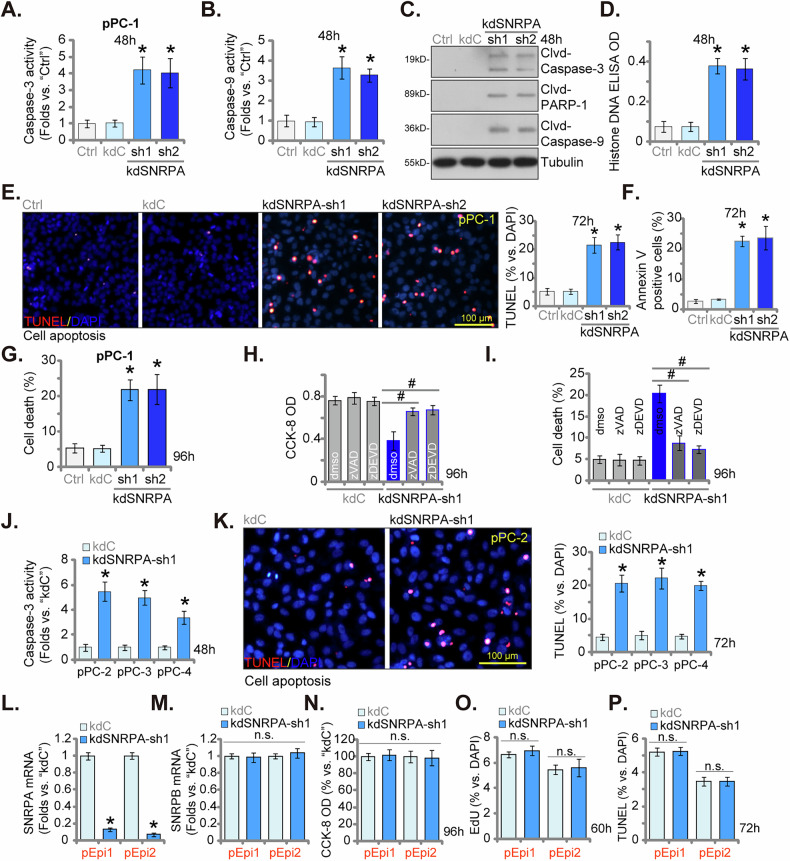 Figure 5
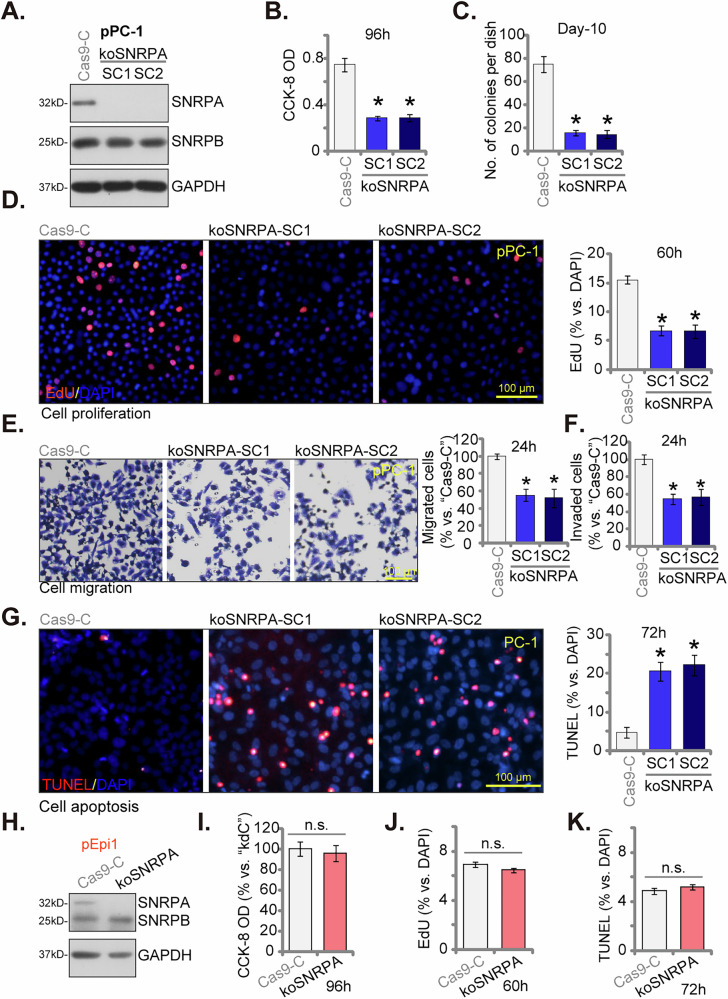 Figure 6
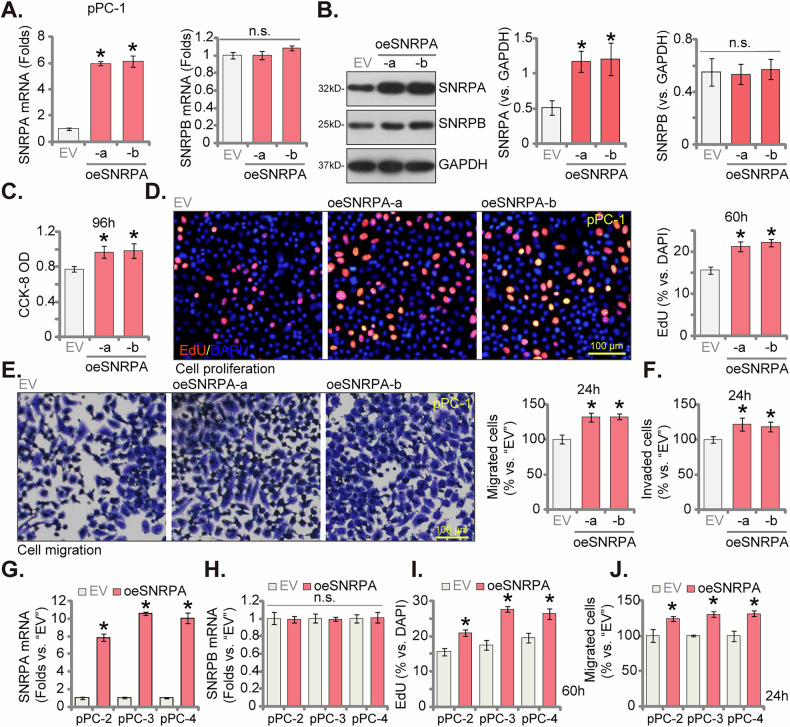 Figure 7
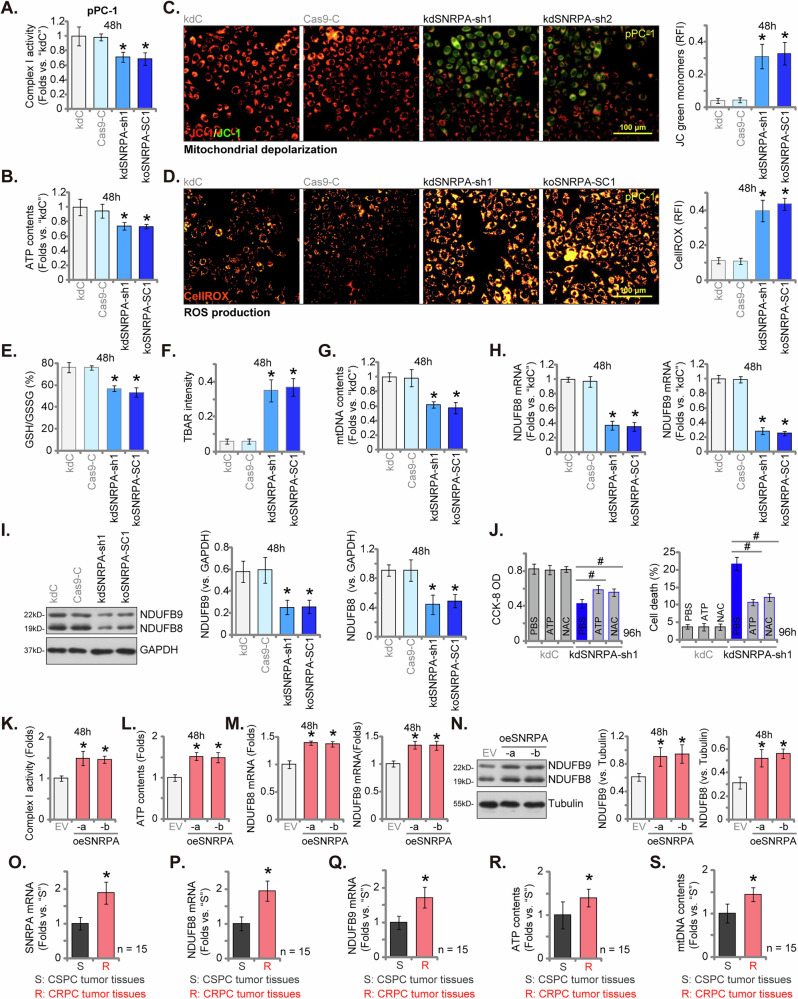 Figure 8
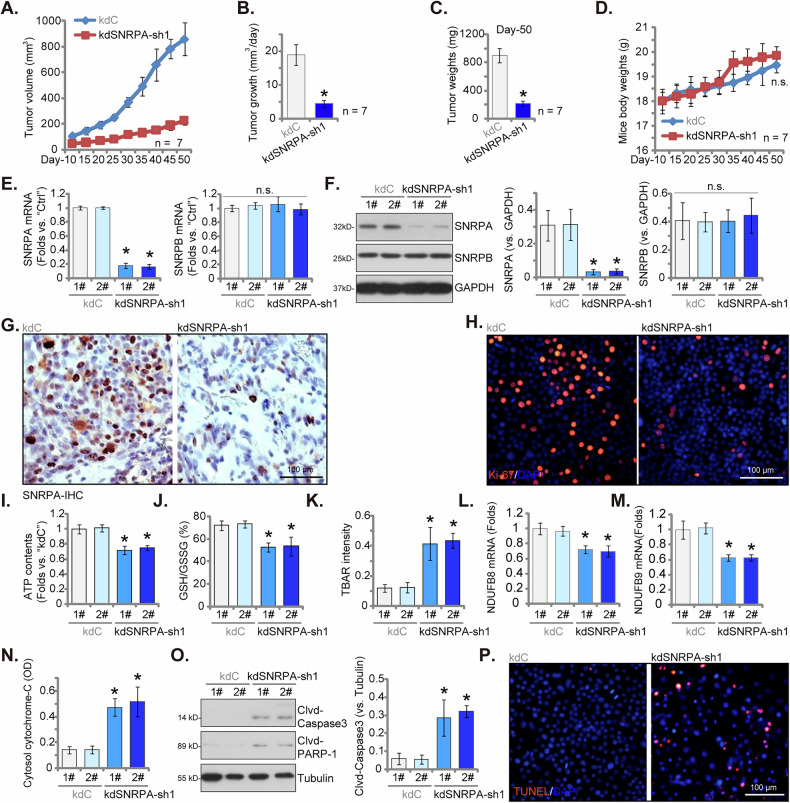 Figure 9
Peer Reviews
No public reviews on file for this paper yet. If you reviewed it on a platform where reviews are public (OpenReview, ICLR, NeurIPS, ICML), you can paste yours below so the community can read it here.
Videos
No videos yet. Explain this paper in a talk, walkthrough, or lecture? Add one.
Taxonomy
TopicsRNA Research and Splicing · Prostate Cancer Treatment and Research · Cancer-related molecular mechanisms research