A general strategy for generating expert-guided, simplified views of ontologies
Anita R. Caron, Aleix Puig-Barbe, Ellen M. Quardokus, James P. Balhoff, Jasmine Belfiore, Nana-Jane Chipampe, Josef Hardi, Bruce W. Herr, Huseyin Kir, Paola Roncaglia, Mark A. Musen, Helen Parkinson, James A. McLaughlin, Katy Börner, David Osumi-Sutherland

TL;DR
This paper introduces tools to simplify complex biomedical ontologies for specific applications, using expert guidance to ensure compatibility and ease of use.
Contribution
The paper introduces tools for validating expert-curated term hierarchies against ontology structures to simplify and adapt ontologies for specific use cases.
Findings
Tools were developed to validate curated term hierarchies against ontology structures.
The approach was validated using the HuBMAP Human Reference Atlas and the Human Developmental Cell Atlas as use cases.
The tools provide statistical and graphical outputs to aid in conflict resolution and discussion.
Abstract
Annotation of biomedical entities with widely used, well-structured ontologies and ontology-aware tools ensures data and analyses are Findable, Accessible, Interoperable, and Reusable (FAIR). Standardized terms with synonyms support lexical search, while ontology structure enables biologically meaningful grouping of annotations, such as by location and type. However, ontologies serving diverse communities are often more complex than needed for specific applications, creating barriers to adoption by researchers and resource developers. For example, cell atlases often attempt simplifications by manually building term hierarchies linking to cell type and anatomy ontologies, but these may include relationship types unsuitable for grouping annotations. We present tools for validating human expert curated term hierarchies, developed in two human reference atlas projects, against ontology…
Genes, proteins, chemicals, diseases, species, mutations and cell lines named across the full text — each resolved to its canonical identifier and authoritative record.
Click any figure to enlarge with its caption.
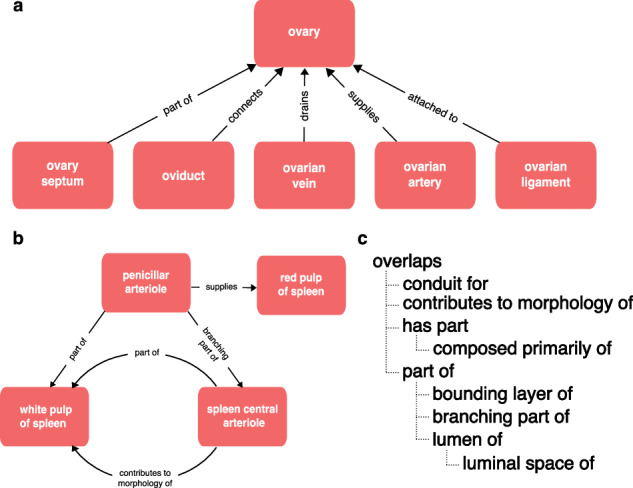 Figure 1
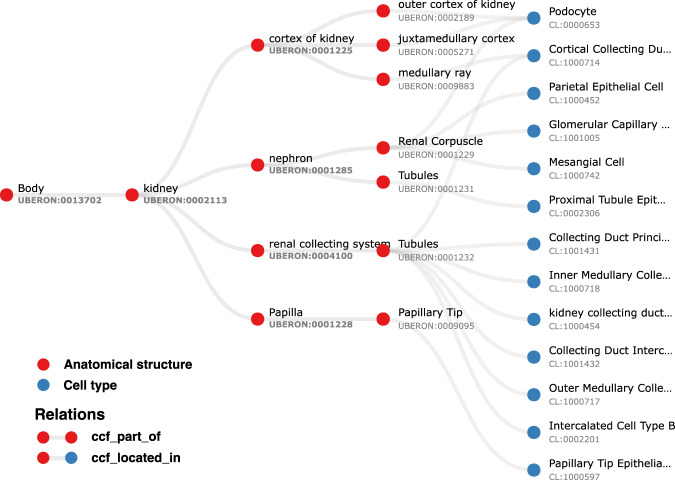 Figure 2
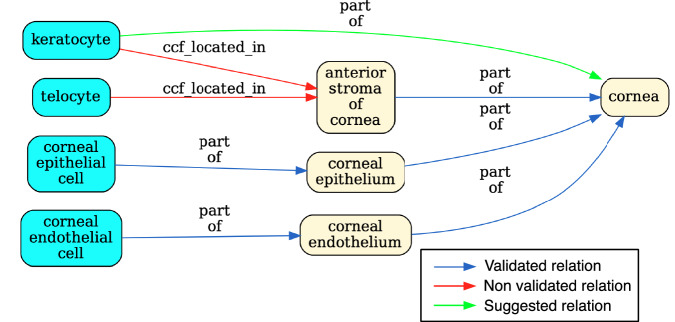 Figure 3
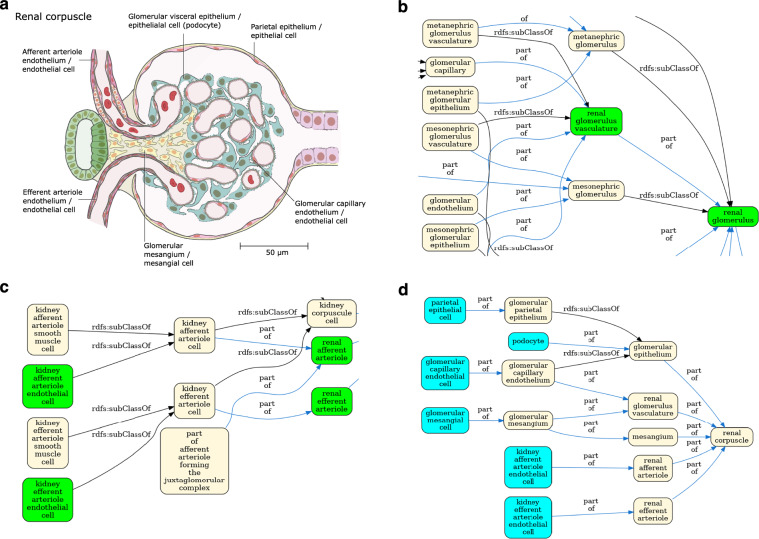 Figure 4
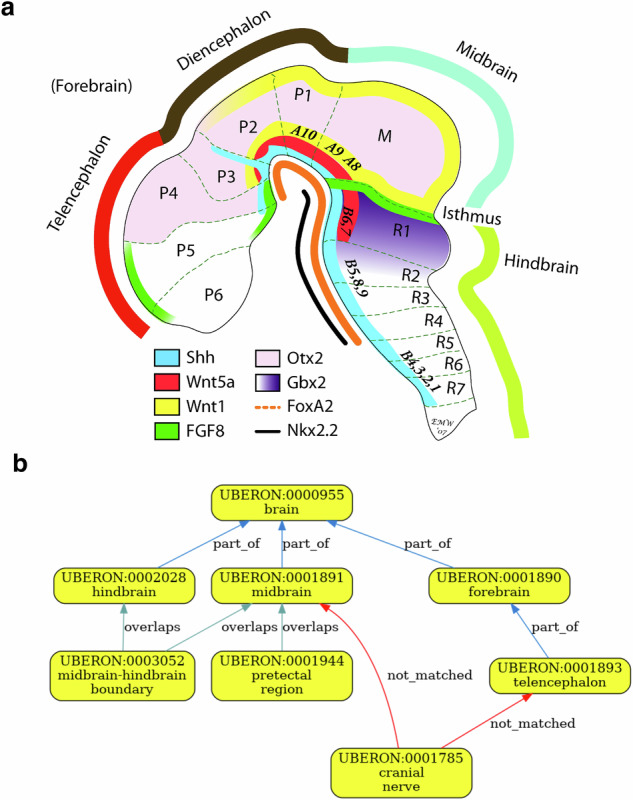 Figure 5
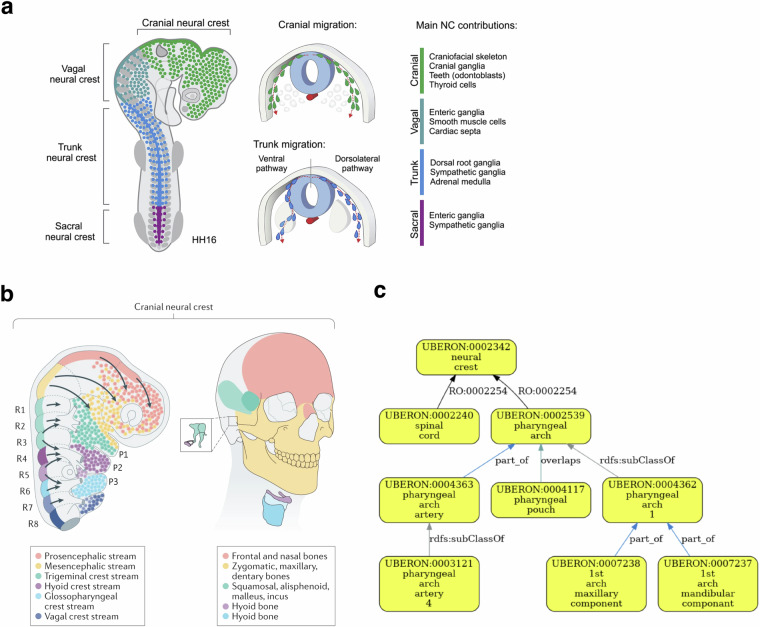 Figure 6
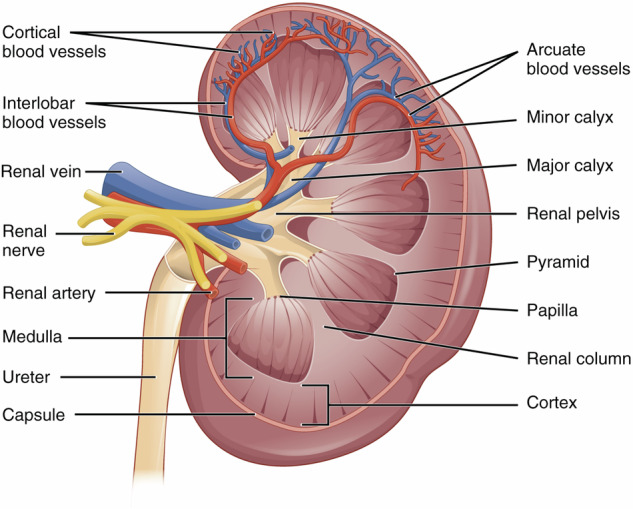 Figure 7
Peer Reviews
No public reviews on file for this paper yet. If you reviewed it on a platform where reviews are public (OpenReview, ICLR, NeurIPS, ICML), you can paste yours below so the community can read it here.
Videos
No videos yet. Explain this paper in a talk, walkthrough, or lecture? Add one.
Taxonomy
TopicsBiomedical Text Mining and Ontologies · Single-cell and spatial transcriptomics · Cell Image Analysis Techniques