Managing Late and Long-Term Effects Among Swedish Adolescents and Young Adults Affected by Cancer Following a Wilderness Intervention: Reconnecting with Self and Meaning Through Nature’s Unconditional Presence – A Qualitative Study
Heléne Dahlqvist, Ann Ekdahl, Emma Wiklund, Mats Jong, Sveinung Berntsen, Carina Ribe Fernee, Miek C. Jong

TL;DR
This study explores how young cancer survivors in Sweden use nature to manage long-term effects of cancer beyond structured programs, finding that nature helps them reconnect with themselves and find meaning.
Contribution
The study reveals how nature supports AYAs in managing late effects of cancer through personal, sustainable, and meaningful engagement beyond formal interventions.
Findings
Nature helps AYAs achieve inner balance through mindfulness and calmness.
Nature acts as a meaningful companion by sparking hope and providing a space free from obligations.
Engaging with nature offers a low-threshold, accessible approach to well-being and rehabilitation.
Abstract
Adolescents and Young Adults (AYAs) affected by cancer are at risk of experiencing late and long-term effects following cancer diagnosis and treatment. While structured interventions have demonstrated potential benefits for well-being during the intervention itself, little is known about how AYAs affected by cancer engage with and experience nature in their everyday lives beyond the formal program context. The aim of this study was to explore how a selected group of AYAs affected by cancer—who had participated in a nature-based intervention (the WAYA program)—experience nature and its role in supporting and managing late and long-term effects of cancer and its treatment, beyond the context of the program itself. This qualitative study explored the experiences of nature following the WAYA intervention among AYAs affected by cancer. Data were collected by focus group interviews at a…
Genes, proteins, chemicals, diseases, species, mutations and cell lines named across the full text — each resolved to its canonical identifier and authoritative record.
Click any figure to enlarge with its caption.
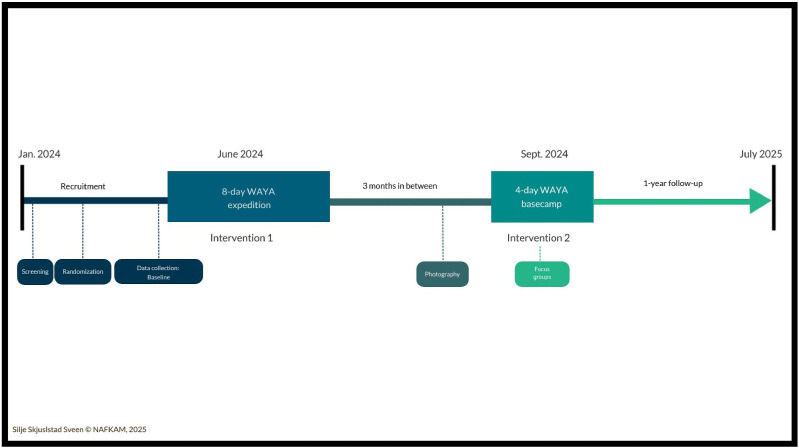 Figure 1
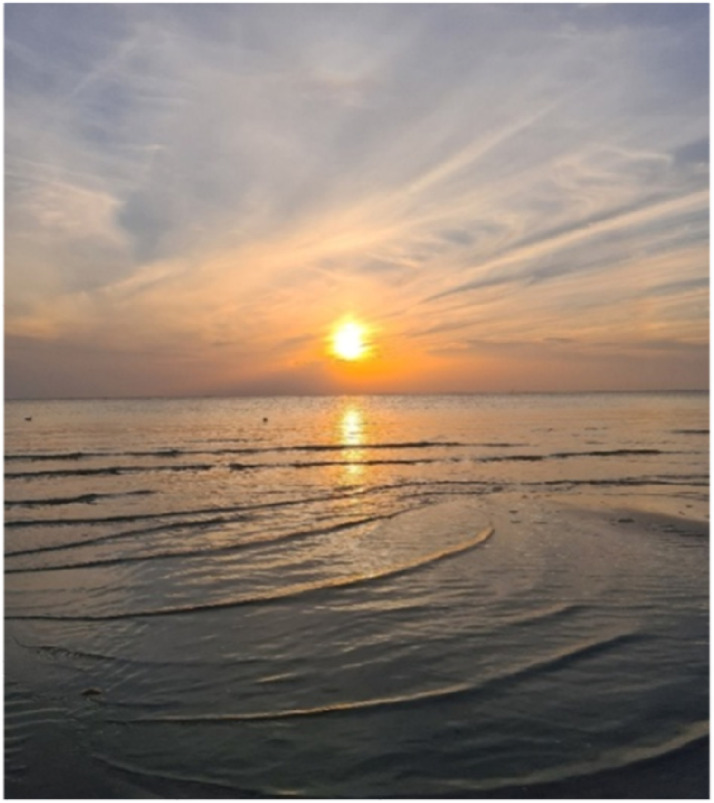 Figure 2
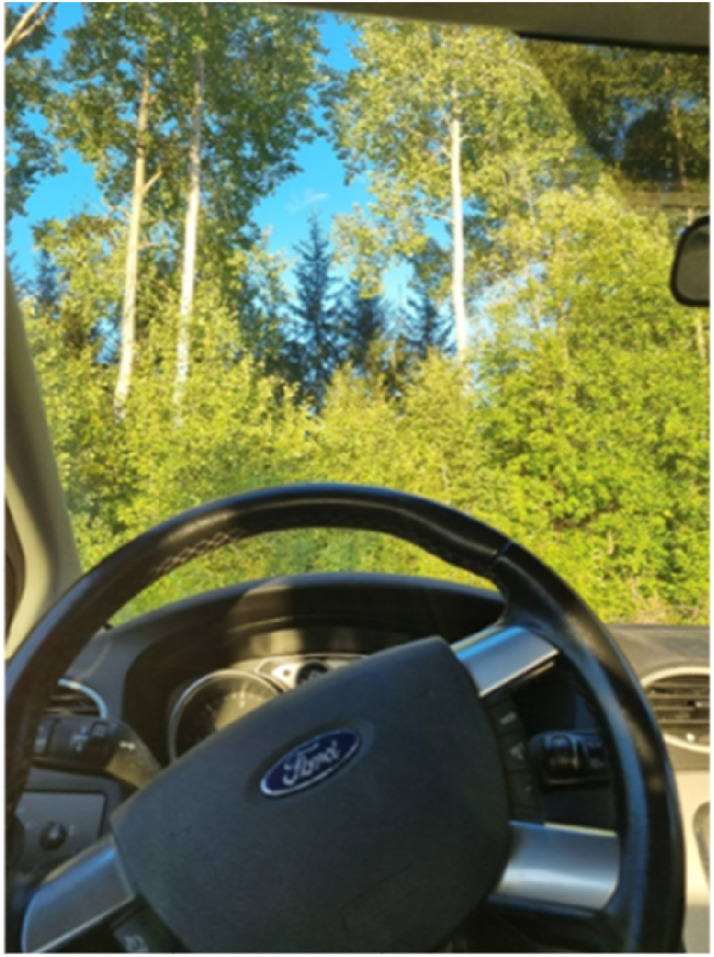 Figure 3
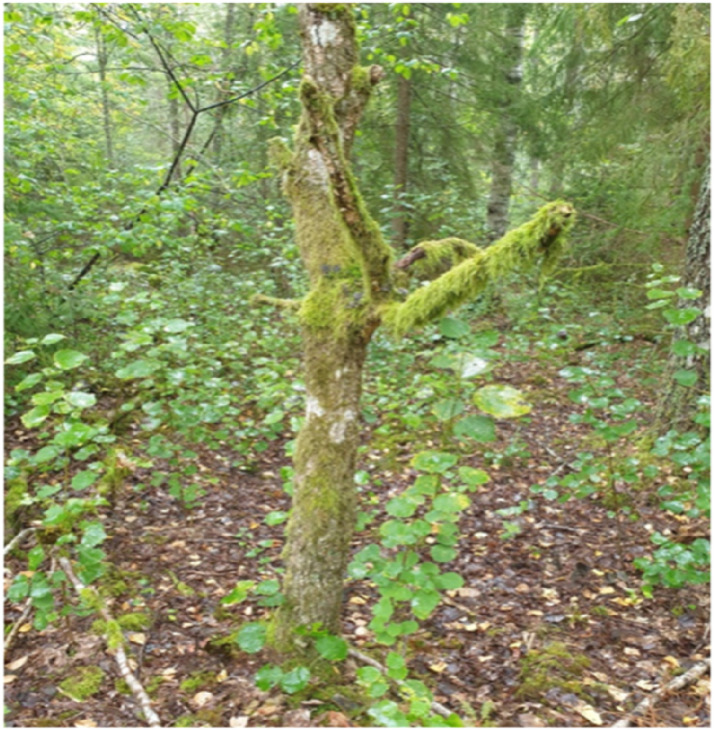 Figure 4
 Figure 5
 Figure 6
 Figure 7
 Figure 8
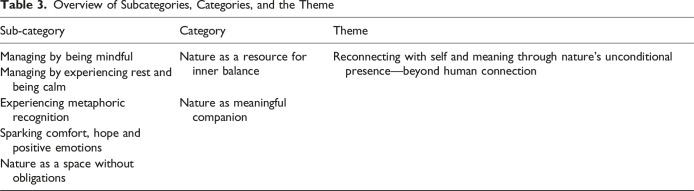 Figure 9
Peer Reviews
No public reviews on file for this paper yet. If you reviewed it on a platform where reviews are public (OpenReview, ICLR, NeurIPS, ICML), you can paste yours below so the community can read it here.
Videos
No videos yet. Explain this paper in a talk, walkthrough, or lecture? Add one.
Taxonomy
TopicsChildhood Cancer Survivors' Quality of Life · Acute Lymphoblastic Leukemia research · Cancer survivorship and care