Reduction of pruritus and depression using longitudinal patient-reported outcome measures in hemodialysis: a quality improvement project
Luis Naar, Sebastian Mussnig, Janosch Niknam, Florian Brosch, Simon Krenn, Christopher C. Mayer, Joachim Beige, Manfred Hecking

TL;DR
Using repeated patient reports in hemodialysis improved detection and treatment of itching and depression, enhancing care and patient-nurse agreement.
Contribution
A quality improvement project using PROMs in a PDAS framework to systematically address CKD-aP and depression in HD patients.
Findings
32% of patients vs. 9% of nurses reported pruritus at baseline, with improved agreement after PROMs implementation.
Difelikefalin reduced itch severity by 3 points (p < 0.001) in 16 patients, and psychiatric referrals reduced depression scores by 4.5 points (p = 0.015).
Patient and nurse satisfaction with assessments increased from 38% to 67% and 55% to 75%, respectively.
Abstract
Chronic kidney disease–associated pruritus (CKD-aP) and depression are common but often underrecognized and undertreated in hemodialysis (HD) patients, lowering quality of life and worsening outcomes. To evaluate whether the systematic, repeated collection of patient-reported outcome measures (PROMs) integrated into a Plan-Do-Act-Study (PDAS) framework could enhance recognition of CKD-aP and depression and guide treatment. 127 adult patients receiving thrice-weekly in-center HD were included. PROMs were captured electronically at predefined phases. During Adjustment phases, individualized symptom reports were reviewed by physicians, prompting initiation of difelikefalin for CKD-aP or referral to psychiatric care for depressive symptoms. Changes in itch (Worst-Itch Numerical Rating Scale, WI-NRS) and depression (Patient Health Questionnaire-9, PHQ-9) and concordance between patients…
Genes, proteins, chemicals, diseases, species, mutations and cell lines named across the full text — each resolved to its canonical identifier and authoritative record.
Click any figure to enlarge with its caption.
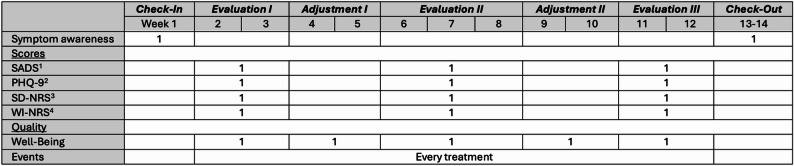 Figure 1
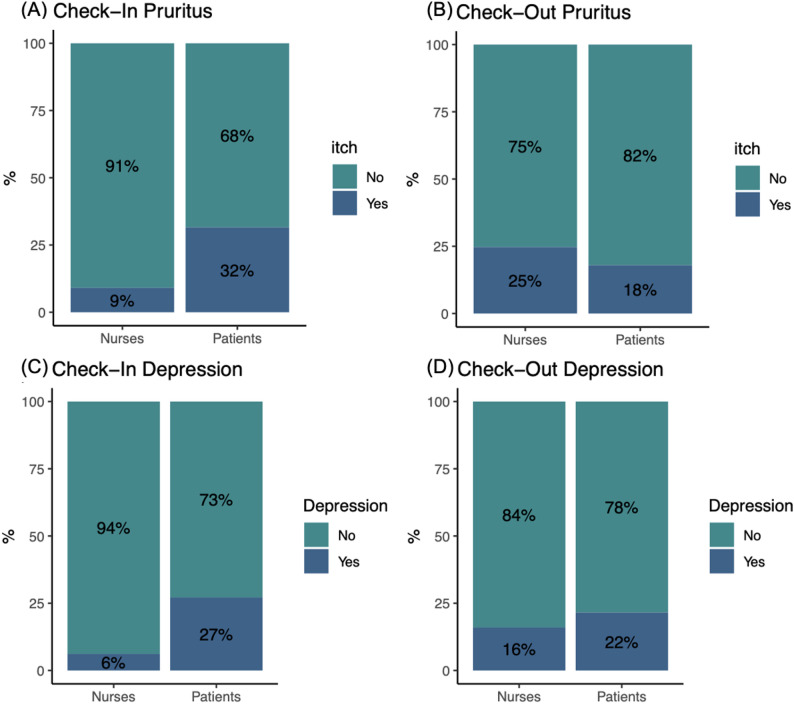 Figure 2
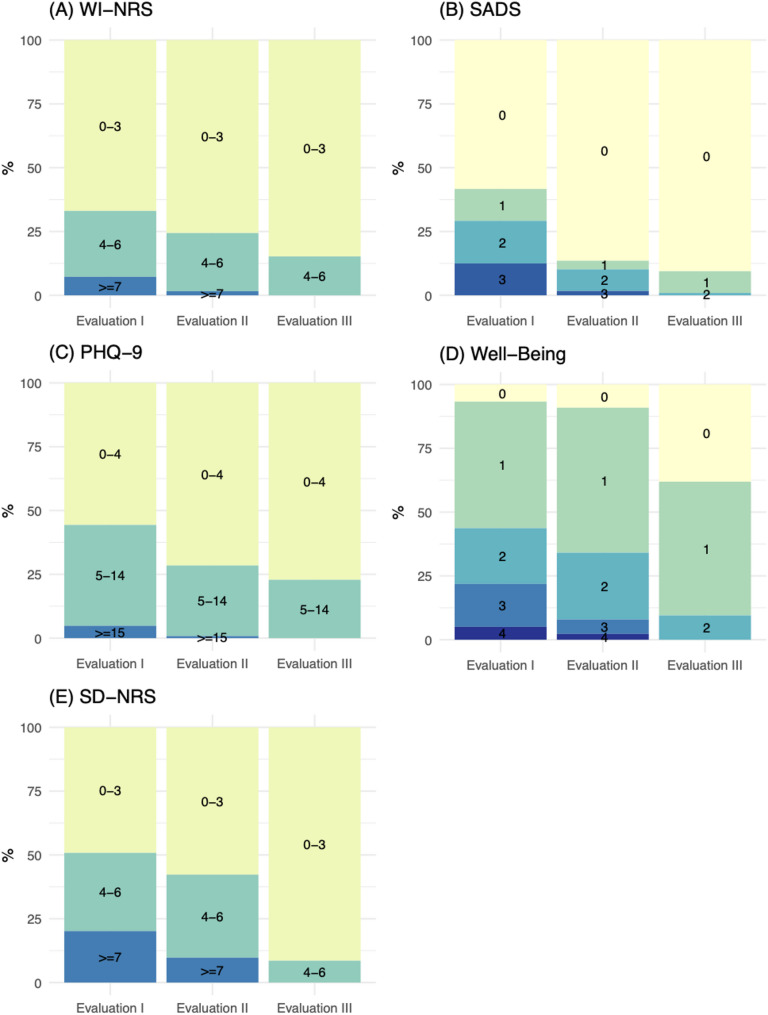 Figure 3
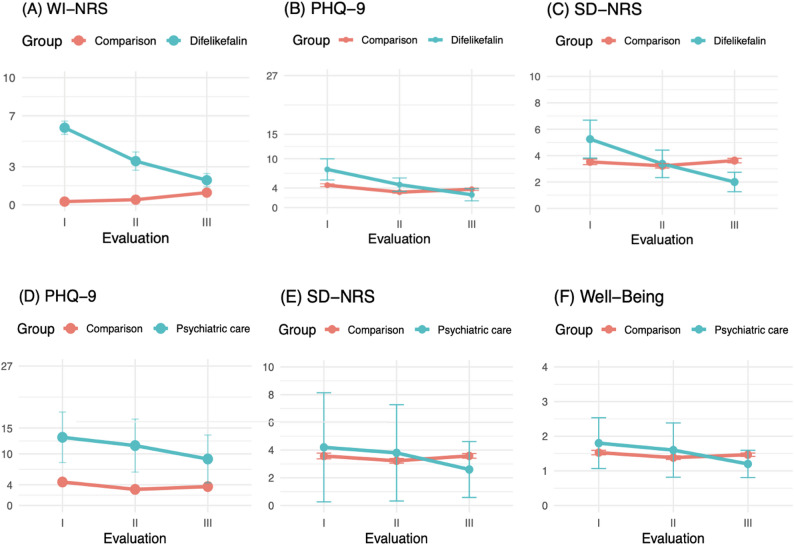 Figure 4
Peer Reviews
No public reviews on file for this paper yet. If you reviewed it on a platform where reviews are public (OpenReview, ICLR, NeurIPS, ICML), you can paste yours below so the community can read it here.
Videos
No videos yet. Explain this paper in a talk, walkthrough, or lecture? Add one.
Taxonomy
TopicsDermatology and Skin Diseases · Psoriasis: Treatment and Pathogenesis · Dialysis and Renal Disease Management