Elastic, load-bearing and autoclavable protein-based graft for coronary revascularization
Federica Sallustio, Ikram El Maachi, Dominic Pascal Andre, Alexander Loewen, Amanda Schmidt, Stefan Ruetten, Marius Heitzer, Stefan Jockenhoevel, José Carlos Rodríguez-Cabello, Alicia Fernández-Colino

TL;DR
Scientists created a synthetic, small-diameter vascular graft that mimics natural arteries and could replace autologous grafts in coronary surgery.
Contribution
A new protein-based graft was developed that is autoclavable, load-bearing, and suitable for coronary revascularization.
Findings
The graft replicated the mechanical performance of autografts in suture retention and compliance.
It supported endothelial monolayer formation and allowed successful in vitro anastomosis to a human vessel.
The graft is morphologically homogeneous and maintains luminal patency.
Abstract
Autologous grafts, such as the internal mammary artery and saphenous vein, are considered the gold standard for coronary artery bypass. However, there is a critical need for small diameter vascular grafts to meet the demands of coronary artery disease patients, as limitations become especially pronounced due to the extremely small caliber of target vessels. Therefore, we designed and manufactured a miniaturized, autoclavable and synthetic-free vascular graft, composed of elastin-like recombinamers hydrogel and native-like silk fibroin textile to ensure an optimal biological integration and mechanical performance, according to ISO 7198 guideline. The construct demonstrated consistent morphological homogeneity and maintained luminal patency throughout its length. The graft was able to replicate the mechanical performance of the autografts in terms of suture retention and compliance and…
Genes, proteins, chemicals, diseases, species, mutations and cell lines named across the full text — each resolved to its canonical identifier and authoritative record.
Click any figure to enlarge with its caption.
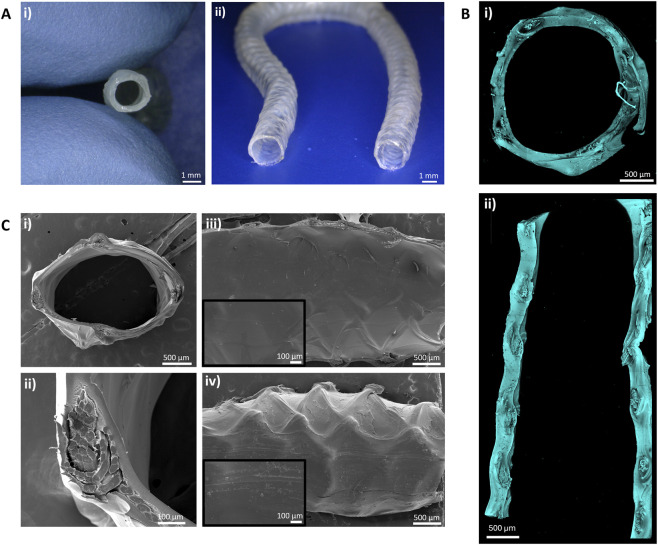 Figure 1
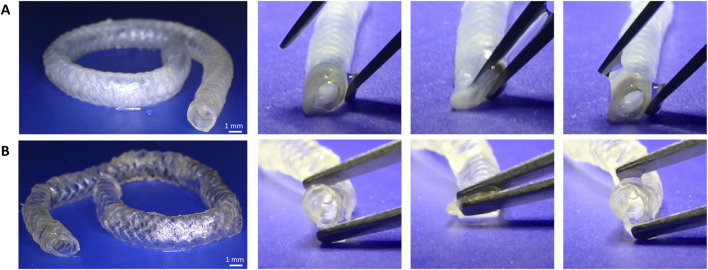 Figure 2
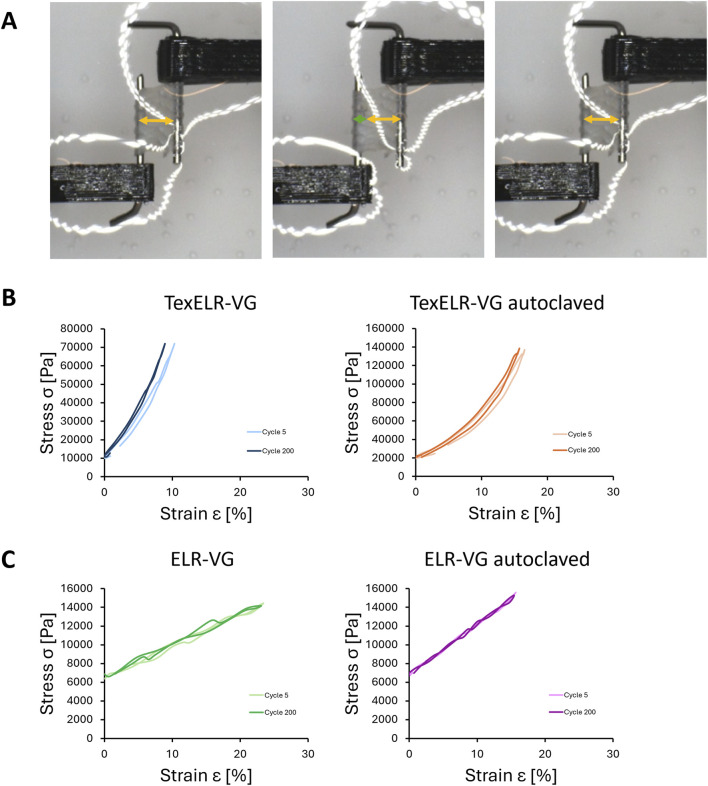 Figure 3
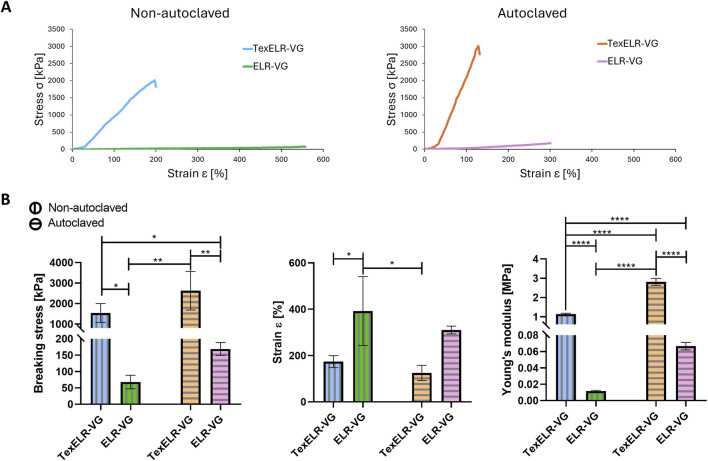 Figure 4
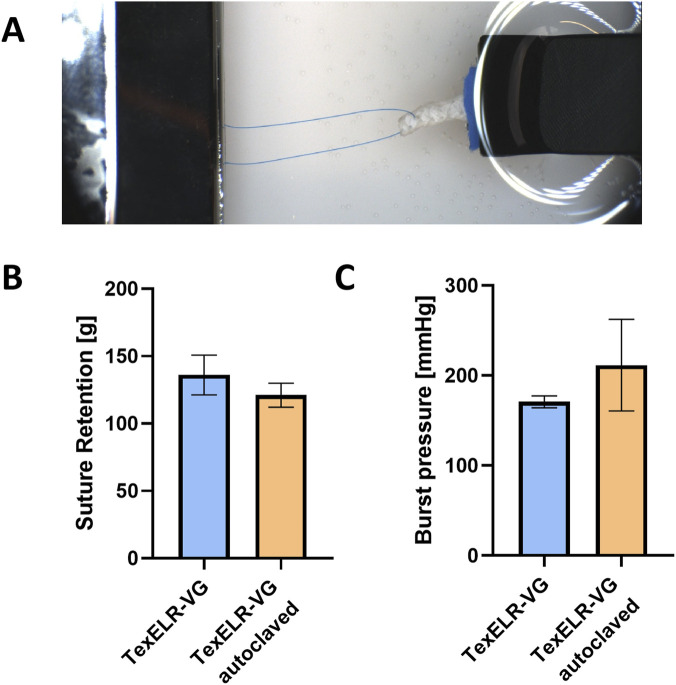 Figure 5
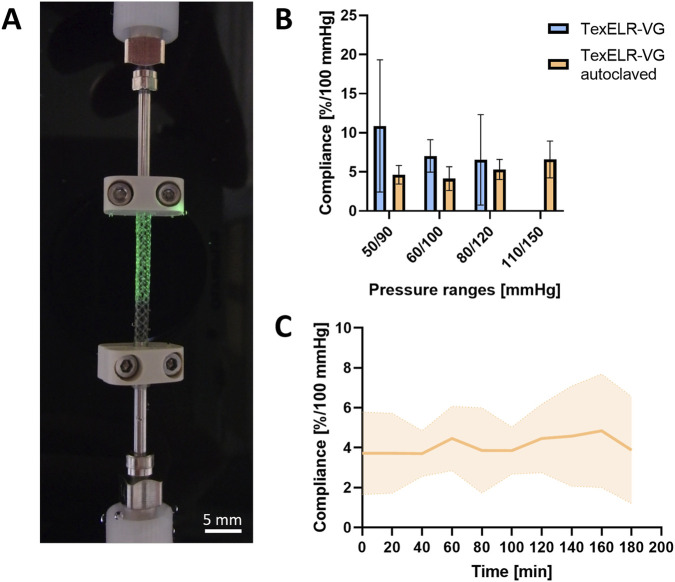 Figure 6
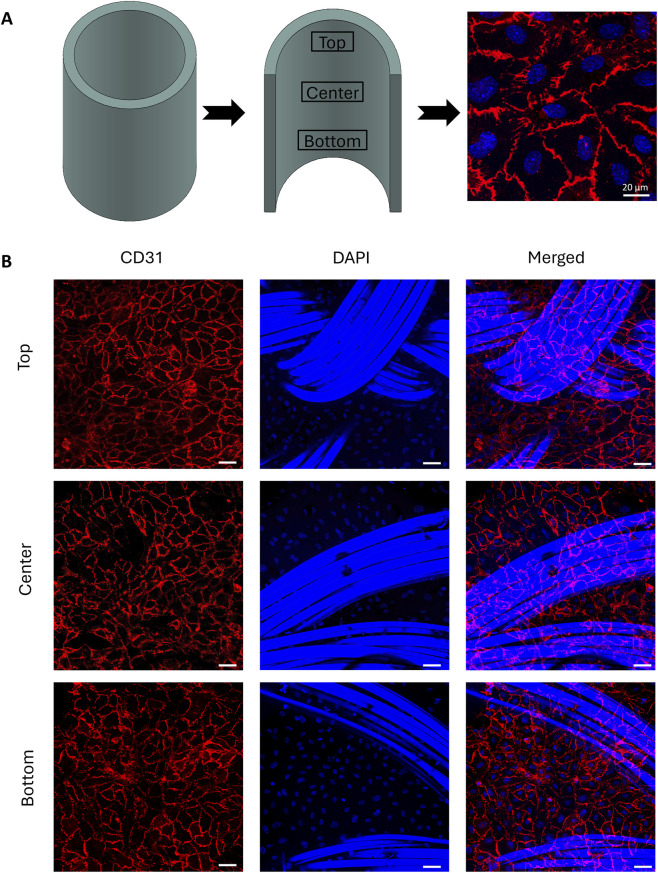 Figure 7
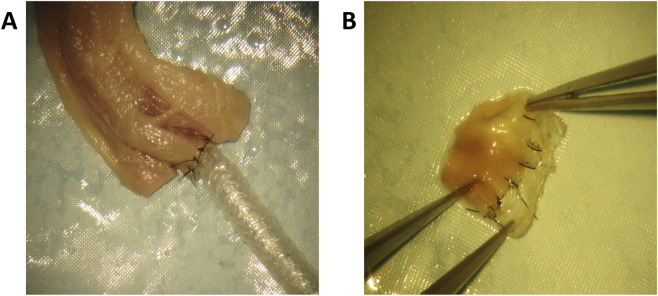 Figure 8
Peer Reviews
No public reviews on file for this paper yet. If you reviewed it on a platform where reviews are public (OpenReview, ICLR, NeurIPS, ICML), you can paste yours below so the community can read it here.
Videos
No videos yet. Explain this paper in a talk, walkthrough, or lecture? Add one.
Taxonomy
TopicsElectrospun Nanofibers in Biomedical Applications · Silk-based biomaterials and applications · Tissue Engineering and Regenerative Medicine