Multimodal machine learning to predict response to ultrasound-guided botulinum and vibration therapy in muscle spasticity a clinical and imaging correlation study
Hu Chen, Jingyuan Lin, Huini Lu

TL;DR
This study uses machine learning to predict how well ultrasound-guided botulinum toxin and vibration therapy work together to treat muscle spasticity after stroke.
Contribution
The novel contribution is a multimodal machine learning model that combines clinical and imaging data to predict treatment response in spasticity management.
Findings
Combined botulinum toxin and vibration therapy improved spasticity and functional outcomes more than botulinum toxin alone.
A neural network model achieved the highest predictive accuracy (AUC = 0.87) for treatment response.
Ultrasound biomarkers like muscle thickness and echo intensity were important features in the model but had limited direct correlation with clinical outcomes.
Abstract
Muscle spasticity remains a challenging motor complication following stroke. Although botulinum toxin (BTX) injection is widely accepted for the management of focal spasticity, therapeutic responses vary considerably among individuals. Vibration therapy has been proposed as a complementary modality; however, predictive models that integrate clinical and imaging features to anticipate treatment response remain limited. To evaluate the clinical efficacy of ultrasound-guided botulinum toxin combined with vibration therapy in post-stroke spasticity management and to develop a multimodal machine learning model for individualized outcome prediction. A total of 200 participants were randomized to receive either BTX alone or BTX combined with vibration therapy. Clinical assessments—including the Modified Ashworth Scale (MAS), Fugl–Meyer Assessment (FMA), and Barthel Index (BI)—were conducted…
Genes, proteins, chemicals, diseases, species, mutations and cell lines named across the full text — each resolved to its canonical identifier and authoritative record.
Click any figure to enlarge with its caption.
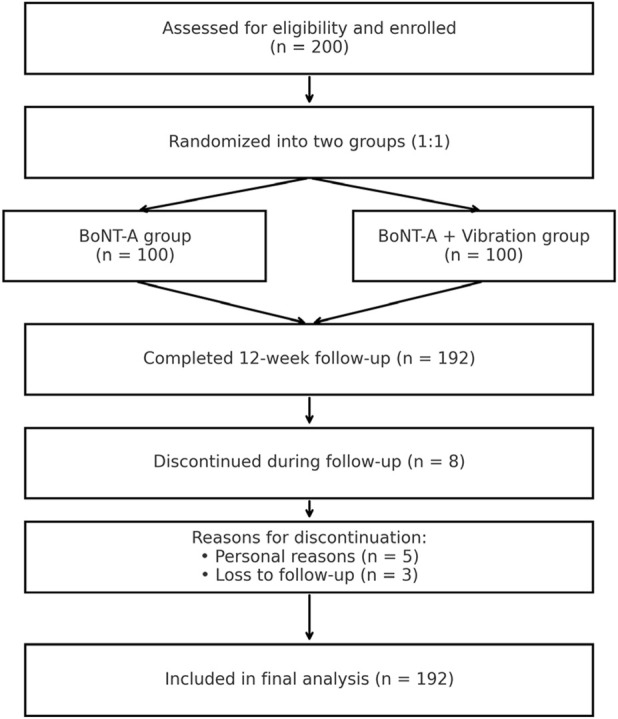 Figure 1
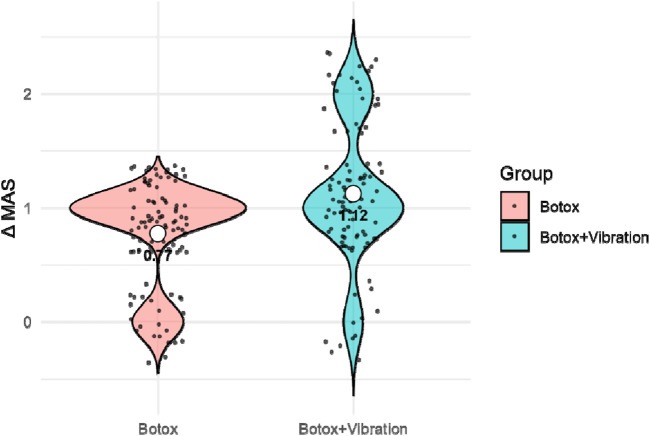 Figure 2
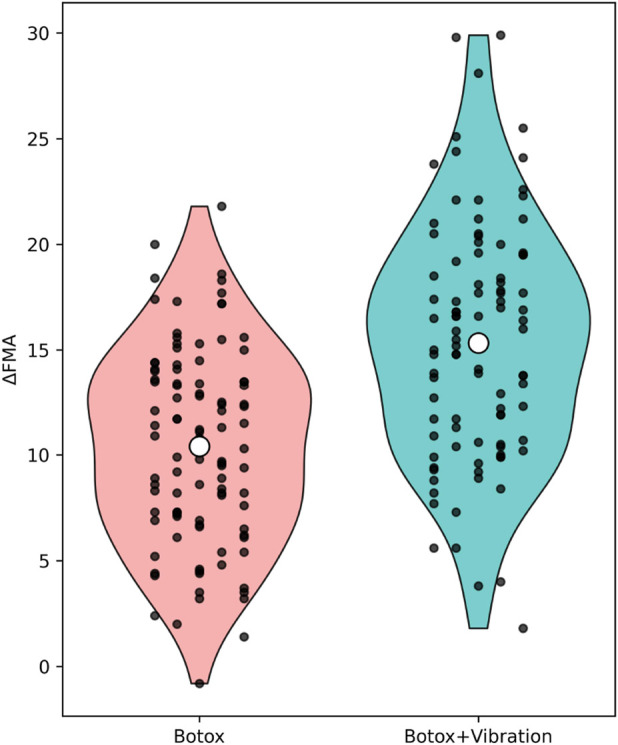 Figure 3
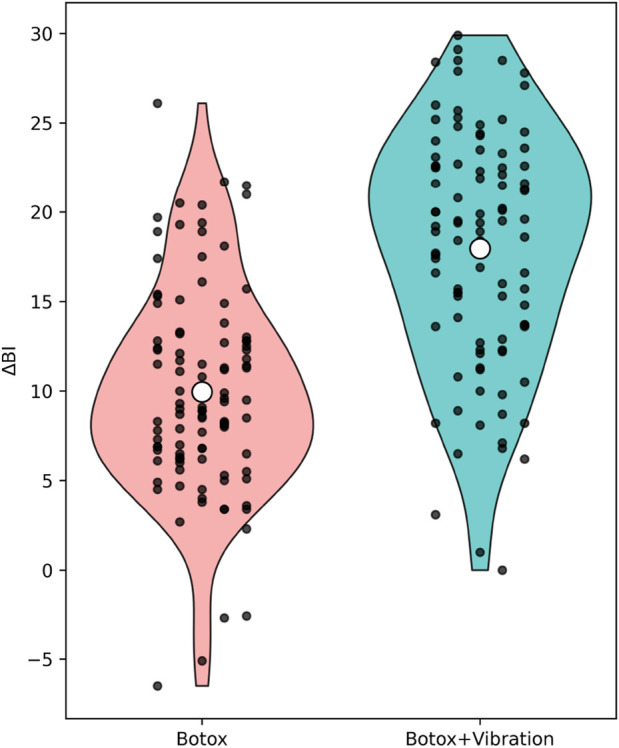 Figure 4
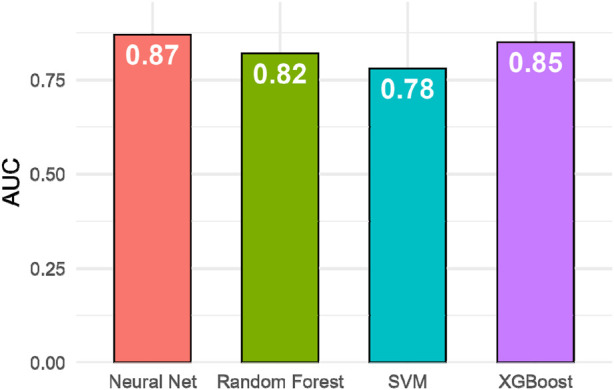 Figure 5
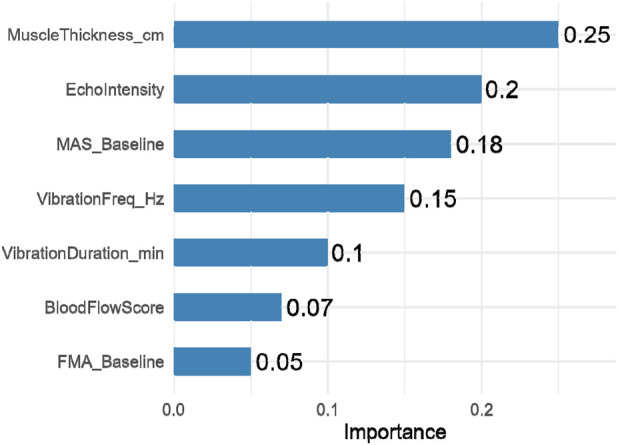 Figure 6
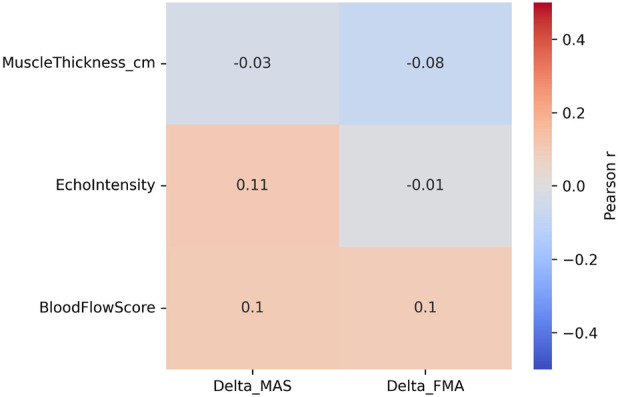 Figure 7
Peer Reviews
No public reviews on file for this paper yet. If you reviewed it on a platform where reviews are public (OpenReview, ICLR, NeurIPS, ICML), you can paste yours below so the community can read it here.
Videos
No videos yet. Explain this paper in a talk, walkthrough, or lecture? Add one.
Taxonomy
TopicsBotulinum Toxin and Related Neurological Disorders · Neurological disorders and treatments · Dysphagia Assessment and Management