Sustained STING-IRF7 signaling aggravates LPS-induced endometrial inflammation via excessive neutrophil extracellular traps generation
Min Chu, Ding Ma, Zhan Song, Li Liang, Fengjuan Xing, Hongchu Bao

TL;DR
This study shows that sustained STING-IRF7 signaling worsens endometrial inflammation by increasing neutrophil extracellular traps, suggesting targeting this pathway could help treat chronic endometritis.
Contribution
The study identifies a novel STING-IRF7-driven mechanism linking excessive NETs formation to chronic endometrial inflammation.
Findings
STING deficiency reduces NETs formation and myeloperoxidase activity in LPS-induced endometritis.
The STING-IRF7 axis regulates CD11b and LCN2, which promote neutrophil recruitment and NETosis.
STING deficiency reprograms the endometrial immune environment and restores HOXA10 expression.
Abstract
The stimulator of interferon genes (STING) is a central mediator of innate immune sensing and represents a critical regulator of chronic inflammation. Upon persistent infection, excessive neutrophil activation leads to the formation of neutrophil extracellular traps (NETs) that damage the tissues. However, the mechanism by which STING signaling regulates NETs formation under chronic inflammatory conditions remains poorly understood. In this study, using LPS-induced murine endometritis models in wild-type and STING-deficient mice, we demonstrated that STING deficiency significantly suppressed myeloperoxidase activity, and diminished NETs formation. We identified neutrophil surface molecular CD11b as a key downstream target of STING, whose expression was transcriptionally regulated via IRF7. Furthermore, the STING-IRF7 axis was found to drive lipocalin-2 (LCN2) expression, which acted…
Genes, proteins, chemicals, diseases, species, mutations and cell lines named across the full text — each resolved to its canonical identifier and authoritative record.
Click any figure to enlarge with its caption.
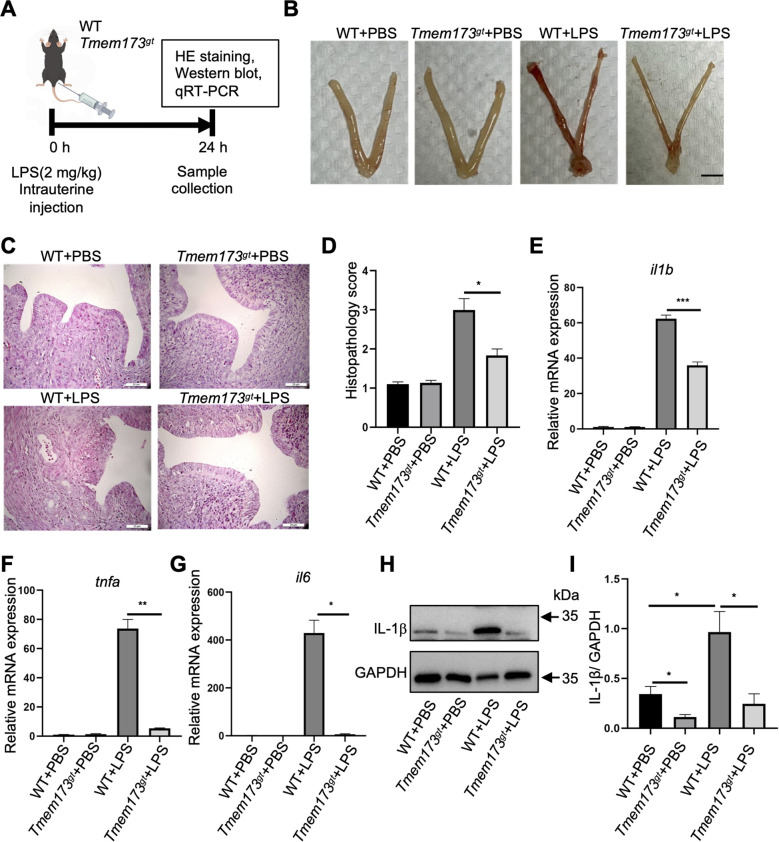 Figure 1
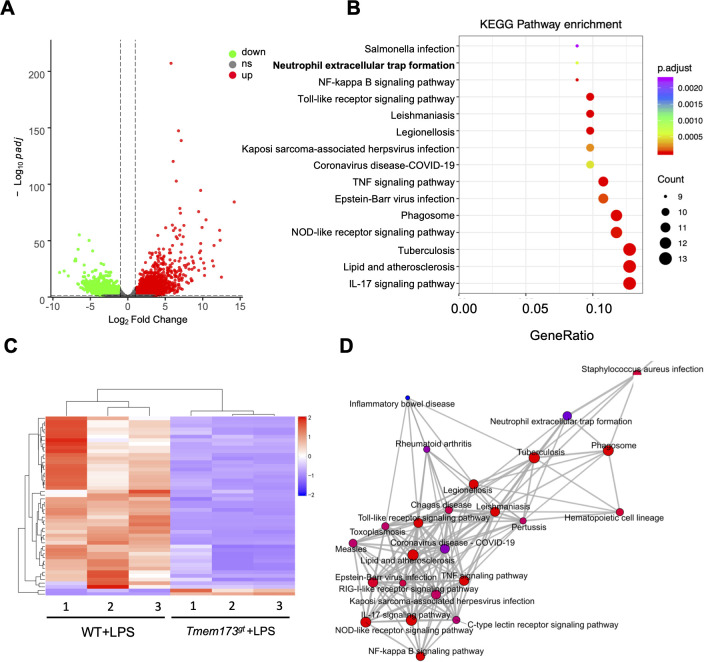 Figure 2
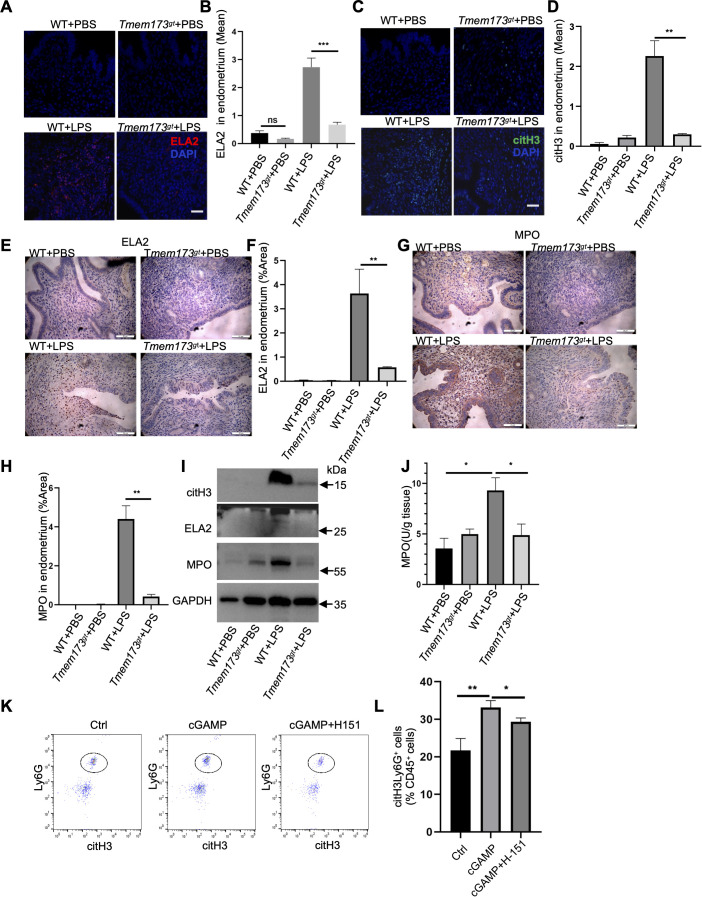 Figure 3
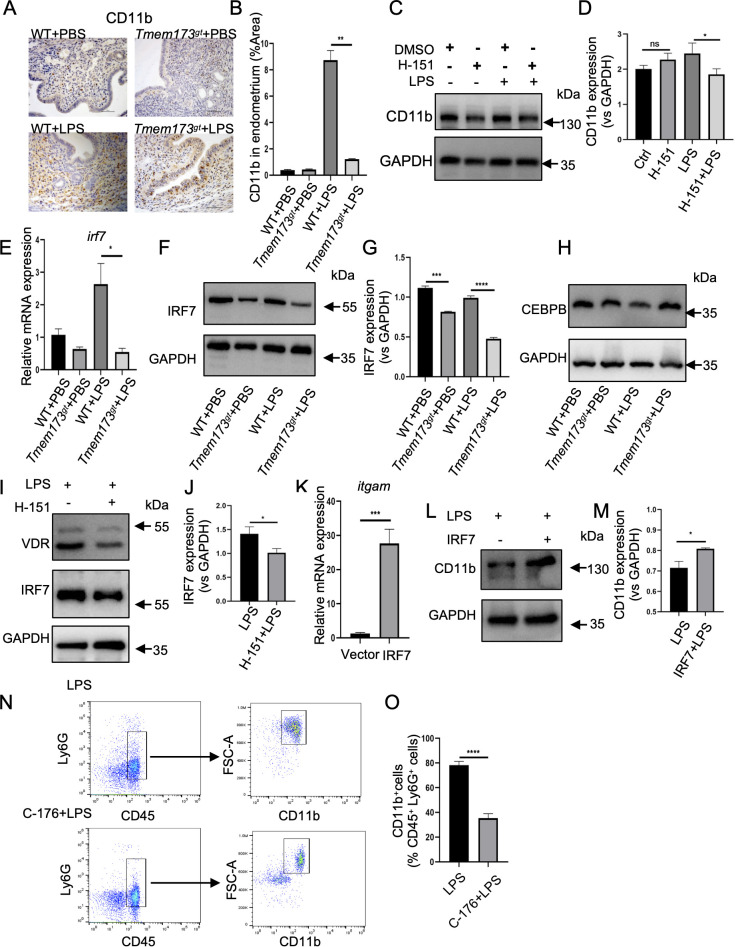 Figure 4
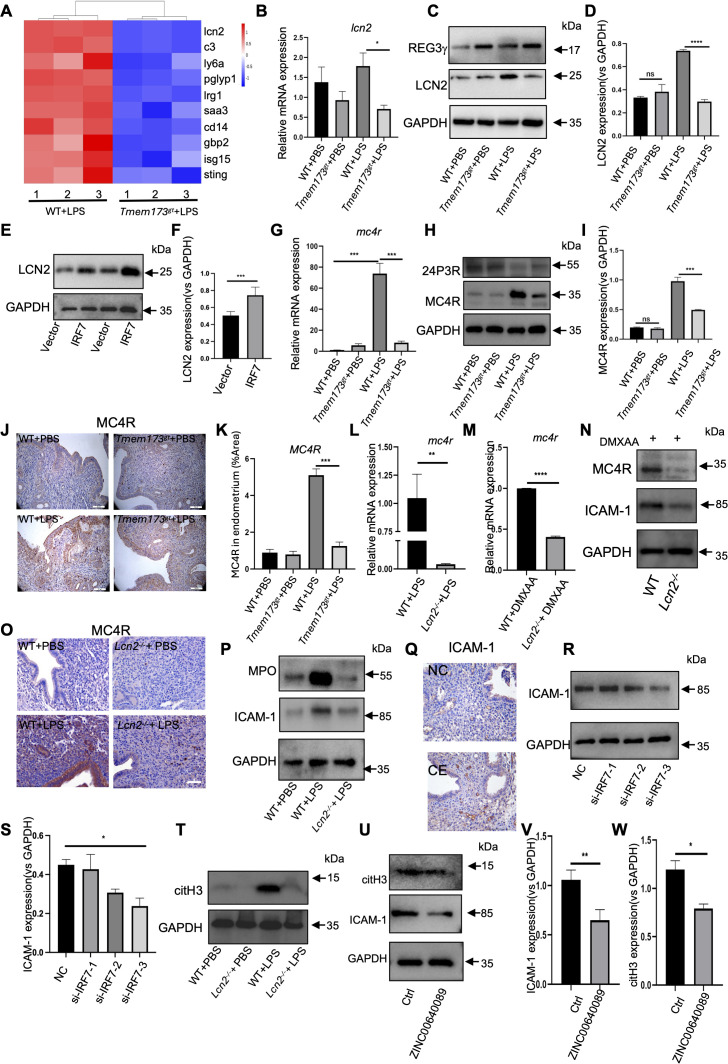 Figure 5
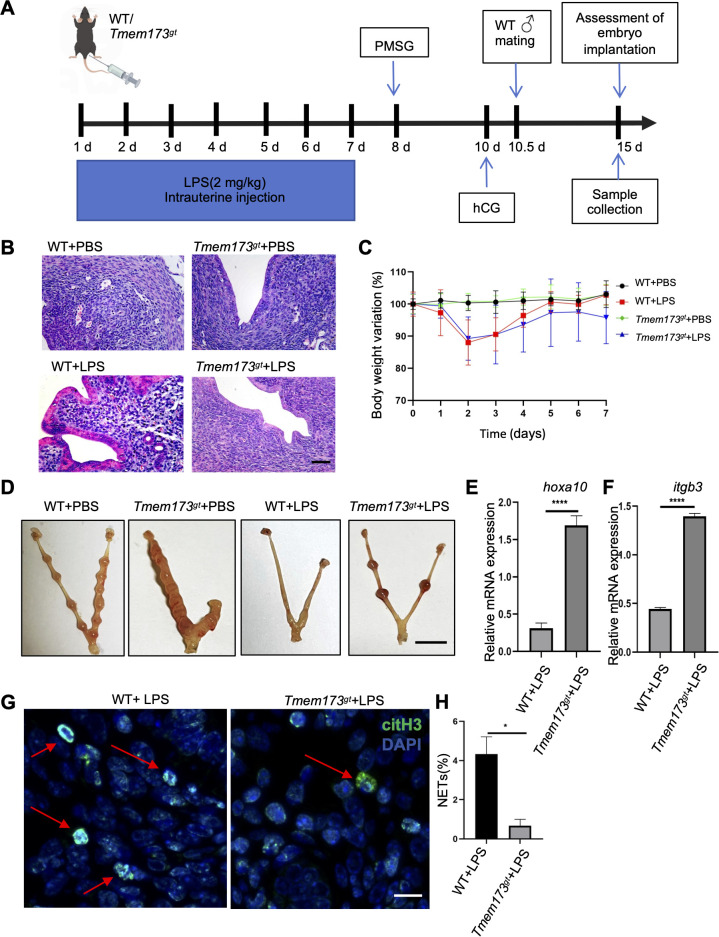 Figure 6
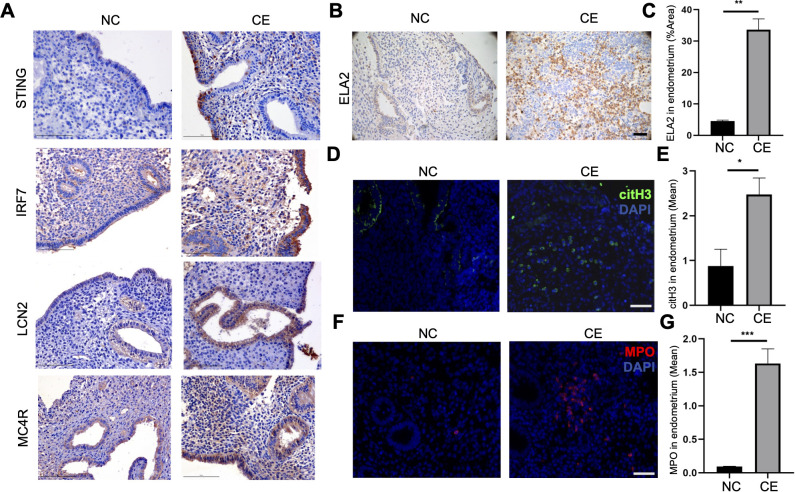 Figure 7
Peer Reviews
No public reviews on file for this paper yet. If you reviewed it on a platform where reviews are public (OpenReview, ICLR, NeurIPS, ICML), you can paste yours below so the community can read it here.
Videos
No videos yet. Explain this paper in a talk, walkthrough, or lecture? Add one.
Taxonomy
TopicsNeutrophil, Myeloperoxidase and Oxidative Mechanisms · interferon and immune responses · Reproductive System and Pregnancy