Mechanistic insights into the anti-neuroinflammatory effects of cassia obtusifolia in Parkinson’s disease: a network pharmacology-based study
Xinfu Lian, Yongjun Bai, Rong Xie, Wang Du, Lingbo Ma, Yuqian Jiang

TL;DR
This study explores how Cassia obtusifolia may help reduce brain inflammation in Parkinson’s disease through multiple biological pathways.
Contribution
The study provides new mechanistic insights into Cassia obtusifolia’s anti-neuroinflammatory effects using network pharmacology and experimental validation.
Findings
Cassia obtusifolia targets NF-κB, MAPK, and NLRP3 pathways to reduce neuroinflammation.
Rhein, a compound in Cassia obtusifolia, showed strong binding to NF-κB p65 and reduced inflammation in microglial cells.
The compound suppressed inflammatory mediator production and p65 phosphorylation in vitro.
Abstract
Parkinson’s disease (PD) is a chronic neurodegenerative disorder that is closely associated with neuroinflammation, yet effective anti-inflammatory therapies remain limited. This study aimed to elucidate the potential mechanisms of Cassia obtusifolia in mitigating PD-associated neuroinflammatory responses. Network pharmacology was employed to identify bioactive compounds, candidate targets, and enriched pathways, followed by protein–protein interaction (PPI) analysis and molecular docking. Rhein, a representative compound, was further validated in LPS-induced BV2 microglial cells using CCK-8, NO detection, ELISA, and Western blot assays. A total of 114 candidate targets were identified, with enrichment highlighting NF-κB, MAPK, and NLRP3 inflammasome pathways. Molecular docking revealed strong binding affinity between rhein and NF-κB p65. In vitro, rhein significantly reduced the…
Genes, proteins, chemicals, diseases, species, mutations and cell lines named across the full text — each resolved to its canonical identifier and authoritative record.
Click any figure to enlarge with its caption.
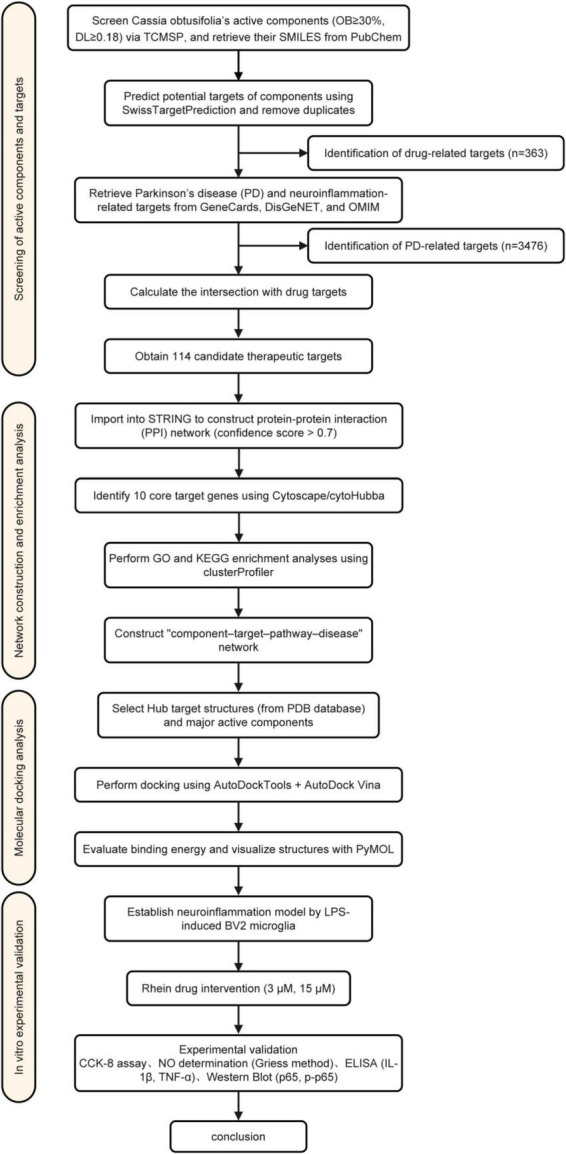 Figure 1
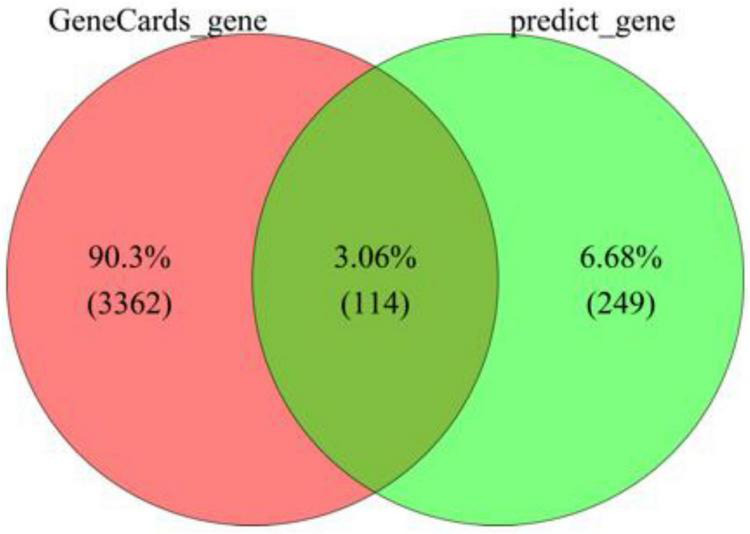 Figure 2
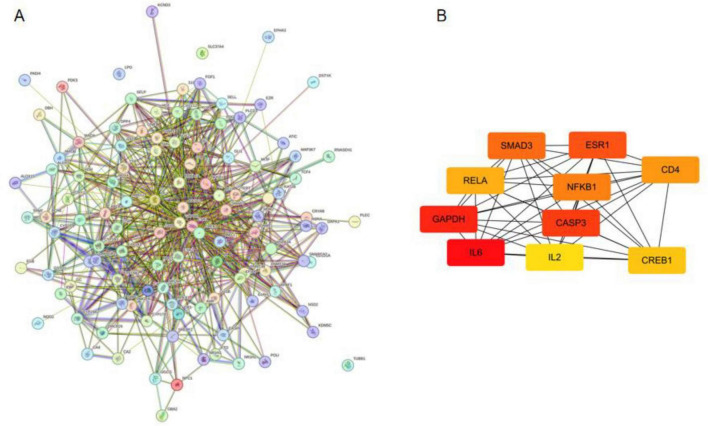 Figure 3
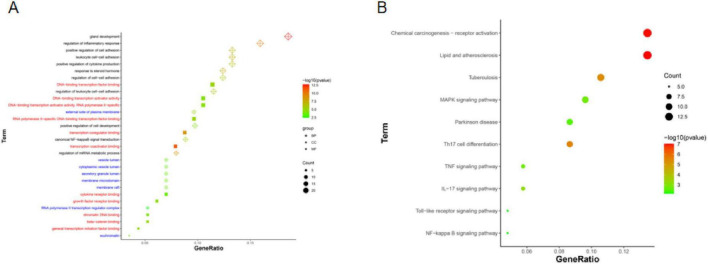 Figure 4
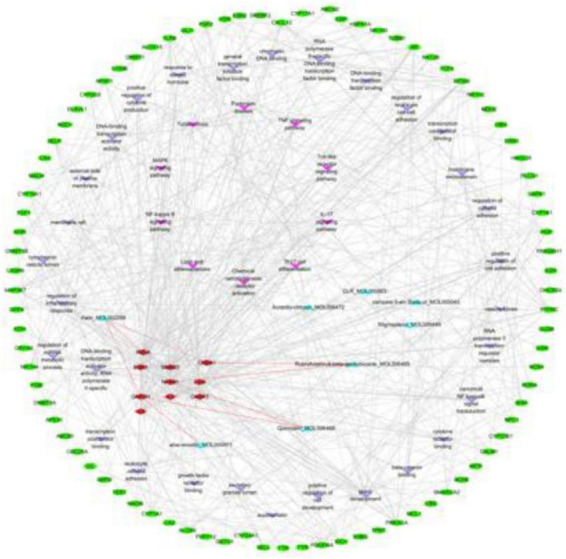 Figure 5
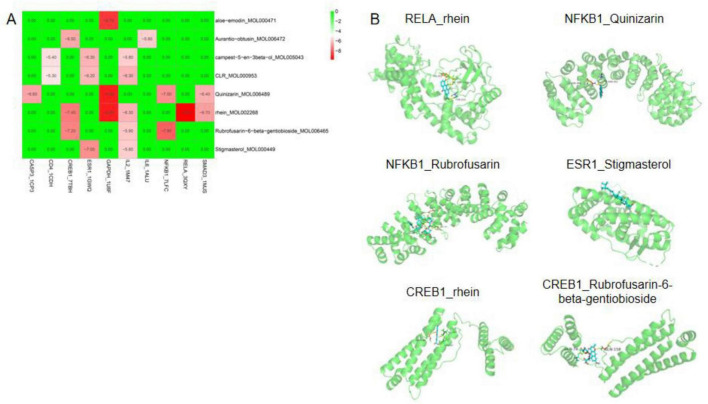 Figure 6
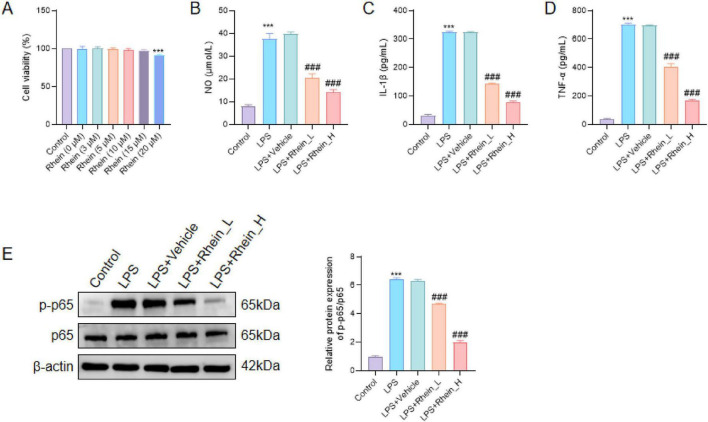 Figure 7
Peer Reviews
No public reviews on file for this paper yet. If you reviewed it on a platform where reviews are public (OpenReview, ICLR, NeurIPS, ICML), you can paste yours below so the community can read it here.
Videos
No videos yet. Explain this paper in a talk, walkthrough, or lecture? Add one.
Taxonomy
TopicsPhytochemistry and biological activity of medicinal plants · Parkinson's Disease Mechanisms and Treatments · Magnolia and Illicium research