Categorization of echocardiograms by humans and pigeons
Odysseus R. P. Orr, Victor M. Navarro, Edward A. Wasserman, David Ouyang

TL;DR
This study shows that a computer model's segmentation of heart videos helps humans and pigeons learn to diagnose heart function, with humans benefiting more from the visual aid.
Contribution
The study demonstrates that EchoNet-Dynamic's segmentation improves human learning and diagnosis of cardiac function and enables pigeons to learn a complex task.
Findings
Humans trained with segmented videos learned faster and generalized better to non-segmented videos.
Pigeons trained with segmented videos learned the task but failed to generalize to non-segmented videos.
EchoNet-Dynamic's segmentation aids in learning for both humans and pigeons.
Abstract
Categorizing medical samples is a difficult and time-consuming task that directly impacts patient outcomes. Recent technological advancements may hold the key to improving medical professionals' diagnostic accuracy. One of these advancements is EchoNet-Dynamic, a convolutional neural network that segments echocardiograms—ultrasound videos of the heart—producing a red overlay onto the left ventricle, the area of the heart relevant to diagnosis. We investigated the potential for EchoNet-Dynamic's segmentation to aid naïve non-clinician humans and pigeons in their diagnosis of cardiac function. Humans were trained to categorize either segmented or non-segmented echocardiograms as depicting normal or abnormal heart function. Then, roughly half of the subjects in each group were tested with videos of the opposite type they were trained with. We found that more humans trained with segmented…
Genes, proteins, chemicals, diseases, species, mutations and cell lines named across the full text — each resolved to its canonical identifier and authoritative record.
Click any figure to enlarge with its caption.
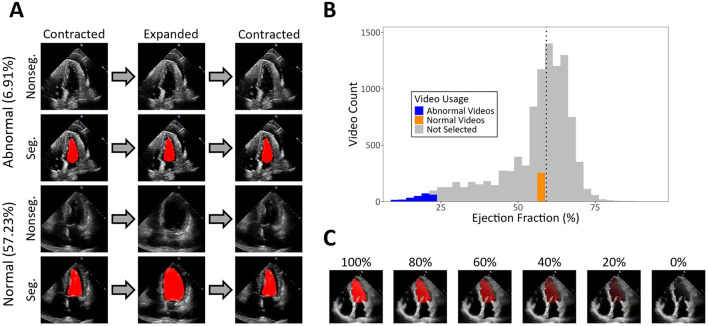 Figure 1
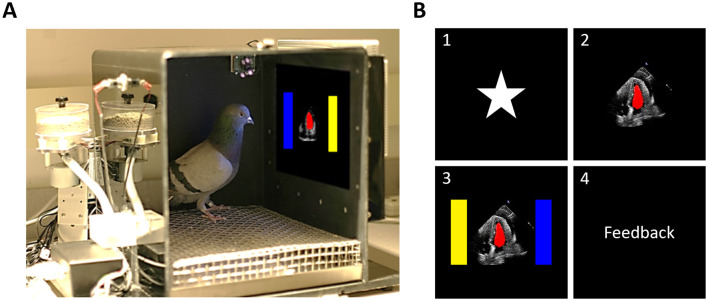 Figure 2
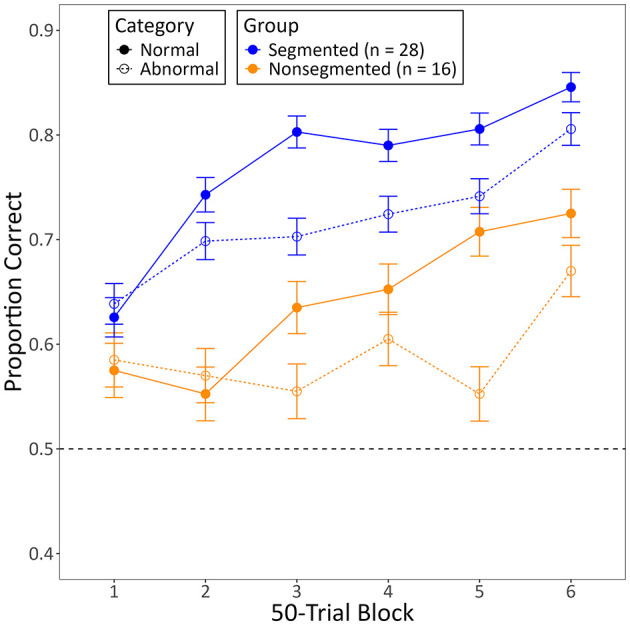 Figure 3
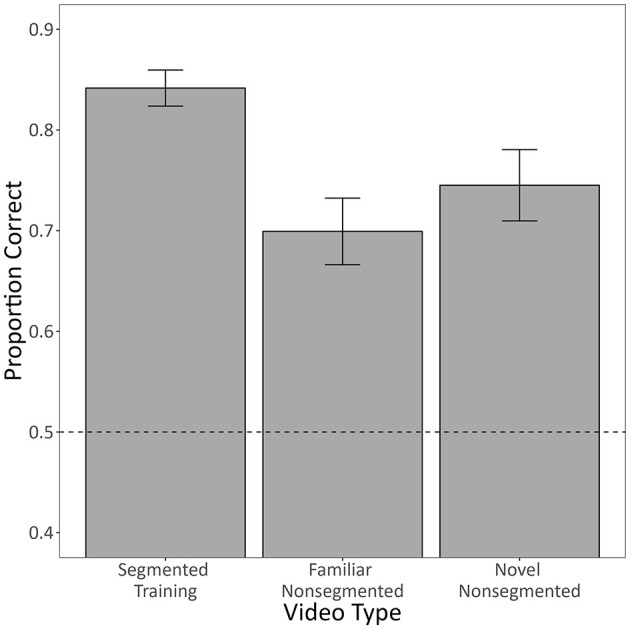 Figure 4
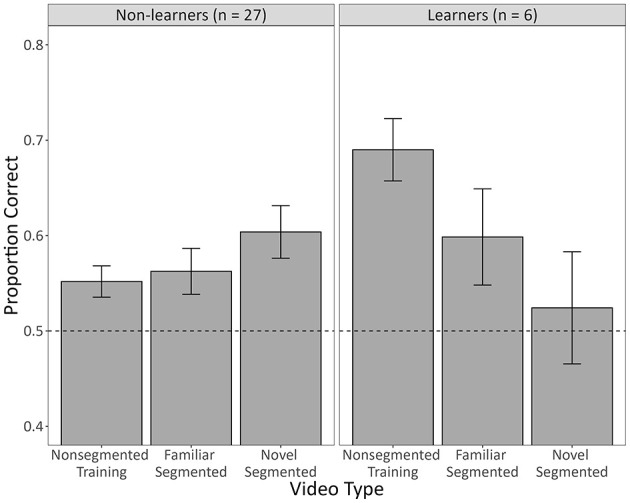 Figure 5
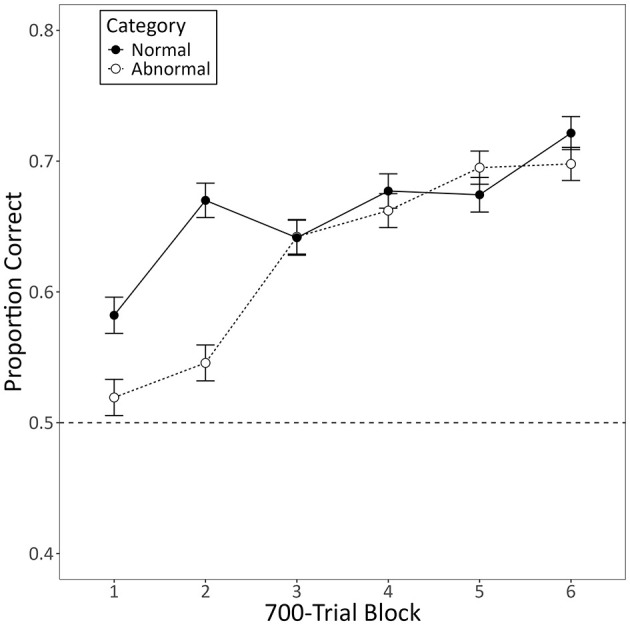 Figure 6
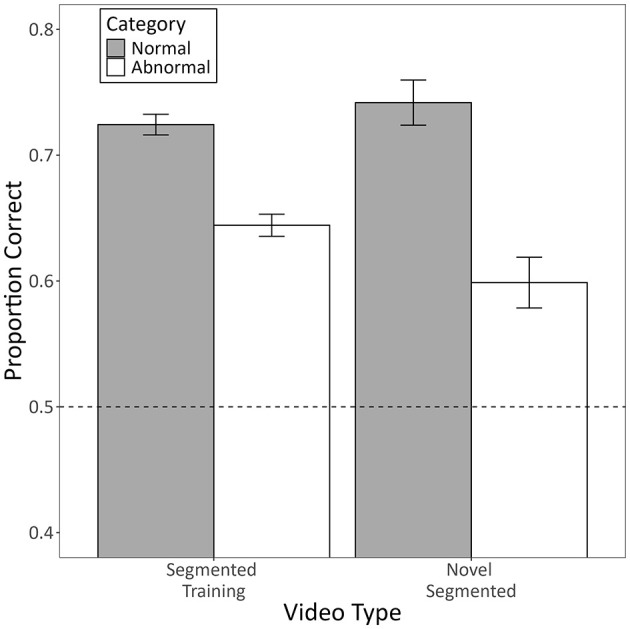 Figure 7
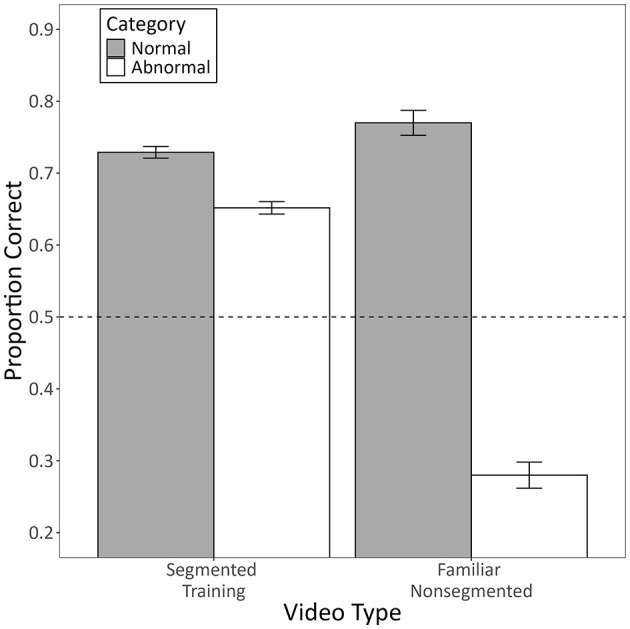 Figure 8
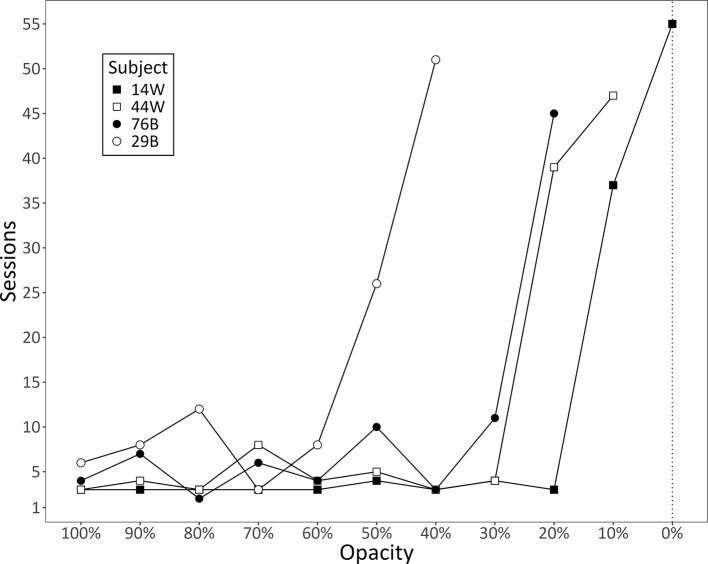 Figure 9
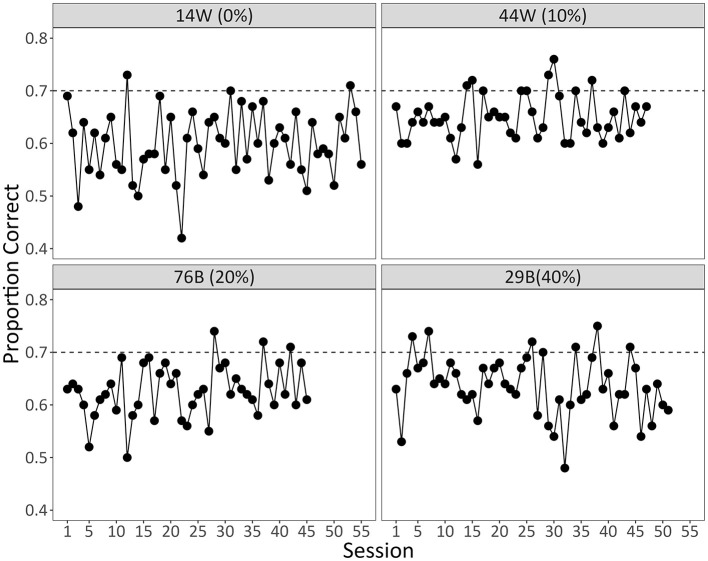 Figure 10
Peer Reviews
No public reviews on file for this paper yet. If you reviewed it on a platform where reviews are public (OpenReview, ICLR, NeurIPS, ICML), you can paste yours below so the community can read it here.
Videos
No videos yet. Explain this paper in a talk, walkthrough, or lecture? Add one.
Taxonomy
TopicsPhonocardiography and Auscultation Techniques · COVID-19 diagnosis using AI · Soft Robotics and Applications