Gut microbiota dysbiosis aggravates sepsis-induced lung injury by promoting neutrophil extracellular traps and suppressing host integrin defense
Zhiyong Zhao, Bingjie Wu

TL;DR
Gut microbiota imbalance worsens sepsis-related lung damage by increasing neutrophil traps and weakening lung cell barriers, but fecal transplants and integrin support can help.
Contribution
Identifies a new gut microbiota-NET-integrin pathway in sepsis-induced lung injury and validates FMT and integrin modulation as therapeutic strategies.
Findings
Fecal microbiota transplantation reduced neutrophil extracellular traps by 58% and restored lung endothelial barrier integrity.
Integrin ITGAM/ITGB2 overexpression reversed endothelial permeability and inflammation caused by neutrophil extracellular traps.
Microbial dysbiosis promotes NET-mediated suppression of integrins, leading to pulmonary endothelial barrier failure in sepsis.
Abstract
The gut-lung axis is central to systemic inflammatory regulation, but the mechanisms by which gut microbiota dysbiosis aggravates sepsis-induced acute lung injury (ALI), particularly through neutrophil extracellular traps (NETs) and integrin signaling, remain unclear. Given the critical need for microbiota-based therapeutic strategies, this study investigates the mechanistic link between gut microbiota, NET formation, and pulmonary endothelial barrier dysfunction. Using a cecal ligation and puncture (CLP) sepsis model, control, sepsis, and fecal microbiota transplantation (FMT) groups were compared. Lung injury was assessed via histopathology, wet/dry weight ratios, and bronchoalveolar lavage fluid (BALF) analysis. High-throughput RNA sequencing (GO/KEGG/PPI) identified key targets, validated by lentiviral knockdown/overexpression of ITGAM and ITGB2 in vivo and in vitro [mouse…
Genes, proteins, chemicals, diseases, species, mutations and cell lines named across the full text — each resolved to its canonical identifier and authoritative record.
Click any figure to enlarge with its caption.
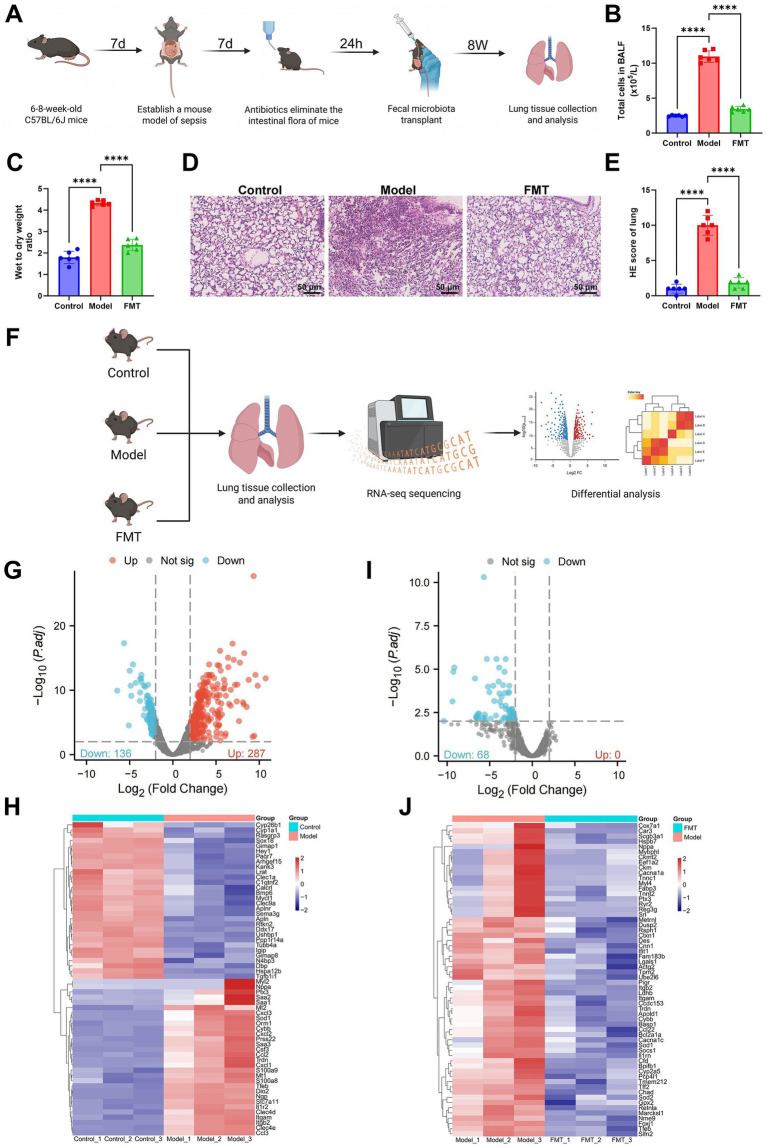 Figure 1
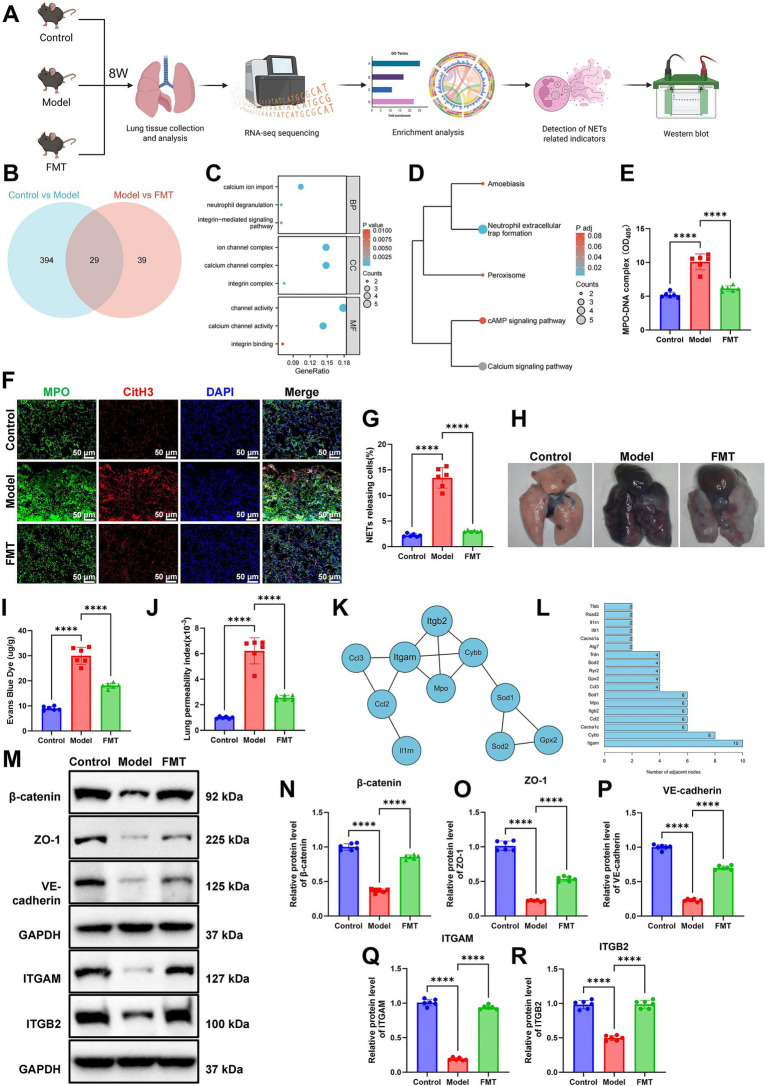 Figure 2
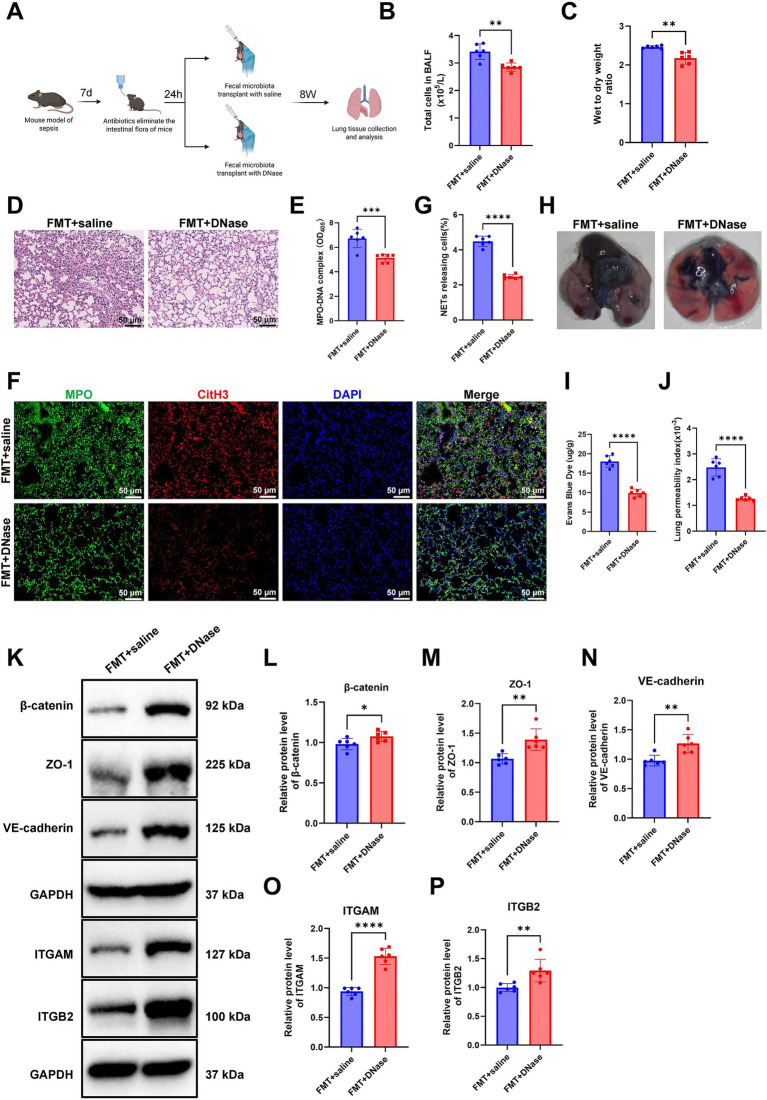 Figure 3
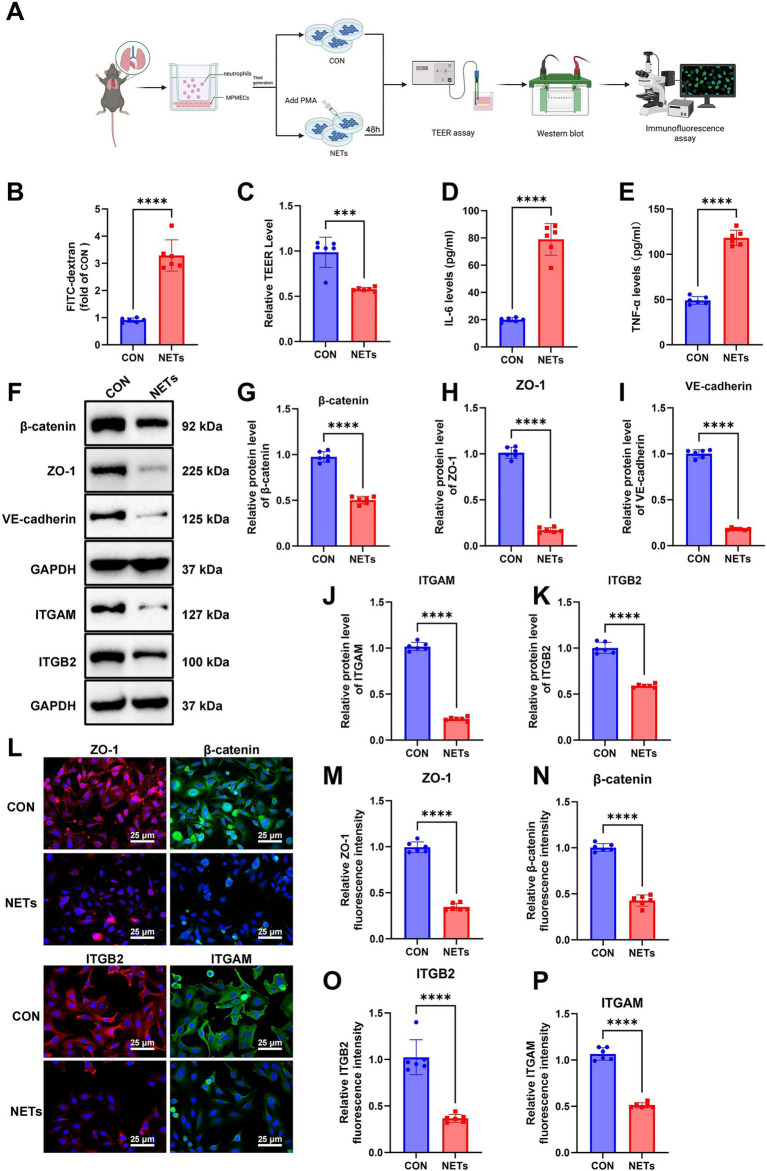 Figure 4
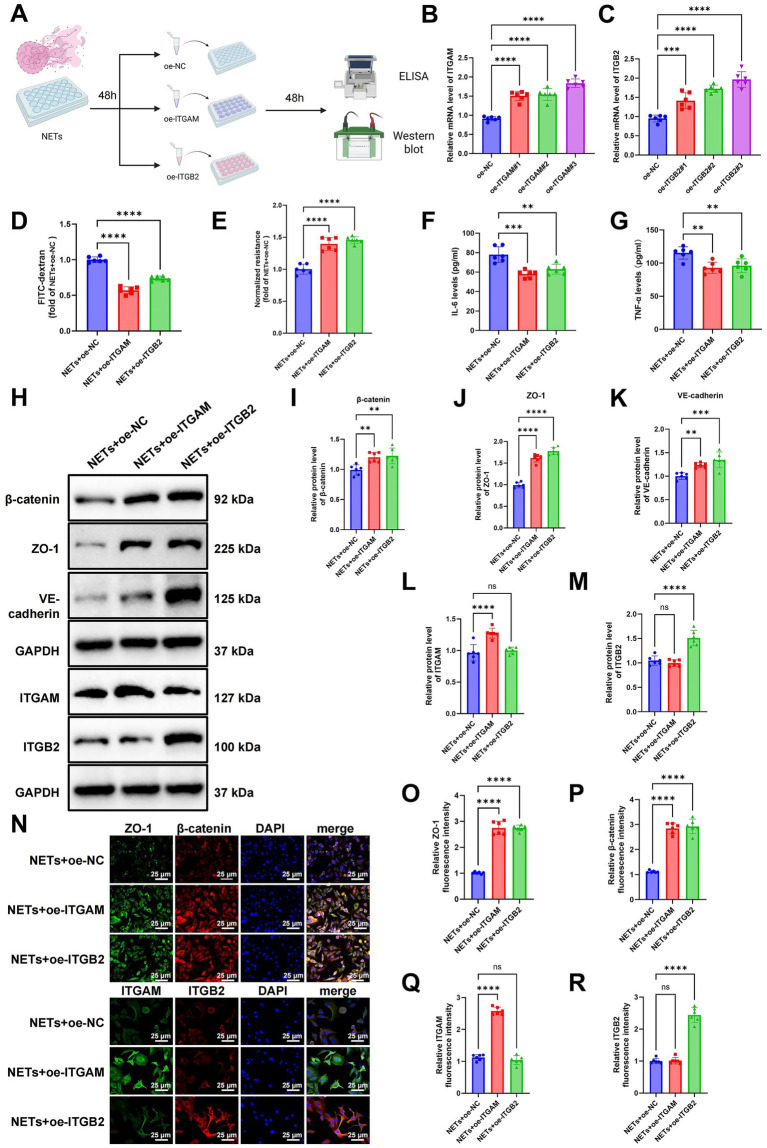 Figure 5
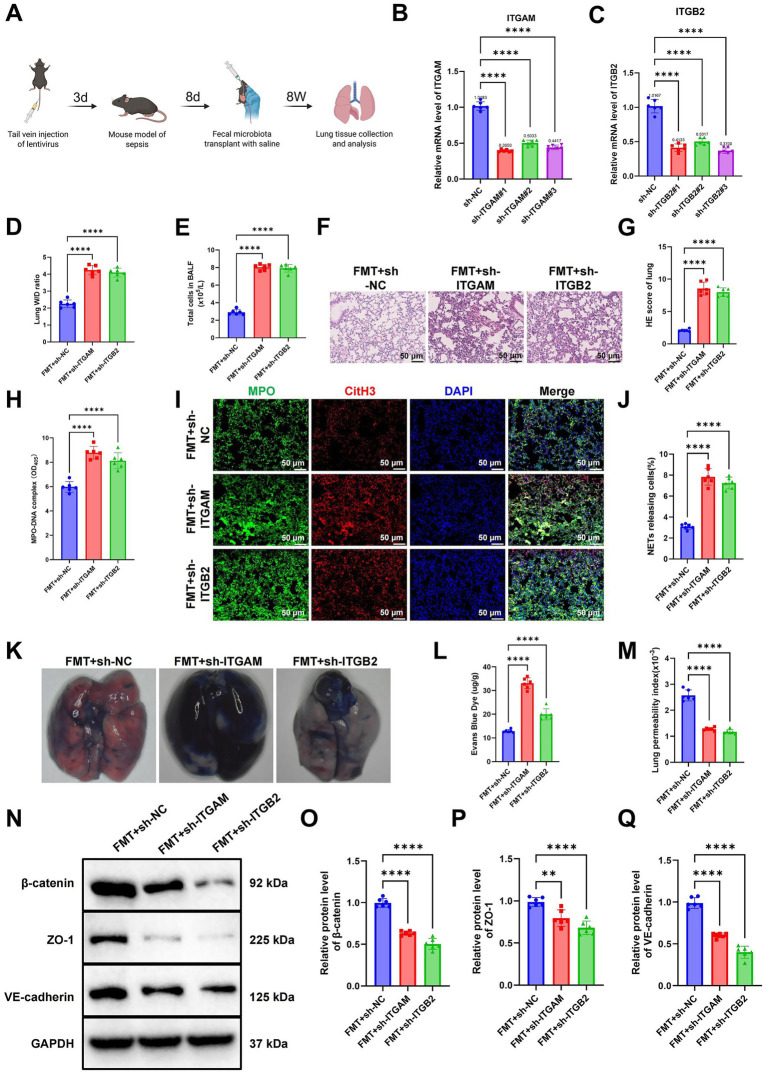 Figure 6
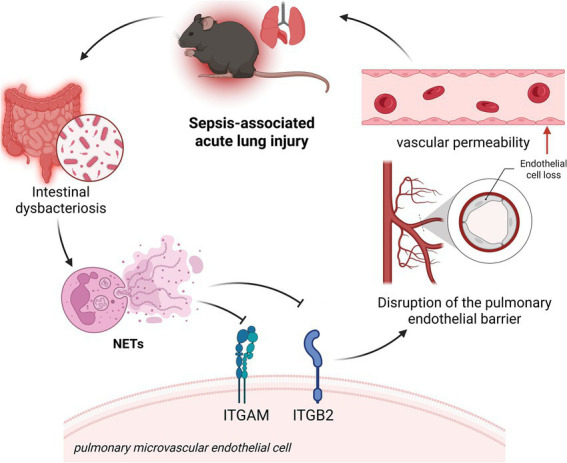 Figure 7
Peer Reviews
No public reviews on file for this paper yet. If you reviewed it on a platform where reviews are public (OpenReview, ICLR, NeurIPS, ICML), you can paste yours below so the community can read it here.
Videos
No videos yet. Explain this paper in a talk, walkthrough, or lecture? Add one.
Taxonomy
TopicsNeutrophil, Myeloperoxidase and Oxidative Mechanisms · Immune Response and Inflammation · Immune cells in cancer