Bromodomain and extra-terminal proteins in solid tumors: regulators of immune microenvironment and emerging therapeutic targets
Deeksha Sharma, Grace G. Bushnell, Alexander P. Kalman, Chloe M. Hutchens, Monika L. Burness

TL;DR
BET proteins influence cancer growth and immune response in solid tumors, making them promising targets for combined cancer therapies.
Contribution
Highlights the dual role of BET proteins in regulating cancer stem cells and the immune microenvironment, proposing them as therapeutic targets.
Findings
BET proteins regulate oncogenes and promote tumor progression and therapy resistance in solid tumors.
BET inhibition enhances T cell activity and reduces immunosuppressive effects of macrophages.
Combining BET inhibitors with other therapies shows synergistic anti-tumor effects in preclinical and early clinical studies.
Abstract
Bromodomain and Extra-Terminal domain (BET) proteins are key epigenetic readers that recognize and bind acetylated lysine residues on histones, orchestrating transcriptional programs that drive oncogenic processes. BET proteins regulate the expression of oncogenes involved in proliferation, survival, and differentiation, thereby promoting tumor initiation, progression, and therapy resistance across a wide range of solid tumors. Recent findings implicate BET proteins in maintaining cancer stem cells (CSCs), a subpopulation of tumor cells characterized with self-renewal capacity, plasticity, and the ability to evade conventional therapies. In CSCs, BET proteins coordinate stemness-associated transcriptional networks, and drive tumor persistence, metastasis, and relapse following treatment. BET proteins also shape the tumor immune microenvironment by modulating the expression of key immune…
Genes, proteins, chemicals, diseases, species, mutations and cell lines named across the full text — each resolved to its canonical identifier and authoritative record.
Click any figure to enlarge with its caption.
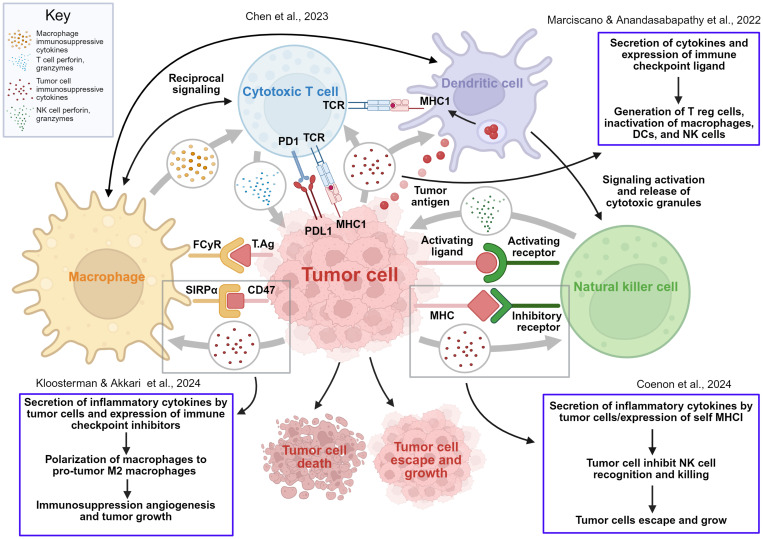 Figure 1
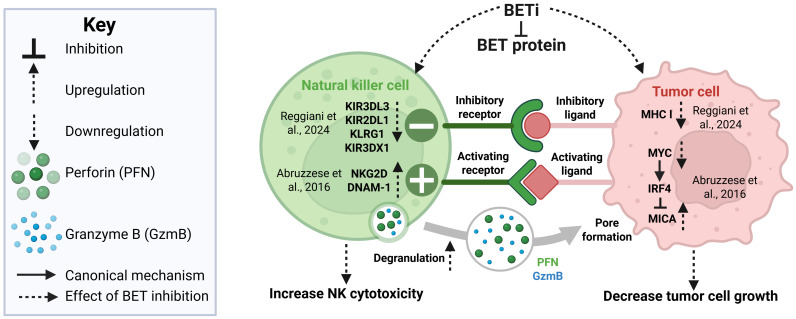 Figure 2
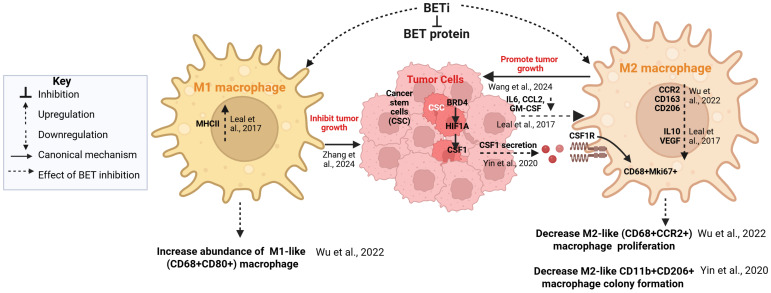 Figure 3
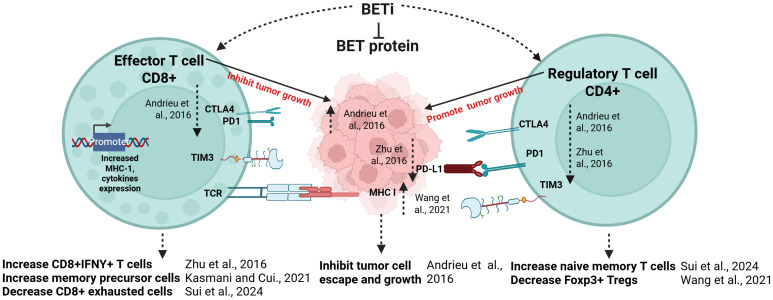 Figure 4
Peer Reviews
No public reviews on file for this paper yet. If you reviewed it on a platform where reviews are public (OpenReview, ICLR, NeurIPS, ICML), you can paste yours below so the community can read it here.
Videos
No videos yet. Explain this paper in a talk, walkthrough, or lecture? Add one.
Taxonomy
TopicsProtein Degradation and Inhibitors · Histone Deacetylase Inhibitors Research · Chromatin Remodeling and Cancer