Cognitive control in music: adaptive strategies for relative pitch across the absolute-pitch proficiency continuum
Karen Shibayama, Hitoshi Shimada, Kosuke Itoh

TL;DR
The study explores how people with varying levels of absolute pitch use different strategies to identify musical notes in different contexts.
Contribution
It reveals adaptive strategy shifts in pitch identification based on absolute pitch proficiency and musical context.
Findings
AP users showed overall advantage but used different strategies depending on the tonal context.
Non-AP participants consistently relied on relative pitch across all contexts.
Individual variability in strategy use was observed among AP participants.
Abstract
Absolute pitch (AP) is often regarded as a rare gift, yet Western tonal music relies more on relative pitch (RP), which encodes meaning through intervals to the keynote (tonic). This contrast offers a natural test bed for cognitive control: AP functions as an automatic, stimulus-bound code, whereas RP demands context-dependent computation. We tested 50 non–music-major students spanning the AP continuum on a movable-Do solfa-naming task under three tonal contexts of increasing difficulty (C major, B major, randomly shifting keys). AP conferred overall advantage, but error patterns revealed adaptive strategy shifts: (i) direct AP use in C major, (ii) transposition of pitch names in B major, and (iii) chord-component listening in random keys, with individual variability. Non-AP participants relied consistently on RP. Thus, scale-note identification involves flexible strategy selection…
Click any figure to enlarge with its caption.
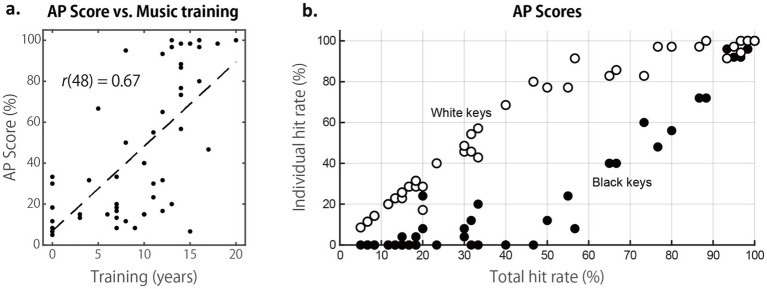 Figure 1
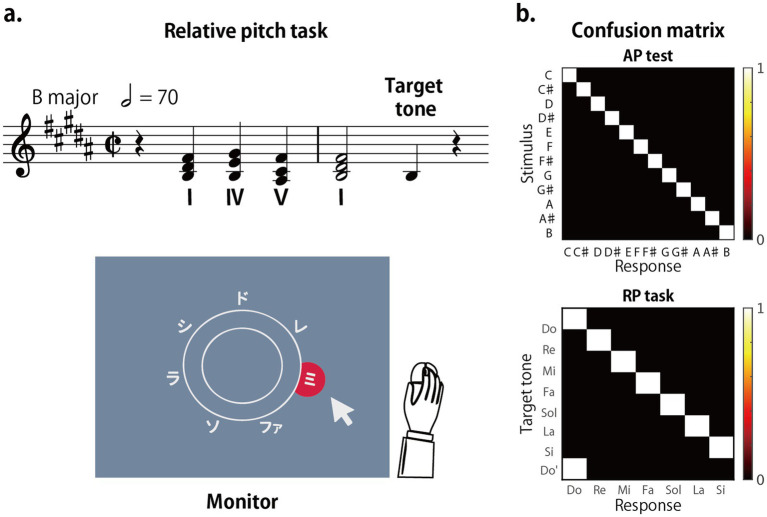 Figure 2
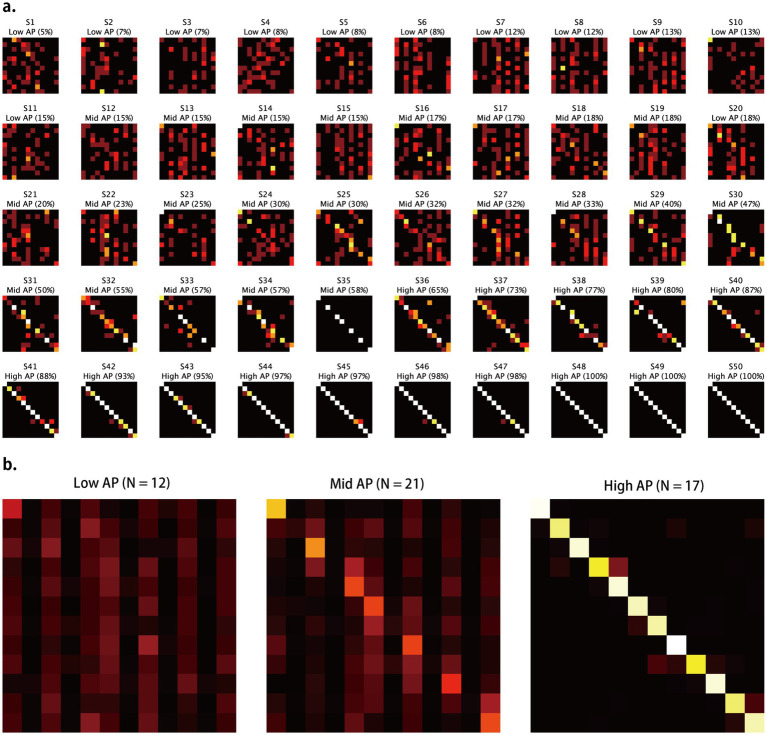 Figure 3
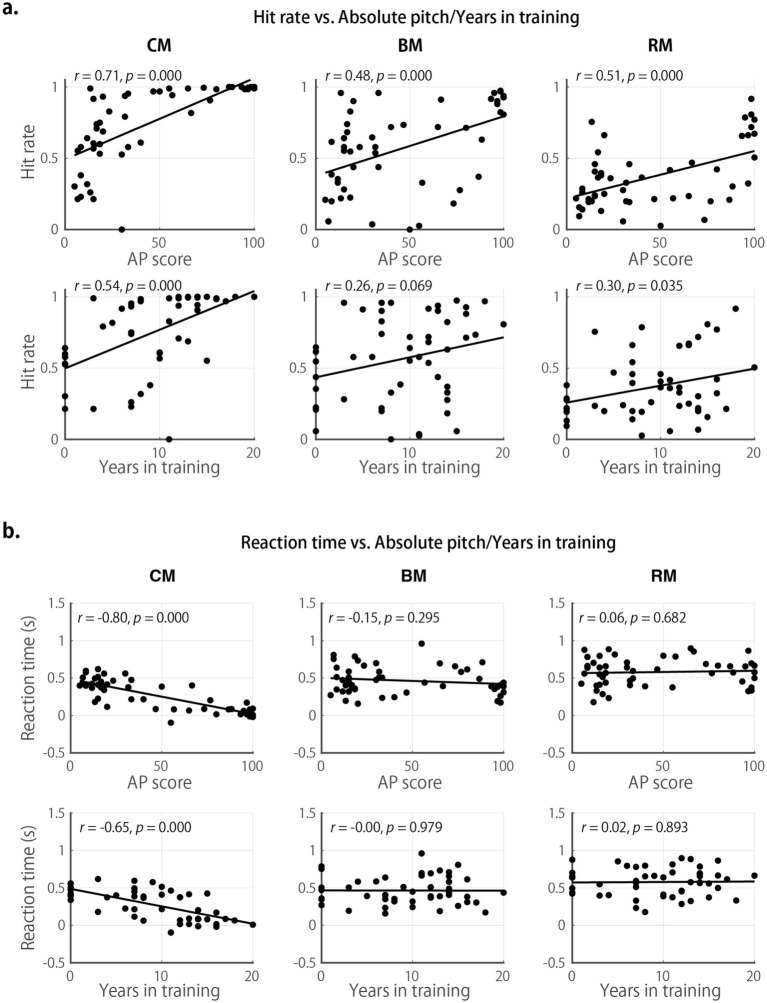 Figure 4
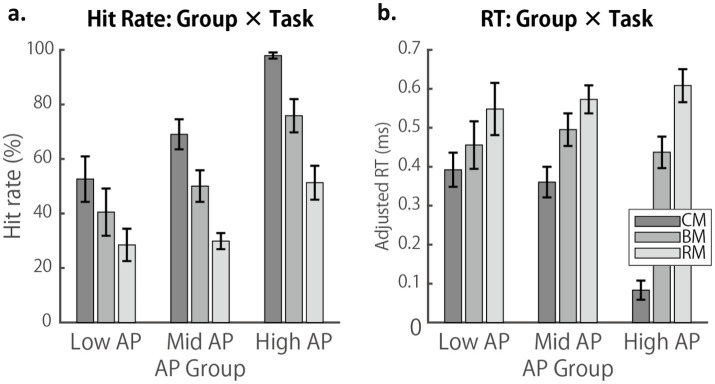 Figure 5
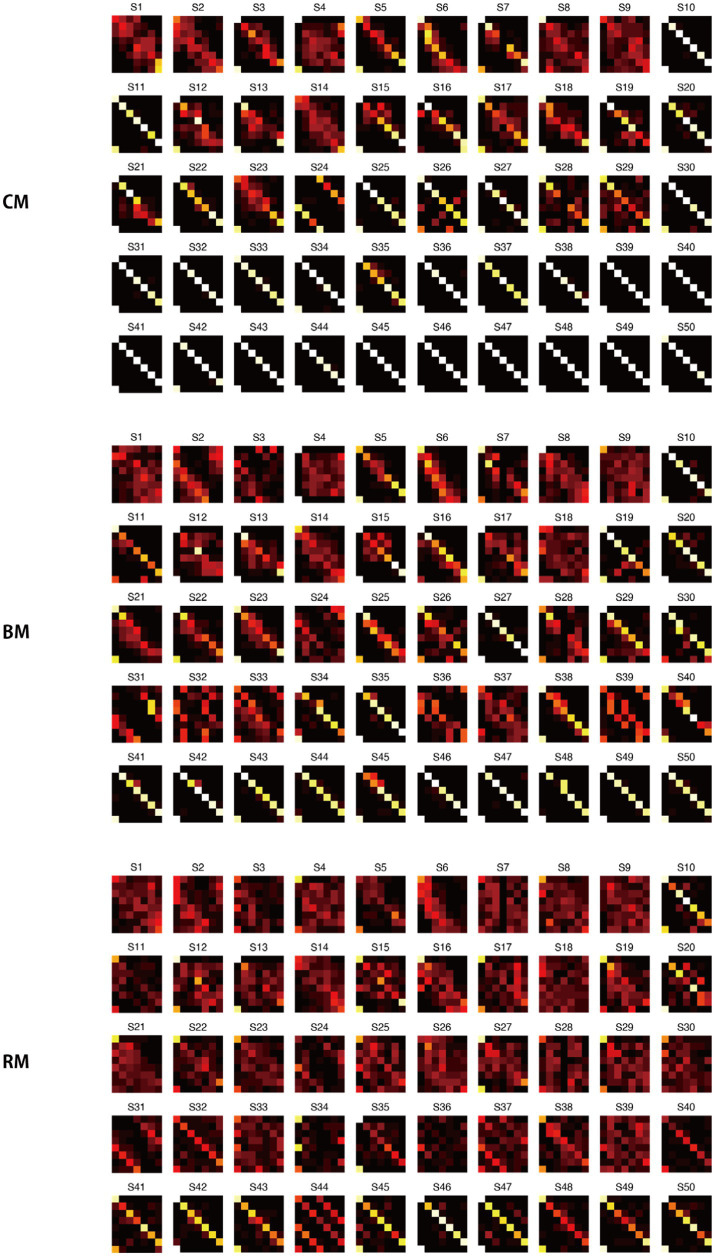 Figure 6
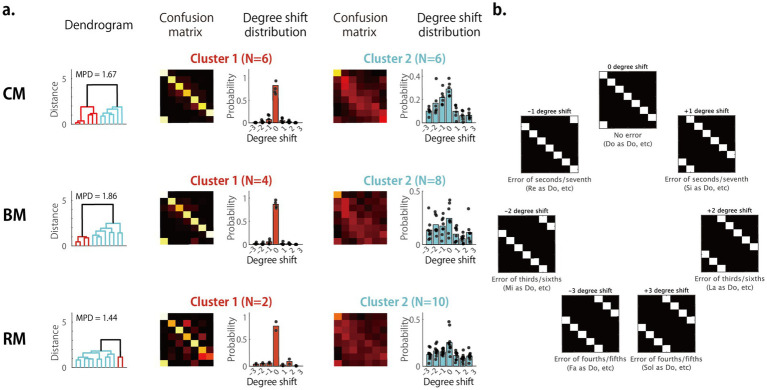 Figure 7
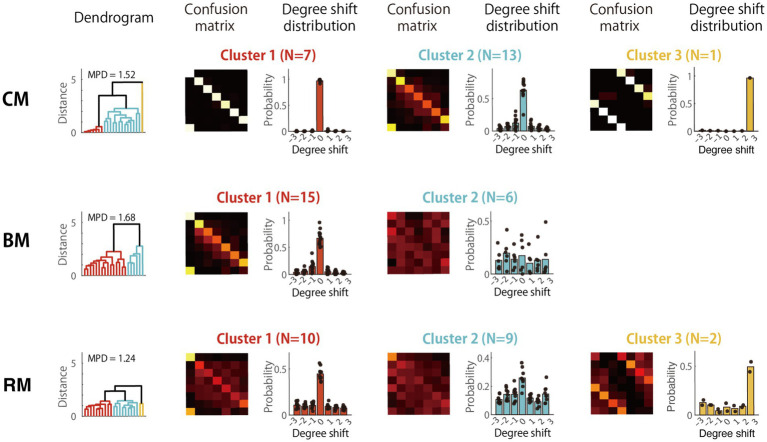 Figure 8
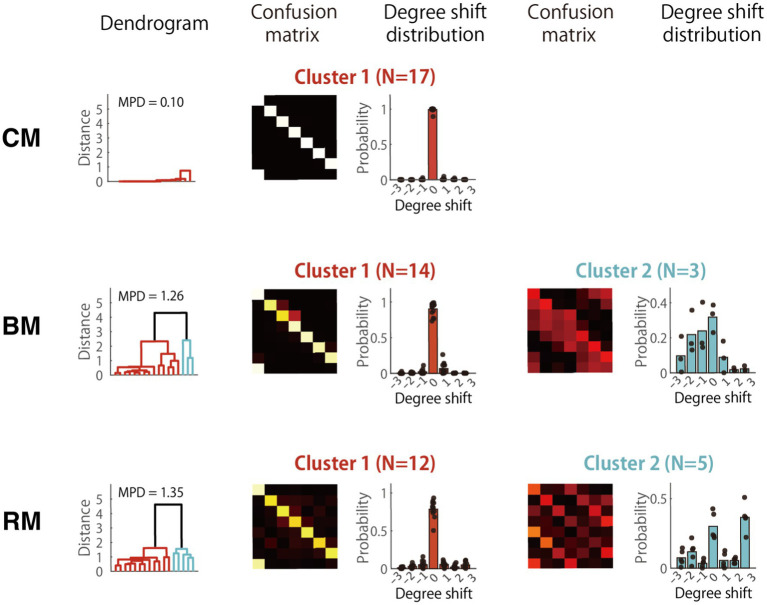 Figure 9
Peer Reviews
No public reviews on file for this paper yet. If you reviewed it on a platform where reviews are public (OpenReview, ICLR, NeurIPS, ICML), you can paste yours below so the community can read it here.
Videos
No videos yet. Explain this paper in a talk, walkthrough, or lecture? Add one.
Taxonomy
TopicsNeuroscience and Music Perception · Diverse Music Education Insights · Cognitive and developmental aspects of mathematical skills