Notch signaling stabilizes lengths of motile cilia in multiciliated cells in the lung
Neenu Joy, Aditya Deshpande, Sai Manoz Lingamallu, Vasam Manjveekar Prabantu, Chakenalli N Naveenkumar, Kumaraswamy Bharathkumar, Sukanya Bhat, Zabdiel Alvarado-Martinez, Alessandra Livraghi-Butrico, James S Hagood, Richard C Boucher, Daniel Lafkas, Kevin M Byrd

TL;DR
Notch signaling helps maintain the proper length of cilia in lung cells, and its disruption during tuberculosis infection may impair respiratory health.
Contribution
This study identifies Notch signaling as a key regulator of ciliary length and the proximal-distal gradient in airway multiciliated cells.
Findings
Notch signaling inhibition disrupts the proximal-distal ciliary length gradient and alters gene expression.
M. tuberculosis infection suppresses Notch signaling and causes distal cilia elongation.
Germ-free conditions do not affect ciliary architecture, indicating infection-specific effects.
Abstract
By stabilizing the ciliary length and preserving the proximal-distal gradient, Notch signaling acts as a key regulator of multiciliated cell homeostasis, a process disrupted during Mycobacterium tuberculosis infection, likely through suppression of the Notch–PROM1 axis. Airway multiciliated cells (MCs) maintain respiratory health by clearing mucus and trapped particles through coordinated ciliary beating. Although ciliary length progressively decreases along the proximal–distal (P-D) axis of the tracheobronchial tree, the mechanisms that maintain this gradient remain unclear. We show that canonical Notch signaling in MCs stabilizes ciliary length across airway regions. Inhibition of Notch signaling shortens tracheal cilia, lengthens distal airway cilia, abolishes the P-D gradient in ciliary length, and induces region-specific changes in gene expression. To assess how environmental…
Genes, proteins, chemicals, diseases, species, mutations and cell lines named across the full text — each resolved to its canonical identifier and authoritative record.
Click any figure to enlarge with its caption.
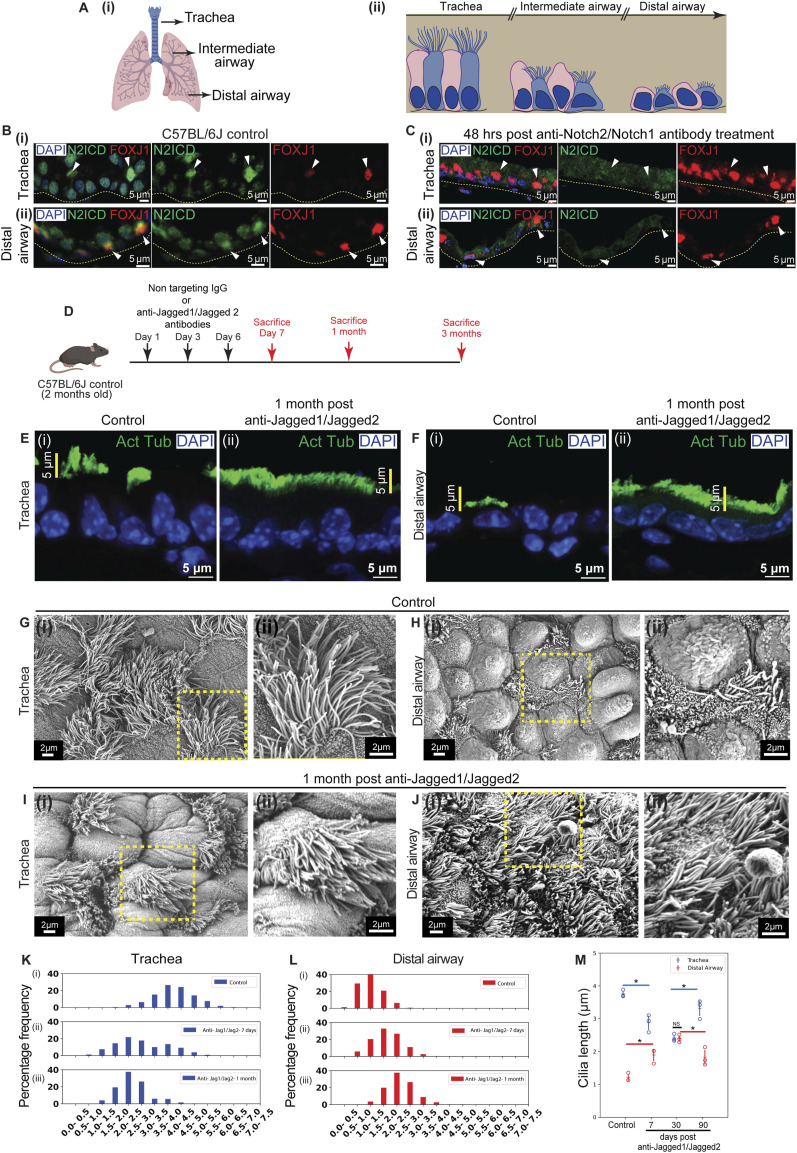 Figure 1
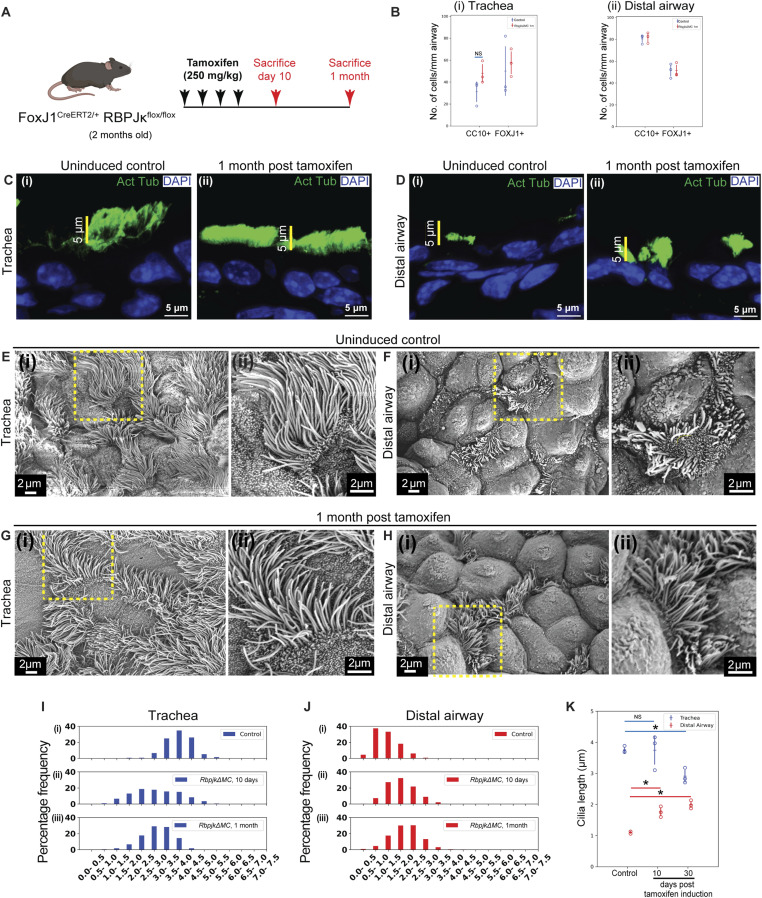 Figure 2
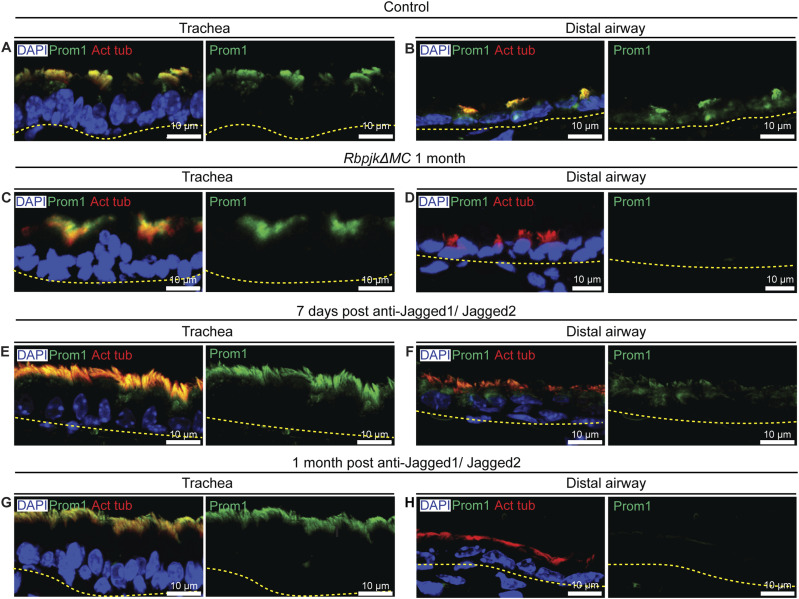 Figure 3
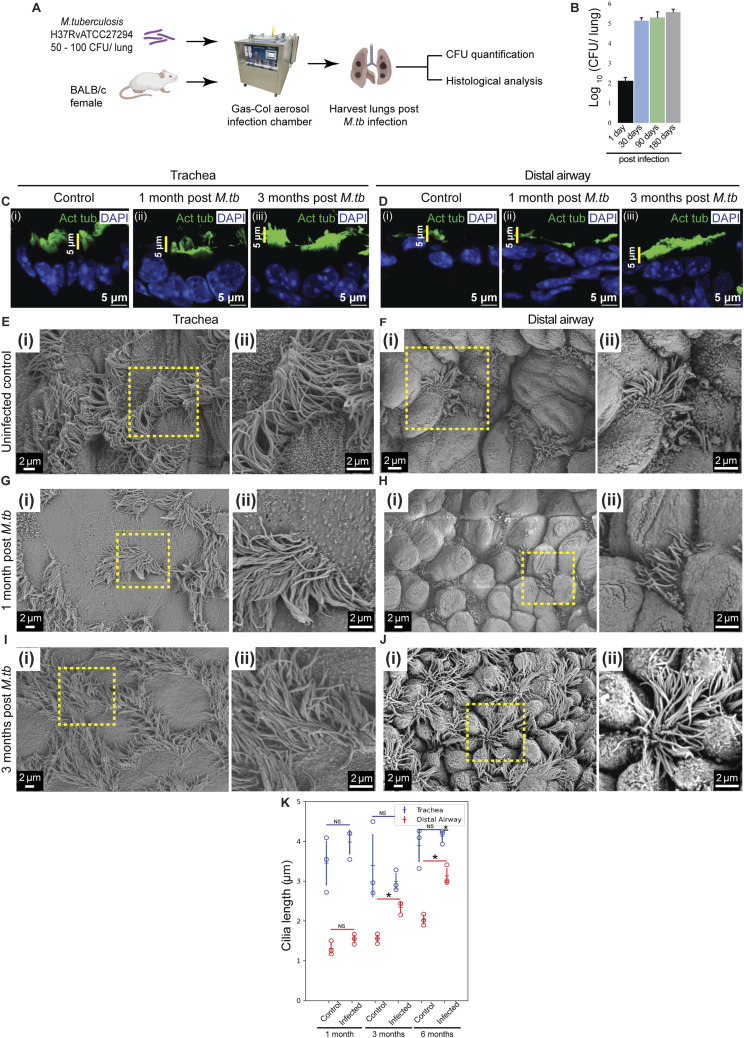 Figure 4
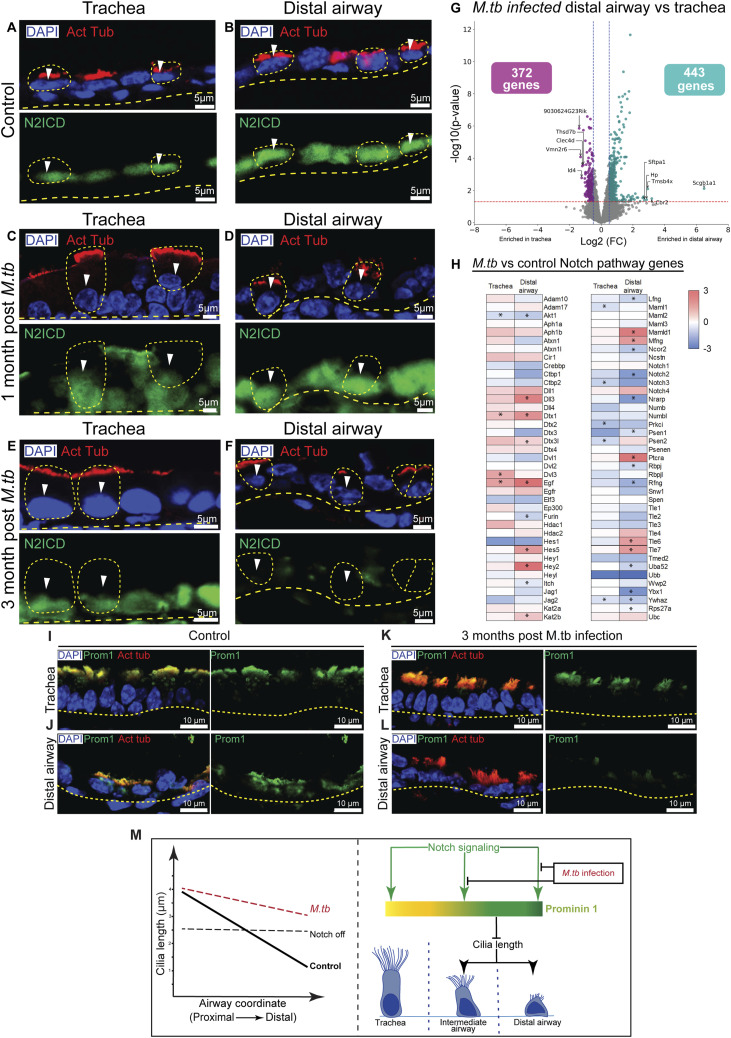 Figure 5
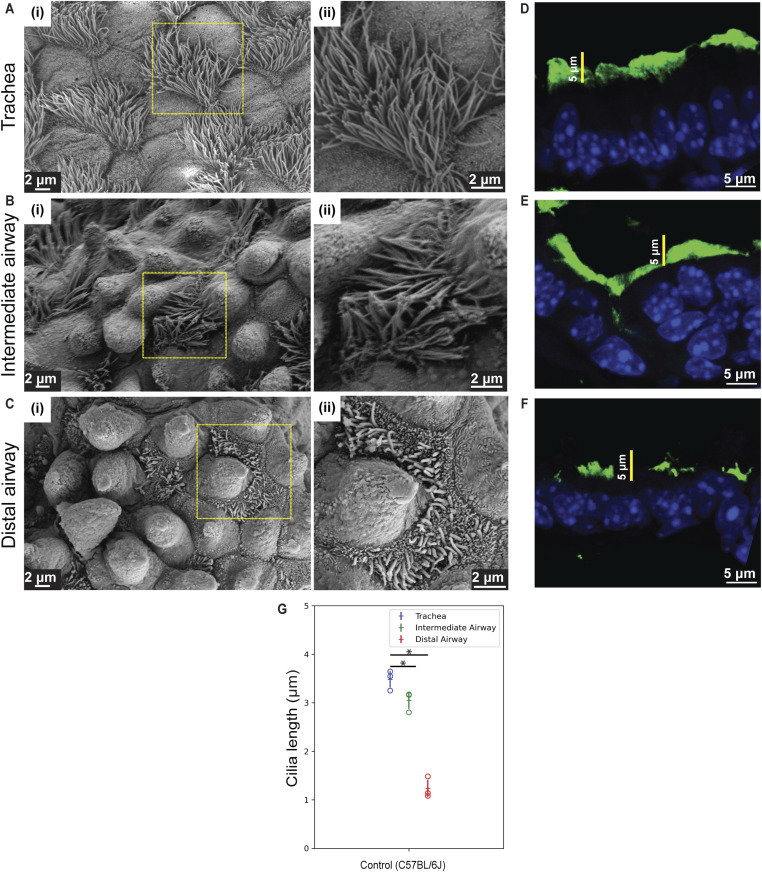 Figure 6
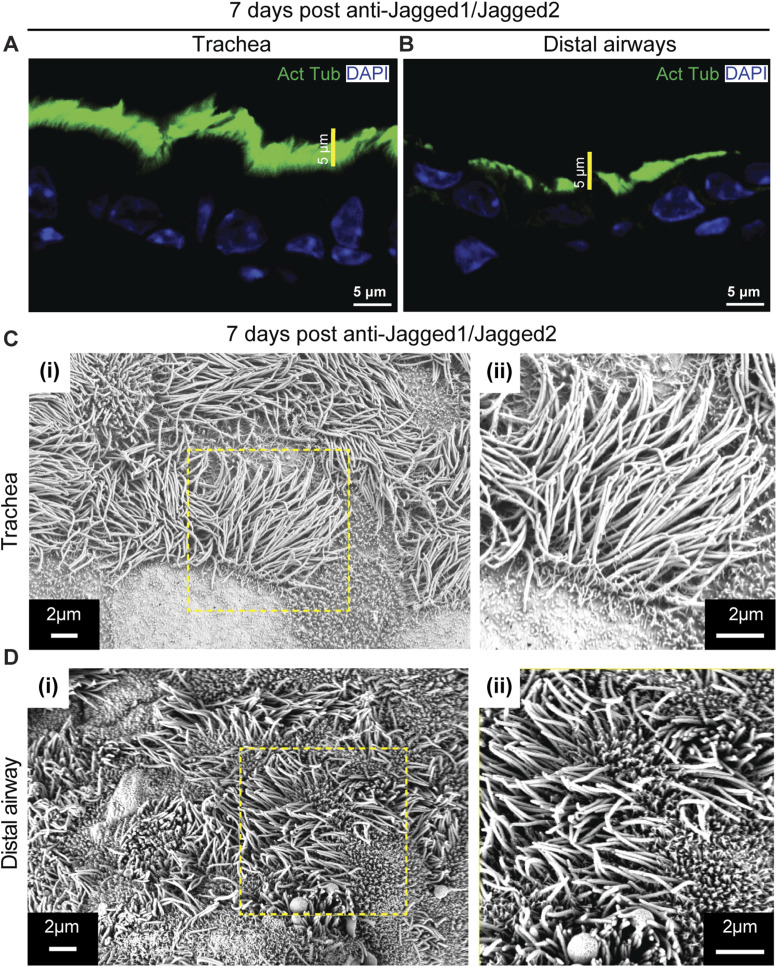 Figure 7
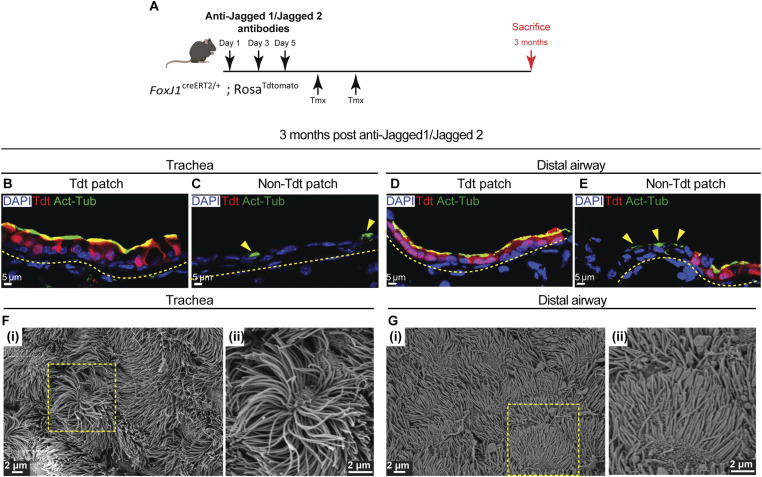 Figure 8
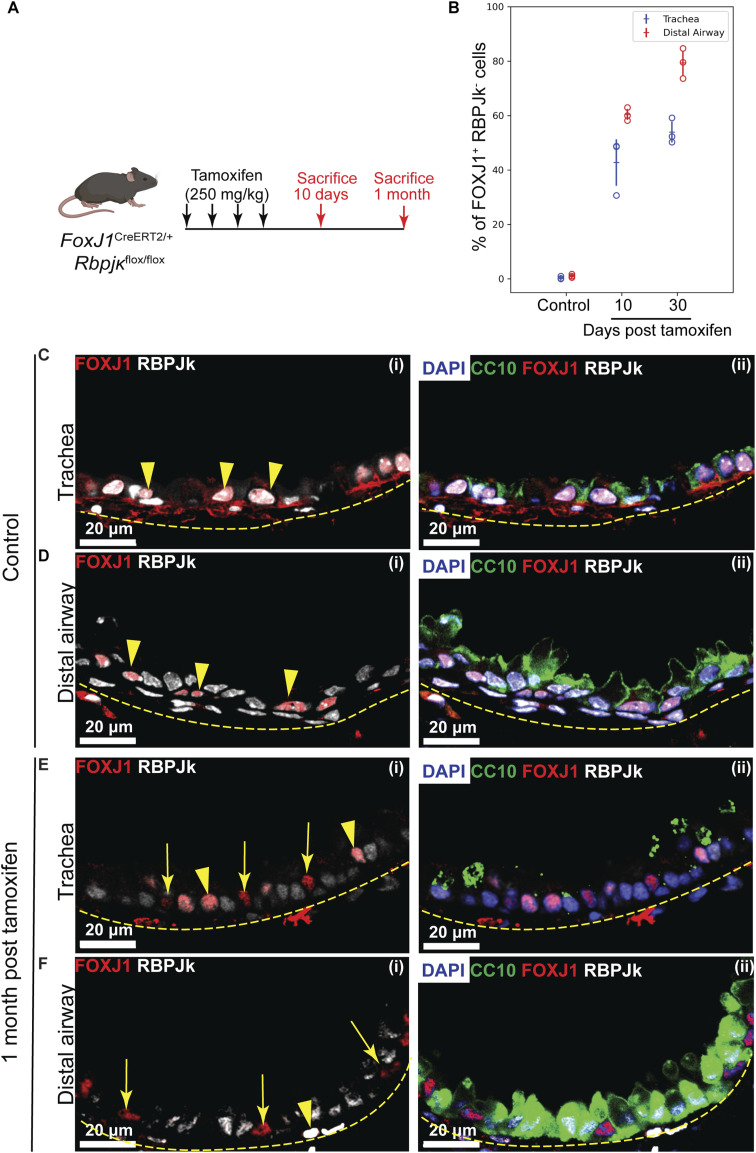 Figure 9
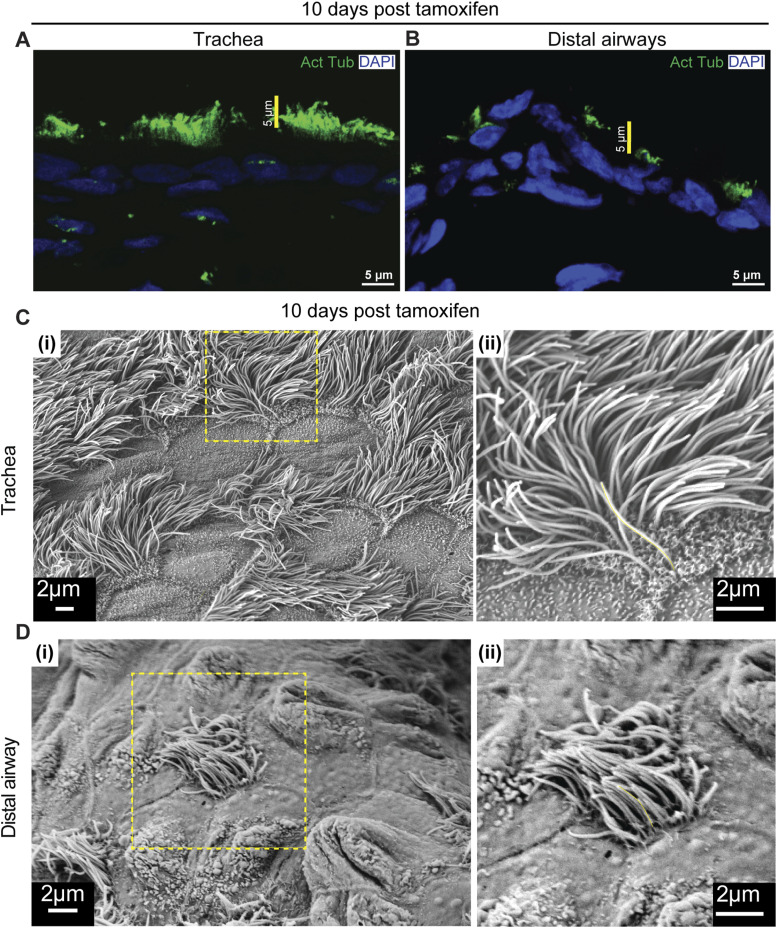 Figure 10
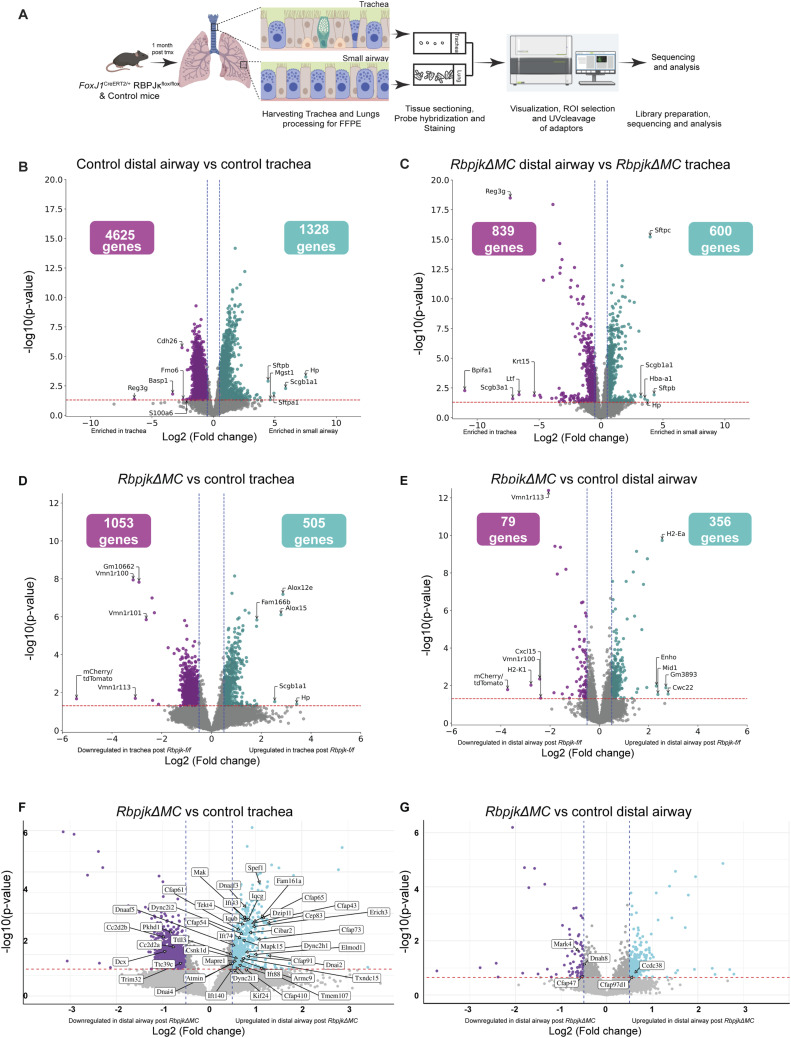 Figure 11
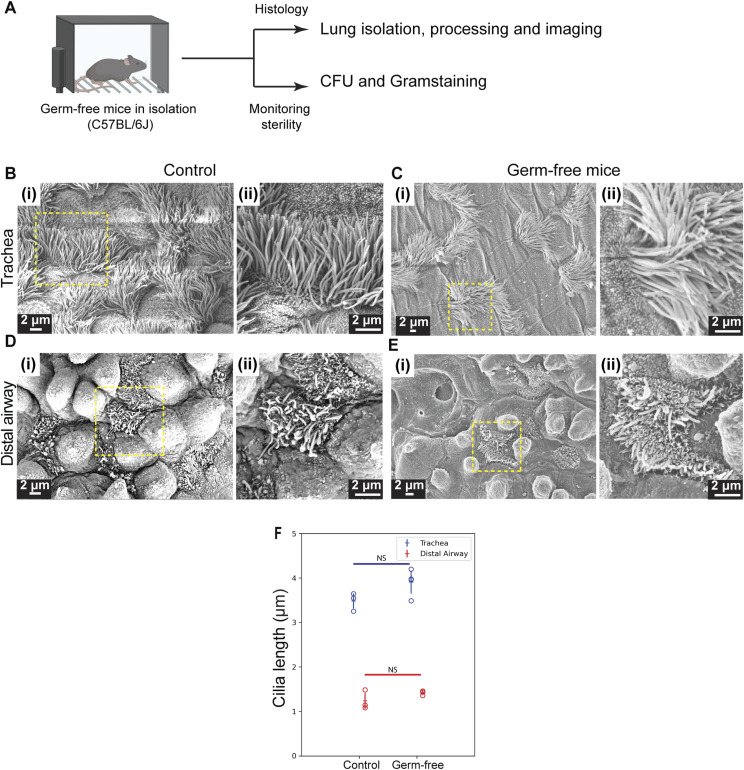 Figure 12
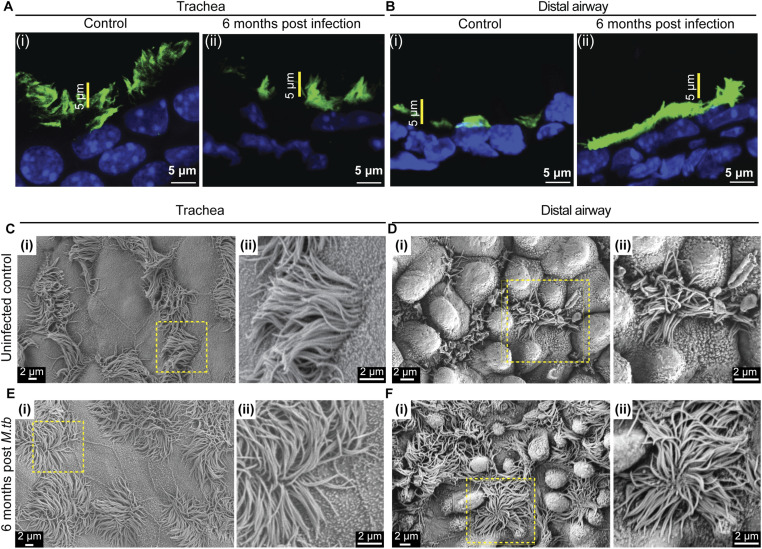 Figure 13
Peer Reviews
No public reviews on file for this paper yet. If you reviewed it on a platform where reviews are public (OpenReview, ICLR, NeurIPS, ICML), you can paste yours below so the community can read it here.
Videos
No videos yet. Explain this paper in a talk, walkthrough, or lecture? Add one.
Taxonomy
TopicsCystic Fibrosis Research Advances · Genetic and Kidney Cyst Diseases · Neonatal Respiratory Health Research