Developmental and reproductive toxicity assessment of sporoderm-removed Ganoderma lucidum spores
Junxiu Liu, Yisheng Song, Chuanhuai Chen, Jing Liu, Siming Zhang, Fang Liu, Ruiyu Tian, Jinjin Shao, Lili Zhang, Tingli Bian, Ruimin Sun, Li Yu, Shuizhen Pan, Yunxiang Chen, Yaoxian Xuan, Hanbo Wang, Zhenhao Li, Ying Chen, Lijiang Zhang

TL;DR
This study assesses the safety of a processed form of Ganoderma lucidum spores during pregnancy and lactation, finding no harmful effects in animal models.
Contribution
The study provides the first comprehensive developmental and reproductive toxicity assessment of sporoderm-removed Ganoderma lucidum spores.
Findings
No maternal or embryotoxic effects were observed in rats at tested doses.
Rabbit embryos showed normal development in vitro with no adverse effects.
The safe dose level was 20 times higher than the intended clinical dose.
Abstract
Ganoderma lucidum is a fungus used in traditional Chinese medicine with high medicinal value and is also widely used in modern healthcare. Its spores are reported to contain antitumor and anti-inflammatory properties, among other biological benefits; however, the thick spore wall limits its bioavailability. Sporoderm-removed Ganoderma lucidum spores (RGLS) offer improved bioavailability. However, data on their safety in pregnant and lactating populations remain limited, highlighting the need for developmental and reproductive toxicity (DART) assessment. We aimed to evaluate the developmental and reproductive safety of RGLS to support its clinical application in maternal and perinatal populations. Following ICH S5 (R3) guidelines, we conducted three non-clinical DART studies: embryo-fetal developmental (EFD) toxicity in rats, in vitro whole-embryo culture (WEC) in rabbits, and prenatal…
Genes, proteins, chemicals, diseases, species, mutations and cell lines named across the full text — each resolved to its canonical identifier and authoritative record.
Click any figure to enlarge with its caption.
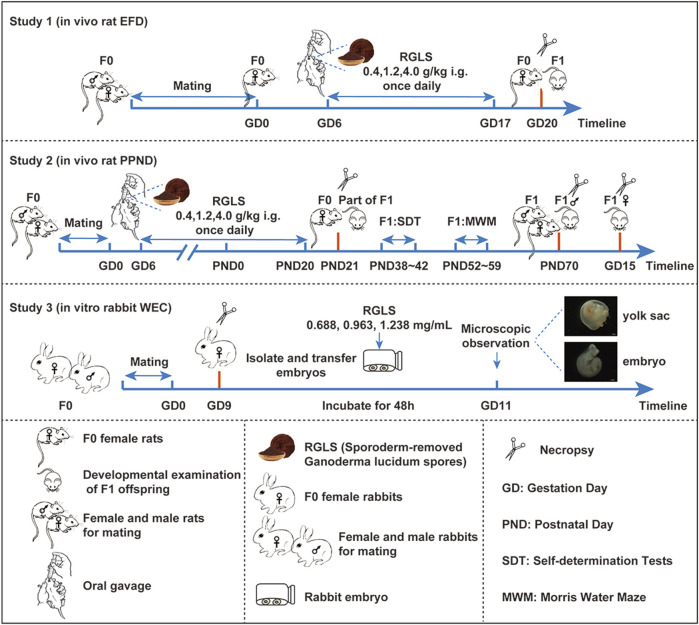 Figure 1
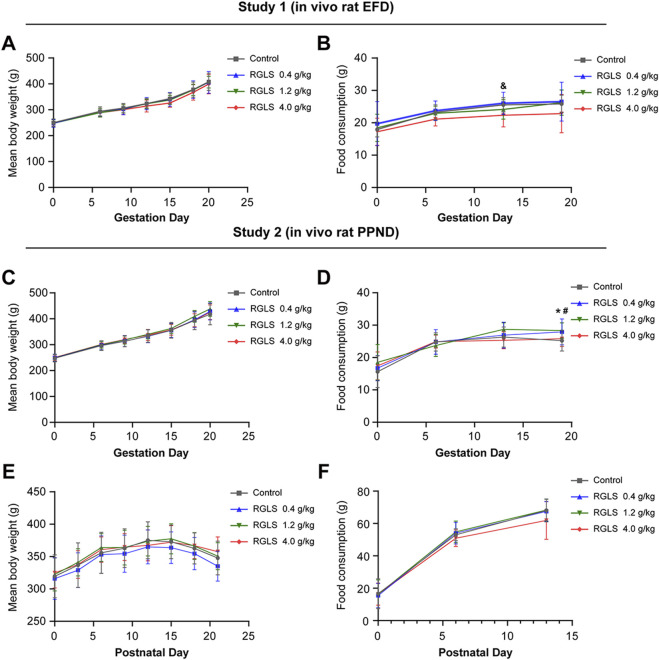 Figure 2
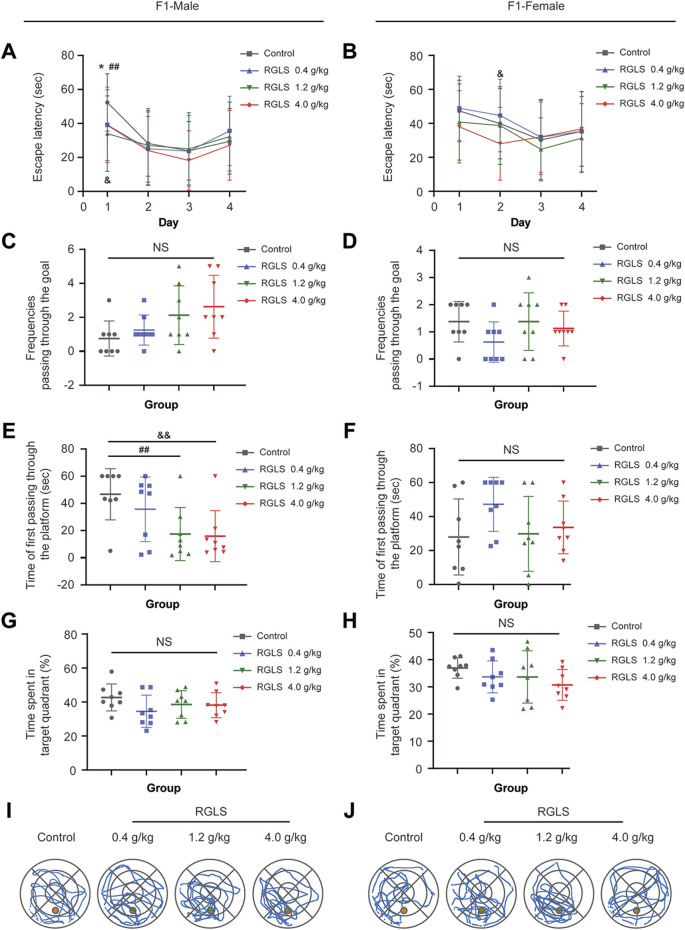 Figure 3
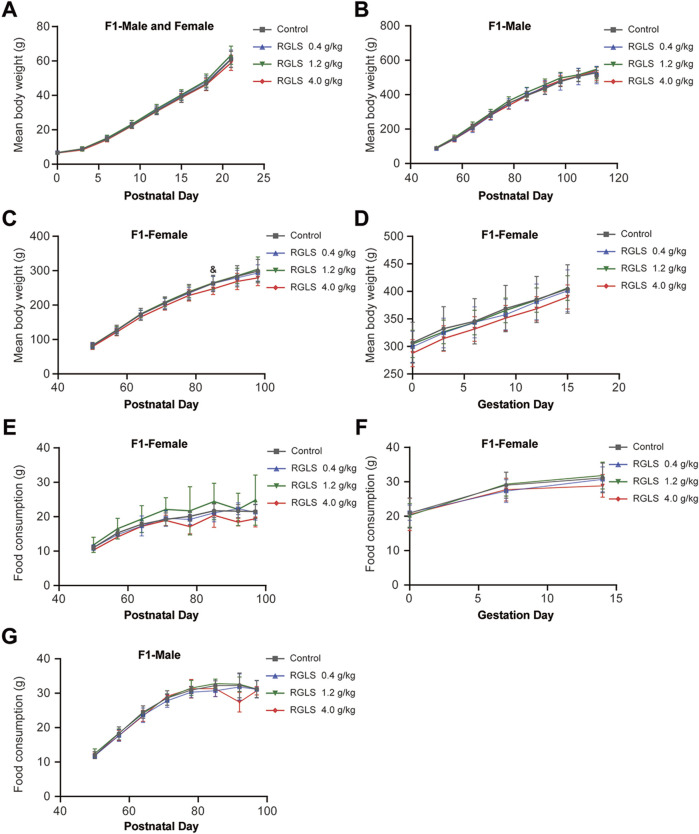 Figure 4
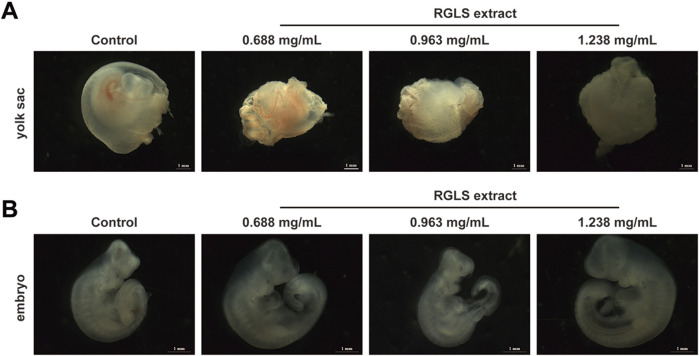 Figure 5
Peer Reviews
No public reviews on file for this paper yet. If you reviewed it on a platform where reviews are public (OpenReview, ICLR, NeurIPS, ICML), you can paste yours below so the community can read it here.
Videos
No videos yet. Explain this paper in a talk, walkthrough, or lecture? Add one.
Taxonomy
TopicsFungal Biology and Applications · Mycorrhizal Fungi and Plant Interactions · Biocrusts and Microbial Ecology