Cuproptosis-driven reprogramming of fibroblast communication by GK is associated with the immune microenvironment in diabetic foot ulcers
Tianbo Li, Jiangning Wang, Lei Gao

TL;DR
This study shows that the gene GK, linked to copper-dependent cell death, plays a role in immune communication in diabetic foot ulcers and could be a potential diagnostic and therapeutic target.
Contribution
The study identifies GK as a novel cuproptosis-related biomarker associated with fibroblast-immune interactions in diabetic foot ulcers.
Findings
GK expression correlates with immune cell infiltration and predicted ligand-receptor communication in DFUs.
GK is a robust diagnostic biomarker with high AUC in distinguishing DFU from healthy tissue.
Animal experiments confirm elevated GK expression in wound and diabetic wound models.
Abstract
Diabetic foot ulcers (DFUs) involve chronic inflammation and impaired healing. Emerging evidence implicates copper-dependent regulated cell death (cuproptosis) in immune microenvironment regulation, but its role in DFU fibroblast-immune crosstalk remains unknown. We analyzed scRNA-seq datasets (GSE231643, GSE134431) from DFU/healthy skin. After quality control (25,198 cells retained) and clustering, fibroblasts with elevated cuproptosis scores were identified via ssGSEA. Fibroblast-specific DEGs were screened (Wilcoxon rank-sum; |log2FC|>1, p<0.05) and functionally annotated (KEGG/GO). Machine learning (LASSO, SVM-RFE, Random Forest) pinpointed diagnostic biomarkers, validated by ROC analysis. Immune infiltration (CIBERSORT) and cellular communication (CellChat) were assessed in high/low biomarker groups. In vivo validation used nine SD rats (normal/wound/diabetic wound groups; n=3);…
Genes, proteins, chemicals, diseases, species, mutations and cell lines named across the full text — each resolved to its canonical identifier and authoritative record.
Click any figure to enlarge with its caption.
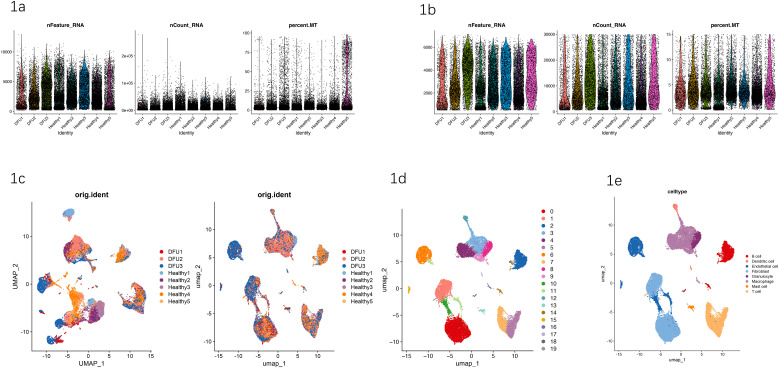 Figure 1
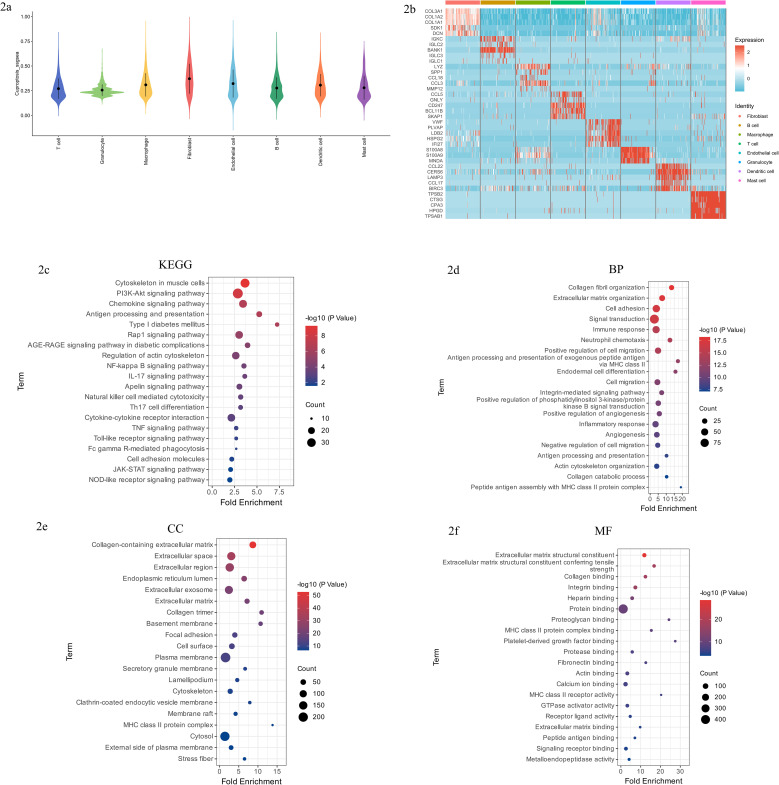 Figure 2
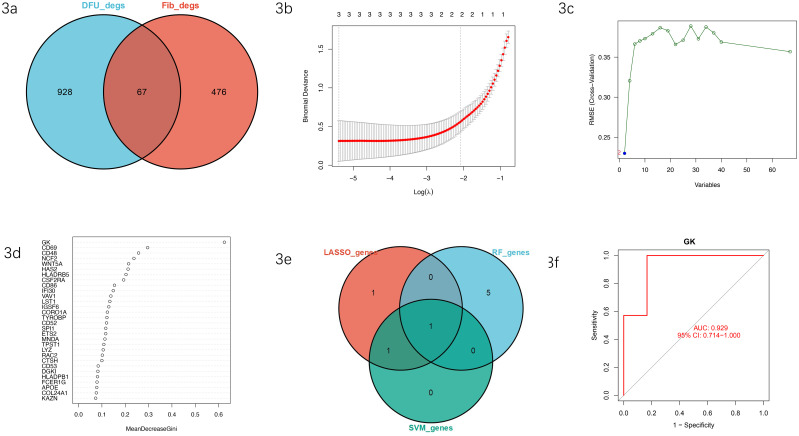 Figure 3
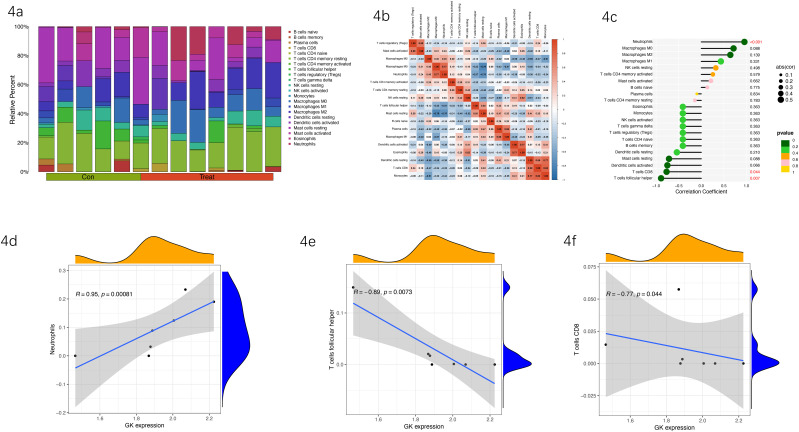 Figure 4
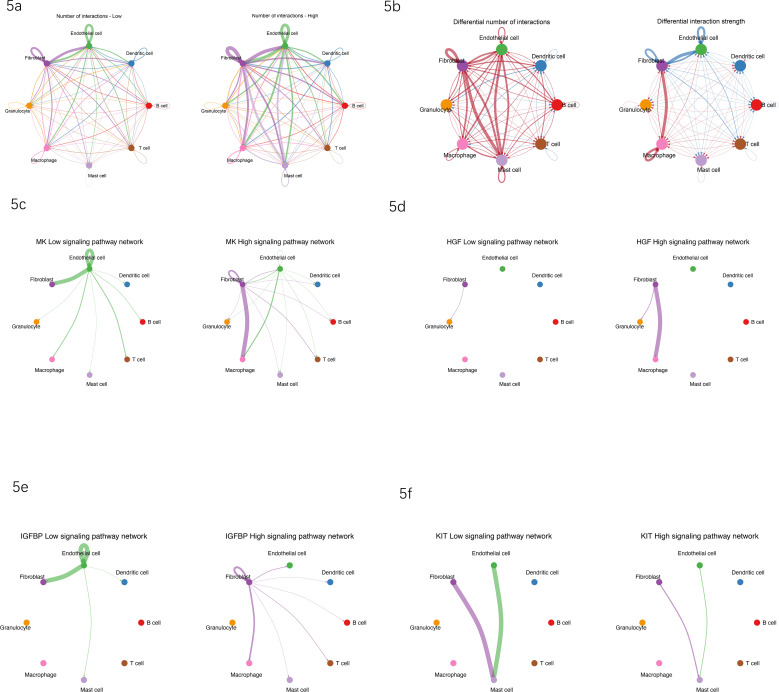 Figure 5
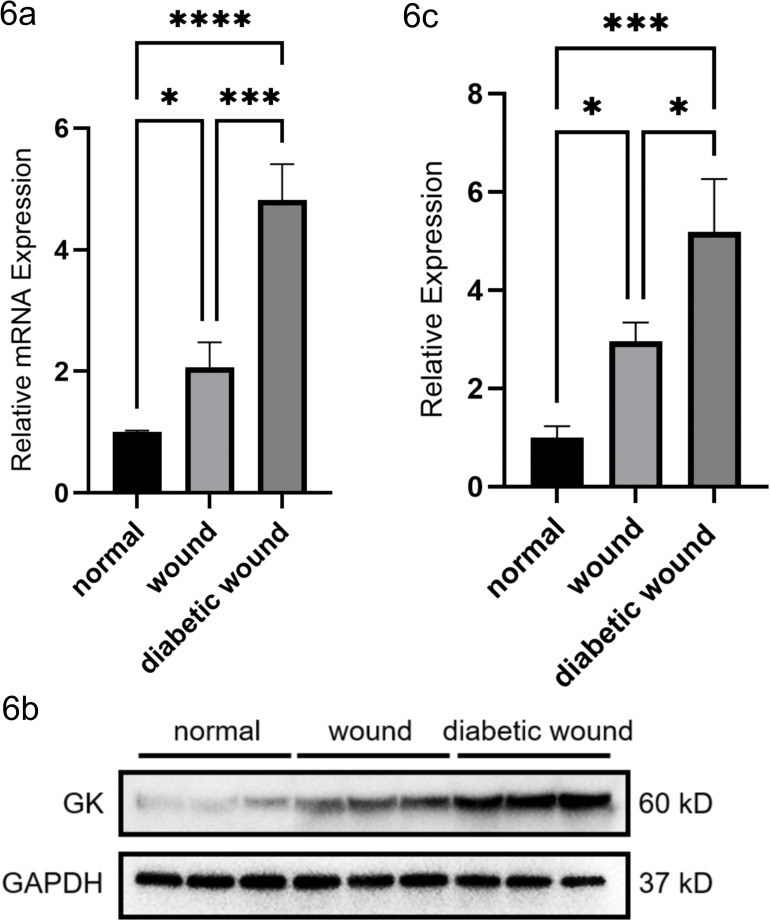 Figure 6
Peer Reviews
No public reviews on file for this paper yet. If you reviewed it on a platform where reviews are public (OpenReview, ICLR, NeurIPS, ICML), you can paste yours below so the community can read it here.
Videos
No videos yet. Explain this paper in a talk, walkthrough, or lecture? Add one.
Taxonomy
TopicsDiabetic Foot Ulcer Assessment and Management · Wound Healing and Treatments · Mesenchymal stem cell research