Protosappanin A protects against pathological cardiac hypertrophy by inhibiting oxidative stress and NLRP3 inflammasome-mediated pyroptosis via activation of the Nrf2 signaling pathway
Qing He, Yun Zheng, Xiaoli Yan, Shanshan Lv, Bo Yu

TL;DR
Protosappanin A protects the heart from damage by reducing stress and inflammation through a key pathway called Nrf2.
Contribution
This study is the first to show that Protosappanin A reduces heart damage via Nrf2 activation.
Findings
PTA improved heart function and reduced cell enlargement and fibrosis in mice with heart stress.
PTA reduced oxidative stress and cell death (pyroptosis) in heart cells.
Nrf2 inhibition blocked the protective effects of PTA, confirming its role in the mechanism.
Abstract
Pathological cardiac hypertrophy is a pivotal pathological process underlying various cardiac diseases, including heart failure (HF). Protosappanin A (PTA), a major biphenyl compound isolated from Caesalpinia sappan, has been shown to confer significant protective effects against multiple cardiovascular insults. However, its precise role in pressure overload-induced pathological cardiac hypertrophy remains elusive. In the present study, a mouse model was established through transverse aortic constriction (TAC) surgery and then intragastrically administered with PTA for 4 weeks. Our results indicate that PTA treatment led to an improvement in cardiac contractile function, a reduction in cardiomyocyte hypertrophy, and an attenuation of myocardial fibrosis in TAC-operated mice. Notably, PTA exerted its anti-hypertrophic actions by mitigating myocardial oxidative stress injury and…
Genes, proteins, chemicals, diseases, species, mutations and cell lines named across the full text — each resolved to its canonical identifier and authoritative record.
Click any figure to enlarge with its caption.
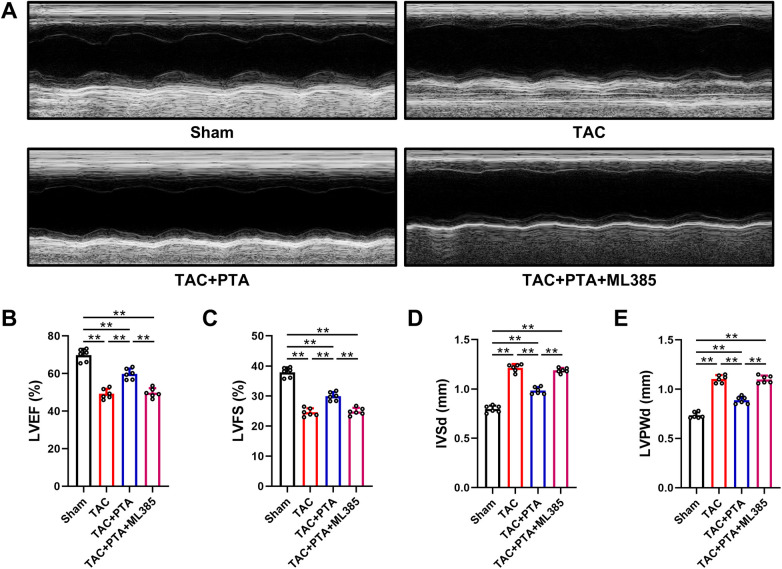 Figure 1
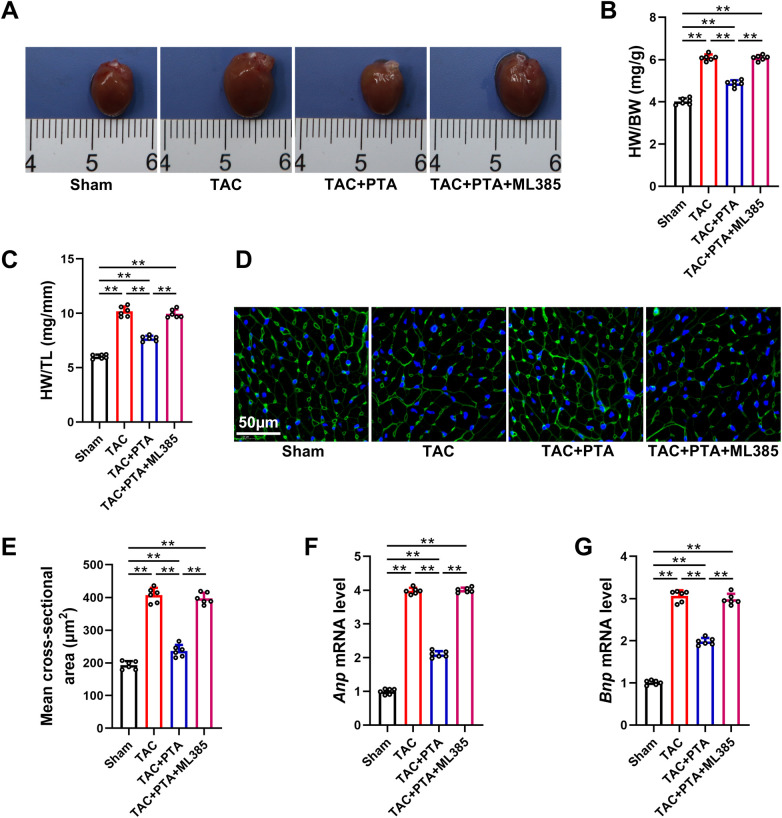 Figure 2
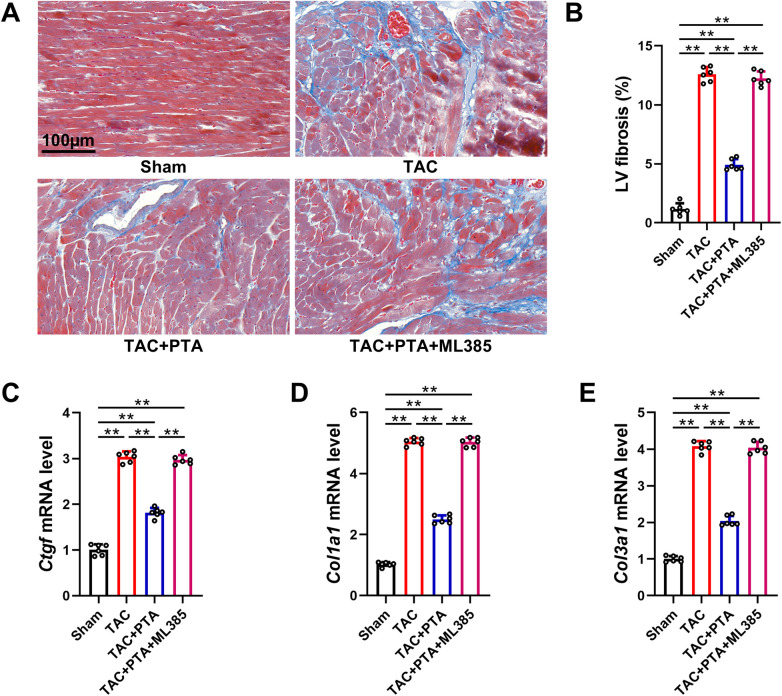 Figure 3
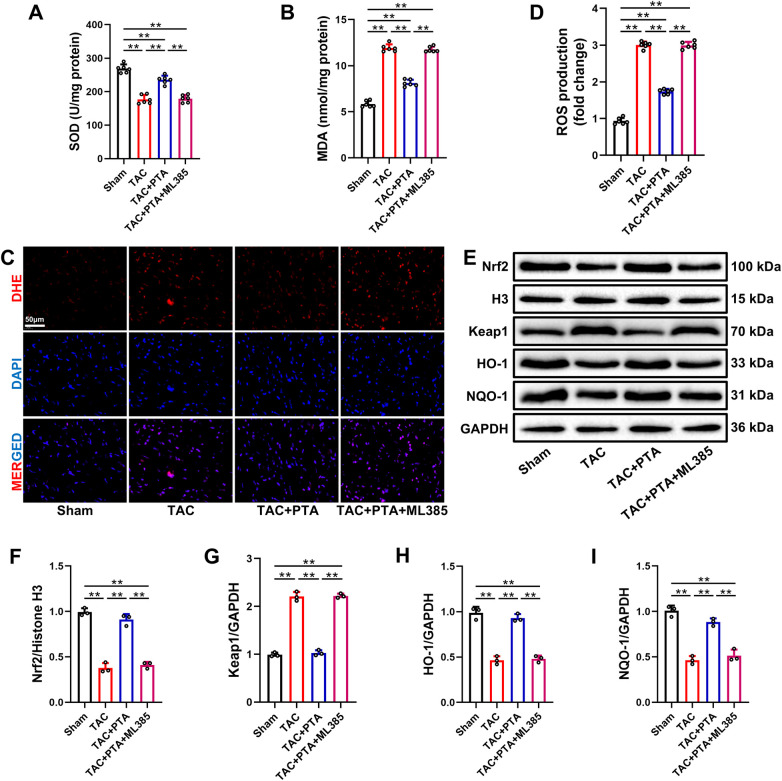 Figure 4
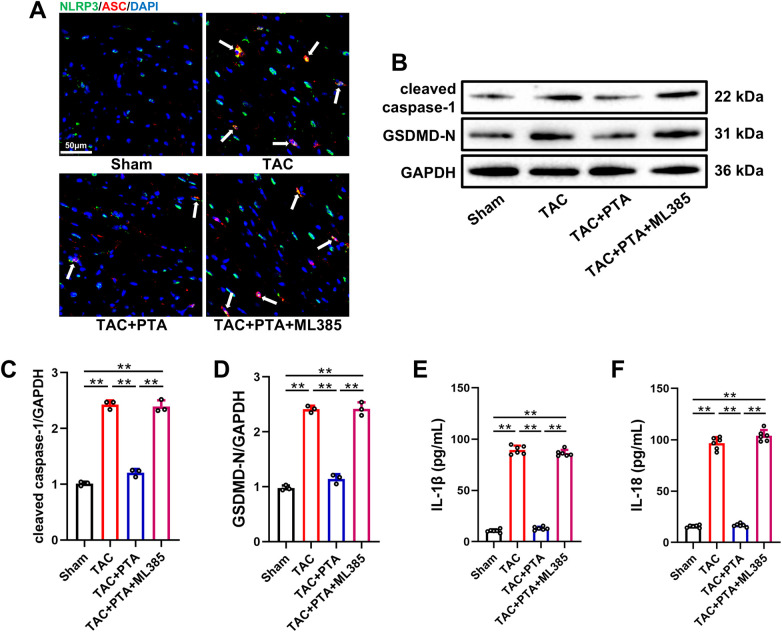 Figure 5
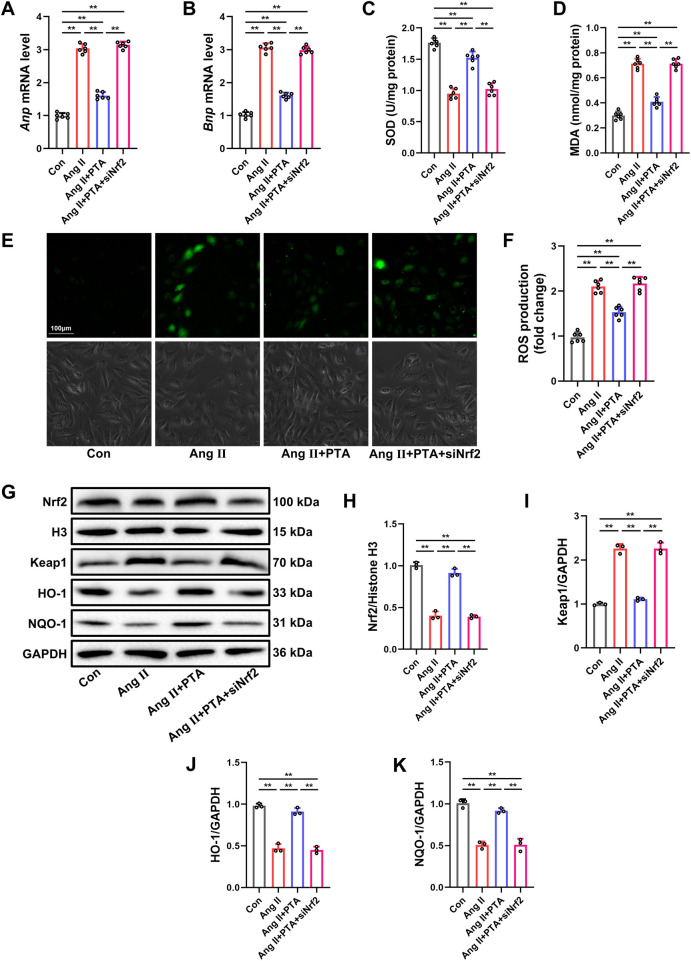 Figure 6
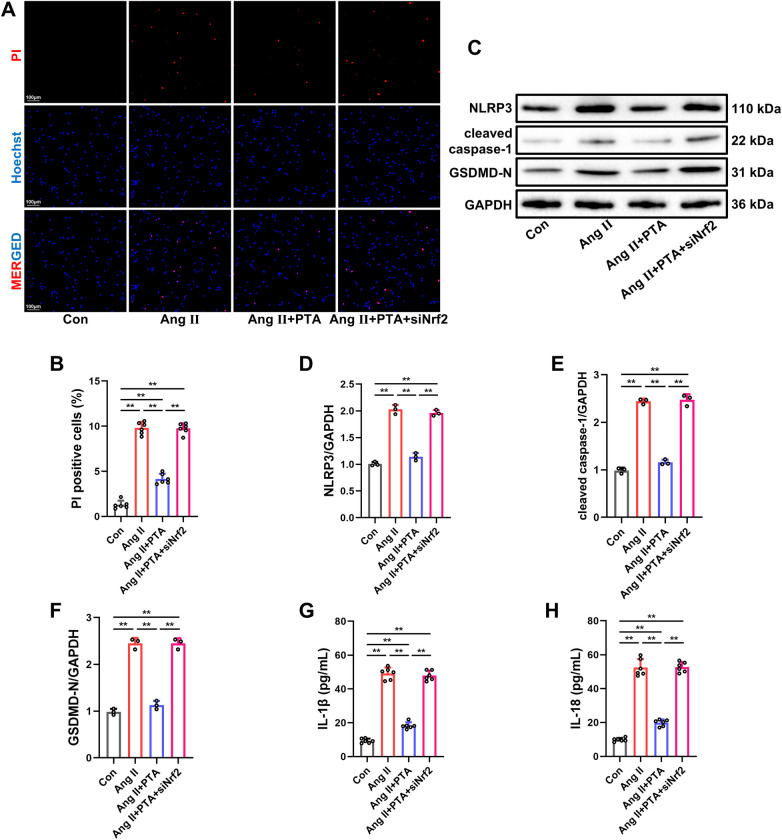 Figure 7
Peer Reviews
No public reviews on file for this paper yet. If you reviewed it on a platform where reviews are public (OpenReview, ICLR, NeurIPS, ICML), you can paste yours below so the community can read it here.
Videos
No videos yet. Explain this paper in a talk, walkthrough, or lecture? Add one.
Taxonomy
TopicsBiological Stains and Phytochemicals · Signaling Pathways in Disease · Nuclear Receptors and Signaling