The DEAD-box RNA helicase eIF4A is a crucial factor for stem-cell activity and reproduction of the parasite Schistosoma mansoni
Sophie Welsch, Oliver Puckelwaldt, Sagar Ajmera, Francesca Magari, Simone Haeberlein, Arnold Grünweller, Christoph G. Grevelding

TL;DR
This study identifies a crucial role for the eIF4A protein in the reproduction and stem-cell activity of the Schistosoma mansoni parasite.
Contribution
The study reveals that SmeIF4A-a is essential for stem-cell proliferation and egg production in Schistosoma mansoni.
Findings
SmeIF4A-a is vital for gonad maintenance and egg production in Schistosoma mansoni.
RNAi of SmeIF4A-a leads to loss of proliferation in germinal and somatic stem cells.
SmeIF4A-b does not show a distinct functional role in reproduction.
Abstract
The parasite Schistosoma mansoni has a unique reproductive biology, because female maturation depends on constant pairing with a male. Paired females produce each up to 300 eggs per day, which are the pathogenic factors of schistosomiasis, a neglected tropical disease that affects > 240 million people worldwide. Due to the importance of egg production for life-cycle maintenance and pathology, molecular mechanisms controlling schistosome reproduction are in the focus of research. Among the candidates involved in regulating the reproductive biology of this parasite are DEAD-box RNA helicases. These enzymes are associated with various cellular processes, including ribosome biogenesis and post-transcriptional regulation. In platyhelminths, helicases are largely unexplored. One member of the DEAD-box helicase family is the eukaryotic translation initiation factor 4A (eIF4A), which unwinds…
Genes, proteins, chemicals, diseases, species, mutations and cell lines named across the full text — each resolved to its canonical identifier and authoritative record.
Click any figure to enlarge with its caption.
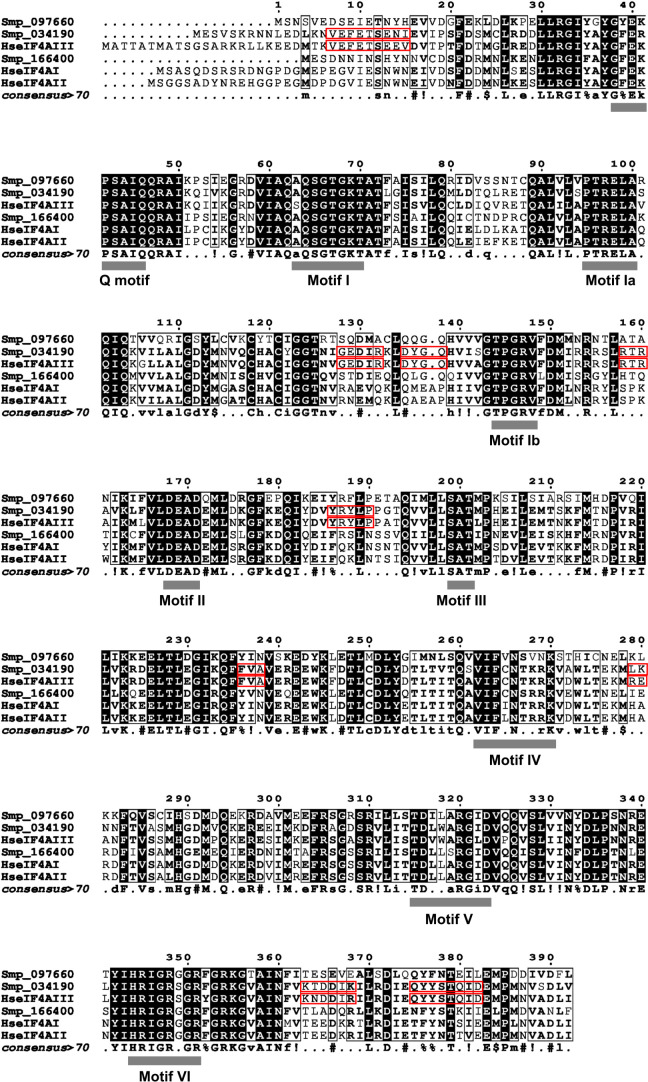 Figure 1
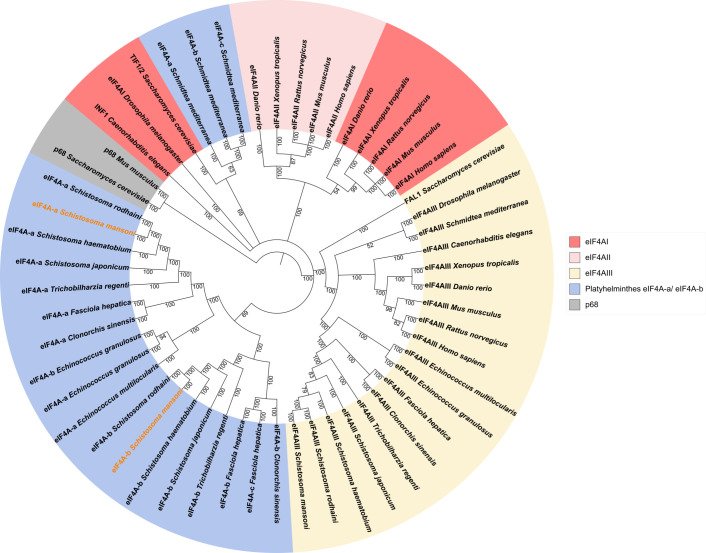 Figure 2
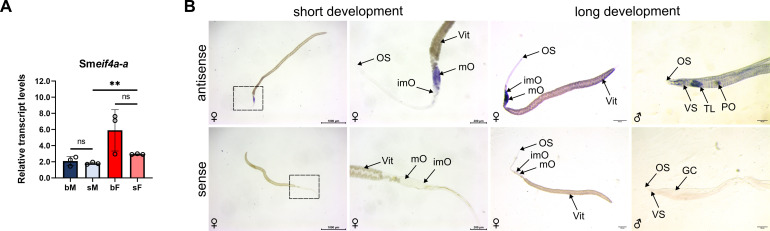 Figure 3
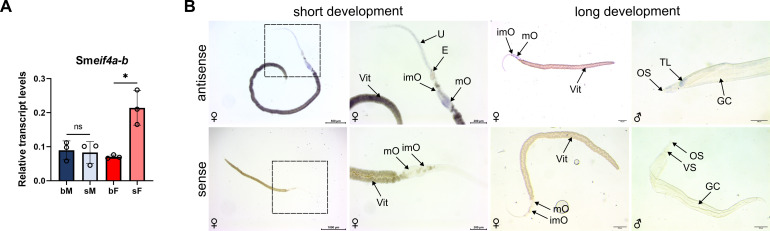 Figure 4
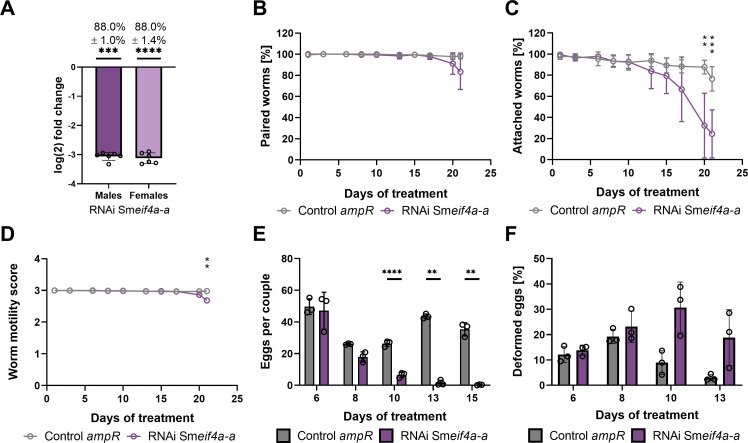 Figure 5
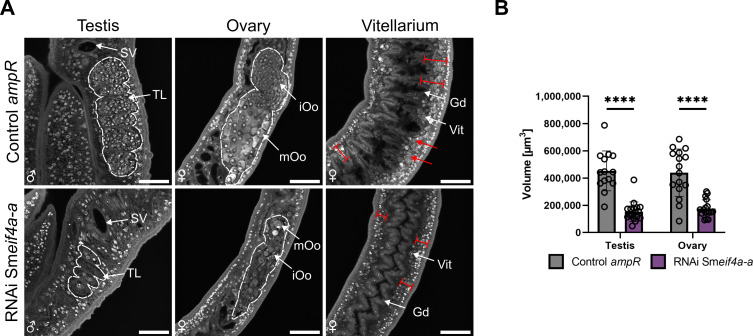 Figure 6
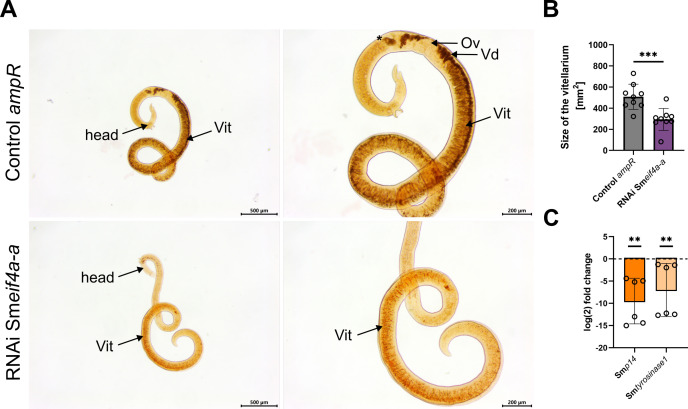 Figure 7
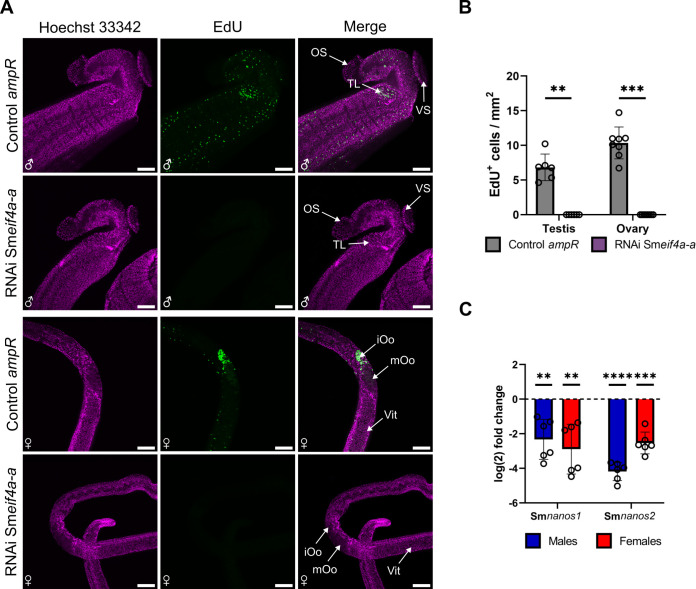 Figure 8
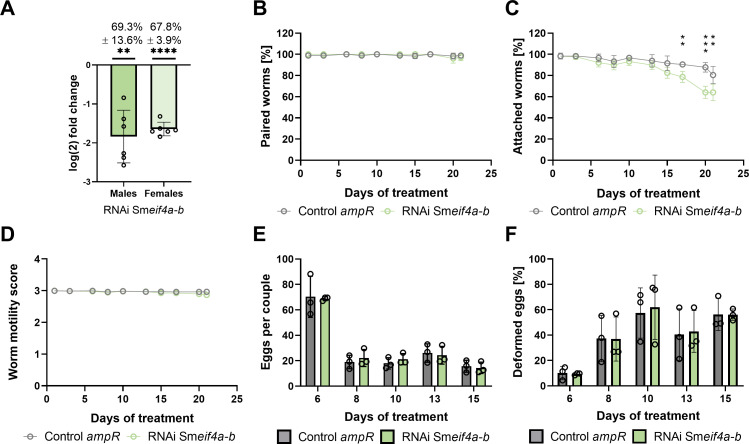 Figure 9
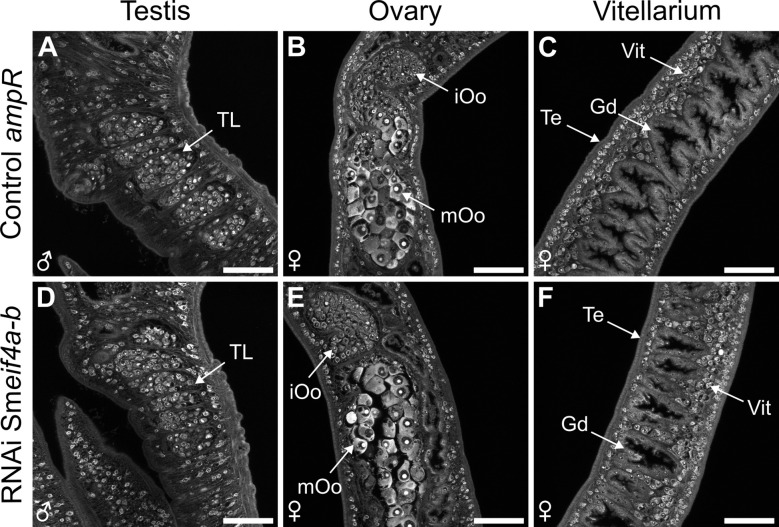 Figure 10
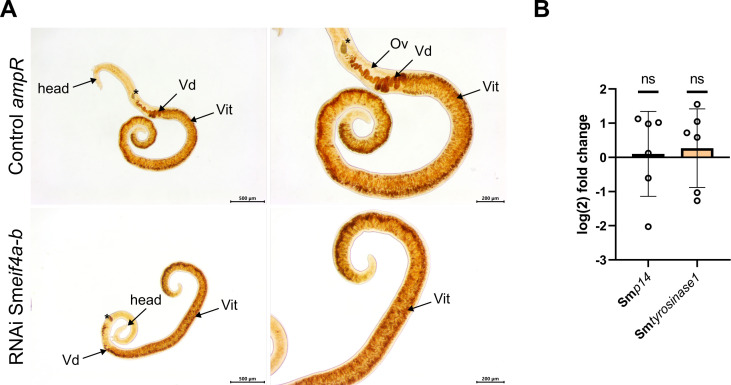 Figure 11
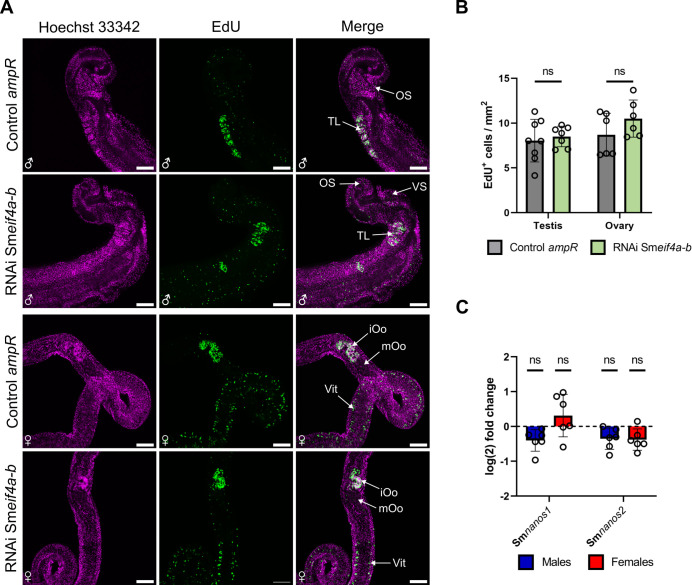 Figure 12
Peer Reviews
No public reviews on file for this paper yet. If you reviewed it on a platform where reviews are public (OpenReview, ICLR, NeurIPS, ICML), you can paste yours below so the community can read it here.
Videos
No videos yet. Explain this paper in a talk, walkthrough, or lecture? Add one.
Taxonomy
TopicsPI3K/AKT/mTOR signaling in cancer · Parasites and Host Interactions · RNA Research and Splicing