Prolonged survival in EGFR exon 20 insertion mutant lung adenocarcinoma: case report of sequential osimertinib and furmonertinib with research trend analysis
Yishan Lu, Ruiguo Zhao, Ning Wang, Jingjing Zhao, Nana Huang, Abdullah Al-danakh, Haijing Liu, Ping Gao

TL;DR
A patient with a rare lung cancer mutation lived longer with high-dose targeted drugs, suggesting new treatment possibilities.
Contribution
A case report showing prolonged survival with sequential high-dose EGFR-TKIs in EGFR exon 20 insertion mutant lung cancer.
Findings
A patient with EGFR exon 20 insertion mutation achieved durable response with high-dose osimertinib followed by furmonertinib.
Overall survival of approximately 37 months was observed with sequential high-dose third-generation EGFR-TKIs.
Bibliometric analysis shows increasing global research focus on variant-specific treatments for EGFR exon 20 insertion mutations.
Abstract
Epidermal growth factor receptor (EGFR) exon 20 insertion (ex20ins)-mutant non-small cell lung cancer (NSCLC) is characterized by limited sensitivity to standard-dose EGFR tyrosine kinase inhibitors (EGFR-TKIs) and historically poor clinical outcomes. Although agents such as amivantamab and other targeted therapies have expanded treatment options, access barriers and marked variant-specific heterogeneity remain major challenges. Emerging evidence suggests that dose-escalated third-generation EGFR-TKIs may provide clinical benefit in selected ex20ins subtypes, yet real-world data are scarce. We describe a 56-year-old never-smoking female with metastatic lung adenocarcinoma harboring an EGFR A767_V769dup exon 20 insertion and co-mutations in TP53, SETD2, SMAD4, and ETV6, with low PD-L1 expression. In the setting of limited access to amivantamab at diagnosis and preliminary evidence…
Genes, proteins, chemicals, diseases, species, mutations and cell lines named across the full text — each resolved to its canonical identifier and authoritative record.
Click any figure to enlarge with its caption.
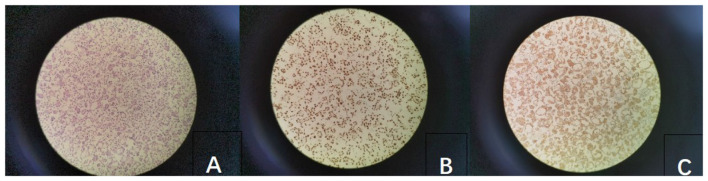 Figure 1
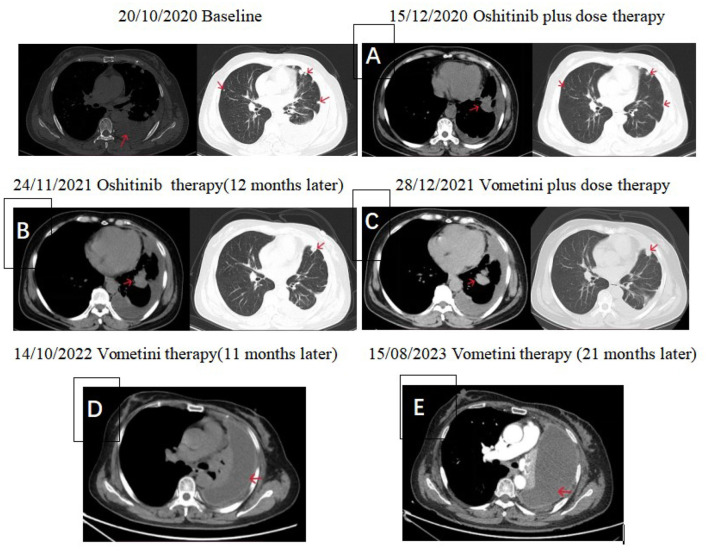 Figure 2
 Figure 3
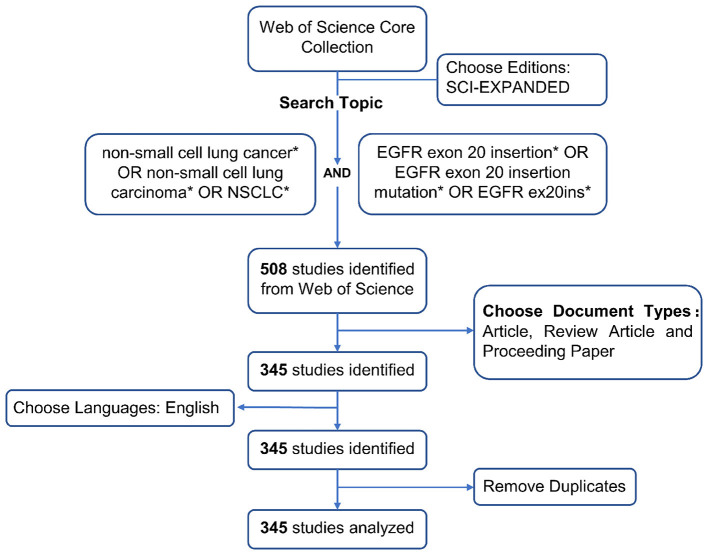 Figure 4
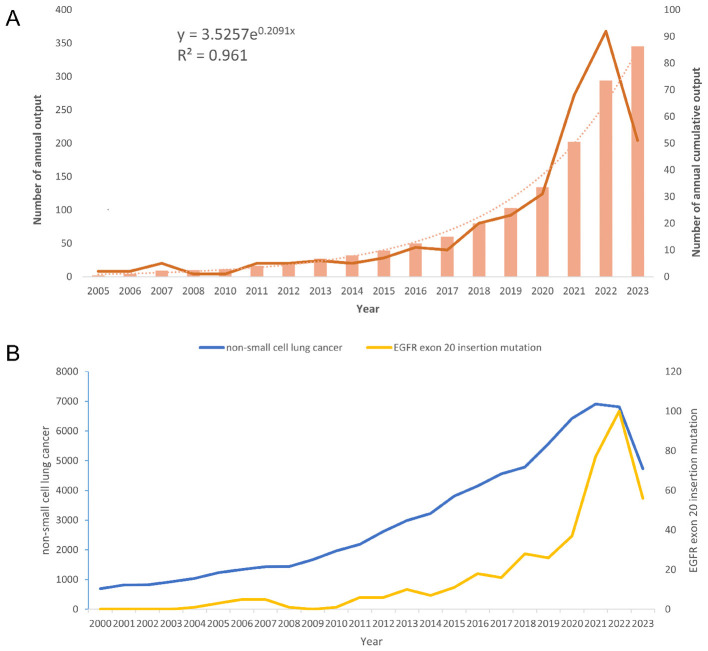 Figure 5
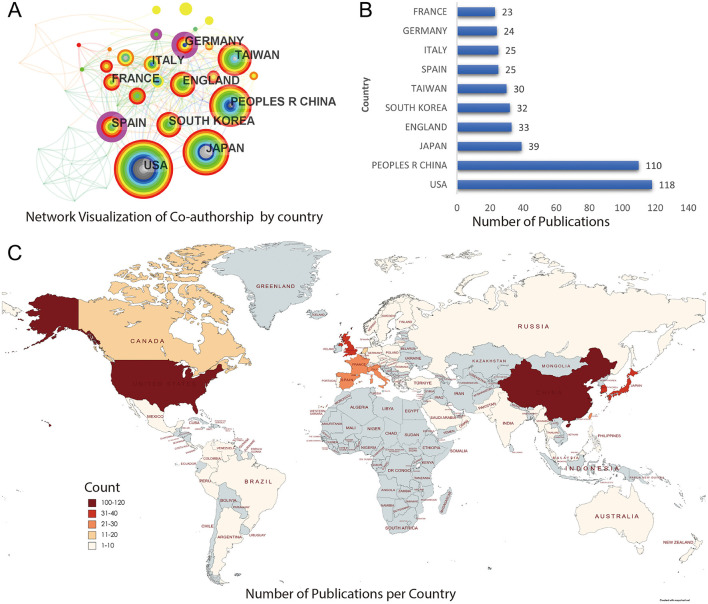 Figure 6
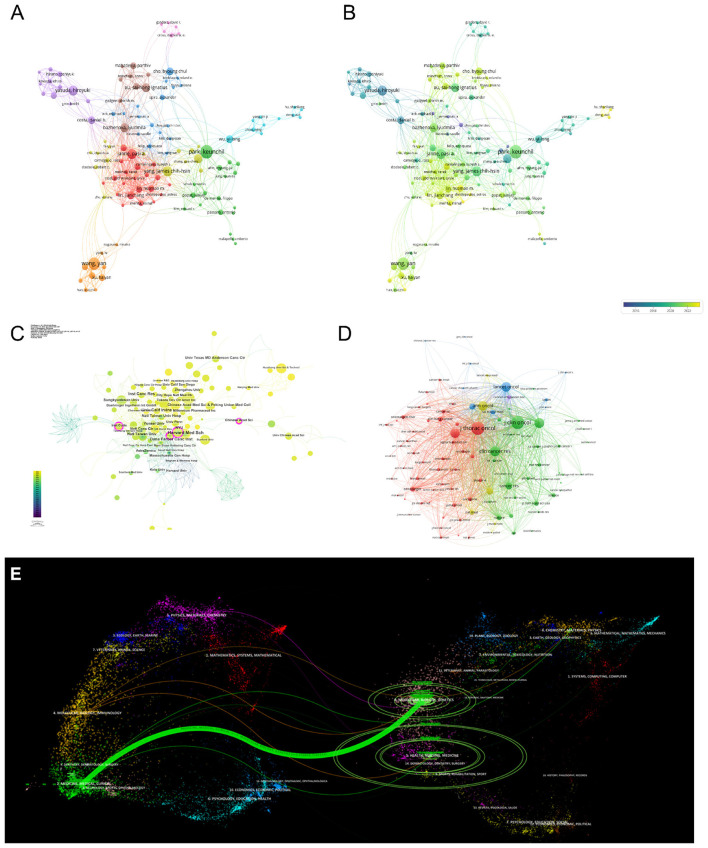 Figure 7
Peer Reviews
No public reviews on file for this paper yet. If you reviewed it on a platform where reviews are public (OpenReview, ICLR, NeurIPS, ICML), you can paste yours below so the community can read it here.
Videos
No videos yet. Explain this paper in a talk, walkthrough, or lecture? Add one.
Taxonomy
TopicsLung Cancer Treatments and Mutations · Cancer Immunotherapy and Biomarkers · Advanced Breast Cancer Therapies