Sequential analysis and its applications to neuromorphic engineering
Shivaram Mani, Saeed Afshar, Travis Monk

TL;DR
This paper introduces sequential analysis as a statistical tool for understanding and designing neuromorphic circuits, which mimic brain-like computation.
Contribution
The paper introduces sequential analysis to the neuromorphic engineering community as an accessible framework for analyzing threshold-crossing systems.
Findings
Sequential analysis can provide statistical limits of circuit performance and design rules.
It offers tractable abstractions of complex circuit behavior and links parameters to observable dynamics.
The framework can serve as a benchmark, proxy model, and design tool in neuromorphic engineering.
Abstract
Neuromorphic circuits operate by comparing fluctuating signals to thresholds. This operation underpins sensing and computation in both neuromorphic architectures and biological nervous systems. Rigorous analysis of such systems is rarely attempted because the statistical tools to study them are both inaccessible and largely unknown to the neuromorphic community. We offer a gentle introduction to one such tool, sequential analysis, a classical framework that addresses a particular class of threshold-crossing problems. We define the formal problem analyzed in sequential analysis and present Abraham Wald's elegant methodology for solving it. We then apply this framework to three examples in neuromorphic engineering, demonstrating how it can serve as a benchmark, proxy model, and design tool. Our introduction is understandable without prior training in probability or statistics.…
Click any figure to enlarge with its caption.
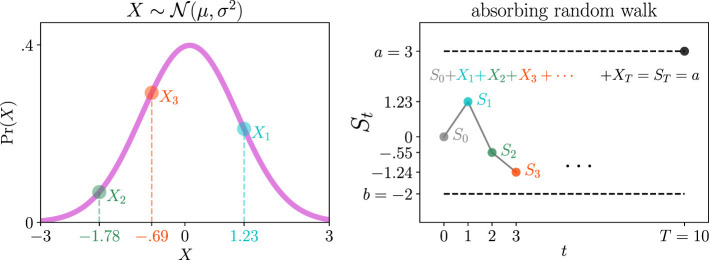 Figure 1
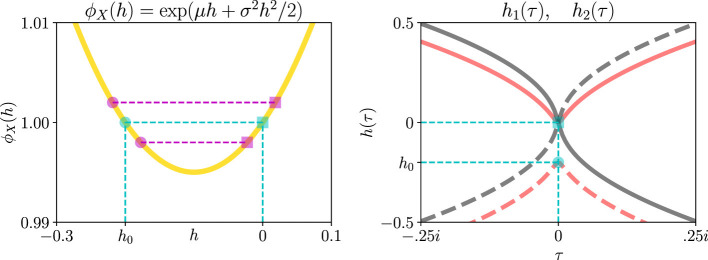 Figure 2
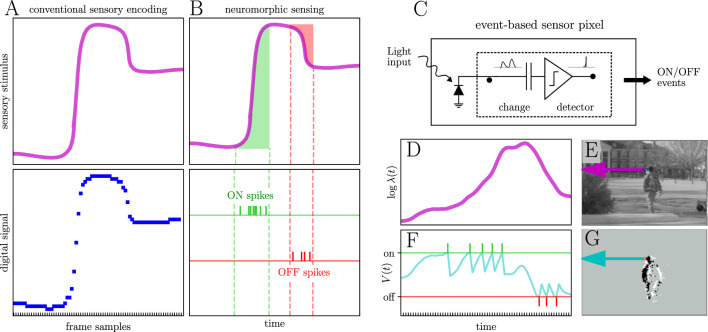 Figure 3
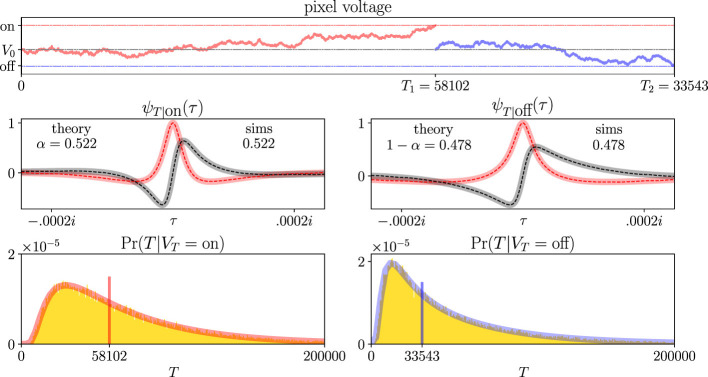 Figure 4
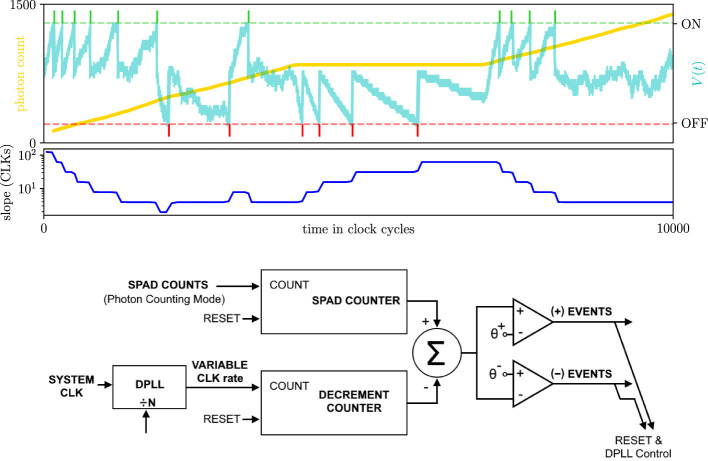 Figure 5
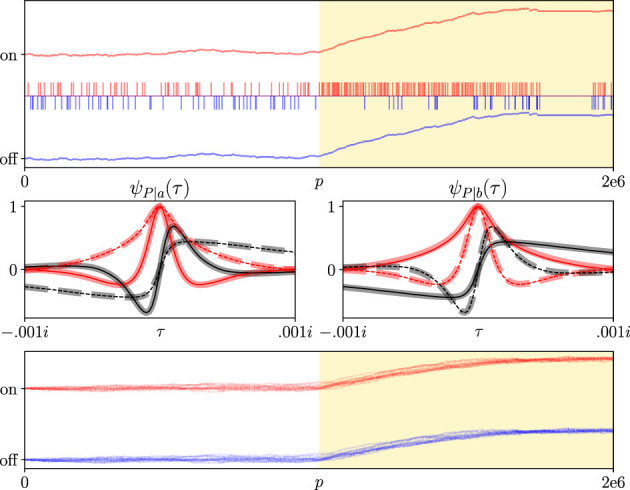 Figure 6
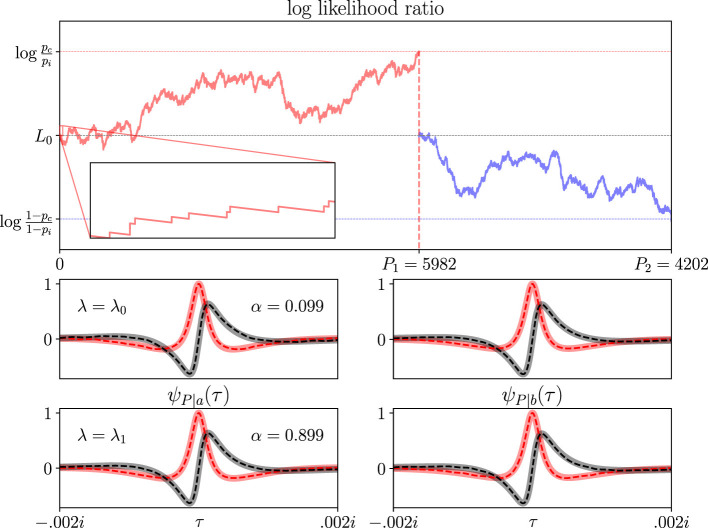 Figure 7
Peer Reviews
No public reviews on file for this paper yet. If you reviewed it on a platform where reviews are public (OpenReview, ICLR, NeurIPS, ICML), you can paste yours below so the community can read it here.
Videos
No videos yet. Explain this paper in a talk, walkthrough, or lecture? Add one.
Taxonomy
TopicsAdvanced Memory and Neural Computing · Ferroelectric and Negative Capacitance Devices · Neural Networks and Reservoir Computing