Serological evidence of continued exposure to Plasmodium falciparum among residents in a near-elimination setting
Muhammad Muzhaffar Daud, Aprillia Andika Rahayu, M. Ilyas, Derico Hitipeuw, Fadhila Fitriana, Jadidan Hada Syahada, Raisha Nuranindita, Fariha Akmalina Amirudin, Edo Yungki Saputra, Bo-Young Jeon, Ni Kadek Dita Cahyani, Nuruliarizki Shinta Pandupuspitasari, Jin-Hee Han, Fauzi Muh

TL;DR
The study finds that even in areas close to malaria elimination, people still have varying levels of exposure to the parasite, with some antigens showing widespread immunity while others indicate localized transmission.
Contribution
The study introduces a serological approach using PfEBA175 and PfRh5 antigens to detect residual malaria exposure in a near-elimination setting.
Findings
PfEBA175 seroprevalence ranged from 10 to 40%, with higher responses in Kembaran and Wadas compared to controls.
PfRh5 showed universal immunogenicity with 53–70% seroprevalence across all villages.
Behavioral and environmental factors shaped focalized exposure patterns, as seen in PfEBA175 responses.
Abstract
Malaria transmission has significantly declined in several endemic regions following extensive control efforts, bringing some areas close to elimination status. However, residual exposure to Plasmodium falciparum may persist even when clinical cases become rare. Serological markers provide valuable insights into historical and recent exposure by detecting long-lived antibodies that remain after infection. The use of blood-stage antigens such as PfEBA175 and PfRh5 allows for assessing population-level immunity and identifying potential hotspots of residual transmission. A community-based cross-sectional study was conducted from May to June 2025 across four endemic villages (Sedayu, Kemejing, Kembaran, and Wadas) in the Menoreh Hills. Blood samples from 120 malaria-exposed individuals and 24 malaria-negative controls were analyzed using protein microarray to assess antibody responses to…
Genes, proteins, chemicals, diseases, species, mutations and cell lines named across the full text — each resolved to its canonical identifier and authoritative record.
Click any figure to enlarge with its caption.
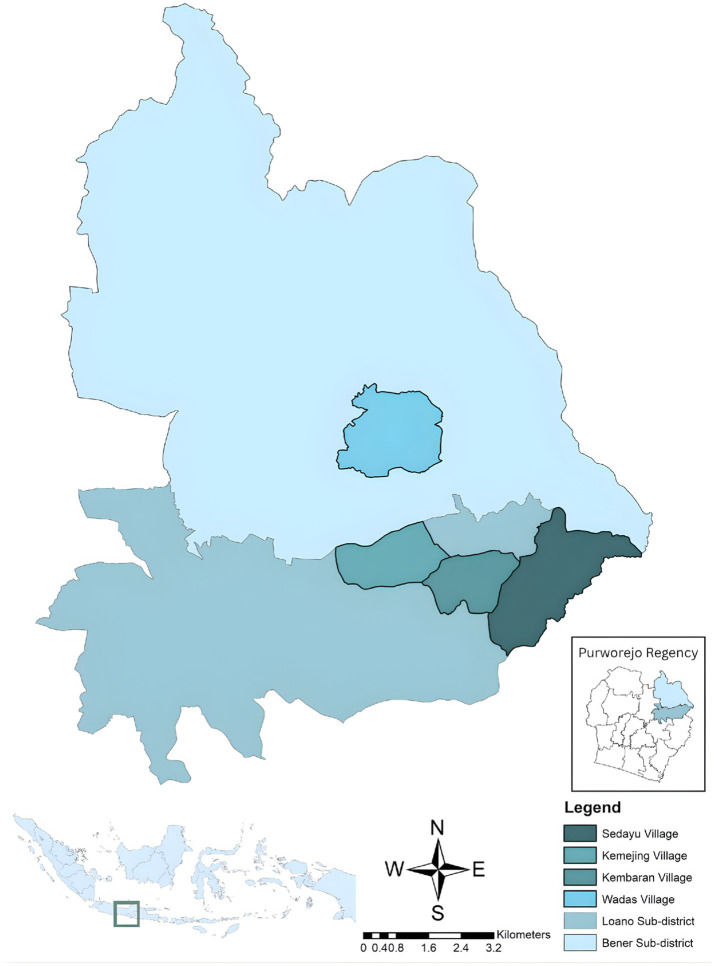 Figure 1
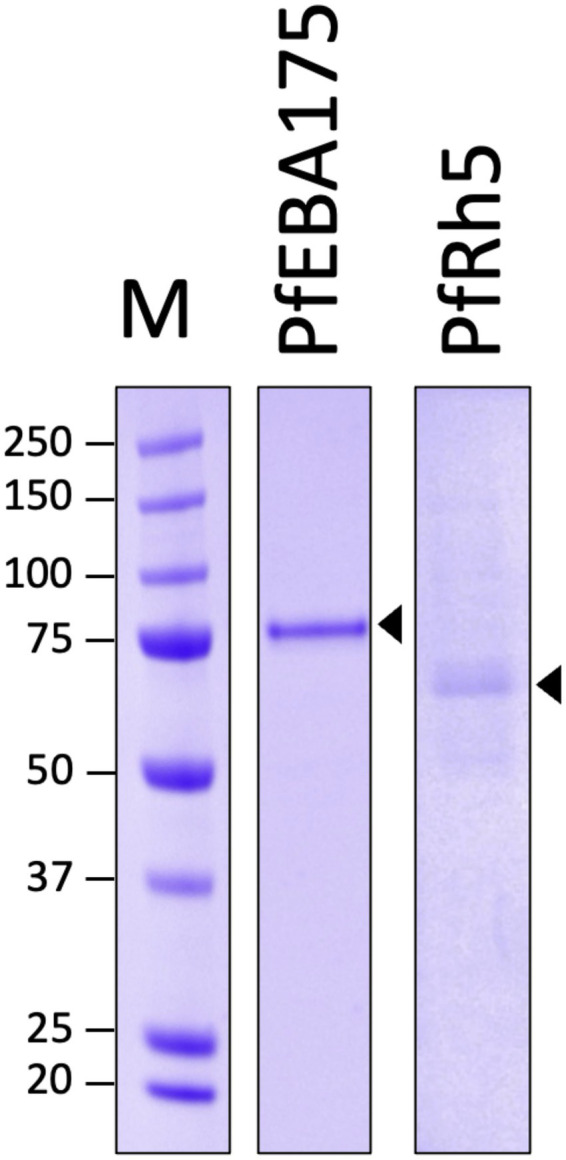 Figure 2
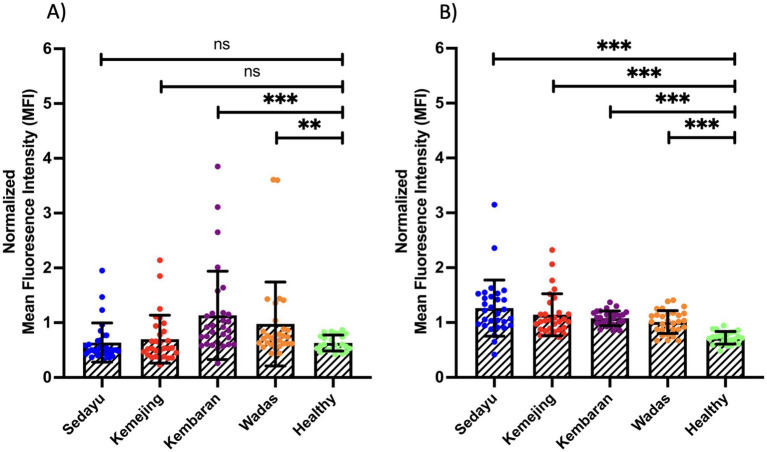 Figure 3
Peer Reviews
No public reviews on file for this paper yet. If you reviewed it on a platform where reviews are public (OpenReview, ICLR, NeurIPS, ICML), you can paste yours below so the community can read it here.
Videos
No videos yet. Explain this paper in a talk, walkthrough, or lecture? Add one.
Taxonomy
TopicsMalaria Research and Control · Mosquito-borne diseases and control · Parasites and Host Interactions