Single-cell analysis of microglial activation after traumatic brain injury reveals immune signaling pathways linked to mitochondrial dysfunction and brain aging
Ming Sun, Chao Wu, Jingjing Wu, Lixin Liu, Liang Gu, Zihao Wang, Xue Yang, Feng Xu

TL;DR
This study maps microglial responses to traumatic brain injury using single-cell analysis, revealing immune signaling pathways linked to mitochondrial dysfunction and brain aging.
Contribution
The study provides the first integrative single-cell transcriptomic map of microglial-myeloid interactions after TBI across multiple tissues and time points.
Findings
TBI induces rapid immune remodeling with increased activated microglia and macrophage populations.
Three major signaling axes (Ccl2/Ccl7–Ccr2, Tnf–Tnfrsf1b, and Grn–Flna) are linked to immune cell recruitment and polarization.
qPCR validation confirms upregulation of Ccl2, Tnf, and Grn in LPS-stimulated microglia.
Abstract
Microglia are the primary immune cells in the central nervous system (CNS); however, their temporal and spatial responses to traumatic brain injury (TBI) at the single-cell level remain poorly defined. This study aimed to map the dynamic microglial responses to TBI using single-cell transcriptomics and validate key signaling pathways in vitro. A single-cell transcriptomic atlas was reconstructed from publicly available datasets comprising cortical, hippocampal, and blood samples from 35 mice (11 blood, 12 cortex, and 12 hippocampus) subjected to TBI or sham treatment at 24 h and after 7 days. Comparative analyses were conducted to investigate the heterogeneity of myeloid cells, including monocytes, macrophages, and microglia, with a particular focus on activated microglia. The key findings were further validated using quantitative PCR (qPCR) in an in vitro TBI-mimicking model,…
Genes, proteins, chemicals, diseases, species, mutations and cell lines named across the full text — each resolved to its canonical identifier and authoritative record.
Click any figure to enlarge with its caption.
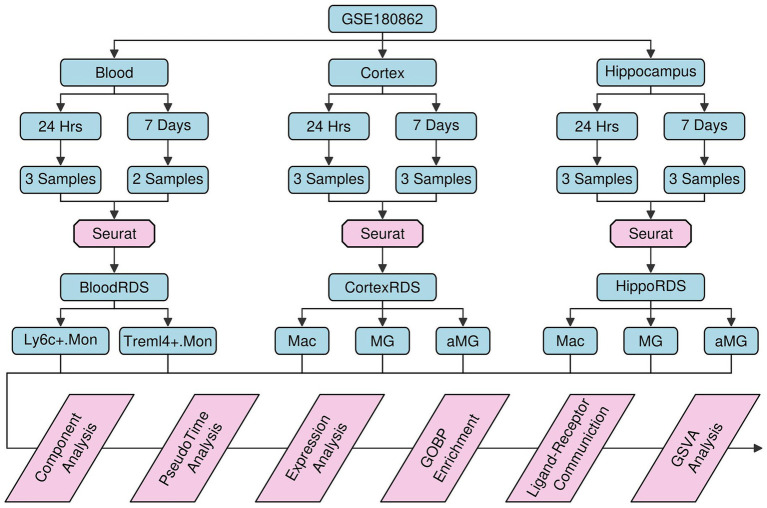 Figure 1
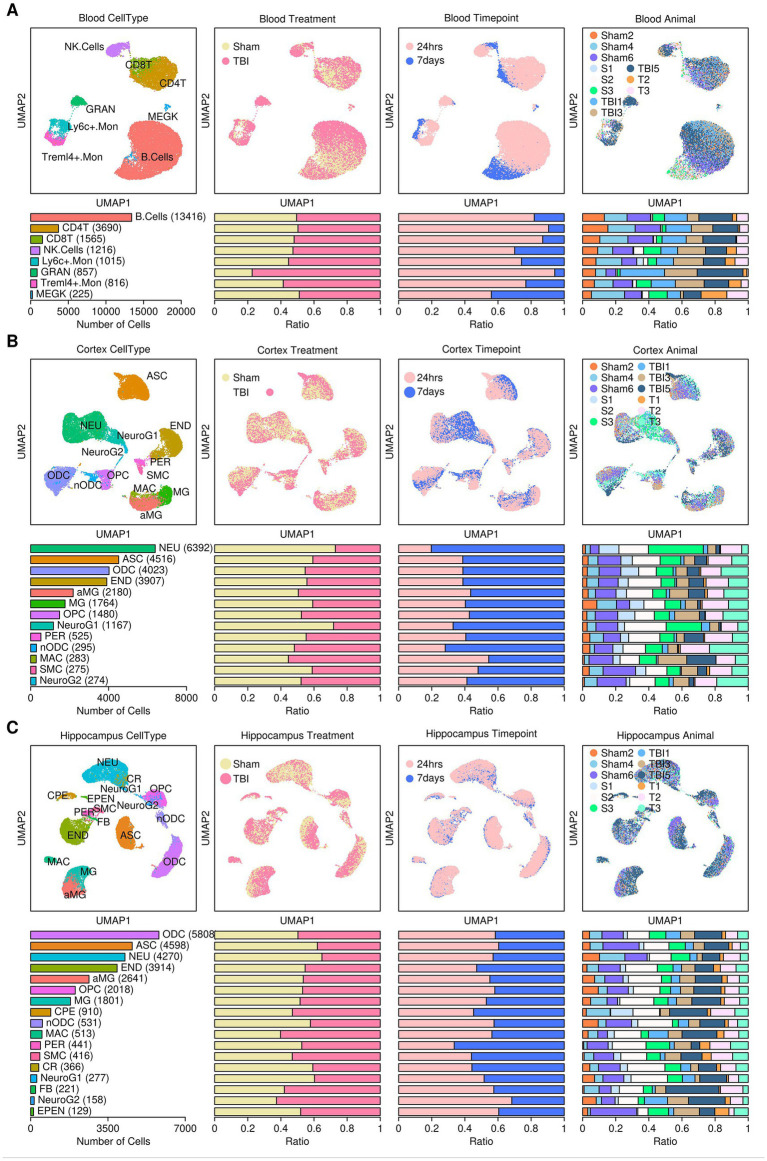 Figure 2
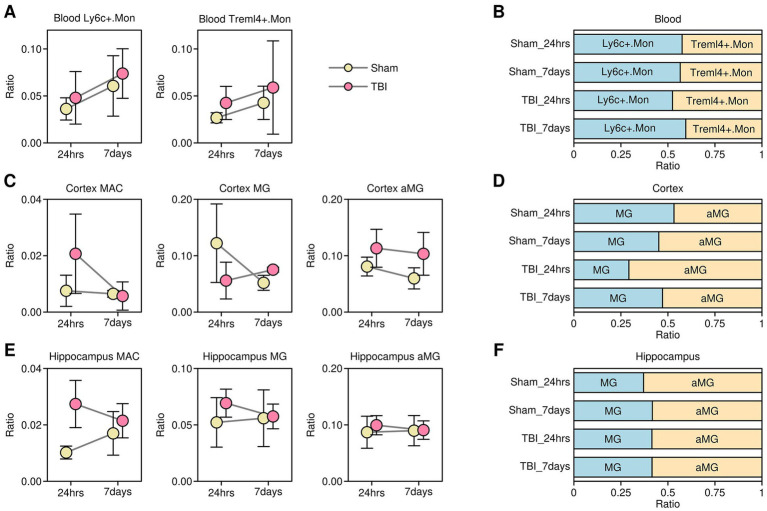 Figure 3
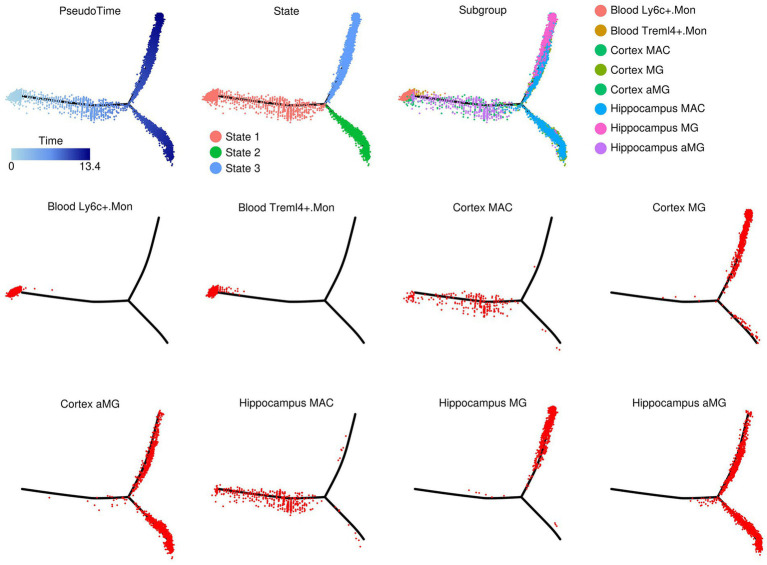 Figure 4
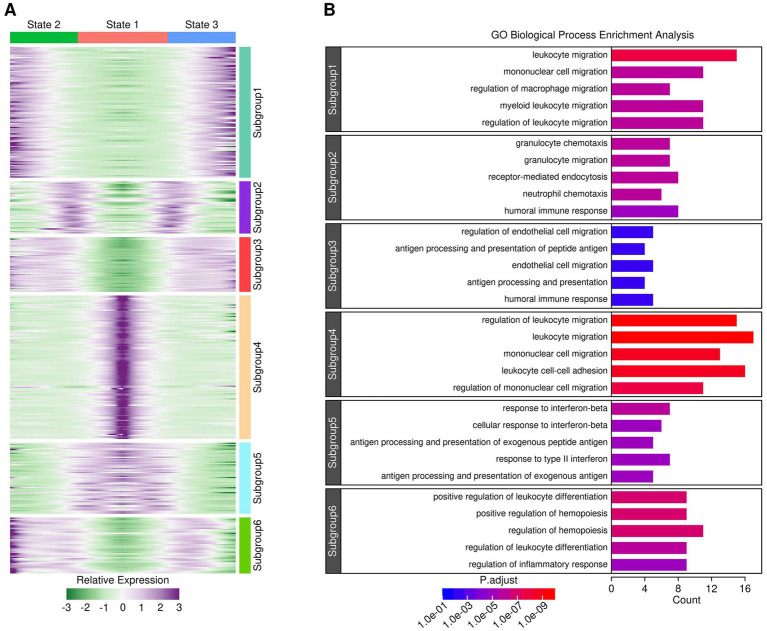 Figure 5
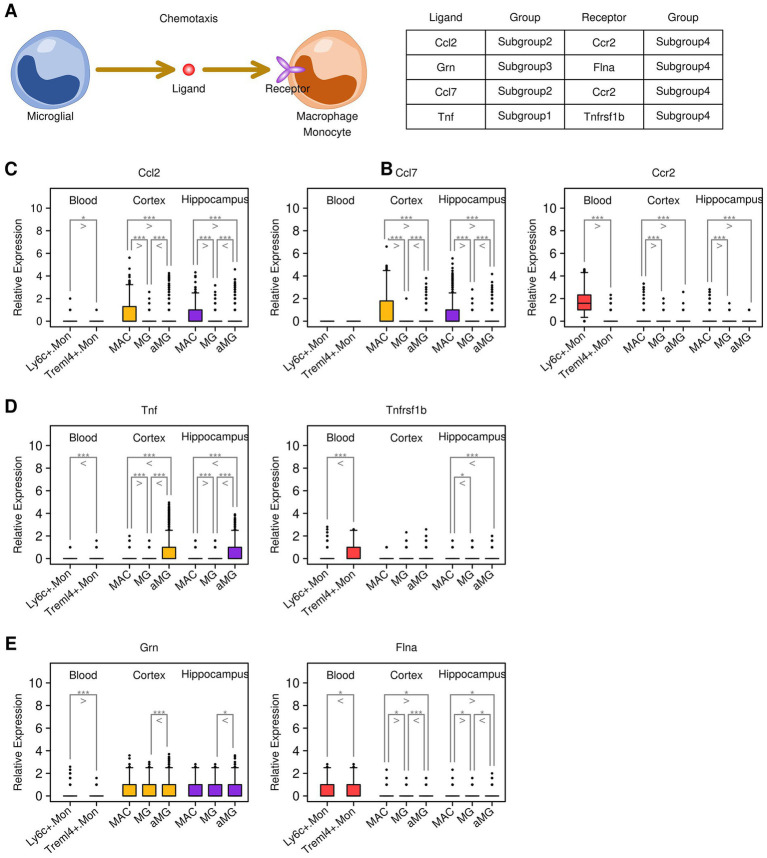 Figure 6
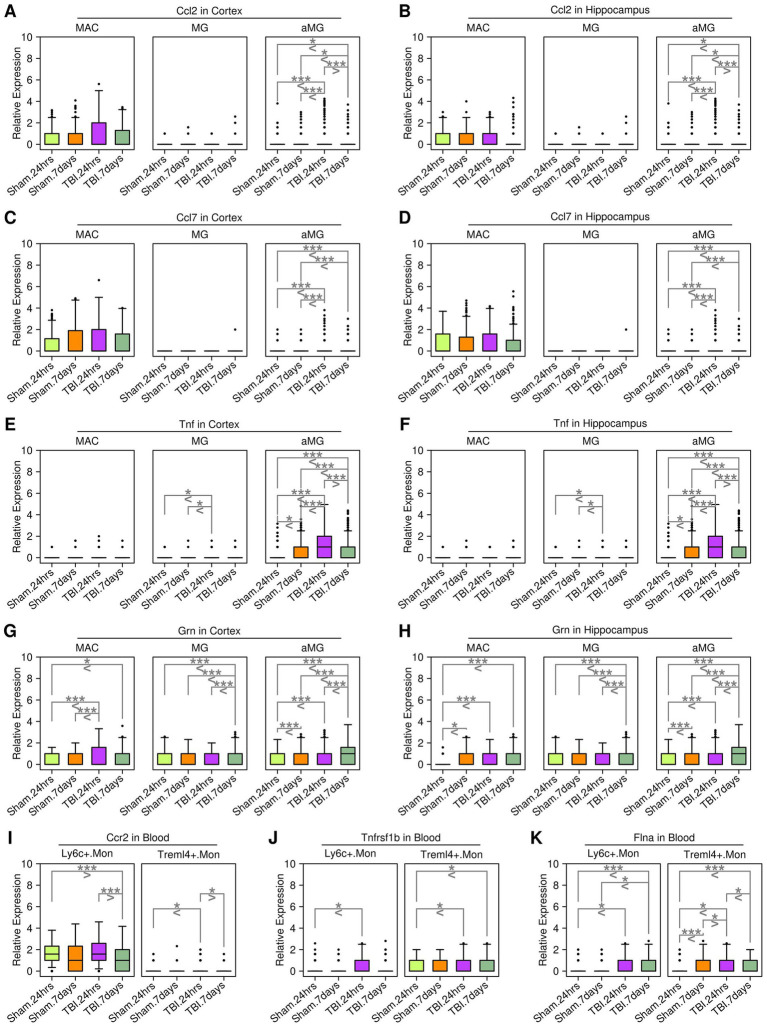 Figure 7
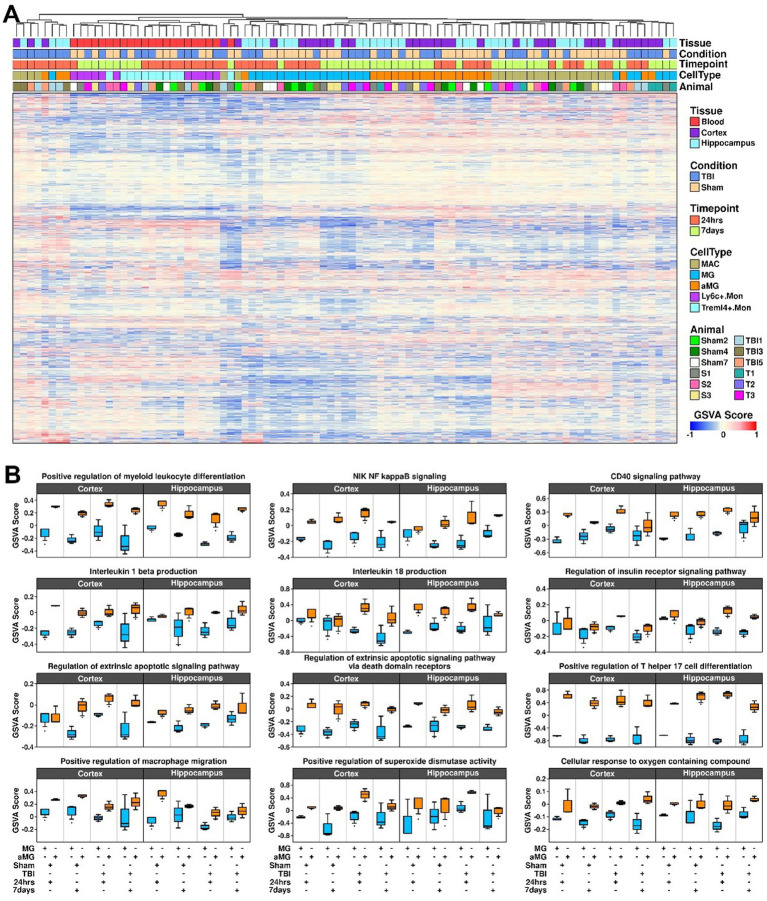 Figure 8
Peer Reviews
No public reviews on file for this paper yet. If you reviewed it on a platform where reviews are public (OpenReview, ICLR, NeurIPS, ICML), you can paste yours below so the community can read it here.
Videos
No videos yet. Explain this paper in a talk, walkthrough, or lecture? Add one.
Taxonomy
TopicsNeuroinflammation and Neurodegeneration Mechanisms · Traumatic Brain Injury and Neurovascular Disturbances · S100 Proteins and Annexins