Multi‐Omics Revealed the Effects of Intrauterine Hyperglycemia Exposure on the Development of Skeletal Muscle in Offspring
Rui Liu, Junsen She, Xinyuan Li, Yishang Yan, Jiaying Mo, Jianzhong Sheng, Hongbo Yang, Hefeng Huang

TL;DR
Exposure to high blood sugar in the womb harms offspring's muscle development, but exercise after birth can help reverse some of these effects.
Contribution
This study reveals how intrauterine hyperglycemia affects skeletal muscle development and shows that postnatal exercise can mitigate some of these effects.
Findings
IUHG leads to increased body weight, impaired glucose and insulin tolerance, and reduced muscle strength in offspring.
Postnatal exercise improves muscle structure, lipid profiles, and metabolic function in GDM-exposed offspring.
Transcriptomic and epigenomic changes in skeletal muscle include altered immune regulation, myogenesis, and lipid metabolism.
Abstract
Gestational diabetes mellitus (GDM), a common pregnancy complication characterized by maternal hyperglycemia, negatively impacts offspring health. Skeletal muscle, a critical tissue for glucose and lipid metabolism, is especially vulnerable to prenatal environmental insults. However, the effects of intrauterine hyperglycemia (IUHG) on offspring skeletal muscle development remain poorly understood. This study aimed to investigate the effects of IUHG on skeletal muscle development in offspring and evaluate whether postnatal exercise could mitigate these effects. Pregnant mice were assigned to GDM and control groups. Offspring were further divided into control and exercise subgroups. Body weight, glucose tolerance test (GTT), insulin tolerance test (ITT), body composition, muscle strength and exercise capacity were assessed. At 20 weeks of age, skeletal muscle morphology was evaluated via…
Genes, proteins, chemicals, diseases, species, mutations and cell lines named across the full text — each resolved to its canonical identifier and authoritative record.
Click any figure to enlarge with its caption.
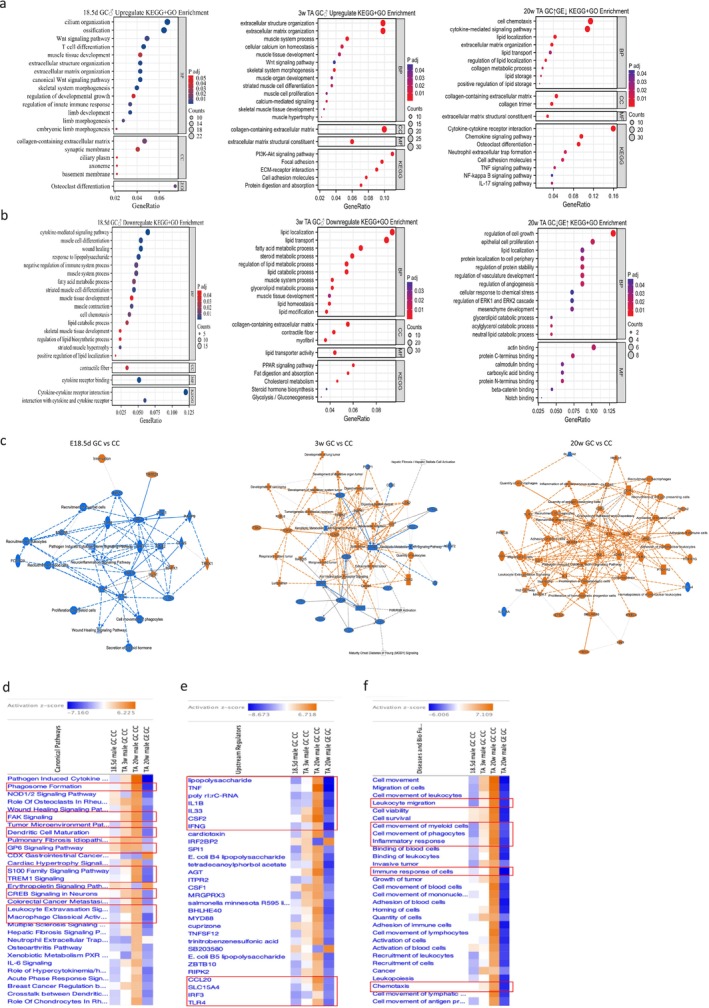 Figure 1
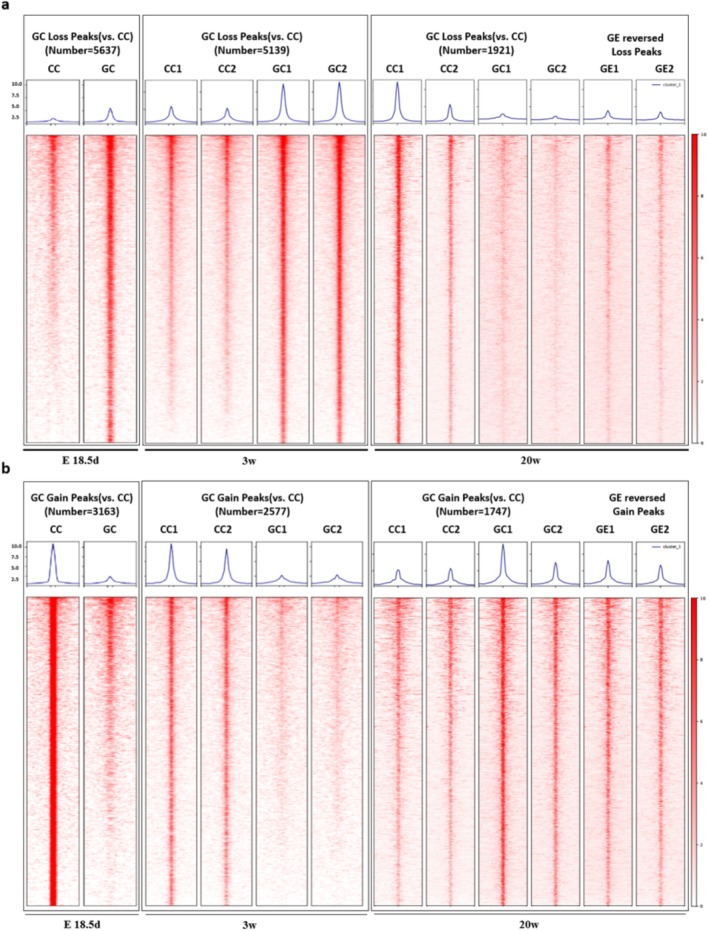 Figure 2
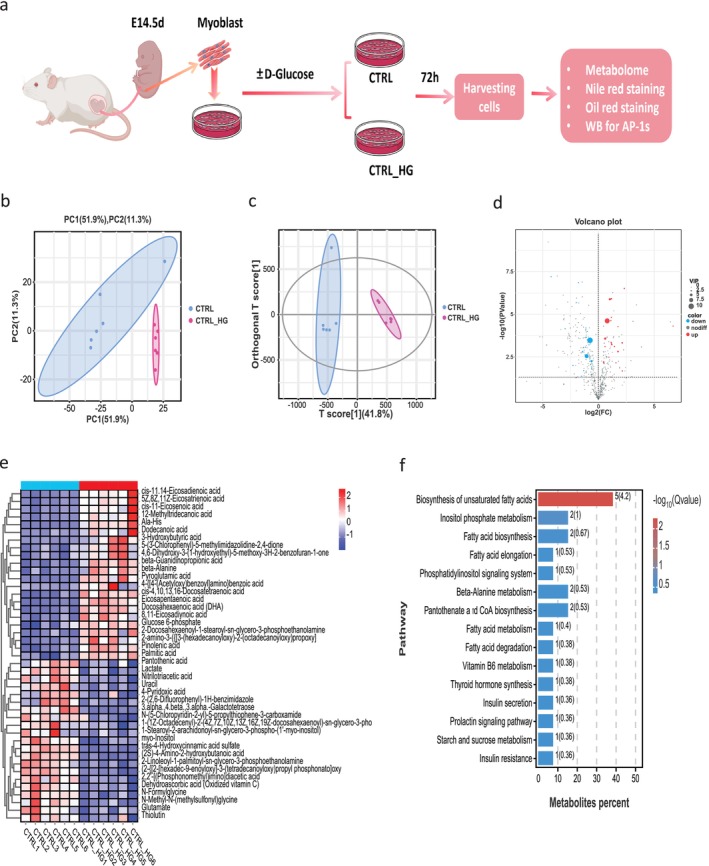 Figure 3
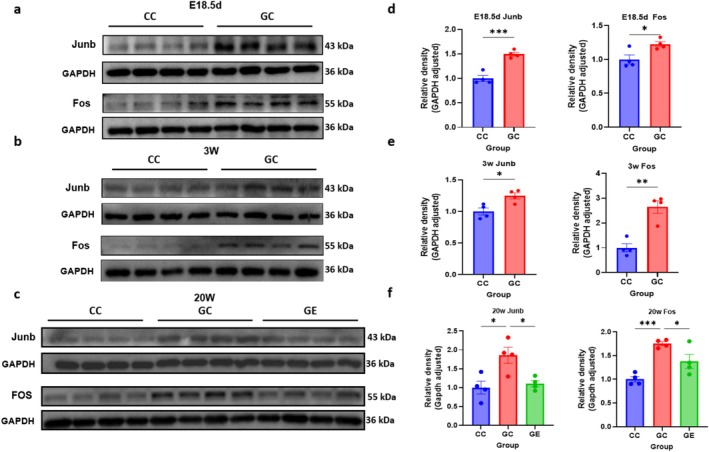 Figure 4
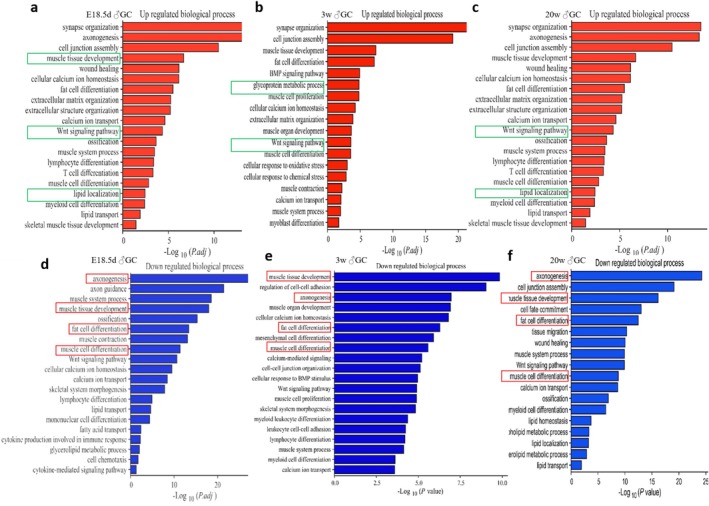 Figure 5
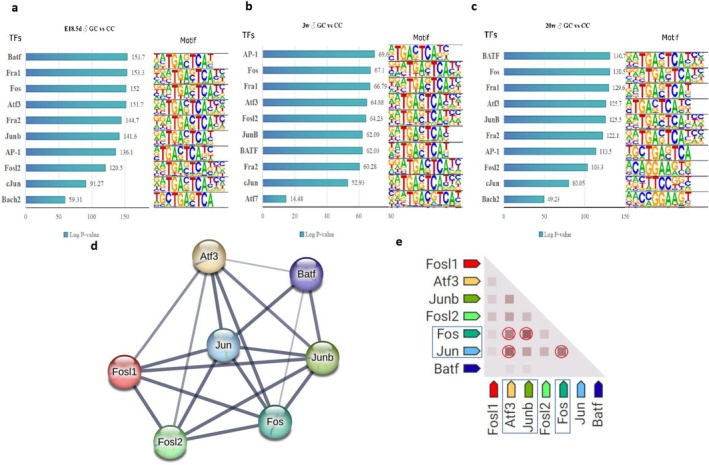 Figure 6
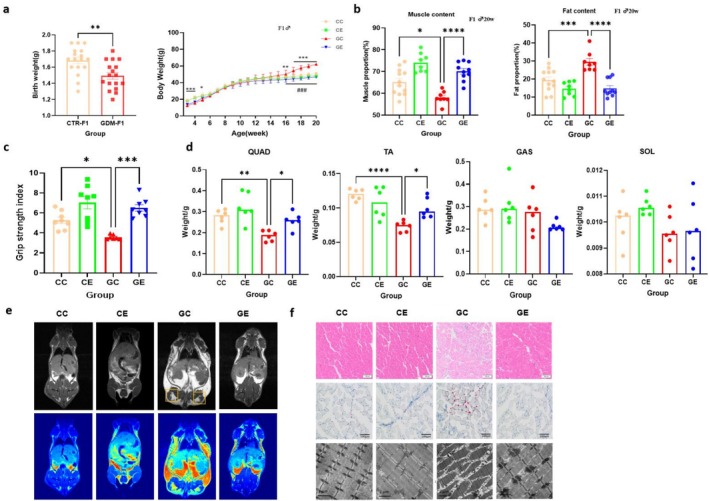 Figure 7
Peer Reviews
No public reviews on file for this paper yet. If you reviewed it on a platform where reviews are public (OpenReview, ICLR, NeurIPS, ICML), you can paste yours below so the community can read it here.
Videos
No videos yet. Explain this paper in a talk, walkthrough, or lecture? Add one.
Taxonomy
TopicsGestational Diabetes Research and Management · Birth, Development, and Health · Pancreatic function and diabetes