Apoptotic signatures allow early and rapid screening of drug-induced liver injury to accelerate drug discovery
John Hellgren, Bhavik Chouhan, Aydar Uatay, Ramy Elgendy, Julia Lindgren, Naoko Toki, Alessandro Bonetti, Aditi Chaudhari, Kenneth Pryde, Patrik Andersson, Marie Kalm, Fredrik Karlsson, Johanna Sagemark, Dominic P. Williams, Jennifer Y. Tan, Bino John, John Gallon

TL;DR
AEGIS is a new tool that uses gene activity to detect early signs of liver damage from drugs, helping to speed up drug development and improve safety.
Contribution
AEGIS introduces a novel transcriptomics-based approach for early detection of drug-induced liver injury with high accuracy and cross-model applicability.
Findings
AEGIS achieved 86% specificity, 75% sensitivity, and 90% precision in predicting DILI in human liver cells.
AEGIS accurately predicted DILI across species, in vitro models, and therapeutic modalities.
Cells from patients with fatty liver disease showed increased vulnerability to drug-induced liver injury.
Abstract
Early detection of drug-induced liver injury (DILI) during drug development is crucial for reducing drug attrition and ensuring the safety of patients. A versatile, biologically interpretable, and dose-dependent screening approach is therefore needed to inform early stop/go decisions and therapeutic margins. We have developed AEGIS (Apoptotic Effector Genes In Safety), a preclinical DILI risk screening and prioritization tool that quantifies dose dependent perturbation of apoptosis-regulating transcription factors from transcriptomics data. We profiled transcriptomic responses after short exposures across primary human hepatocytes (PHH), HepG2/C3A cells, RAW 264.7 cells, and an acute Balb/c mouse study. From these profiles, AEGIS provides quantitative risk scores to rank and prioritize compounds and exposures. Here we show that AEGIS distinguishes compounds with different degree of…
Genes, proteins, chemicals, diseases, species, mutations and cell lines named across the full text — each resolved to its canonical identifier and authoritative record.
Click any figure to enlarge with its caption.
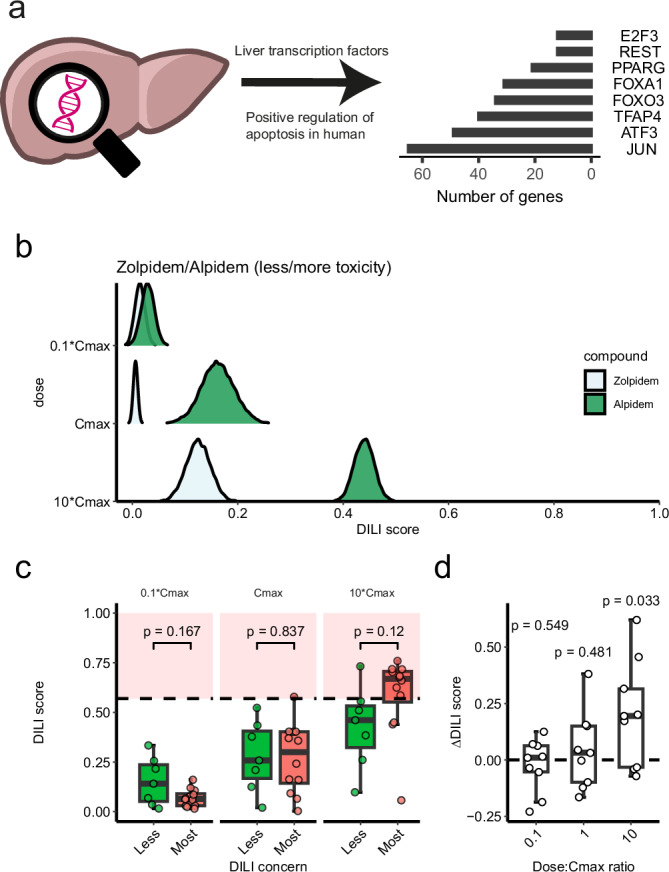 Figure 1
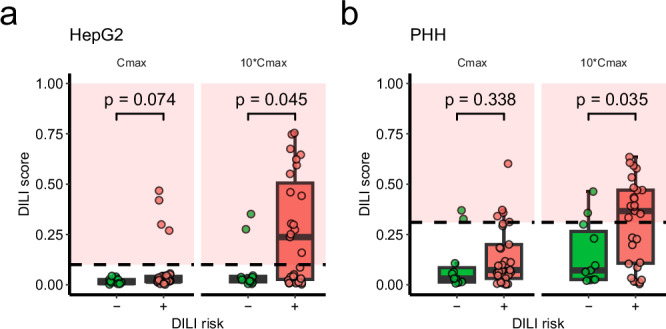 Figure 2
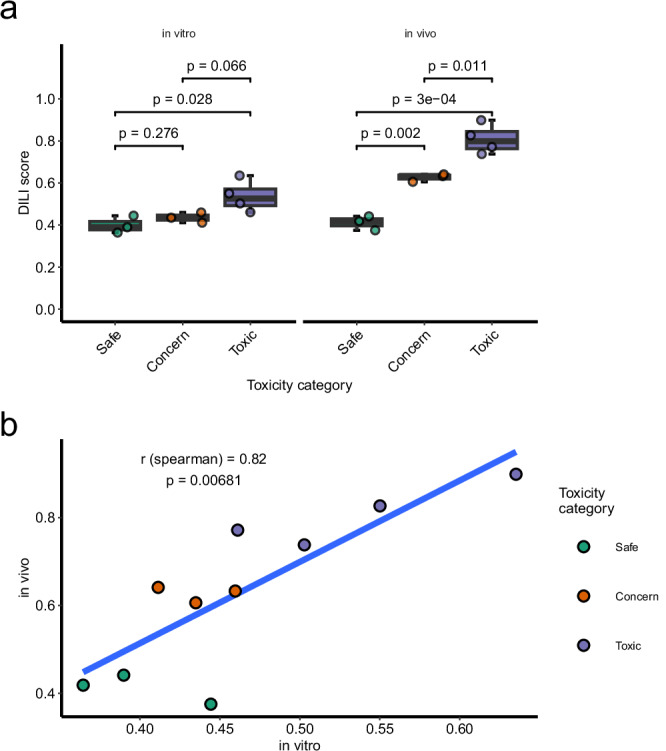 Figure 3
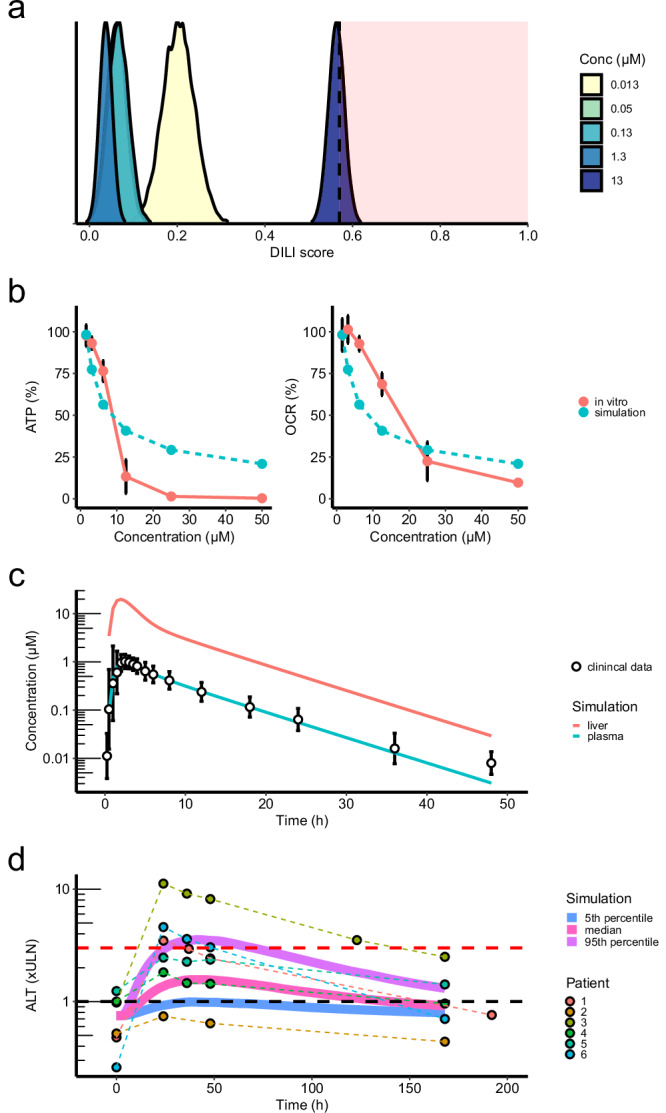 Figure 4
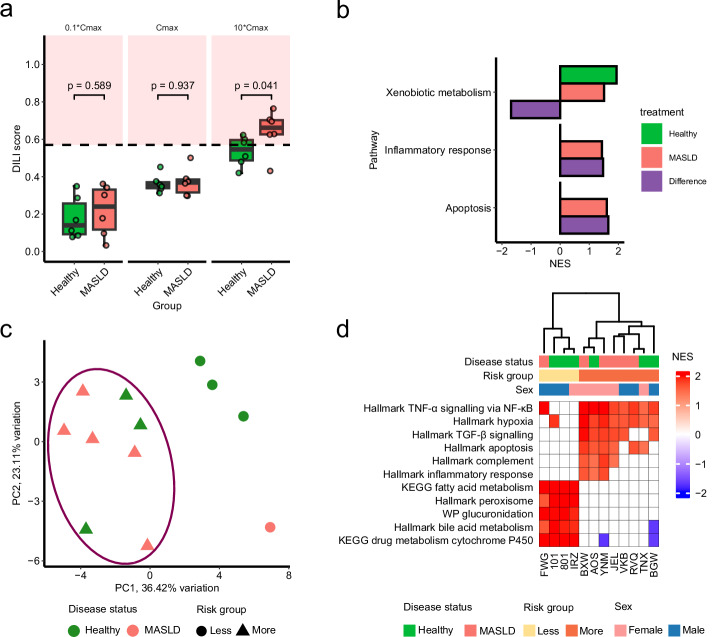 Figure 5
Peer Reviews
No public reviews on file for this paper yet. If you reviewed it on a platform where reviews are public (OpenReview, ICLR, NeurIPS, ICML), you can paste yours below so the community can read it here.
Videos
No videos yet. Explain this paper in a talk, walkthrough, or lecture? Add one.
Taxonomy
TopicsDrug-Induced Hepatotoxicity and Protection · Liver physiology and pathology · Pharmacogenetics and Drug Metabolism