RAD51B-EZH2 axis as a potential therapeutic target for TNBC through cell fate conversion
Shiqi Lin, Dongyang Tang, Josh Haipeng Lei, Xiangpeng Chu, Lijian Wang, Kai Miao, Ping Chen, Jingbo Zhou, Aiping Zhang, Ling Li, Heng Sun, Xiaoling Xu, Chuxia Deng

TL;DR
This study identifies a new potential treatment target for aggressive breast cancer by showing how a gene interaction can be inhibited to make the cancer responsive to existing therapies.
Contribution
The study discovers the RAD51B-EZH2 axis as a novel therapeutic target for TNBC through cell fate conversion and endocrine therapy sensitization.
Findings
RAD51B deficiency promotes TNBC by repressing ERα via PRC2 recruitment and H3K27me3 in the Esr1 promoter.
Inhibiting RAD51B-EZH2 axis restores ERα expression, making TNBC responsive to endocrine therapy.
Combining EZH2 inhibitors with tamoxifen reduces TNBC progression in mice.
Abstract
Triple-negative breast cancer (TNBC) is the most aggressive subtype of breast cancer with higher histologic grade, poorer prognosis, and fewer treatment options due to the lack of reliable and effective molecular targets. Using a functional approach with the Sleeping Beauty (SB) transposon system, we have identified 64 overlapped candidate driver genes for inducing TNBC formation in Brca1-deficient mice and Fgfr2-mutant mice. Further analysis reveals that Rad51b deficiency leads to the development of tumors with a TNBC phenotype by repressing ERα expression through the recruitment of polycomb repressive complex 2 (PRC2) and subsequent trimethylation of histone H3 lysine 27 in Esr1 promoter region. Mechanistically, the loss of RAD51B upregulated cellular ATP levels, followed by the suppression of the AMP-activated protein kinase (AMPK) pathway and dephosphorylation of the Enhancer of…
Genes, proteins, chemicals, diseases, species, mutations and cell lines named across the full text — each resolved to its canonical identifier and authoritative record.
Click any figure to enlarge with its caption.
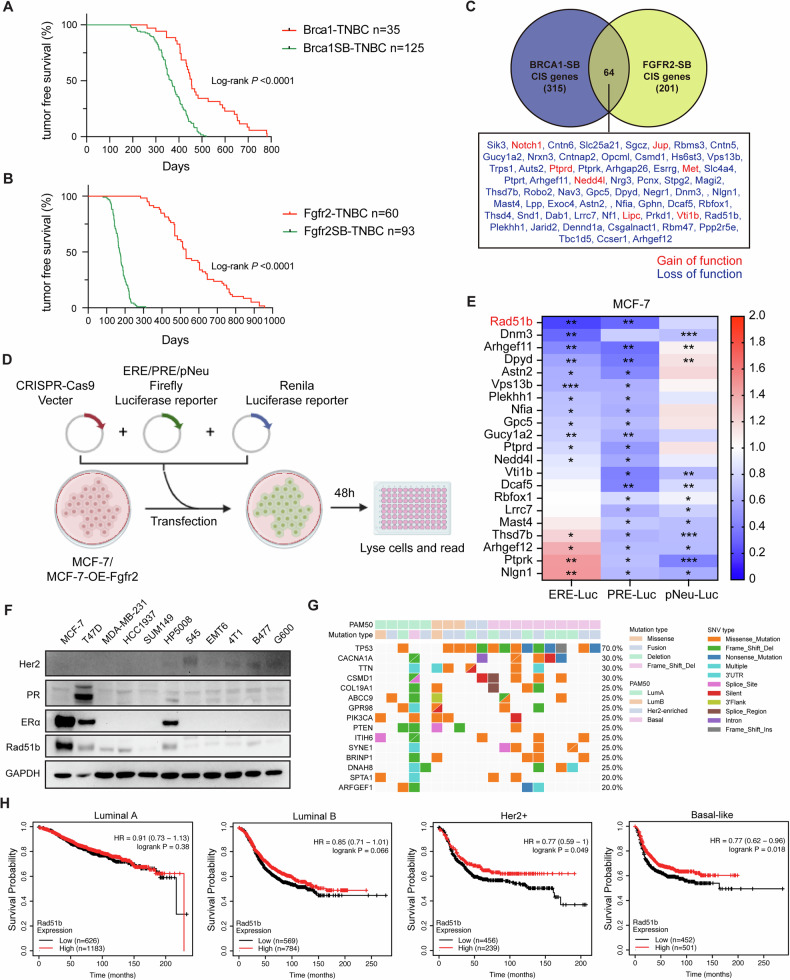 Figure 1
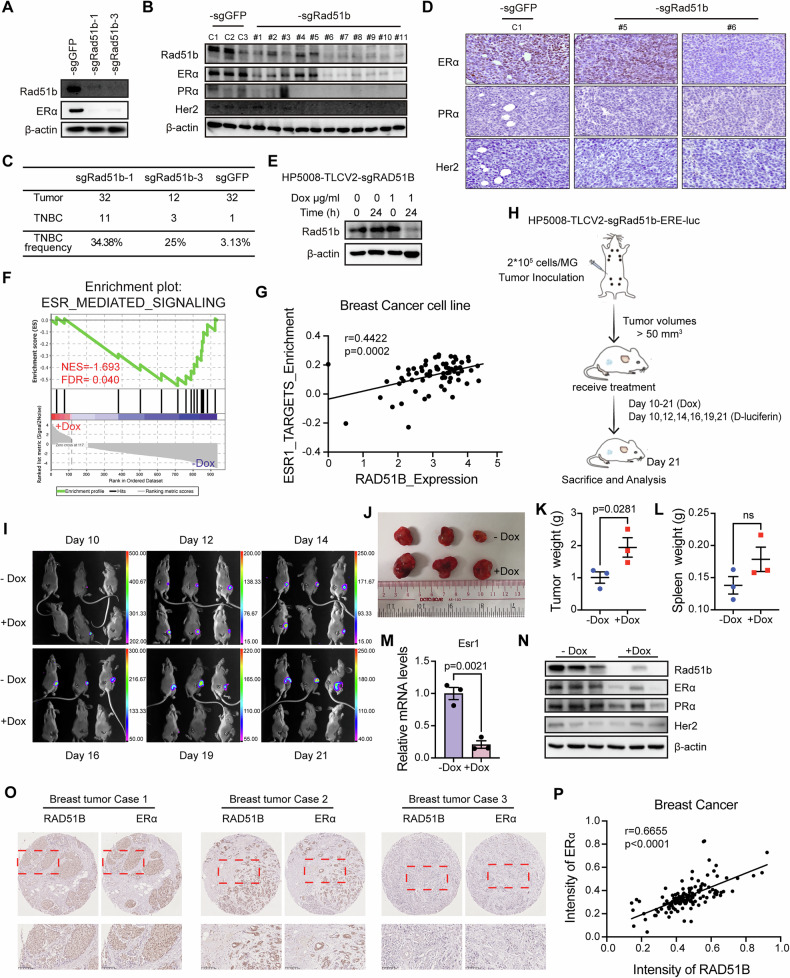 Figure 2
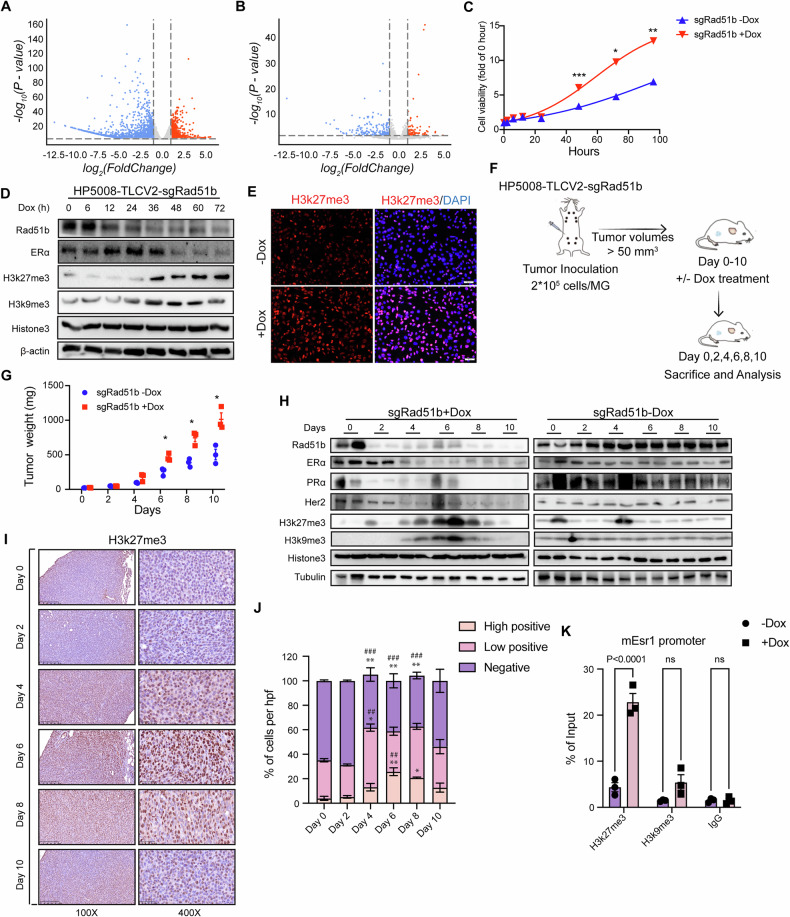 Figure 3
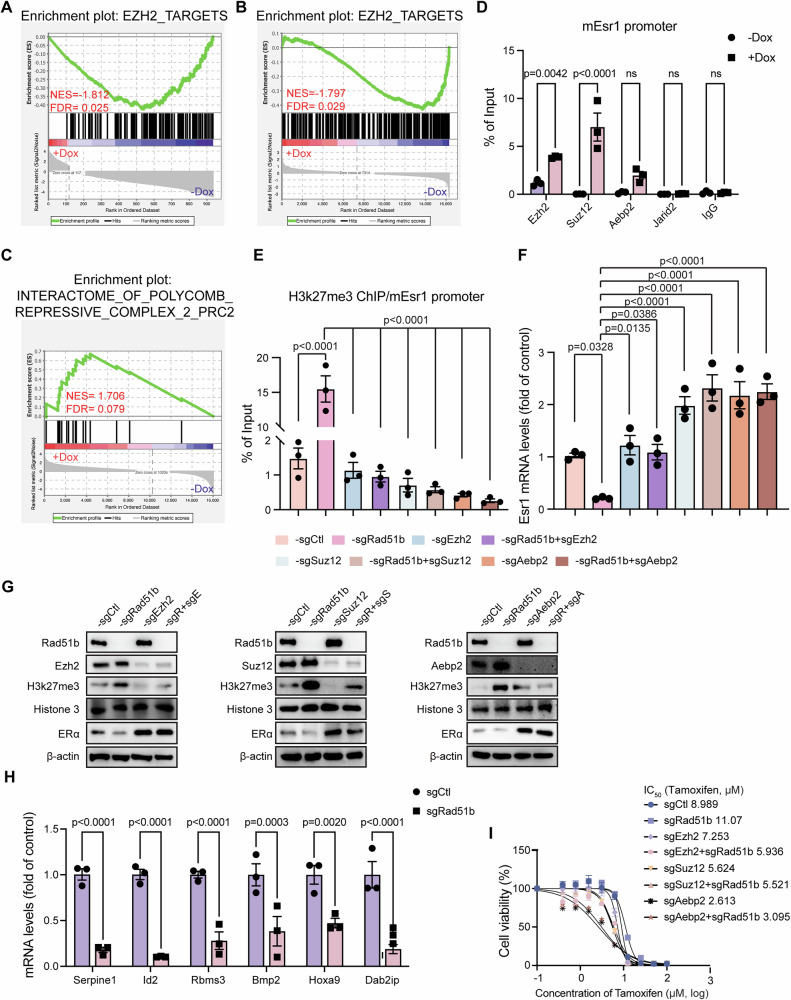 Figure 4
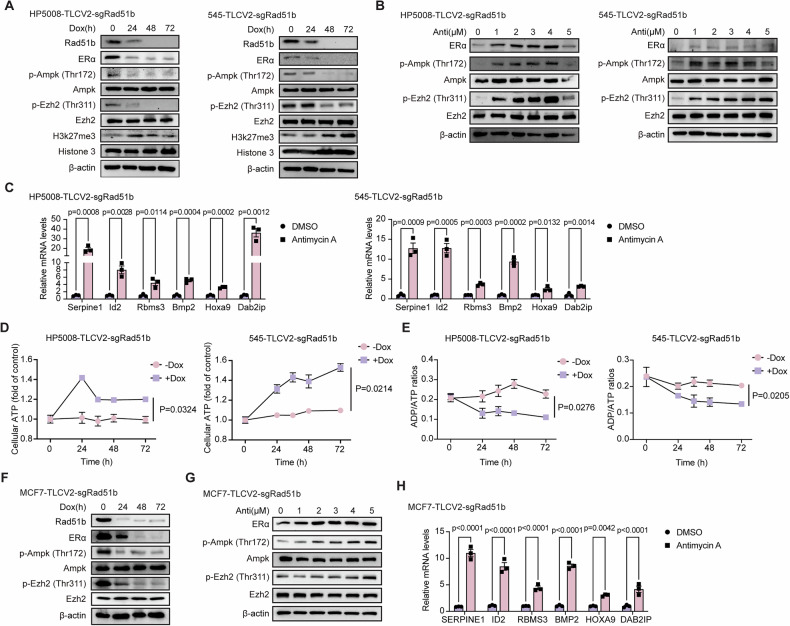 Figure 5
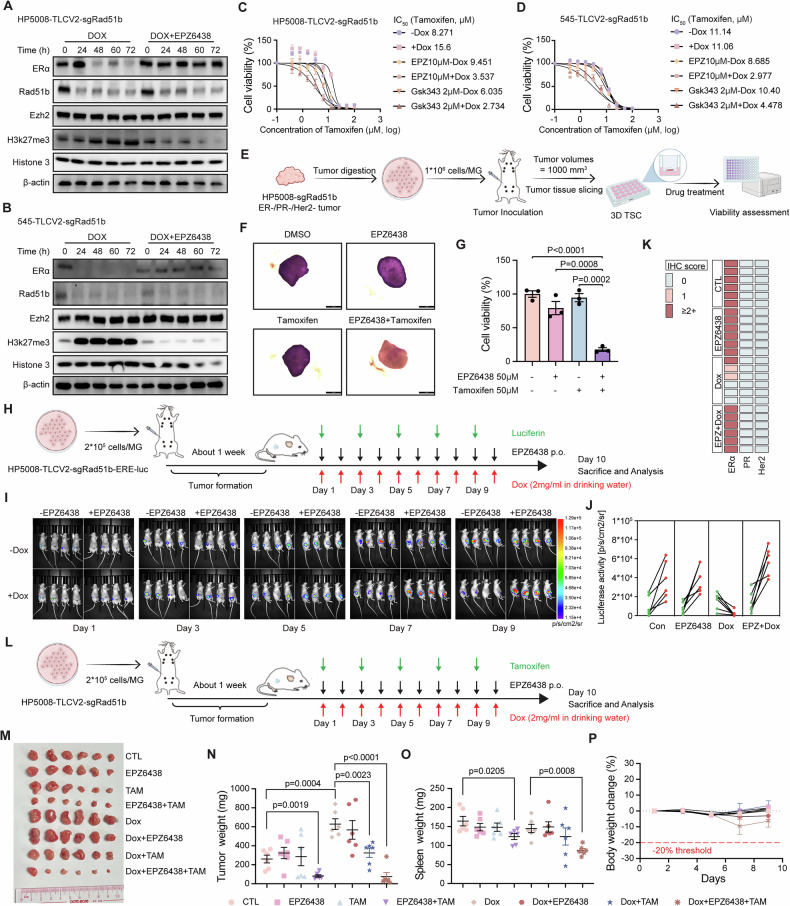 Figure 6
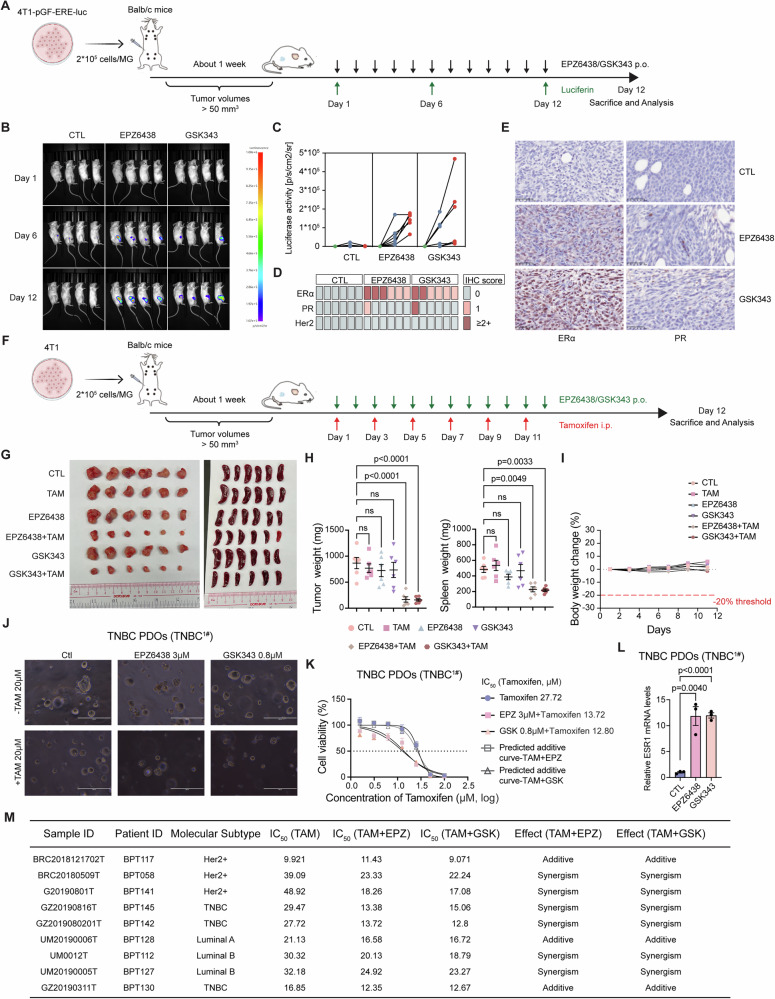 Figure 7
Peer Reviews
No public reviews on file for this paper yet. If you reviewed it on a platform where reviews are public (OpenReview, ICLR, NeurIPS, ICML), you can paste yours below so the community can read it here.
Videos
No videos yet. Explain this paper in a talk, walkthrough, or lecture? Add one.
Taxonomy
TopicsEpigenetics and DNA Methylation · DNA Repair Mechanisms · Genomics and Chromatin Dynamics