Super-enhancers mediates SLC7A11 via FOXA1 to regulate disulfidptosis in prostate cancer
Zhen Kang, Bin Lin, Zhi-Bin Ke, Qing-Shui Zheng, Xue-Yi Xue, Yong Wei, Ning Xu

TL;DR
This study explores how a gene called SLC7A11, regulated by FOXA1 and a super-enhancer, contributes to prostate cancer progression and a new type of cell death called disulfidptosis.
Contribution
The study identifies a novel regulatory axis involving a super-enhancer, FOXA1, and SLC7A11 in disulfidptosis and prostate cancer progression.
Findings
SLC7A11 promotes cancer cell proliferation, migration, and invasion, and its overexpression triggers disulfidptosis under glucose starvation.
FOXA1 regulates SLC7A11 via a super-enhancer on chr14:37583488–37589585, and deleting this enhancer reduces disulfidptosis.
Pharmacological inhibition of glucose uptake with BAY-876 can induce disulfidptosis in prostate cancer cells.
Abstract
Prostate cancer (PCa) remains a major therapeutic challenge due to aberrant androgen receptor signaling and a remodeled tumor microenvironment. Disulfidptosis, a recently identified form of cell death characterized by cytoskeletal collapse under conditions of glucose deprivation and elevated SLC7A11 expression, presents a potential novel avenue for intervention. In this study, we integrated TCGA and GEO data and employed machine learning techniques to identify disulfidptosis-related genes in prostate cancer. Functional analyses using SLC7A11-overexpressing and knockout cell lines demonstrated that SLC7A11 promotes cellular proliferation, migration, and invasion, while its overexpression under glucose-starved conditions triggers disulfidptosis, also inducible pharmacologically using the glucose uptake inhibitor BAY-876. Through CUT&Tag, ChIP-seq, and luciferase assays, we identified…
Genes, proteins, chemicals, diseases, species, mutations and cell lines named across the full text — each resolved to its canonical identifier and authoritative record.
Click any figure to enlarge with its caption.
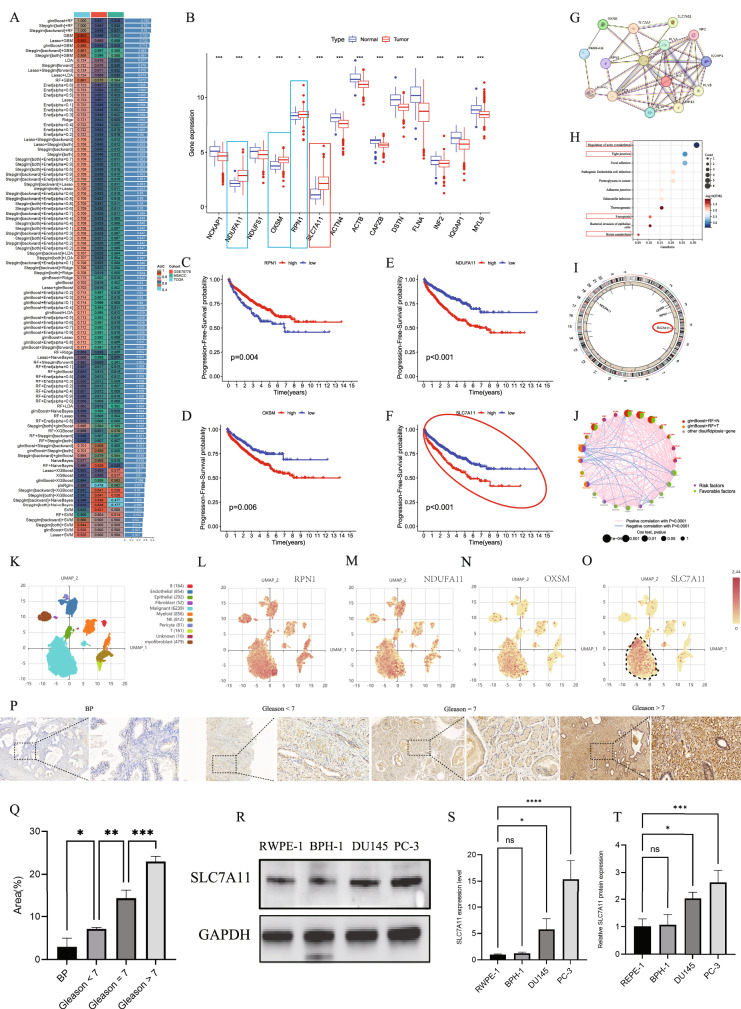 Figure 1
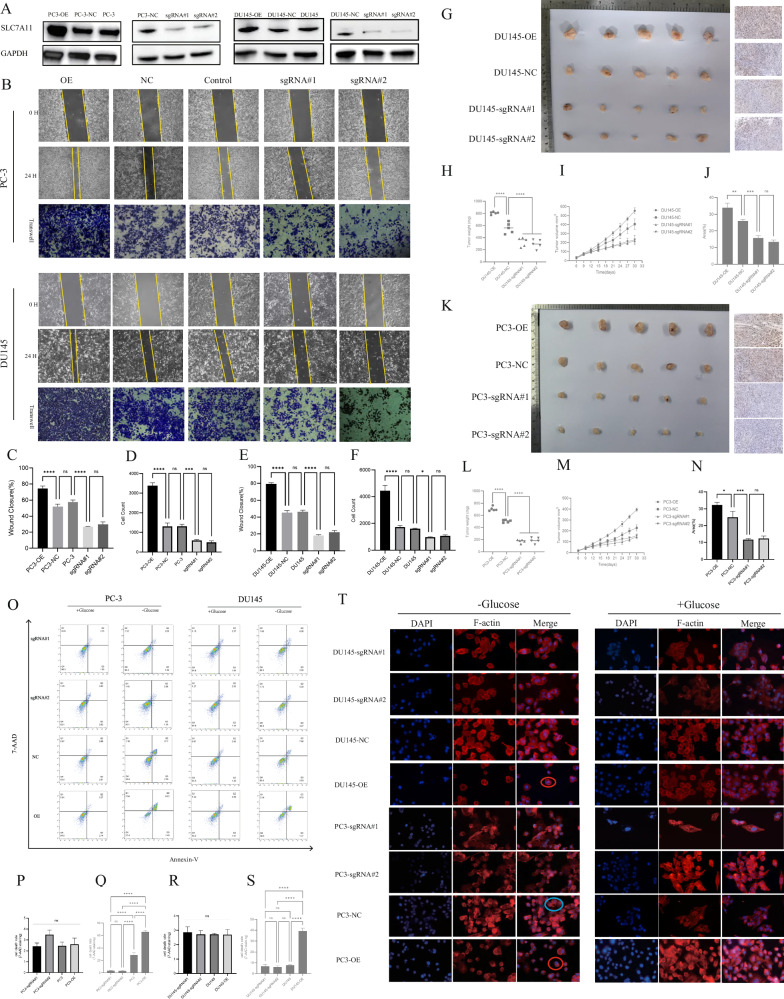 Figure 2
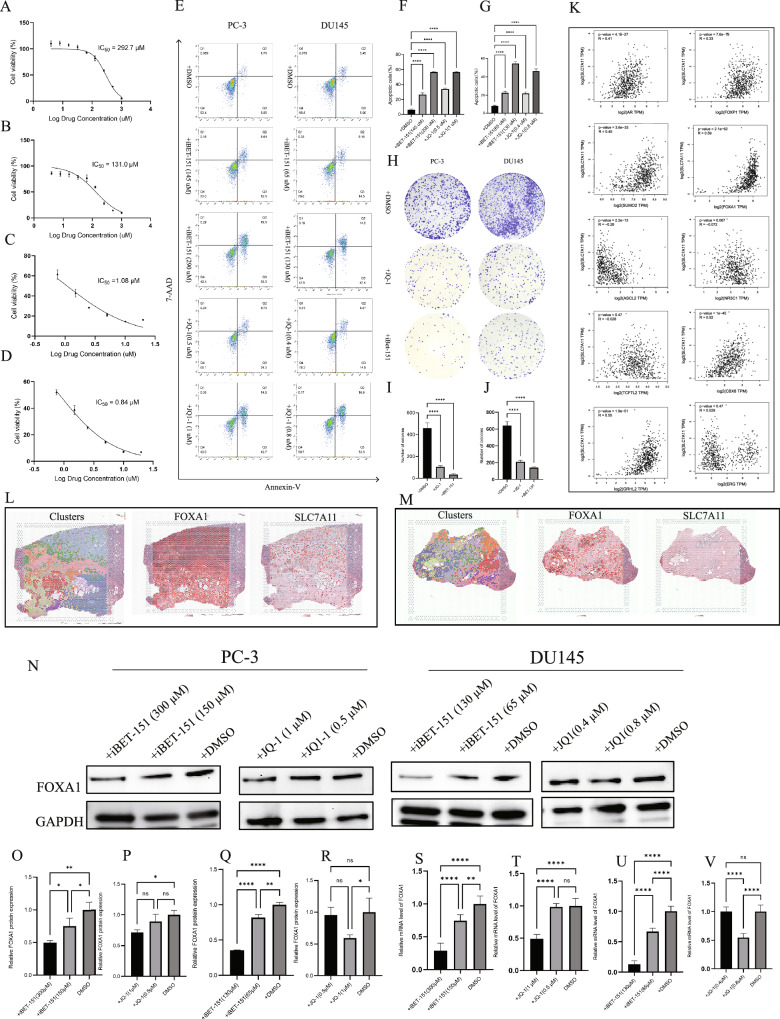 Figure 3
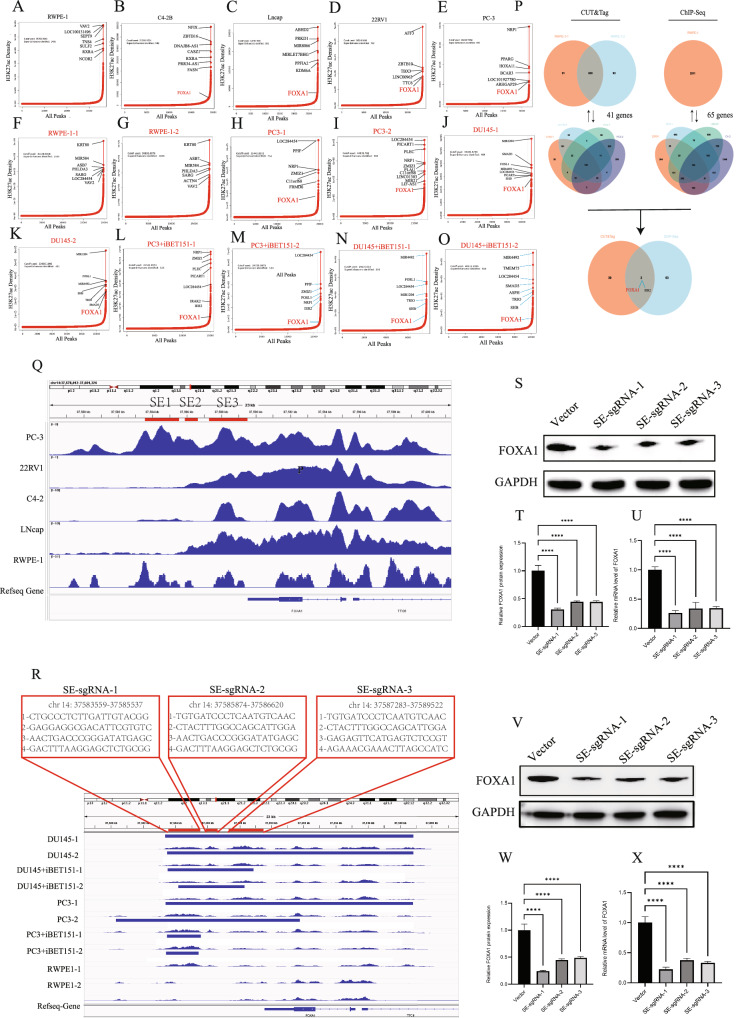 Figure 4
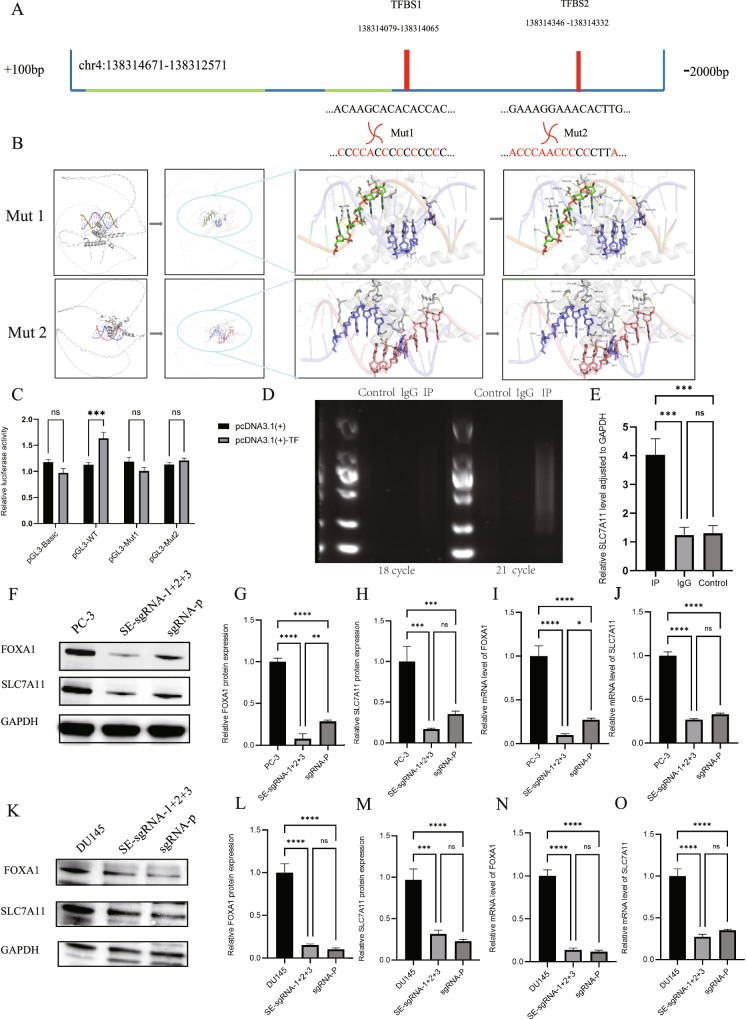 Figure 5
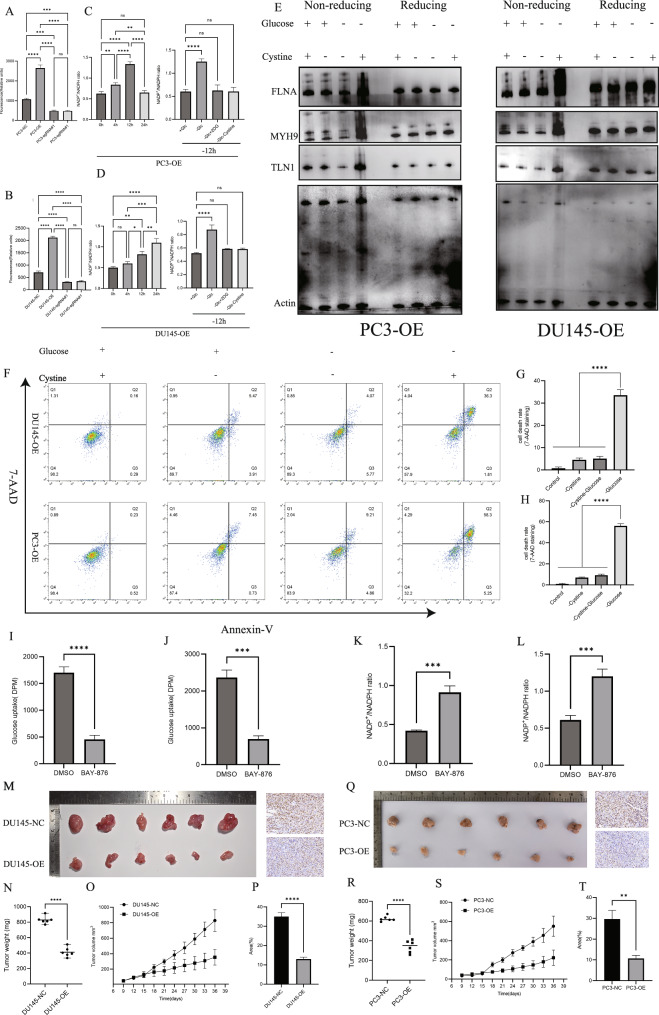 Figure 6
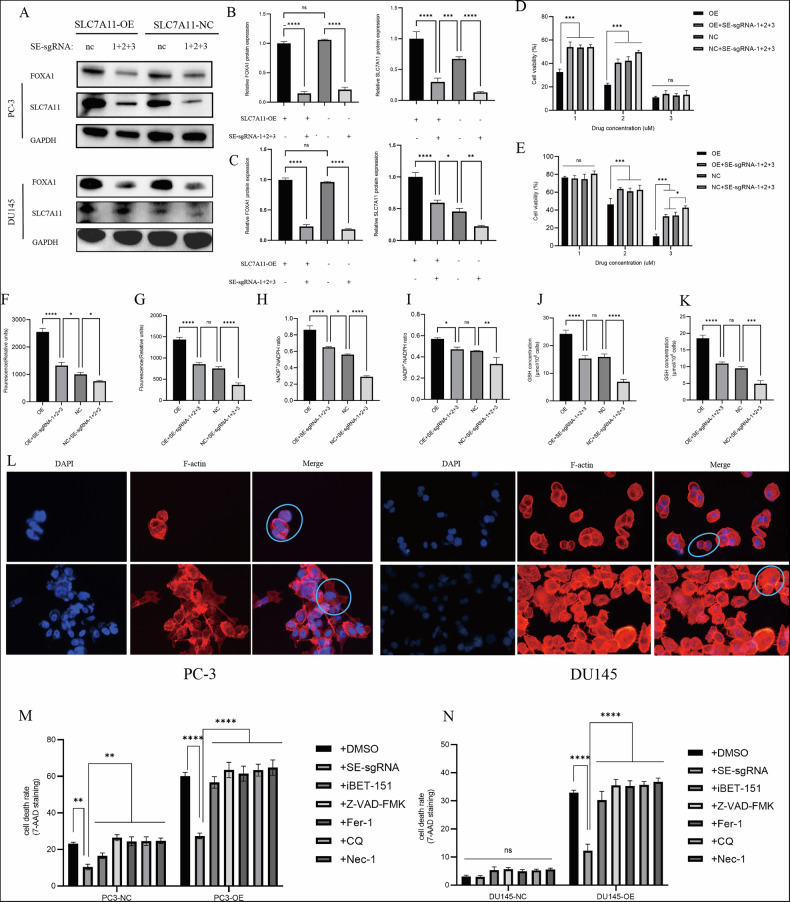 Figure 7
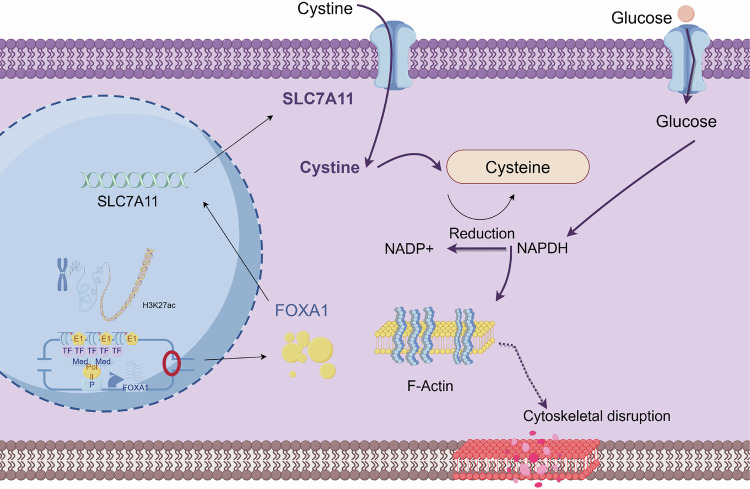 Figure 8
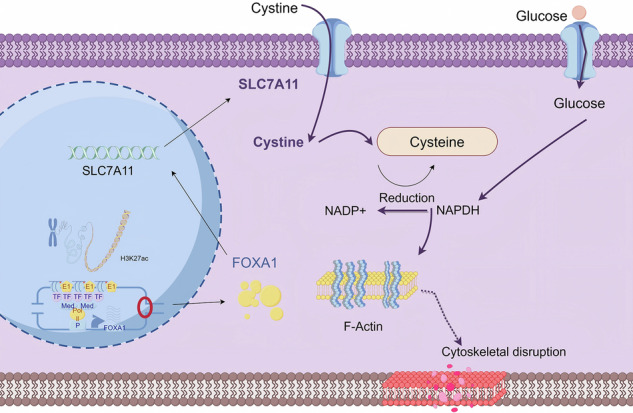 Figure 9
Peer Reviews
No public reviews on file for this paper yet. If you reviewed it on a platform where reviews are public (OpenReview, ICLR, NeurIPS, ICML), you can paste yours below so the community can read it here.
Videos
No videos yet. Explain this paper in a talk, walkthrough, or lecture? Add one.
Taxonomy
TopicsCancer, Hypoxia, and Metabolism · Ferroptosis and cancer prognosis · Endoplasmic Reticulum Stress and Disease