Functional carbon materials: effects and role of polymer-coating on carbon nanotubes
Naoki Tanaka, Masa-aki Morikawa, Tsuyohiko Fujigaya

TL;DR
This review discusses how polymer coatings on carbon nanotubes improve their performance in various applications like sensors and batteries.
Contribution
The paper uniquely summarizes adsorption-driven polymer coating examples on carbon nanotubes and their application roles.
Findings
Polymer coatings on CNTs enable defect-free interfacial control for multiple applications.
Adsorption-driven polymer coatings are effective for sensor and thermoelectric applications.
Coated CNTs show promise in biological and battery applications due to enhanced performance.
Abstract
Polymercoated carbon nanotubes (CNTs) provide defectfree interfacial control for sensors, thermoelectric, electrochemical and bio devices. We review roles of coated polymers for applications of polymer-coated CNTs for sensors, thermoelectric, batteries and biological applications. This review uniquely summarizes adsorption-driven polymer coating examples on carbon nanotubes (CNTs) and their roles in the various applications including sensors, thermoelectric conversion, batteries and biological applications.
Genes, proteins, chemicals, diseases, species, mutations and cell lines named across the full text — each resolved to its canonical identifier and authoritative record.
Click any figure to enlarge with its caption.
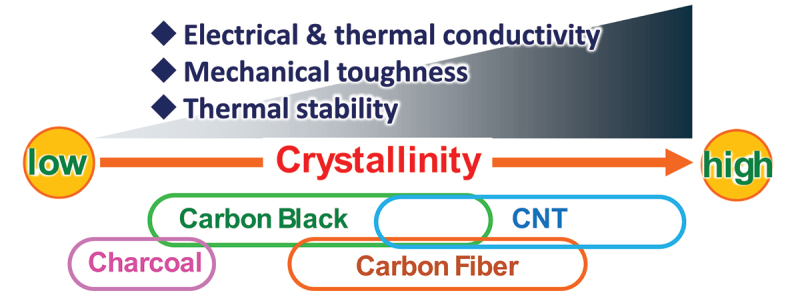 Figure 1
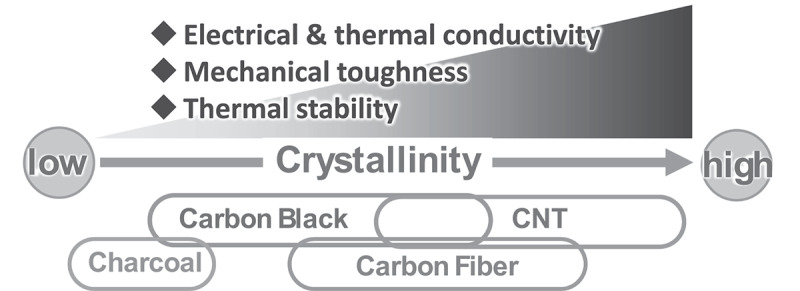 Figure 2
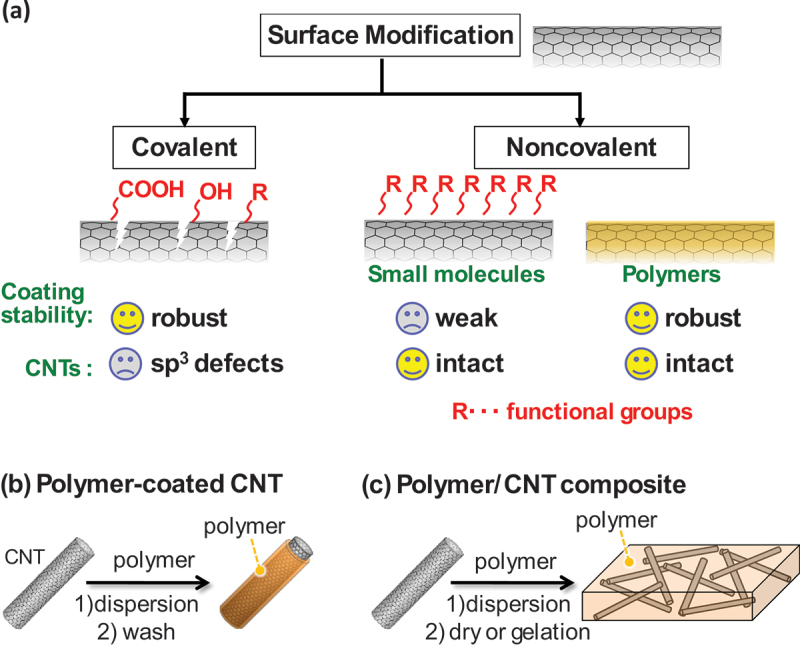 Figure 3
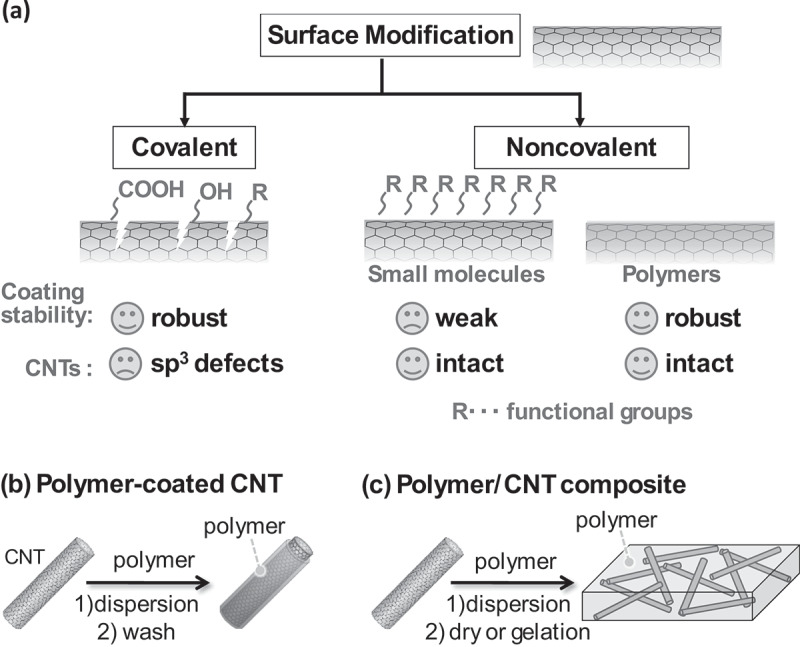 Figure 4
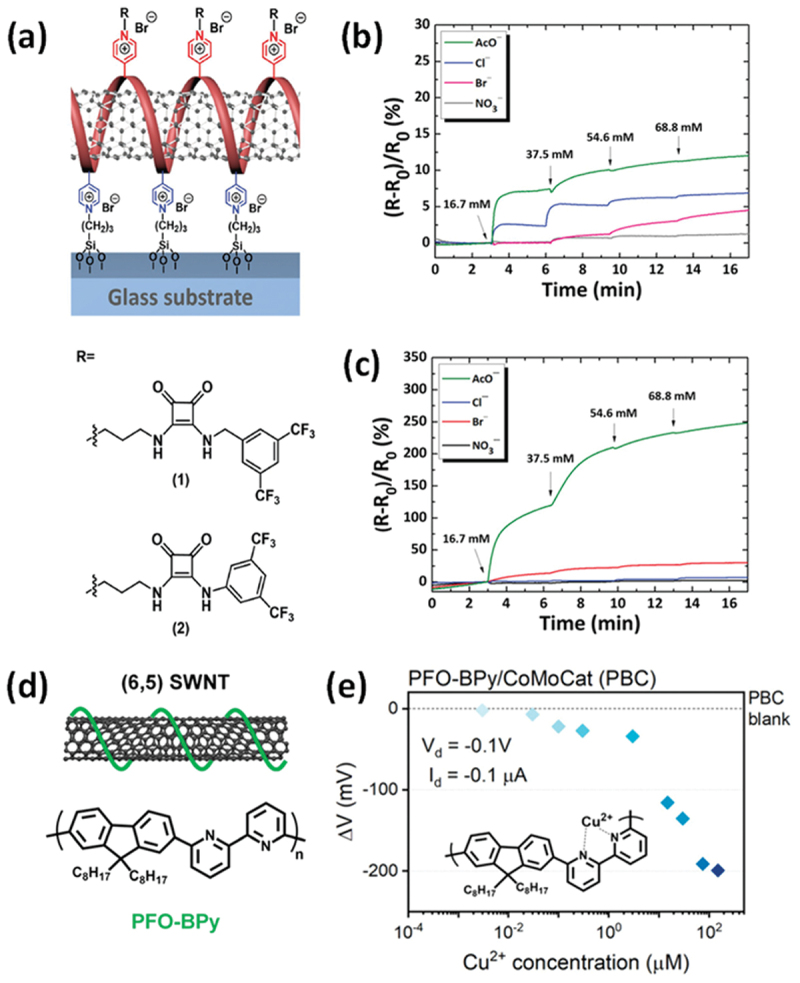 Figure 5
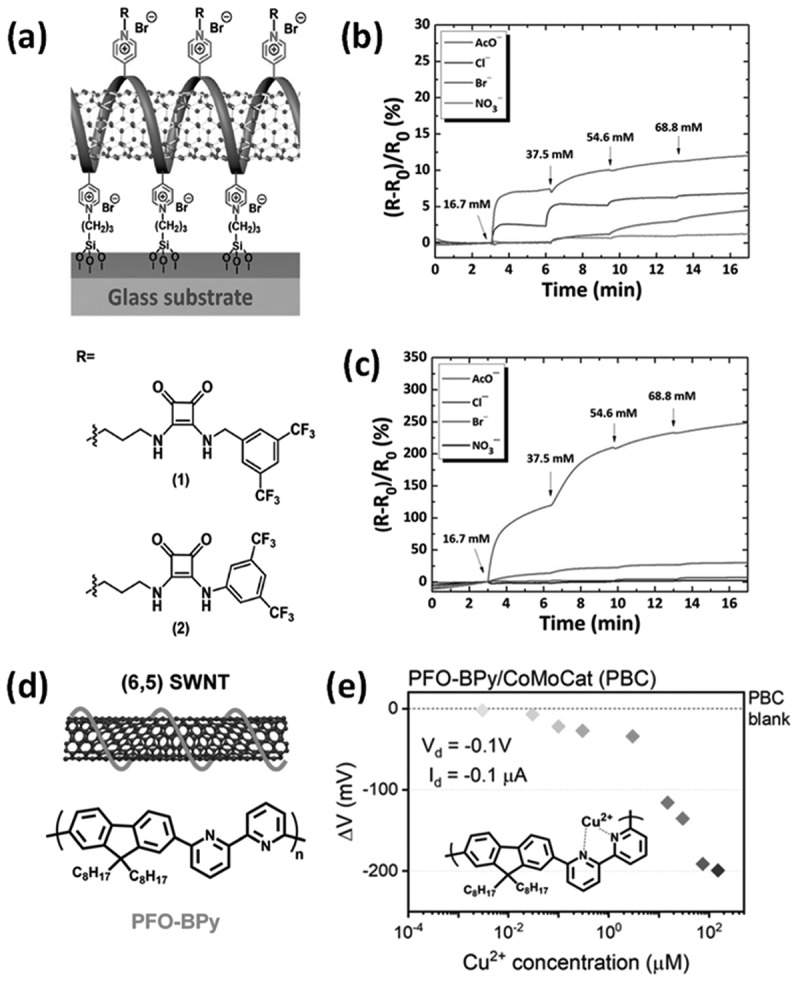 Figure 6
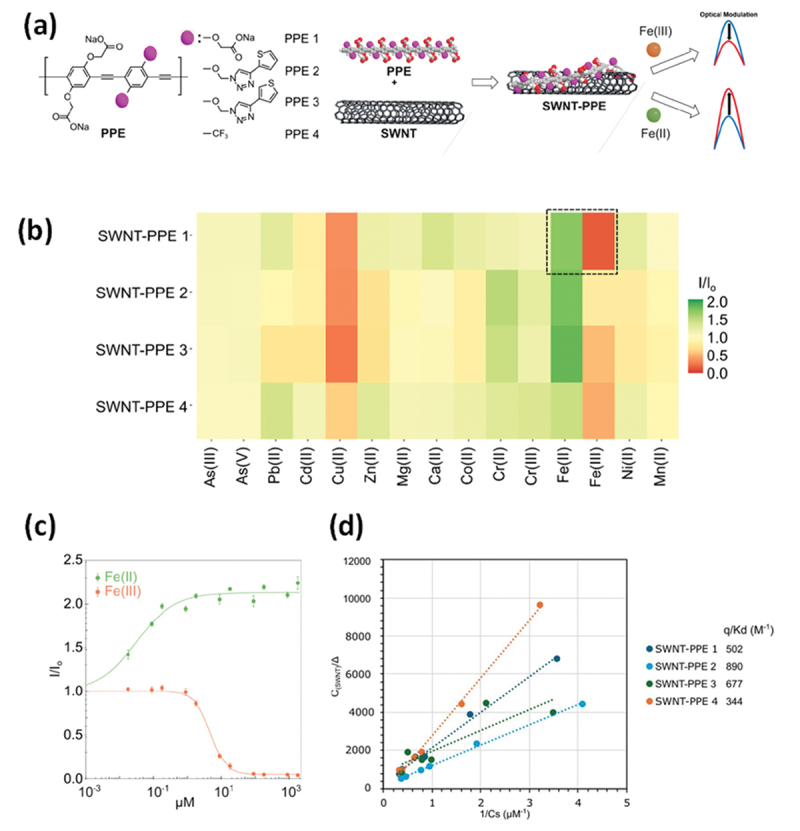 Figure 7
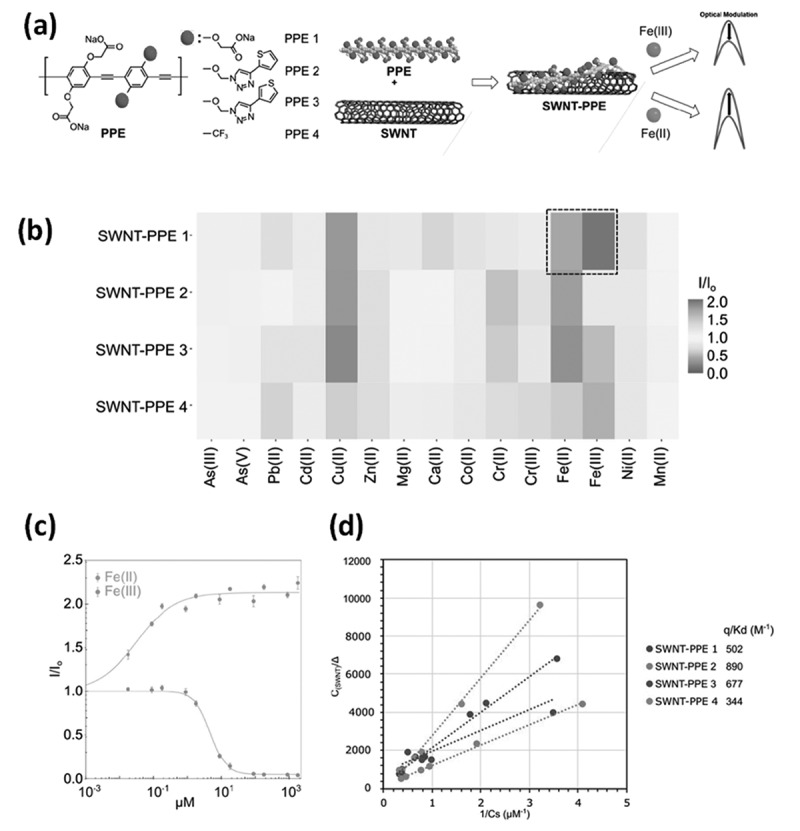 Figure 8
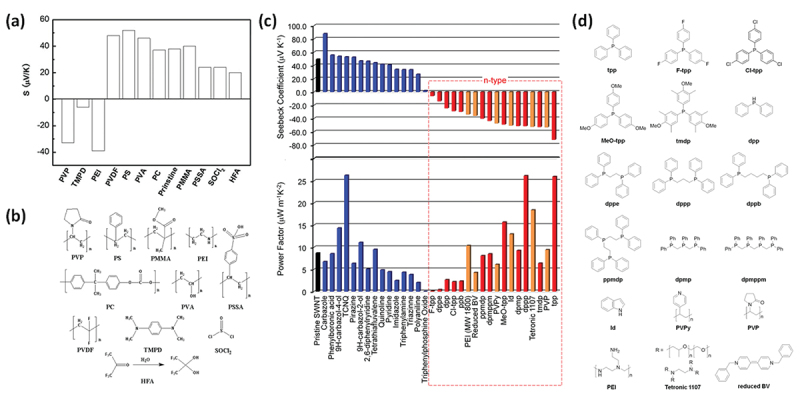 Figure 9
 Figure 10
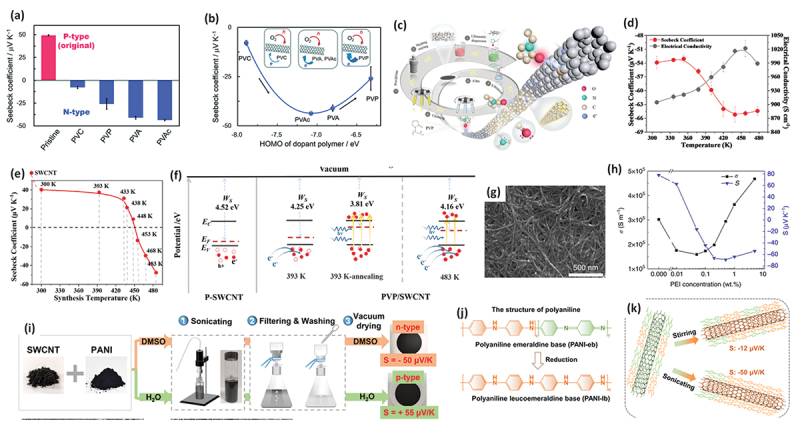 Figure 11
 Figure 12
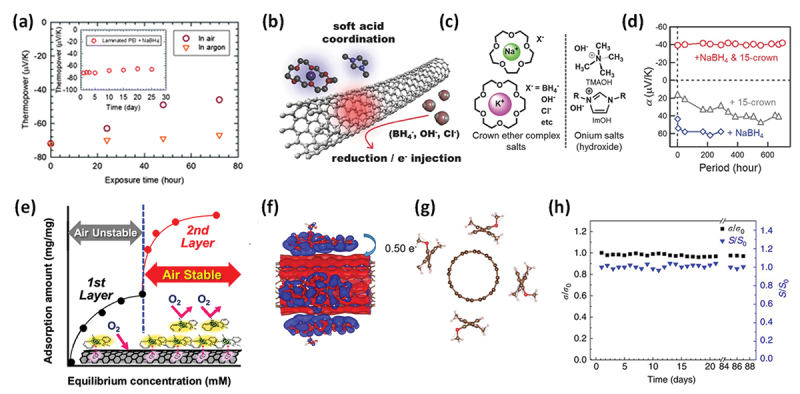 Figure 13
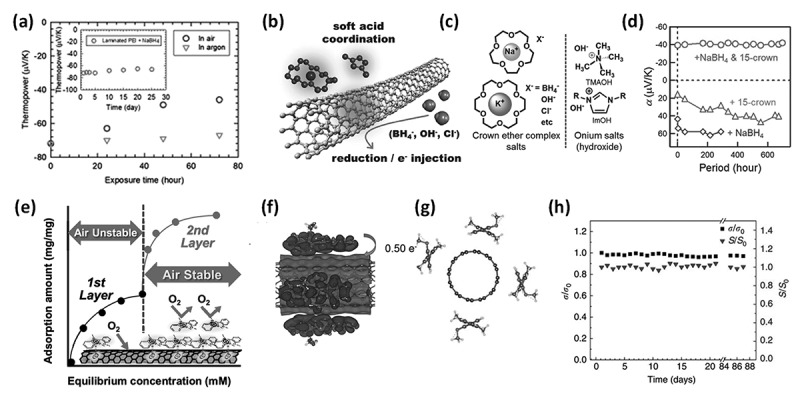 Figure 14
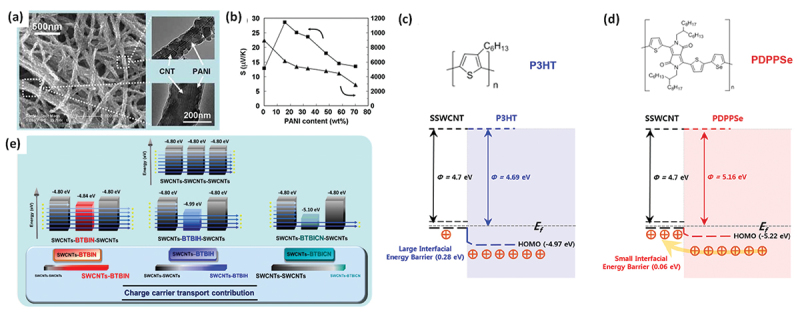 Figure 15
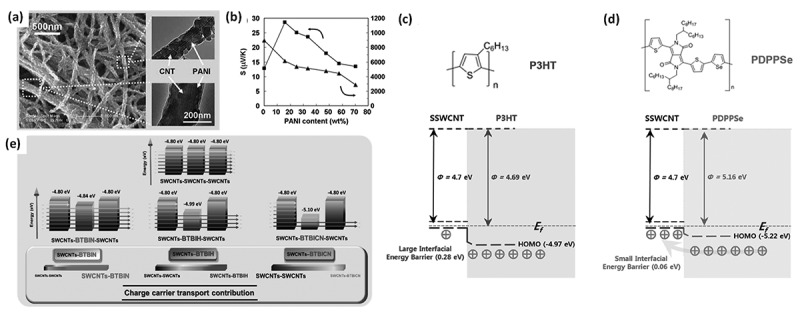 Figure 16
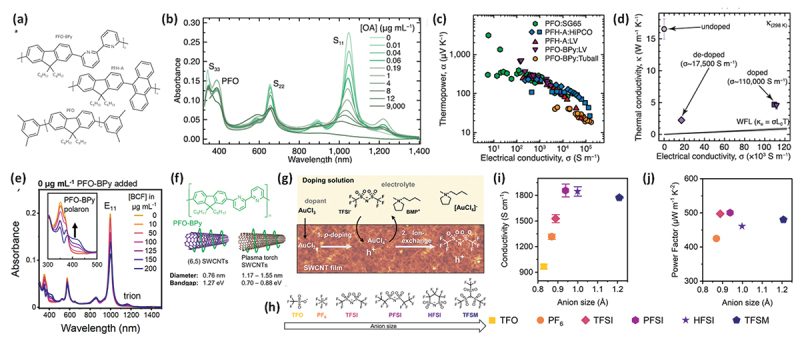 Figure 17
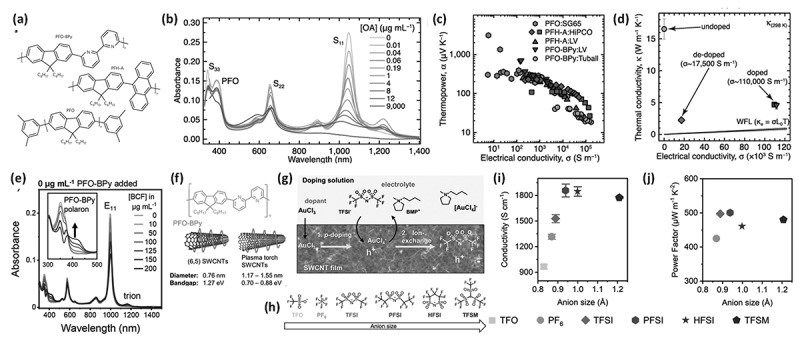 Figure 18
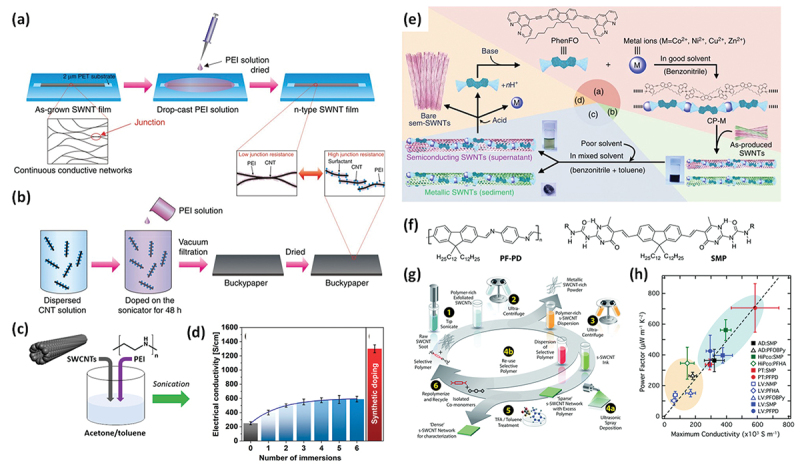 Figure 19
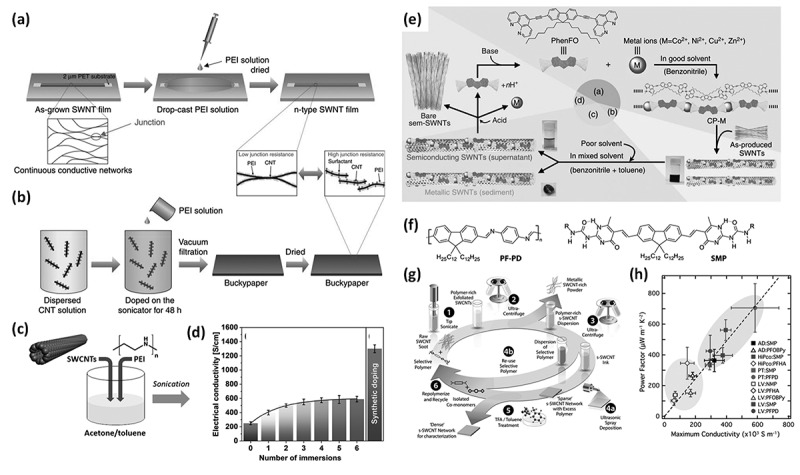 Figure 20
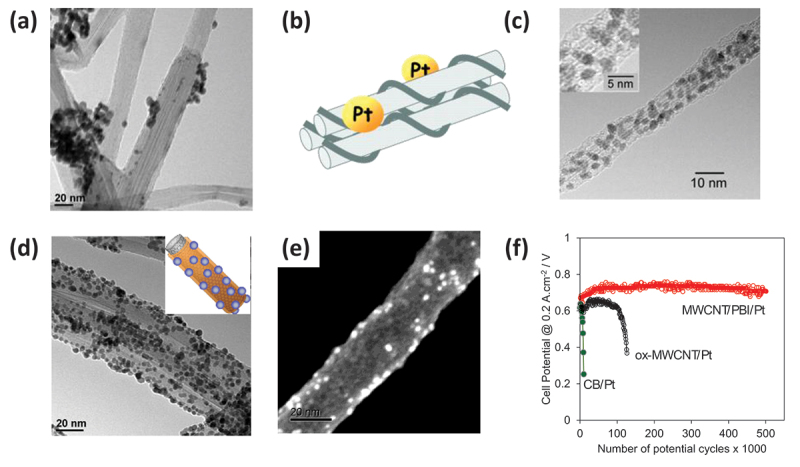 Figure 21
 Figure 22
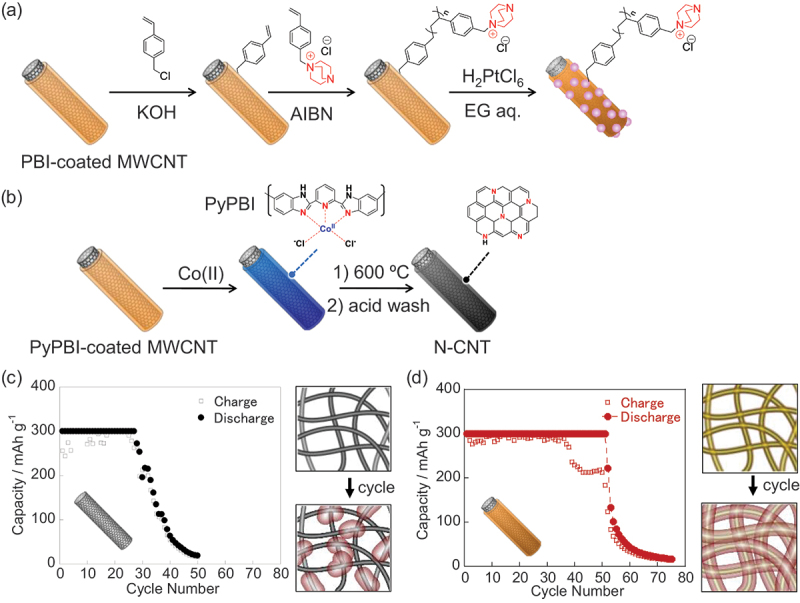 Figure 23
 Figure 24
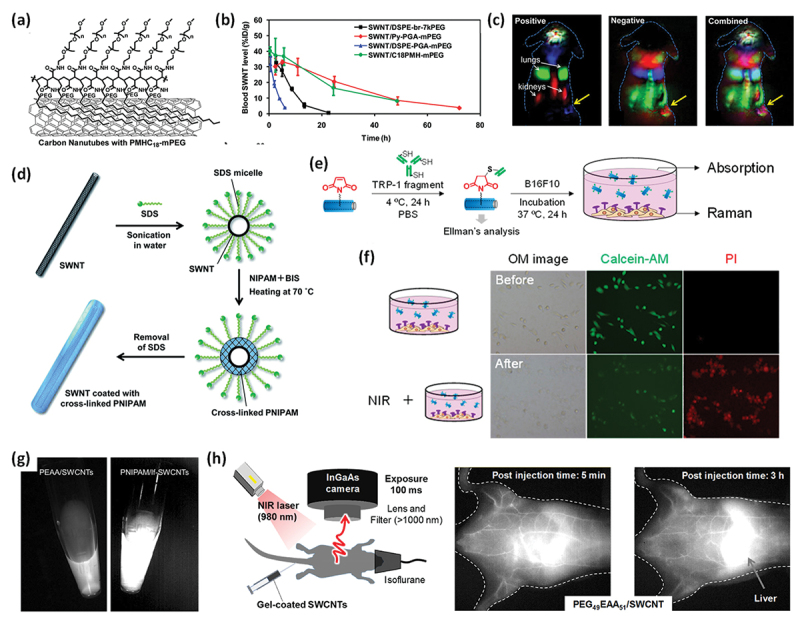 Figure 25
 Figure 26
 Figure 27
 Figure 28
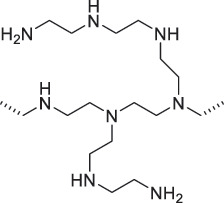 Figure 29
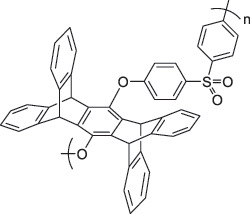 Figure 30
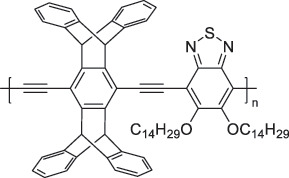 Figure 31
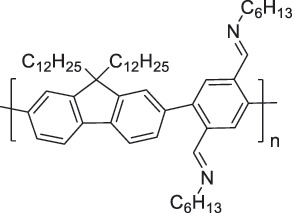 Figure 32
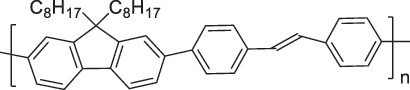 Figure 33
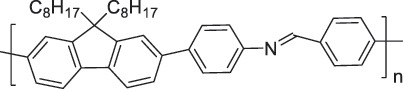 Figure 34
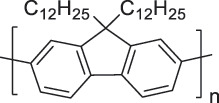 Figure 35
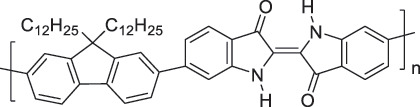 Figure 36
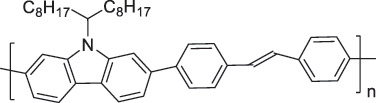 Figure 37
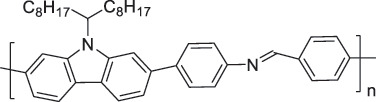 Figure 38
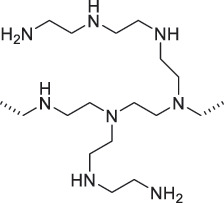 Figure 39
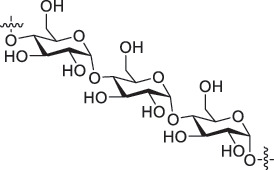 Figure 40
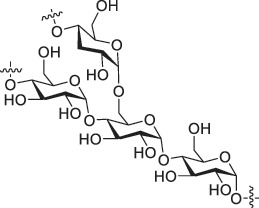 Figure 41
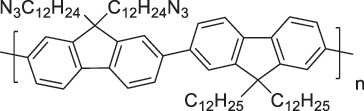 Figure 42
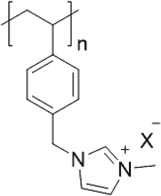 Figure 43
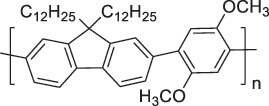 Figure 44
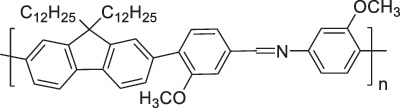 Figure 45
 Figure 46
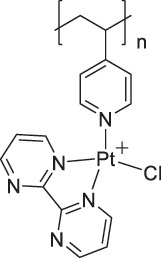 Figure 47
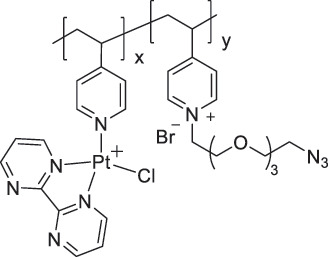 Figure 48
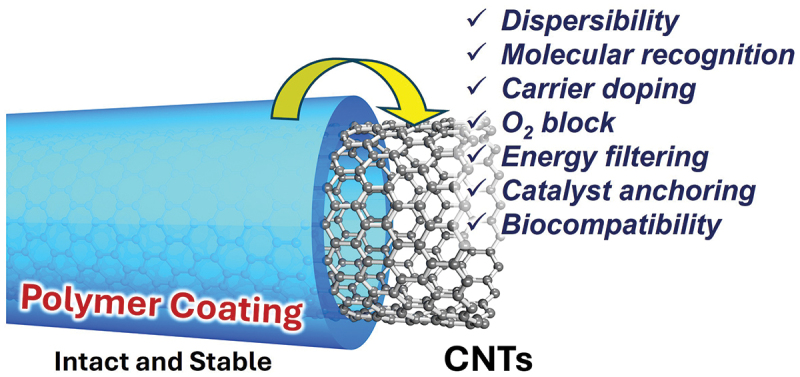 Figure 49
 Figure 50
Peer Reviews
No public reviews on file for this paper yet. If you reviewed it on a platform where reviews are public (OpenReview, ICLR, NeurIPS, ICML), you can paste yours below so the community can read it here.
Videos
No videos yet. Explain this paper in a talk, walkthrough, or lecture? Add one.
Taxonomy
TopicsCarbon Nanotubes in Composites · Conducting polymers and applications · Graphene research and applications
Introduction
Classification of carbon materials
1.1.
Carbon materials composed of sp^2^ -hybridized carbon atoms, such as graphite, activated carbon, and carbon Black (CB), have been utilized in a wide array of applications, including inks, tires, electrodes, and adsorbents [1,2]. These materials are often classified based on the extent of sp^3^ -type defects that they contain (i.e. the fraction of carbon atoms exhibiting sp^3^ hybridization) [3], which is commonly used as an inverse measure of their ‘crystallinity’. In this context, graphite and carbon nanotubes (CNTs) are considered highly crystalline because of their low sp^3^ -defect content, while materials like charcoal are regarded as low-crystallinity carbons as a result of the higher proportion of sp^3^ hybridization (Figure 1).Figure 1.Types of carbon materials in relation to crystallinity and relationship between crystallinity and some representative carbon properties.
Carbon materials with low crystallinity have found widespread commercial use in commodity applications because of their low production costs and ease of processing [4]. In contrast, highly crystalline carbon materials have seen more limited adoption, primarily as a result of their high cost and strong tendency to form aggregates (bundles or stack), which is driven by van der Waals and π–π interactions. These interactions hinder their dispersion in solvents or matrices, which often calls for careful dispersion procedures. Nonetheless, the exceptional electrical and thermal conductivities, mechanical robustness, and thermal/electrochemical stabilities of highly crystalline carbons make them attractive candidates for improving the performance and longevity of advanced materials [5].
Among these highly crystalline carbon materials, CNTs have received considerable attention [6], not only because of their exceptional properties, but also because of their ability to form freestanding thin films with excellent flexibility and good mechanical strength [7], which can be used for device applications such as electrodes. Many of these unique natures of CNTs come from their one-dimensional (1D) nature of CNTs and are quite attractive than the other sp^2^-rich carbon materials such as graphene and fullerenes.
CNTs are typically classified into single-walled CNTs (SWCNTs) and multi-walled CNTs (MWCNTs), which have distinct structural and electronic properties that make them suitable for diverse applications in electronics [8], energy storage [9], biotechnology [10], and advanced composites [11,12]. In particular, the one-dimensional structure of SWCNTs offers unique light absorption/emission characteristics in the near-infrared (NIR) region, which have attracted considerable attention for bioapplications because NIR light does not overlap with the absorption/emission of tissues [13].
Surface modification of CNTs
1.2.
Effective dispersion strategies have been extensively studied to fully exploit the advantages of CNTs in practical applications. The dispersion of CNTs typically begins with a mechanical dispersion technique such as ultrasonication, high-shear mixing, high-pressure homogenization, or ball milling, which disrupts the CNT aggregates by applying mechanical energy. Either covalent or noncovalent surface modification is then commonly employed to prevent the reaggregation of these dispersed CNTs (Figure 2(a)) [14–16]. Figure 2.(a) Schematic illustration of surface modification classification and their characteristics for covalent and noncovalent approach. These represent the stable coating of polymer and intactness of CNTs for polymer coating approach. (b, c) Examples of the preparation of polymer-coated CNTs (b) and polymer/CNT composites (c). Polymer-coated CNT only consists of the polymer adsorbed on CNT surface while polymer/CNT composite contains polymer not adsorbed on CNT surface.
Covalent functionalization typically begins with oxidative acid treatment (e.g. using a HNO_3_/H_2_SO_4_ mixture) to introduce functional groups such as carboxylic acids or hydroxyl groups on the CNT surfaces [17]. These groups are often used as anchor points for further chemical reactions such as amidation and esterification. In addition, π-chemistry, which was primarily developed for fullerene modification, has also been used for CNT surface modification [18]. While covalent methods offer durable and robust functionalization, they inevitably introduce sp^3^ defects into the carbon lattice, potentially degrading intrinsic CNT properties [19] and thus necessitating careful optimization.
In contrast, noncovalent functionalization relies on physical interactions such as π–π stacking, hydrogen bonding, and hydrophobic effects to immobilize molecules on the CNT surfaces without destroying their sp^2^ carbon skeleton [20–22]. In this approach, surfactants, small molecules, and polymers are employed to form physically adsorbed coatings, which increase the wettability and dispersion stability of the CNTs in solvents or polymer matrices [23,24]. These methods are relatively straightforward and typically involve mixing CNTs with dispersant molecules under strong shear forces (e.g. using ultrasonication, ball milling, or jet milling).
In surfactant-assisted dispersion, an anionic surfactant such as sodium dodecyl sulfate (SDS), a bile salt derivative such as sodium deoxycholate (DOC), or a polysaccharide such as carboxymethyl cellulose (CMC) is commonly used to disperse the CNTs in an aqueous medium by imparting a surface charge and/or steric stabilization [25]. In addition to the fundamental research on CNTs and their applications, such dispersions are often employed as starting points for subsequent covalent functionalization to ensure homogeneous reaction conditions. However, it is important to note that the surfactants adsorbed on the CNT surface exist in dynamic equilibrium with free surfactants in the surrounding solution [26]. Consequently, the removal of free surfactants by filtration or dialysis often leads to the desorption of surfactants from the CNT surface and subsequent reaggregation of CNTs [27].
In contrast, the polymers used in noncovalent functionalization often exhibit multiple interaction sites on the CNT surface, resulting in more irreversible adsorption (Figure 2(b)). In such cases, the adsorbed polymers remain attached to the CNTs even after extensive washing, forming polymer-coated CNTs with coaxial core – shell structures that exhibit significantly enhanced dispersion stability. While the presence of polymer coatings may be considered as unwanted contamination in some contexts, carefully designed polymers can preserve and even enhance CNT performance by imparting additional functionality. Because of their structural tunability and versatility, polymer-coated CNTs have recently attracted increasing interest and are being increasingly adopted in the design of CNT-based materials.
Various polymers have been reported for use as CNT dispersants, including DNA [28], π-conjugated polymers [29–31] such as poly(3-hexylthiophene) (P3HT) and poly(9,9-dioctylfluorene) (PFO), and aromatic polycondensates such as polybenzimidazole (PBI) and polyimide [18,22,32–42].
In another type of CNT material hybridized with a polymer, CNTs are embedded in the polymer matrix (Figure 2(c)) [43]. Polymer-coated CNTs are typically prepared by dispersing CNTs in a polymer solution, filtering the dispersion, and washing the filtered material with a polymer solvent. CNT/polymer composites have also been prepared by drying or gelation after casting. These composite materials are here categorized as CNT/polymer composites and are not the main focus of this review.
Mechanism of adsorption-based polymer coating
1.3.
Despite the growing interest in and diverse applications of polymer-coated CNTs, systematic studies on their adsorption behaviors, such as their adsorption kinetics, thermodynamics, coverage ratios, and coating thicknesses, remain limited, as is the case with polymer coatings on other materials. Adsorption phenomena of polymers on carbon can be extrapolated based on the studies of polymer adsorption on solid surface. Polymer adsorption onto solid surface is characterized by their adsorption at very low concentrations compared to that of low molecular weight molecules, therefore the concentration of polymers for CNT dispersion can be much lower compared to that of low molecular compounds. And adsorption of polymers on solid materials is generally irreversible because of multipoint interactions but can be replaceable when higher molecular weight polymers or other adsorbates exist. In addition, in many cases, polymer adsorption on solid materials was analyzed as entropy-driven process, where entropy-gain arouses from the detachment of the solvent molecules from the surface and polymer chains dominate over the entropy-penalty originated from the loss of chain flexibility upon the adsorption. But attractive forces such as electrostatic, π-π stacking and van der Waals interaction can also contribute to the progress of the adsorption. Therefore, interactions at solvent molecules/solid surface interface and solvent molecules/polymer interface play key role, suggesting choice of solvents is crucial and solubility parameters such as Hansen parameters are quite useful to systematically understand the adsorption events. We also need to recognize that adsorption of polymer onto solid materials does not always mean the dispersion of polymer-coated solid materials; namely aggregation of the polymer-coated solid materials takes place when the polymer-polymer interaction works predominantly rather than polymer-solvents interaction.
To date, adsorption studies using CB as the adsorbent have been experimentally conducted to address the influence of the polymer composition [44] and molecular weight [45]; the thickness of the adsorbed polymer layer has also been studied [46,47]. We investigated the adsorption of PBI onto CB using adsorption isotherm measurements at different temperatures. The adsorption process was irreversible and promoted at higher temperatures, indicating that PBI adsorption was entropy-driven [48]. Atomic force microscopy (AFM) measurements determined that the thickness of a PBI coating on highly ordered pyrolytic graphite (HOPG) was approximately 0.45 nm, and similar coating morphologies were found on both CB and CNTs. Transmission electron microscopy (TEM) analysis of the PBI-coated CNTs revealed a coating thickness of approximately 0.5 nm [49]. Assuming a uniform coating thickness of approximately 0.45 nm, the surface coverage ratio of PBI at saturation was estimated to be approximately 50–60% [48]. For the CNTs, we also used SEM to observe the partial surface coverage of PBI [50]. Although the exact mechanism for this incomplete coverage remains unclear, we hypothesize that full surface coverage is inherently difficult because of the random nature of polymer adsorption on carbon surfaces.
Polymer coating via electrochemical polymerization
1.4.
Another promising approach to fabricate polymer-coated CNTs is coating of CNTs based on electrochemical polymerization of monomers such as pyrrole [51,52], aniline [53] and 3,4-ethylenedioxythiophene (EDOT). In polymer coatings based on electrochemical polymerization, the coating coverage and thickness can be tuned by varying the polymerization time, whereas adsorption-based techniques only allow monolayer coatings. Although this approach is limited to monomers that undergo oxidative polymerization, it differs from adsorption-based coatings in that specific monomer –CNT interactions are unnecessary: the redox reaction is confined to the CNT surface, so the polymer forms selectively on the nanotube. A further advantage is substrate compatibility – freestanding CNT sheets or fibers can serve as the working electrode for the polymerization, and the resulting coated sheets or fibers can be used directly in applications. These approaches are summarized in the other review article and out of main focus of this review [54].
Applications for polymer-coated CNTs
Sensors
2.1.
SWCNTs possess large specific surface areas and excellent carrier mobility and are highly sensitive to even slight changes in the surrounding environment, making them highly effective sensing materials [55]. In recent years, progress in understanding the sensing mechanisms of SWCNTs and advancements in electrical interfaces have driven the development of a wide range of sensors, including gas sensors [56–61], ion sensors [62–65], and biosensors [66–74]. Nevertheless, achieving SWCNT-based sensors with high sensitivity and selectivity toward specific target analytes remains a critical issue in sensor research.
The sensing performance of SWCNTs can be enhanced by physical or chemical functionalization [55]. Among these methods, polymer coating enables a high response sensitivity because of its ability to achieve high dispersion without inducing significant defects in the SWCNT structure. More importantly, the intrinsic adsorption and coordination sites of polymers can serve as active sites for the direct capture of target analytes or introduction of functional groups to facilitate their recognition. In such applications, polymer-coated CNTs have a preferable morphology compared to polymer/CNT composites, in which polymer-coated CNTs possess diffusion paths for analytes inside the CNT network.
This section discusses the role of the polymer layer in gas and ion sensors as representative small-molecule sensing platforms. The focus is primarily on sensors that operate via electrical response detection [75,76] and field-effect transistor (FET) sensors [77,78].
Gas sensor
2.1.1.
Dai et al. reported a pioneering work on chemoresistive sensors based on non-coated SWCNTs [79]. In recent years, there has been a surge in the demand for gas sensors with higher sensitivity and selectivity owing to growing environmental awareness, expanding industrial needs, and heightened concerns for health and safety [80]. From this perspective, SWCNT-based gas sensors have advantages compared to conventional metal-oxide semiconductors [81] because they operate at room temperature. However, improving the sensitivity and selectivity of gas detection remains a challenge.
The use of high-purity semiconducting SWCNTs (sc-SWCNTs) is a promising approach for enhancing gas-sensing performance [82–84]. Recent advances in separation techniques have made it possible to extract sc-SWCNTs from mixed SWCNT samples, thus promoting their practical application at a lower cost [85–88]. Among the various separation techniques, the selective polymer coating of sc-SWCNTs using conjugated polymers is considered one of the most promising methods for scalable and selective extraction [87,89]. Recently, polymers containing imine bonds (–CH = N–) have been widely used for the selective extraction of sc-SWCNTs. The resulting polymer-coated SWCNTs have been employed as chemiresistive sensors for NH_3_ and NO_2_, demonstrating detection limits in the parts-per-billion range [90–94].
From the perspective of polymer design, an improved gas-detection performance can be achieved by employing polymers that possess binding sites capable of selectively interacting with the target gas. For example, polyethylenimine (PEI) is effective for CO_2_ capture and storage [95–99]. Leveraging this advantage, CO_2_ sensors constructed from PEI-coated SWCNTs have been reported [100,101]. In contrast, nonpolar gases such as hydrogen and methane exhibit weak interactions with polymers and SWCNTs. One emerging strategy involves the immobilization of a catalyst on the surface of SWCNTs to enable the detection of analyte chemical reactions. Swager et al. utilized poly(4-vinylpyridine) (P4VP)-coated SWCNTs, in which the pyridyl group of P4VP served as an anchoring site to immobilize platinum via Lewis basicity, thereby successfully achieving methane detection [102,103]. They also reported that iptycene-containing poly(arylene ether)s limited the growth of palladium nanoparticles (PdNPs) and stabilized their dispersion, offering sensor materials with high sensitivity, selectivity, and robustness toward hydrogen gas [104]. Table 1 summarizes the gas sensors based on polymer-coated SWCNTs reported since 2020 [90–94,100–108]. Detailed discussions of the response mechanisms of SWCNT-based gas sensors are provided in another article [60].Table 1.Polymer/SWCNT-based sensors reported after 2020.Polymer/SWCNTChemical structure of polymersDetected gasesSensor typeLimit of detectionRef.FO-N-PA/SWCNTFO-N-PANH_3_Chemiresistive75.78 ppb[90]PEI-PEG/SWCNTPEGPEICO_2_ChemiresistiveN.A.[100]Pent-SO_2_-Pd/P2-SWCNTPent-SO_2_P2H_2_Chemiresistive91 ppm[104]PF2L/sc-SWCNTPF2LNH_3_NO_2_Chemiresistive4.265 ppb (NH_3_)1.471 ppb(NO_2_)[91]PDF-DTS/SWCNTPDF-N-DTS/SWCNTPDF-DTSPDF-N-DTSNH_3_Chemiresistive64.5 ppb(PDF-DTS)53.5 ppb(PDF-N-DTS)[92]PFDD/SWCNTPFDDNOFETN.A.[105]PFID/SWCNTPFIDCO_2_ChemiresistiveN.A.[106]PBC-DTS/SWCNTPBC-N-DTS/SWCNTPBC-DTSPBC-N-DTSNH_3_NO_2_ChemiresistiveNO_2_1.34 ppb(PBC-DTS)4.41 ppb(PBC-N-DTS)NO_2_22.7 ppb(PBC-DTS)41.3 ppb(PBC-N-DTS)[93]PEI-Starch/SWCNTPEIStarchCO_2_ChemiresistiveN.A.[101]PMMA-P(FD-N3)-Pd/SWCNTP(FD-N3)H_2_ChemiresistiveN.A.[107]Polymeric ion liquid/SWCNTX^–^ = Cl^–^, BF_4_^–^, PF_6_^–^, Tf_2_N^–^SO_2_Chemiresistive20.4 ppt[108]PFOB/SWCNTPFDB/SWCNTPFTB/SWCNTPFOBPFDBPFTBNH_3_Chemiresistive0.0126 ppm(PFOB)N.A.(PFDB)0.0130 ppm(PFTB)[94]P4VP-Pt-POM/SWCNTP4VP-Pt-POM[H_5_PV_2_Mo_10_O_40_]^–^ (POM)CH_4_Chemiresistive29 ppm[102]PyBr-R_1_/SWCNTPyBr-R_1_[H_5_PV_2_Mo_10_O_40_]^–^CH_4_ChemiresistiveN.A.[103]
Ion sensor
2.1.2.
Ion sensors are utilized for the detection of specific ions in various fields owing to their high sensitivity and selectivity. In the medical field, for instance, they are used to measure electrolytes in blood and urine, as well as to monitor intracellular ions, thereby contributing to diagnostics and the analysis of physiological functions [109]. In the fields of food and agriculture, ion sensors play a vital role in areas closely tied to daily life, such as crop-nutrient management and food-product quality assessment [110].
Ion detection requires the use of various types of intermolecular interactions, such as coordination with a metal center, ion pairing, and hydrogen bonding. Swager et al. developed anion sensors based on P4VP-coated SWCNTs [62,65]. When anion selectors are coordinated with the pyridine moieties of P4VP, the formation of pyridinium groups enhances the anion-binding affinity of the selectors (Figure 3(a)) [62]. P4VP-SWCNTs functionalized with selector 1 (P4VP-1-SWCNT) exhibited higher sensitivity for AcO^−^ than for Cl^−^ > Br^−^ > NO_3_^−^. However, better sensitivity was obtained with P4VP-2-SWCNT, which was attributed to the internal charge transfer transition resulting from the deprotonation of the selector (Figures 3(b,c)). Chemiresistive sensor arrays have been integrated with a wireless sensing module and demonstrated the real-time detection of multiple anions in small-volume samples (2 µL). Figure 3.(a) Schematic illustration of the chemical structure of immobilized P4VP-SWCNTs with functionalized anion-binding selectors. Sensitivities of (b) P4VP-1-SWCNTs and (c) P4VP-2-SWCNTs toward anions in a concentration range of 16.7 × 10^−3^–68.8 × 10^−3^ M in acetonitrile (CH_3_CN). Reproduced by permission from [62], copyright 2019, wiley-VCH GmbH. (d) Molecular structure of PFO-BPy/SWCNTs. (e) Correlation of voltage shift (δv) with increasing Cu_2_^+^ concentration at a fixed drain current of −0.1 μA, with inset showing possible interaction of Cu^2+^ with bipyridine unit of PFO-BPy. Reproduced by permission from [120], copyright 2025, royal society of chemistry.
Similarly, anion sensing was achieved using thiourea-based dual hydrogen bond donors as selectors coordinated with pyridinium moieties [65].
Highly dispersed, high-purity sc-SWCNT inks enable the fabrication of electronic devices and FETs using methods such as inkjet printing [111,112], aerosol jet printing [113–115], spin coating [116], and dip coating [117]. Therefore, poly[(9,9-dioctylfluorenyl-2,7-diyl)-alt-(6,6’-[2,2’-bipyridine])] (PFO-BPy), which is a conjugated polymer that selectively wraps sc-SWCNTs, has been used as a high-purity SWCNT ink (Figure 3(d)) [118,119]. Zaumseil et al. exploited the coordination capability of pyridine moieties in PFO-BPy/SWCNTs to fabricate a water-gated transistor capable of selectively detecting Cu^2+^ ions [120]. The presence of positively charged Cu^2+^ ions near the SWCNTs inhibited hole accumulation, resulting in a shift in the transfer curve toward more negative gate voltages. This shift enabled the quantitative detection of Cu^2+^ concentrations ranging from 0.1 µM to 100 µM (Figure 3(e)). They also revealed that replacing the alkyl groups on the fluorene moieties of PFO-BPy with tetraethylene glycol side chains enhanced the device performance [121].
Strano et al. developed a technique for corona-phase molecular recognition (CoPhMoRe) that utilizes the NIR response of SWCNTs functionalized with synthetic polymers [122,123]. An NIR fluorescent nanosensor was developed using SWCNTs coated with an anionic poly(p-phenylene ethynylene) (PPE) polyelectrolyte, enabling the distinction between Fe (II) and Fe(III) species within plant tissues at a low detection limit of 10 nM (Figure 4(a)) [124]. The corona phase formed by the PPE1-coated SWCNTs showed an ‘on’ NIR fluorescence response toward Fe (II) and ‘off’ response toward Fe(III), while exhibiting minimal reactivity toward other metal ion species (Figure 4(b)). Although the exact mechanism remains to be elucidated, it is evident that nonspecific fluorescence quenching occurs between PPE and various metal ions. Furthermore, the structural modifications of the PPE polymer did not lead to significant changes in the optical modulation profiles (Figures 4(a,c)). Figure 4.Development of SWCNT-PPE as ion nanosensor. (a) Schematic diagram showing the structure of the SWCNT/PPE complex and its function as an ion nanosensor. (b) False-color heatmap summarizing the optical modulation of SWCNT/PPE 1–4 to a library of metal ions. (c) Calibration curves of SWCNT/PPE 1 to Fe(II) and Fe(III). Error bars indicate the standard deviation from three independent measurements. (d) MPA analysis results, with linear fitting of SWCNT/PPE (1–4) corona phase data performed based on an adsorption site balance model. The q/Kd (M^−1^) parameter provided insights into the surface coverage of the corona on the nanotubes. A higher q/Kd value generally implies a looser, less compact corona phase with greater accessibility for probe binding, while a lower q/Kd indicates a tighter, more densely packed corona phase. Reproduced by permission from [124], copyright 2025, American Chemical Society.
To investigate the strength of the interaction between the SWCNTs and PPEs, the surface coverage parameter (q/Kd) was measured using the molecular probe adsorption (MPA) technique [125]. The q/Kd values for the four types of PPE-coated SWCNTs varied between 344 and 890 M^−1^. These results suggest that the ion-selective response arises not from the structural composition of the polymer but from the intrinsic properties of the corona phase interactions.
Thermoelectric materials
2.2.
Thermoelectric generators (TEGs) convert temperature gradients into electricity and have attracted significant attention as energy-harvesting devices because of their simple structure, which does not involve moving parts. A typical TEG module consists of a π-shaped assembly of alternating p-type and n-type thermoelectric (TE) materials, electrically connected in series and thermally in parallel. Inorganic materials such as bismuth telluride (BiTe) have been widely used. Recently, CNTs have emerged as promising candidates for TE materials, particularly for wearable TEGs, because they are lightweight and structurally flexible, even when formed into relatively thick network sheets. Consequently, CNT-based TEG modules can conform to heat-source surfaces and effectively utilize ubiquitous waste heat, such as body heat [126,127].
In the 1990s, the possibility of using nanostructuring to control various physical properties, including the Seebeck effect, was suggested. A large Seebeck effect has been predicted for low-dimensional materials [128]. In this context, SWCNTs, particularly sc-SWCNTs, are regarded as promising TE materials owing to their excellent electrical and mechanical properties. Numerous studies have been conducted on SWCNT-based TE materials [127,129–132].
Polymer-coated SWCNTs have primarily been used for SWCNT-based TE applications because they allow solution-based fabrication and enable the incorporation of polymer properties to enhance the TE performance. Various polymers have been used as coating agents, including vinyl and semiconducting polymers such as polythiophenes [133–147]. This section highlights the role of polymer coatings in enhancing the thermoelectric performance of CNTs, with particular focus on SWCNT networks, where the SWCNTs form a continuous sheet structure.
Doping
2.2.1.
Although SWCNTs are inherently n-type, environmental oxygen readily p-dopes them owing to their band structure, making them p-type [148]. Therefore, doping techniques that switch the carrier type from holes (p-type) to electrons (n-type) are necessary. Owing to the advancements in organic semiconductor doping, n-type SWCNTs can now be readily prepared by injecting electrons into p-type SWCNTs. Organic and inorganic small molecules have traditionally served as electron injectors (n-dopants), and polymers have been used since the early 2000s because of their chemical stability.
In 2011, Yu et al. demonstrated the electron doping of SWCNTs using polyethyleneimine (PEI), achieving a PEI-coated SWCNT film with a negative Seebeck coefficient of −58 µV/K [149]. Dettlaff -Weglikowska et al. prepared various polymer-coated SWCNT films by immersing them in polymer solutions such as poly (vinylpyrrolidone) (PVP) (Figures 5(a,b)) [150]. They found that poly(styrene sulfonic acid) (PSSA) facilitated p-doping, likely as a result of proton donation from sulfonic acid groups, whereas PVP promoted n-doping via electron donation. Nonoguchi et al. systematically studied dopants, ranging from small molecules to polymers [151]. The undoped Seebeck coefficient of +49 μV/K at 310 K changed dramatically after doping, ranging from +90 μV/K to −80 μV/K. In addition to amine-based dopants, phosphine derivatives provide relatively stable n-type doping (Figure 5(c,d)). A clear correlation was observed between the work function of the film and highest occupied molecular orbital (HOMO) energy level of the dopant, as measured by atmospheric photoelectron yield spectroscopy. These results indicated that intermolecular charge transfer upon adsorption was the primary doping mechanism. Figure 5.(a) Seebeck coefficients of SWCNT film doped with the various molecules shown in (b). A positive value for the Seebeck coefficient indicates a p-type material, while a negative value indicates an n-type material. (b) Chemical structures of the dopants shown in (a). Reproduced by permission from [150], copyright 2012, wiley-VCH GmbH. (c) Seebeck coefficients (upper panels) and power factors (lower panels) of SWCNT films doped with the various molecules shown in (d). (d) Chemical structures of the dopants shown in (c). Reproduced by permission from [151], copyright 2013, Springer nature limited.
Horike et al. further explored the HOMO-level correlation using vinyl polymers such as poly (vinyl alcohol)(PVA), poly(vinyl acetate) (PVAc), and poly(vinyl chloride) (PVC) (Figure 6(a)) [152]. They demonstrated that higher HOMO levels in the side-chain structures correlated with more effective electron injection and increased the absolute value of the negative Seebeck coefficient (from PVC to PVAc), although PVP doping reversed this trend (Figure 6(b)). Notably, the PVA-doped SWCNTs exhibited an n-type behavior, contrary to an earlier report of a p-type behavior by Dettlaff – Weglikowska [150], suggesting that factors such as the doping concentration and SWCNT diameter also play critical roles. Figure 6.(a, b) Seebeck coefficients of SWCNT thin films doped with PVC, PVP, PVA, and PVAc at 300 K (a) and their Seebeck coefficient – HOMO level plot (b). Reproduced by permission from [152], copyright 2025, scimago journal & country rank. (c) Schematic illustration of PVP-coating of SWCNTs. (d) Temperature dependence of Seebeck coefficient (red plots) and electrical conductivity (Black plots) for PVP-coated sWcnts. (e) Room-temperature Seebeck coefficients of the PBI-coated SWCNT films synthesized at different temperatures. (f) Band diagrams of the PVP-coated SWCNTs illustrating the mechanism of the temperature-dependent p-n conversion. Reproduced by permission from [153], copyright 2024, wiley-VCH GmbH. (g) SEM image of the SWCNT sheet after the PEI doping. (h) Concentration dependence of Seebeck coefficient (blue plots) and electrical conductivity (Black plots) for PVP-coated SWCNTs. Reproduced by permission from [154], copyright 2017, Springer nature limited. (i) Illustration of the PANI-coated SWCNT hybrid film preparation process. (j) The molecular structure of polyaniline. (k) Schematic illustration of PANI-coating depending on the treatment condition. Reproduced by permission from [155], copyright 2025, royal society of chemistry.
Zhang et al. reported a unique increase in both the electron conductivity and absolute Seebeck coefficient in PVP-coated SWCNTs, contrary to the typical trade-off in conventional semiconductors (Figure 6(c)) [153]. A PVP-coated SWCNT sheet synthesized at 483 K with a SWCNT/PVP mass ratio of 1/3 exhibited an electrical conductivity of 905 S cm^−1^ at 307 K, which was significantly higher than that of the pristine SWCNT sheet (~215 S cm^−1^), indicating effective carrier doping from the polymer (Figure 6(d)). Furthermore, for an SWCNT/PVP composite film with a mass ratio of 1/2, increasing the coating temperature changed the doping behavior from p- to n-type (Figure 6(e)), suggesting a combined thermodynamic and intrinsic doping mechanism involving hydrogen bonding between the PVP and SWCNT defect sites (Figure 6(f)).
In contrast to polymer/CNT composites, in which CNTs are embedded in a polymer matrix, the amount of polymer coating is crucial for determining the doping efficiency, especially for n-type doping. This amount could be controlled by varying the concentration of the polymer solution. Zhou et al. systematically studied the concentration dependence of PEI and found that p-type SWCNTs doped with 0.01 wt% PEI became n-type when doped with 0.05 wt% PEI (Figure 6(g,h)) [154]. The absolute value of the Seebeck coefficient increased for concentrations up to 0.5 wt% but decreased beyond that concentration.
Wang et al. discovered a solvent-dependent doping effect in polyaniline (PANI)-coated SWCNTs (Figure 6(i)) [155]. Whereas water-based coatings resulted in a p-type behavior, as previously reported [156–168], switching the solvent to DMSO and applying sonication led to an n-type behavior and a higher Seebeck coefficient. They attributed this to the formation of leucoemeraldine base (PANI-lb) (Figure 6(j)), which has a higher HOMO level than emeraldine base (PANI-eb), forming a more crystalline coating on the SWCNTs under sonication treatment, and effectively donating electrons while blocking oxygen adsorption (Figure 6(k)).
Oxygen blocking
2.2.2.
It is well known that n-doped CNTs are unstable upon exposure to air, primarily as a result of oxidation by O_2_ or H_2_O [169]. Yu et al. was the first to report that the n-type behavior of n-doped SWCNTs degraded significantly upon exposure to ambient conditions in PEI-coated SWCNT films [170]. They also found that encapsulating the films with polyester sheets could preserve their n-type properties for more than 25 days (Figure 7(a)). Nonetheless, for TEG applications, encapsulating such thermally insulating films hinders their responsiveness to temperature gradients. Figure 7.(a) Changes in Seebeck coefficient for PEI-coated SWCNT films in air (red), in argon (orange), and under lamination (inset). Reproduced by permission from [170], copyright 2012, royal society of chemistry. (b, c) schematic concept of salt-induced n-type doping (b) and the typical n-dopant structure (c). (d) Temporal changes in the Seebeck coefficient of SWCNT films treated with NaBH_4_, 15-crown-5-ether, and both over a month under ambient conditions. Reproduced by permission from [171], copyright 2016, wiley-VCH GmbH. (e) Adsorption isotherm of DMBI on SWCNT films. Air stable concentrations overwrapped with the 1^st^ layer adsorption. (f, g) electron density difference map (f) and results of Bader population analysis (g) for four o-MeO – DMBI on SWCNTs. Reproduced by permission from [172], copyright 2019, American chemical society. (h) Changes in Seebeck coefficient and electrical conductivity of PEI-coated SWCNTs doped by 1.0 wt% PEI. Reproduced by permission from [154], copyright 2017, Springer nature limited.
In a pioneering work, Nonoguchi et al. developed air-stable n-type SWCNTs using small-molecule doping with salt anions (Figure 7(b,c)), such as Cl^−^, BH_4_^−^, and OH^−^, with counter cations stabilized by tetraalkylammonium (R_4_N^+^) or crown ethers. They highlighted the critical importance of the counter cation size in compensating for the negatively charged SWCNTs and achieving air stability for over 600 h (Figure 7(d)) [171]. Furthermore, it was demonstrated that the dopant coverage of the SWCNT surface was crucial for air stability [172]. In the case of dimethylbenzimidazole-based (DMBI)-based doping, the adsorption isotherms revealed that the n-type SWCNTs achieved long-term air stability only when the DMBI coverage exceeded that of a monolayer (Figure 7(e)). Because the dopant layers become positively charged owing to electron transfer, these cationic layers effectively suppress attack from O_2_ and prevent oxidation (Figure 7(f,g)). This mechanism explains the discrepancy between the results reported by Yu et al. [170] and Zhou et al. [154] concerning the stability of PEI-doped SWCNTs. Zhou et al. examined the effect of the PEI solution concentration and achieved long-term air stability when using a 1 wt% PEI solution, whereas Yu et al. did not investigate the concentration dependence. For polymer doping, the concentration of the dopant solution significantly affects both the carrier type and air stability because it determines the surface coverage of the SWCNTs. These findings underscore the importance of the coating morphology in achieving stable polymer-based doping.
Energy filtering
2.2.3.
A polymer coating layer on CNTs can raise the Seebeck coefficient relative to uncoated films via an interface-driven mechanism at CNT/polymer/CNT junctions. An interfacial potential offset preferentially impedes low-energy carriers, increasing the average carrier energy and thereby enhancing the Seebeck coefficient, often with only a modest impact on electrical conductivity [173]. The term ‘energy filtering’ was originally introduced in thermoelectric theory as a k-space phenomenon. To avoid conflation with this distinct concept, we refer to the real-space heterointerface effect discussed here as energy-dependent barrier scattering (or barrier scattering). This energy-dependent carrier scattering process can lead to significant improvements in the power factor ( =S^2^). Theoretical studies using silicon revealed that the energy offset should be optimized to <0.2 eV and the gap of the heterojunction should be controlled at ~3 nm.
In 2010, Fan et al. first reported the energy-dependent carrier scattering of CNTs using PANI-coated MWCNTs prepared via the electrochemical polymerization of aniline onto an MWCNT network (Figure 8(a)) [174]. The coating thickness, and thus the gap distance, of the CNT/PANI/CNT heterojunctions could be tuned by adjusting the polymerization time. They found that the power factor increased significantly with an optimal PANI content of 10 wt%, indicating effective energy-dependent carrier scattering by the thin PANI layer. The PANI-coated MWCNT film exhibited a power factor that was nearly four times that of the pristine MWCNTs and 10^4^ times that of PANI alone. Additionally, the thermal conductivity was reduced by an order of magnitude, both of which improved the thermoelectric figure of merit (zT). Figure 8.(a) SEM images of PANI-coated CNT sheets prepared with different aniline concentrations. (b) Seebeck coefficient and electrical conductivity of PANI-coated CNT sheet as a function of PANI content at 300 K. Reproduced by permission from [174], copyright 2010, wiley-VCH GmbH. (c, d) equilibrium band diagrams for the SWCNT/P3HT (c) and SWCNT/PDPPSe interfaces (d). Reproduced by permission from [175], copyright 2019, American chemical society.(e) schematic illustration of energy filtering in SWCNT−SOM hybrids and contribution of SWCNT−SOM−SWCNT charge carrier transport in hybrids compared to that of SWCNTs−SWCNTs−SWCNTs. Reproduced by permission from [176], copyright 2025, American chemical society.
A critical requirement for effective energy-dependent carrier scattering in polymer/SWCNT heterointerfaces is a small work function difference. For example, in 2019, Cho et al. observed efficient energy filtering in poly (diketopyrrolopyrrole-selenophene) (PDPPSe)/SWCNT composites, with a work function difference of only 0.06 eV. In contrast, the larger difference (0.28 eV) found in P3HT/SWCNT composites did not yield this effect (Figure 8(c,d)) [175]. A similar effect was also reported for polymer-coated CNT films, polymer/CNT composites, and small-molecule doping systems. Hong et al. reported that a low energy barrier (0.04 eV) between the SWCNT valence band and HOMO level of small-molecule dopants facilitated interfacial energy-dependent carrier scattering, whereas a larger barrier (0.30 eV) had adverse effects (Figure 8(e)) [176].
Although an increase in the Seebeck coefficient often comes at the cost of reduced electrical conductivity, conjugated polymers such as PEDOT:PSS [177–179], polyaniline [180,181], polypyrrole [182], and Schiff base polymers [183] have been investigated because of their potential to achieve synergistic effects in polymer-coated CNTs and their composites.
Extraction of semiconducting CNTs
2.2.4.
For SWCNT-based thermoelectric devices, the use of sc-SWCNTs is desirable because of their intrinsically high Seebeck coefficients [184–190], especially those with small diameters [191]. In this regard, PFO derivatives represent a unique and powerful class of polymers capable of selectively extracting sc-SWCNTs from mixtures of semiconducting and metallic SWCNTs with high purity (~99%) in aromatic solvents such as toluene. This technique was first reported by Nish et al. [31] Owing to the ease of processing and tunability of the chemical structure of PFO, numerous derivatives have been developed that allow the efficient dispersion and centrifuge-based extraction of sc-SWCNTs [192–202]. Among them, PFO with a bipyridine (BPy) moiety (PFO-BPy) has been the most widely employed for selectively isolating (6,5) sc-SWCNTs with a diameter of 0.76 nm.
Despite their promising thermoelectric properties, sc-SWCNTs suffer from a low intrinsic electrical conductivity and cannot be effectively doped with PFO alone. Therefore, systematic doping studies using chemical oxidants and reductants have been conducted on PFO-coated sc-SWCNTs [185,186,203]. Because these PFO-coated films maintain characteristic interband transitions such as the S11 band, their doping states can be quantitatively evaluated using optical spectroscopy.
Avery et al. and Norton-Baker et al. doped PFO-coated sc-SWCNTs (~1.3 nm) with oleylamine (OA) and monitored the doping state using NIR absorption spectroscopy in conjunction with Seebeck coefficient and electrical conductivity measurements (Figure 9(a–c)) [185]. They achieved a maximum power factor of approximately 340 µW m^−1^ K^−2^ for PFH-A-coated HiPco films. Figure 9.(a) Chemical structures of PFOs (PFO-Bpy, PFH-A, and PFO). (b) Change in absorption spectra of PFO-coated SWCNTs upon OA doping. (c) Plot of Seebeck coefficient as a function of the electrical conductivity of PFO-coated SWCNT sheets. (d) Thermal conductivity of a PFO-BPy-coated SWCNT thin film as a function of the electrical conductivity near 300 K. Reproduced by permission from [185], copyright 2016, Springer nature limited. (e) Normalized E11 bleach values for both dispersions depending on the bcf concentration. Reproduced by permission from [204], copyright 2024, American chemical society. (f) Chemical structure of PFO-BPy and schematics of the PFO-BPy-coated (6,5) SWCNTs (large bandgap) and plasma torch SWCNTs. (g) Ion-exchange doping reaction scheme for a SWCNT film doped by AuCl_3_ and anions exchanged with [BMP][TFSI]. (h) Molecular structures of anions of different sizes used for ion-exchange. Corresponding (i) electrical conductivity, and (j) power factor of (6,5) SWCNT films versus anion size. Reproduced by permission from [205], copyright 2024, wiley-VCH GmbH.
Zaumseil et al. investigated the p-doping of PFO-BPy-coated SWCNTs with tris (pentafluorophenyl)borane (BCF). Notably, doping did not affect the solubility of the PFO-BPy-coated SWCNTs, and absorption spectroscopy revealed the bleaching of the S11 band, as well as the formation of PFO-BPy polarons and SWCNT trions (Figure 9(e)) [204]. These observations, supported by NMR measurements, indicated a doping mechanism wherein BCF forms a complex with the BPy moiety, leading to electron transfer from the SWCNTs to the polymer, resulting in hole doping. They also explored the effect of anion size by doping PFO-BPy-coated sc-SWCNTs with AuCl_3_ followed by the ion exchange of Cl^−^ with larger anions (Figure 9(f–h)) [205]. When bis(trifluoromethanesulfonyl)imide (TFSI^−^) was incorporated, the power factor exceeded 500 µW m^−1^ K^−2^. Molecular simulations revealed that larger anions promoted the formation of impurity bands near the valence band edge, facilitating interband hopping and enhancing the electrical conductivity. However, the increased charge separation between the SWCNTs and anions led to shallower impurity bands and a narrower one-dimensional density of states, thereby reducing the Seebeck coefficient. This insight offers new guidelines for the rational design of dopants.
Avery et al. also discovered that chemical doping significantly reduced the in-plane thermal conductivity of PFO-coated sc-SWCNT films – from ~16.5 W m^−1^ K^−1^ to 4.5 W m^−1^ K^−1^ —while increasing the electrical conductivity from nearly zero to 110,000 S m^− 1^ [184]. This led to a synergistic enhancement in the thermoelectric figure of merit, zT = S^2^ σT/κ, where κ represents the thermal conductivity. Typically, the thermal conductivity of CNT sheets is two orders of magnitude lower than that of isolated CNTs ( >1000 W m^−1^ K^−1^) because of phonon scattering at inter-tube junctions. When polymers are introduced, vibrational and mechanical mismatches at the polymer/CNT interfaces or CNT/polymer/CNT heterojunctions further increase the thermal impedance, thereby lowering κ [175,206–211]. For PFO-BPy-coated sc-SWCNTs, a pristine film exhibited negligible electrical conductivity (σ ≈ 0 S m^−1^), which indicated that the thermal transport was dominated by lattice thermal conductivity (κ_e_), with minimal contribution from electronic conductivity (κₑ). Importantly, the sharp reduction in κ after doping confirmed that the thermal conductivity was largely decoupled from σ.
This result suggests that (1) the thermal and electrical conductivities can be independently controlled in SWCNTs and (2) dopant molecules or morphological changes introduced via doping can reduce the phonon mean free paths, thereby enabling a synergistic zT enhancement. However, in most cases, defect-induced phonon scattering also leads to carrier scattering, which reduces the electrical conductivity. Therefore, selective phonon scattering using engineered heterointerfaces remains a major challenge.
Challenges for polymer coating of TE materials
2.2.5.
In SWCNT network films, the main source of electrical resistance is the contact resistance at the CNT junctions, a phenomenon that is also observed in thermal transport. This contact resistance is further exacerbated in polymer-coated systems, regardless of the electrical conductivity of the polymer, often resulting in a reduced electrical conductivity compared to that of the uncoated counterparts, which in turn can degrade the overall thermoelectric performance [212].
One approach to mitigate this issue is ‘sequential doping’, in which the pristine SWCNT network film is first fabricated and then coated with the dopant polymer (Figure 10(a)), rather than doping the SWCNTs prior to film formation (Figure 10(b)) [154]. This strategy preserves the direct SWCNT–SWCNT contact at the junctions, maintaining the high electrical conductivity of the original network. However, the efficiency of sequential doping depends on the sufficient diffusion of the polymer into the SWCNT network, which can be limited in thicker or densely packed films. Figure 10.(a, b) schematics of the fabrication processes for (a) n-doped SWCNT films based on as-grown SWCNT continuous networks and (b) n-doped SWCNT films based on dopant-dispersed SWCNT solutions. Reproduced by permission from [154], copyright 2017, Springer nature limited. (c) Schematic of PEI doping of SWCNTs by coating. (d) Electrical conductivities of SWCNT films fabricated using sequential doping (blue bars) and a PEI solution (red bar). Reproduced by permission from [213], copyright 2020, MDPI. (e) Method for sc-SWCNT sorting using removable dispersant, starting from the preparation of coordination polymer ligated with metals (CP-M) (M = Co, Ni, Cu, and Zn) to the dispersion of the as-produced SWCNTs, separation of s- and m-SWCNTs, and removal and recovery of the adsorbents. Reproduced by permission from [201], copyright 2014, Springer nature limited. (f) Chemical structures of cleavable polymers. (g) Generalized process for making high-performance sc-SWCNT thin films with no residual sorting polymer. (h) The maximum conductivity and power factor for all networks utilizing cleavable polymers (blue oval) exceed the values for networks containing residual wrapping polymer (orange oval). Reproduced by permission from [214], copyright 2017, the royal society of chemistry.
Rdest et al. compared PEI-coated SWCNT films fabricated using PEI-dispersed solutions (Figure 10(c)) with those produced via sequential doping. They found that a film prepared using a PEI solution a exhibited significantly higher electrical conductivity (1301 ± 56 S cm^−1^) than those treated by sequential doping (593 ± 21 S cm^−1^) (Figure 10(d)) [213]. This result suggests that in sequential doping, the insufficient diffusion of PEI into the SWCNT network leads to inadequate coating and ineffective doping.
Another strategy for addressing contact-resistance issues involves the use of removable polymers. Inspired by the pioneering work of Toshimitsu et al. (Figure 10(e)) [201], MacLeod et al. developed imine-based and hydrogen-bonded PFOs for TE applications, both of which could be removed through acid treatment (Figure 10(f)) [186]. Upon polymer removal, significant improvements in electrical conductivity were observed (Figure 10(g)). These removable PFO-coated sc-SWCNT films (with a semiconducting purity of >99% and trace amount of PFO) achieved a high power factors of ~705 µW m^−1^ K^−2^ and zT values of ~0.12. Although these values were still lower than those of the optimized bismuth telluride, which had a zT value of ~0.6, the inherent advantages of CNT-based materials, such as flexibility and light weight, continue to drive interest in their further development. Notably, the same removable-PFO approach has been successfully applied in the development of thin-film transistors [214].
Electrochemical devices
2.3.
CNTs are considered promising electrode materials for electrochemical applications such as batteries and capacitors, owing to their mechanical strength, exceptional electrical conductivity and electrochemical stability [215]. In particular, there is a significant demand to improve the durability of polymer electrolyte membrane fuel cells (PEMFCs) [215]. This has led to the adoption of CNTs as electrically conductive support materials for metal catalysts, replacing conventional carbon supports such as carbon Black, which suffer from lower crystallinity.
Metal loading
2.3.1.
CNTs have often been investigated as electrodes for various electrochemical devices, especially PEMFCs, where the exceptional electrical conductivity and electrochemical stability of CNTs are desirable.
However, a major drawback of using highly crystalline carbon materials such as CNTs is the difficulty in achieving a homogeneous loading of metal nanoparticles on their surfaces owing to the absence of anchoring sites (Figure 11(a)) [216]. To address this issue, the surface oxidation of CNTs has been commonly employed to introduce anchoring sites. However, this process also results in the formation of sp^3^ carbon [217,218] and often involves a loss of electrochemical stability. In this regard, polymer-coated CNT contributes useful material that can keep intactness of CNT while offering anchoring site for catalyst loading. Kamat et al. reported the deposition of Pt nanoparticles onto polystyrene sulfonate (PSS)-coated CNTs for use as electrocatalysts for methanol oxidation (Figure 11(b,c)) [219]. Although their work focused on debundling the SWCNTs and the measurement was limited to half-cell experiments, it offered valuable insights into the use of polymer coatings for metal loading without compromising the integrity of the CNT surface. It is important to note that that polymer coating layer for polymer-coating CNTs is typically thin enough to allow electronic communication between CNT and catalysts through tunneling. Figure 11.(a) TEM image of Pt-loaded MWCNTs. Reproduced by permission from [216], copyright 2009, American chemical society. (b, c) illustration of Pt-loaded PSS-coated SWCNTs (b) and their TEM image (c). Reproduced by permission from [219], copyright 2006, American chemical society. (d, e) TEM image of Pt-loaded PBI-coated MWCNTs (inset: illustration of Pt-loaded PBI-coated MWCNTs) (d) and their SEM image (e). Reproduced by permission from [216] for (d) and from [50] for (e), copyright 2009, American chemical society and copyright 2014, Springer nature limited, respectively. (f) Plot of cell voltages obtained in durability tests of single cells containing conventional Pt catalyst loaded on CB (green), oxidized MWCNTs (Black), and PBI-coated MWCNTs (red). Reproduced by permission from [221], copyright 2015, Springer nature limited.
Building on this concept, we used PBI as coating polymer and successfully loaded Pt nanoparticle on MWCNTs (Figure 11(d)) [216]. PBI was selected because of its chemical and thermal stabilities, ability to form a stable coating on CNTs, and nitrogen-containing groups suitable for metal ion coordination. Pt nanoparticles were deposited via a conventional polyol method using ethylene glycol (EG) as both the solvent and reducing agent, and a Pt salt as the precursor (Figure 11(d)) [216,220]. The quantitative deposition of Pt ions was achieved on PBI-coated CNTs without introducing sp^3^ defects [216,220]. The coordination between the Pt ions and PBI was confirmed by IR spectroscopy (Pt–N band at 560 cm^−1^) and N 1s XPS analysis [220]. As explained in Mechanism of adsorption-based polymer coating, the real coverage of the PBI coating on the carbon materials was incomplete, as simplified in the illustration (inset in Figure 11(d)). Such partial coverage was successfully visualized in an SEM image, where the exposed CNT surface is seen in the darkest area, and the covered area is gray in color (Figure 11(e)) [50]. The White spots in this image are Pt nanoparticles. The image clearly shows that the Pt nanoparticles were immobilized on the PBI-covered area and not on the bare CNT surface. Importantly, we demonstrated that PEMFCs employing PBI-coated MWCNTs had a significantly greater durability than those using oxidized MWCNTs (Figure 11(f)) [221,222].
PBI-coated CNTs have also been used to load other metals, such as Au [223,224], Pd [225], Ir [226], Cu [227], and Ni-Co [228] nanoparticles, for a variety of electrochemical devices including water electrolyzers [226], CO_2_ reduction cells [224,229], and oxygen evolution electrodes [228]. Many research groups have employed PBI-coated CNTs for nanoparticle immobilization [230–240]. For example, Yang et al. deposited anatase TiO_2_ on PBI-coated MWCNTs for the electrosynthesis of glycolic acid [240]. Hu et al. immobilized Ag nanoparticles on PBI-coated MWCNT sheets to create reusable catalysts for 4-nitrophenol reduction [238]. Tominaga et al. deposited cobalt oxide on PBI-coated MWCNTs and developed a highly sensitive phosphate sensor [230]. Kato et al. reported a higher oxygen reduction reaction (ORR) activity for Pt–Ni nanoparticles supported on PBI-coated CNTs compared to uncoated CNTs [235]. Importantly, they found that the PBI layer did not induce electronic perturbations in the metal catalysts, unlike nitrogen-doped carbon, which often alters the electronic structure of the catalysts.
In addition to PBI, other polymers, such as polyimide [241] and PVP [242] have also been used for polymer-assisted metal loading. One unique example involves PVP-coated CNTs and graphene, which were decollated using metal – organic frameworks (MOFs) and subsequently employed for CO_2_ capture [243]. A particularly successful example of a nanoscale polymer coating is the use of polyimide on lithium titanate anodes in rechargeable LIBs [244]. These coatings effectively inhibited side reactions with the electrolytes, improving both the cycling stability and rate performance.
Ionomer adsorption layer
2.3.2.
Polymer coatings have also been used to improve the performances of PEMFCs through facilitating the cathode reaction (O_2_ +4 H^+^ +4e^−^→2 H_2_O). In PEMFCs, optimizing the ionomer distribution in the cathode catalyst layer is essential for maximizing the activity and stability because it strongly affects the diffusion of both protons and oxygen, where a thin and homogeneous coating is preferable. When PBI-coated CNTs were used as conductive support, strong adsorption of the ionomer onto the PBI layer was observed. This strong interaction contributed to the formation of a thin and homogeneous ionomer distribution within the catalyst layer. In addition, such strong interactions helped prevent ionomer leaching, thereby improving the durability of the PEMFCs. This effect was confirmed using poly(vinylphosphonic acid) (PVPA) and Nafion ionomers [245]. Controlling the wettability of the catalyst layer remains a major challenge in the design of PEMFC cathodes. Polymer coatings offer a promising alternative to covalent surface modification, which often reduces electrochemical stability.
In addition to physical adsorption, the chemical grafting of ionomers onto PBI-coated CNTs is also possible, leveraging the reactivity of the imidazole groups in PBI. We successfully introduced quaternized 1,4-diazabicyclo[2.2.2]octane (DABCO) onto PBI-coated MWCNTs (Figure 12(a)) and applied them in anion exchange membrane fuel cells without the need for additional ionomer components [246]. This study demonstrated the polymer coating layer can act not only for catalyst anchoring sites but as ion conduction pathways when properly designed. Figure 12.(a) Schematic illustration of the grafting of DABCO cations onto PBI-coated MWCNT. (b) Schematic illustration of nitrogen-doped carbon formation on MWCNT to form N-CNT. (c, d) cycling stability values of Li-air batteries using SWCNTs (c) and PyPBI-coated SWCNTs (d) as cathodes (1 mg/cm^2^), in which TEGDME containing 1.0 M LiTFSI was used as the electrolyte, and charge/discharge cycling was carried out at 0.1 mA cm^−1^. The diagrams indicate the deposition of Li oxide on the cathodes upon charge/discharge cycling, in which the Li oxide was deposited inhomogeneously on the SWCNT cathode (c) but homogeneously on the PyPBI-coated SWCNT cathode (d). Reproduced by permission from [250], copyright 2019, Springer nature limited.
An interesting application of PBI-coated CNTs is in the formation of CNTs coated with N-doped graphitic layers. These were formed by heating PBI-coated CNTs to create N-CNTs (Figure 12(b)), which exhibited ORR activity [247–249].
The polymer-coated CNT approach also contributes to wettability control in Li-air (O_2_) rechargeable batteries [250]. In Li-air (O_2_) batteries, lithium ions from the anode react with O_2_ to form insoluble lithium oxides at the cathode during discharging. However, the accumulation of Li_2_O often clogs the electrode pores [251], limiting the charge capacity and rechargeability. We found that using PyPBI-coated SWCNTs as the cathode improved rechargeability and reduced the overpotential by promoting the homogeneous nucleation of lithium oxide through coordination between the PyPBI and Li^+^ ions (Figure 12(c,d)). This resulted in the formation of a uniform Li oxide layer, in contrast to the uneven deposition observed on the uncoated SWCNT cathodes [250]. This versatility in the surface chemistry and functionality makes PBI-coated CNTs valuable platforms for a wide range of electrochemical applications.
Pseudocapacitive layer for supercapacitors
2.3.3.
Polymer-coated CNTs employing redox-active conducting polymers (PANI, PPy, PEDOT) are compelling supercapacitor electrodes [54,252,253]. Conformal polymer shells contribute pseudocapacitance via fast, near-surface Faradaic reactions, while intimate contact with CNT scaffolds lowers interfacial resistance and shortens ion-diffusion paths relative to particle – binder architectures, enabling high-rate operation and robust cycling in flexible formats. Electrochemical polymerization provides angstrom-level thickness control and substrate selectivity, permitting binder-free, high-loading deposition of redox-active polymers onto CNT films and fabrics with competitive gravimetric capacitance; PANI-coated CNTs, in particular, have been extensively investigated [254] and systematically reviewed [53,255]. Recent studies emphasize core – shell architectures of polymer-coated CNTs to mitigate polymer swelling/shrinkage, preserve electronic pathways, and suppress contact loss and capacitance fade during long-term cycling – for example, a PANI-coated CNTs composite delivered ~354 F g^−1^ at 0.5 A g^−1^ with ~88% retention after 5000 cycles [256], attributed to the conductive CNT core and mechanically stabilized PANI shell. Further enhancements in mechanical robustness and ion transport for flexible supercapacitors have been achieved by crosslinking of polymer layers and by hybridizing CNTs with two-dimensional carbons or MXenes [255,257–259].
Biological applications
2.4.
SWCNTs are promising materials for in vivo applications because of their unique NIR absorption and emission characteristics. For such biomedical applications, a stable and biocompatible dispersion of SWCNTs is essential, similar to that of other nanomaterials. The covalent modification of SWCNTs often deteriorates their optical properties in the NIR region; thus, non-covalent dispersions using surfactants are commonly employed. In particular, biological surfactants such as polyethylene glycol (PEG)-based phospholipids (PL-PEG) are often used, and many successful in vivo examples have been reported [10,260–263]. In 2008, Liu et al. reported an increase in the circulation time for blood as the molecular weight of the PEG unit increased, owing to the higher coverage of the SWCNT surface, which prevented opsonization and accumulation in reticuloendothelial organs [264]. Although this system utilizes dynamic adsorption on a CNT surface based on amphiphilic molecules, it provides clear guidance for designing polymer coating systems with greater stability. In 2009, Prencipe et al. developed PEG-grafted poly(maleic anhydride-alt-1-octadecene) (PMHC_18_-mPEG) as a novel coating polymer for SWCNTs (Figure 13(a)) and found that it increased the circulation time for blood compared to that with PL-PEG (Figure 13(b)) [265]. They successfully monitored the distribution of SWCNTs using NIR fluorescence and found that PMHC_18_-mPEG-coated SWCNTs accumulated in tumors via the enhanced permeation retention (EPR) effect (Figure 13(c)) [266]. In addition to PEG-based amphiphilic polymers, studies have been conducted on amphiphilic polymers with betaine moieties [267]. Figure 13.(a, b) structures of PMHC_18_-mPEG-coated SWCNTs (a) and their blood circulation curves (green) (b). Reproduced by permission from [265], copyright 2009, American chemical society. (c) Dynamic contrast-enhanced images based on PCA analysis of NIR-II fluorescence images of a tumor-bearing mouse after injection of PMHC_18_-mPEG-coated SWCNTs: (left panel) positive pixels from PCA, showing lungs, kidneys, and major vessels in the tumor; (center panel) negative pixels from PCA, showing the body of the tumor; (right panel) overlaid image showing the absolute values of both positive and negative pixels, from which both the vessels in the tumor and the tumor outline can be seen. The yellow arrows in the images highlight the tumor. Reproduced by permission from [266], copyright 2012, American chemical society. (d) Schematic illustration of CNT micelle polymerization. Reproduced by permission from [268], copyright 2014, the royal society of chemistry. (e, f) anti-body conjugation of maleimide-containing gel-coated SWCNTs and their specific binding of target cells (e), along with the death of the target cells triggered by NIR-irradiation (f). Reproduced by permission from [272], copyright 2021, American chemical society. (g) Comparison of the brightness levels of NIR emissions for SWCNTs without (left) and with (right) quantum defects. Reproduced by permission from [274], copyright 2020, American chemical society. (h) NIR imaging set-up for mice and their NIR-II images after injecting gel-coated SWCNTs. Reproduced by permission from [275], copyright 2024, Elsevier.
We developed a novel coating method for SWCNTs coated with cross-linked polymers (i.e. hydrogels), which was achieved by the radical polymerization of monomers in the presence of cross-linkers and initiators using surfactant-dispersed SWCNTs (Figure 13(d)) [268]. During polymerization (CNT micelle polymerization, CMP), oligomers migrate into the micelle interior, where crosslinking and polymer growth occur on the CNT surface, forming a thin gel layer that remains intact even after surfactant removal. Unlike conventional polymer coating approaches that rely on the adsorption of a polymer onto SWCNT surfaces based on its amphiphilicity, micelle-mediated polymerization does not require a polymer with amphiphilicity. This coating relies on the hydrophobicity of monomers or their oligomers, similar to soap polymerization. Therefore, a wide range of vinyl monomers can be incorporated, and monomers such as N-isopropylacrylamide (NIPAM), methyl methacrylate (MMA), and poly(ethylene glycol) methacrylate (PEGMA) have been successfully incorporated to form a gel-coating layer on SWCNT surfaces [269]. When PEGMA was used as a comonomer, the resulting PEGylated gel coatings exhibited excellent dispersibility in water, buffered solutions, and serum [270]. These coatings were nearly charge-neutral and their stability was attributed to the excluded volume effect of the PEG chains. Moreover, we synthesized a vinyl monomer containing a maleimide group and successfully incorporated it into a gel layer, which enabled the post-functionalization of gel-coated SWCNTs via ene-thiol chemistry [271]. Such post-functionalization has not yet been achieved for polymer-coated SWCNTs. Using this functionalized coating, antibodies were conjugated to the SWCNTs, and the specific targeting of cancer cells was demonstrated in vitro (Figure 13(e)) [272]. Upon NIR irradiation, the targeted cancer cells were effectively ablated via photothermal conversion (Figure 13(f)).
In a related study, Numata et al. conjugated DNA onto gel-coated SWCNTs using mitochondria-targeting peptides, which enabled the successful delivery of DNA into the mitochondria of plant cells [273]. Furthermore, we discovered that the polymerization process can introduce quantum-defect-localized sites that emit photoluminescence (PL) at wavelengths longer than the original E_11_ emission by controlling the amount of initiator (Figure 13(g)) [274]. Without quantum defects, the S_22_ transition, which is typically in the visible range, must be used as the excitation source, whereas the S_11_ transition, which is typically in the NIR-I or NIR-II range, can be used with quantum defects. Consequently, NIR-II excitation with NIR-II emission was possible, which is preferable for bioimaging. Indeed, these bright NIR-II emissions ( > 1100 nm) enabled us to visualize blood circulation in vivo at low doses. Based on this emission, we determined that the gel-coated SWCNTs remained in circulation for over 24 h in mice (Figure 13(h)) [275].
Owing to their robust surface stability, gel-coated SWCNTs are compatible with length-separation techniques based on gel permeation chromatography using water or buffer solutions as eluents [276]. Such chromatographic separation has only been reported for DNA-coated SWCNTs because of their stable coating [27], whereas the addition of a surfactant to the eluent is necessary for surfactant-dispersed SWCNTs to maintain the dynamic replacement of surfactants [277]. The length fractionation of gel-coated SWCNTs allowed for systematic length-dependency studies in vivo. Based on the above-mentioned functions, gel-coated SWCNTs are recognized as a versatile platform for nanobioapplications and have been used as ideal NIR emitters for bioimaging [278].
Summary
Polymer coatings have emerged as an effective approach for tailoring the surface chemistry and interfacial functionality of CNTs, while preserving their intrinsic electronic and mechanical properties. This review provided a comprehensive overview of polymer-coated CNTs, focusing on the coating mechanisms, interfacial interactions, and resulting structure – property relationships. Emphasis was placed on how polymer wrapping and adsorption influence the dispersion stability, surface energy modulation, and charge transfer between the CNTs and surrounding matrices.
This review highlighted the recent progress in applications across multiple fields, including sensing, energy conversion, catalysis, and biomedicine. Polymer-coated CNTs enable selective molecular recognition and improve the signal transduction in gas and ion sensors. In thermoelectric systems, the polymer layers contribute to energy filtering, environmental stability, and tunable carrier control. In electrochemical energy devices, polymer coatings facilitate uniform catalyst dispersion and ion-transport regulation. Furthermore, biocompatible polymer and hydrogel coatings have expanded the utility of CNTs in imaging, therapy, and controlled drug delivery.
In this review, we mainly focused on the PBI-coated CNTs, however, there are still many exploring spaces to develop new polymer-coated CNT when considering wide range of polymer choice. Therefore, future research is expected to leverage data-driven approaches, such as machine learning using monomer descriptors to predict target properties of polymer-coated CNTs such as conductivity, selectivity, Seebeck coefficient, biocompatibility and so on, thereby accelerating the development of next-generation functional CNT materials.
At the same time, fundamental studies to understand adsorption morphology such as coverage and orientation of polymers exist as challenges to tackle and advanced instrumental analysis techniques such as AFM based spectroscopy or interface spectroscopy is necessary to carry out. We believe that these fundamental studies will be feedback to further enhancement of the performance of polymer-coated CNTs and the same concept can be applicable to the other carbon materials such as graphene, carbon Black, carbon fibers and so on.
The reference list from the paper itself. Each links out to its DOI / PubMed record.
- 1Krueger A. Carbon materials and nanotechnology. Weinheim, Germany: Wiley-VCH Verlag Gmb H & Co. K Ga A; 2010.
- 2Bolisetty S, Peydayesh M, Mezzenga R. Sustainable technologies for water purification from heavy metals: review and analysis. Chem Soc Rev. 2019;48(2):463–31. doi: 10.1039/C 8CS 00493 E 30603760 · doi ↗ · pubmed ↗
- 3Georgakilas V, Perman JA, Tucek J, et al. Broad family of carbon nanoallotropes: classification, chemistry, and applications of fullerenes, carbon dots, nanotubes, graphene, nanodiamonds, and combined superstructures. Chem Rev. 2015;115(11):4744–4822. doi: 10.1021/cr 500304 f 26012488 · doi ↗ · pubmed ↗
- 4Robertson CG, Hardman NJ. Nature of carbon Black reinforcement of rubber: perspective on the original polymer nanocomposite. Polymers. 2021;13(4):538. doi: 10.3390/polym 1304053833673094 PMC 7917815 · doi ↗ · pubmed ↗
- 5Małecka M, Ciach A, Terzyk AP, et al. Only-sp 2 nanocarbon superhydrophobic materials – synthesis and mechanisms of high-performance. Adv Colloid Interface Sci. 2024;334:103311. doi: 10.1016/j.cis.2024.10331139442424 · doi ↗ · pubmed ↗
- 6Iijima S. Helical microtubules of graphitic carbon. Nature. 1991;354(6348):56–58. doi: 10.1038/354056 a 0 · doi ↗
- 7Rathinavel S, Priyadharshini K, Panda D. A review on carbon nanotube: an overview of synthesis, properties, functionalization, characterization, and the application. Mater Sci Eng: B. 2021;268:115095. doi: 10.1016/j.mseb.2021.115095 · doi ↗
- 8Wang C, Xia K, Wang H, et al. Advanced carbon for flexible and wearable electronics. Adv Mater. 2019;31(9):1801072. doi: 10.1002/adma.20180107230300444 · doi ↗ · pubmed ↗