Surface-Attached Model Lipid Membranes Derived from Human Red Blood Cells
Sanyukta Prakash Mudakannavar, Matthew D. Mitchell, Katherine Bai, Robert J. Rawle

TL;DR
The paper describes methods to create model lipid membranes from human red blood cells for studying membrane interactions with pathogens and drugs.
Contribution
The novel contribution is the development and validation of two RBC-derived model membranes: tethered RBC liposomes and RBC-supported lipid bilayers.
Findings
Tethered RBC liposomes and RBC-SLBs were successfully prepared and characterized.
RBC-SLBs retain lipid mobility at low RBC fractions but show reduced mobility at higher fractions.
RBC-SLBs are functional for enzyme activity and can bind viral pathogens.
Abstract
Red blood cells (RBCs) are the most abundant human cell type, and interactions with the RBC membrane are at the heart of many processes relevant for human health, such as immune system modulation, as well as binding by foreign pathogens and pharmacological drugs. To better study such membrane interface interactions, it would be useful to employ surface-attached model lipid membranes derived from RBCs to enable surface-sensitive biophysical and biochemical measurements. Here, we present approaches to prepare two such types of RBC-derived model lipid membranestethered RBC liposomes and supported lipid bilayers (RBC-SLBs)as well as characterization and validation data. Both model membranes are prepared from liposomes formed by extrusion from RBC ghosts. Tethered RBC liposomes are assembled by incorporating small amounts of biotinylated lipids into the liposomes and then binding to a…
Genes, proteins, chemicals, diseases, species, mutations and cell lines named across the full text — each resolved to its canonical identifier and authoritative record.
Click any figure to enlarge with its caption.
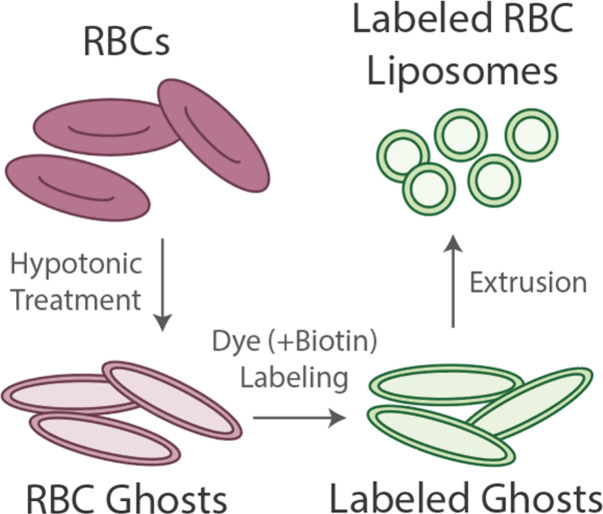 Figure 1
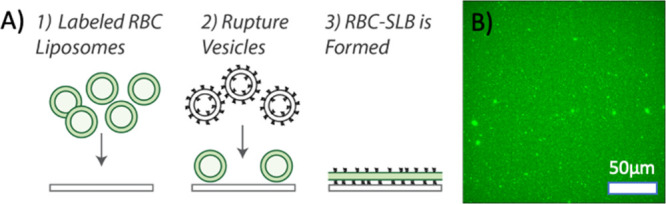 Figure 2
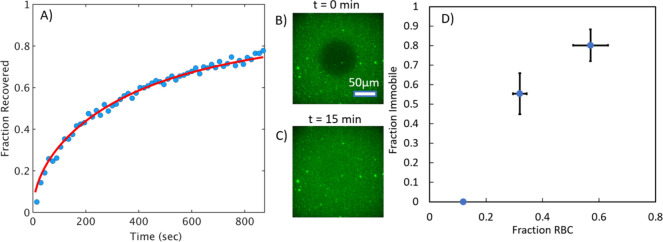 Figure 3
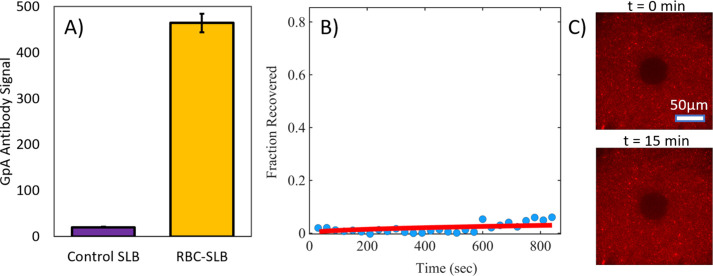 Figure 4
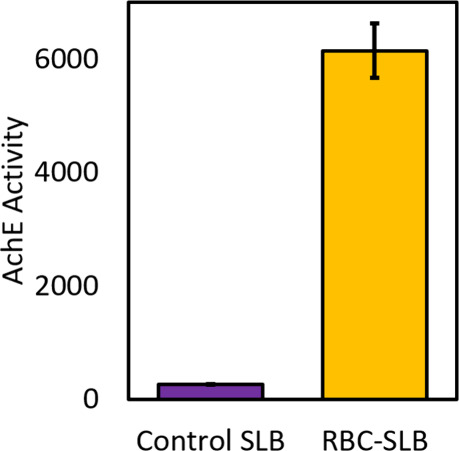 Figure 5
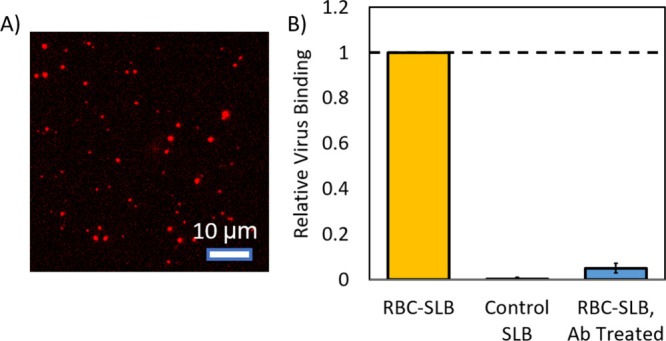 Figure 6
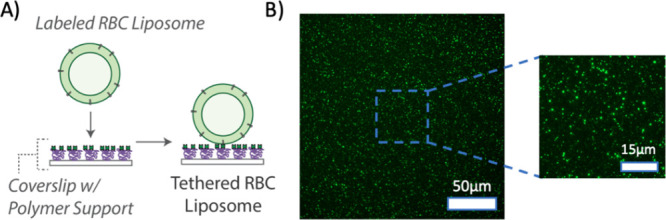 Figure 7
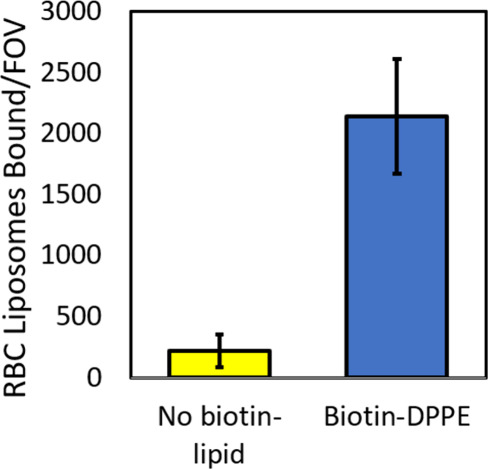 Figure 8
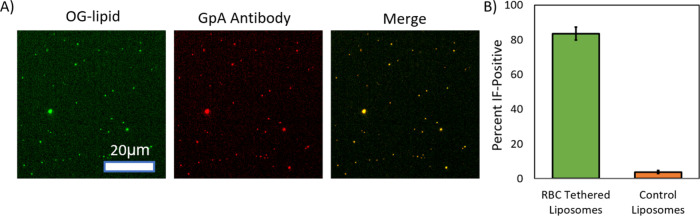 Figure 9
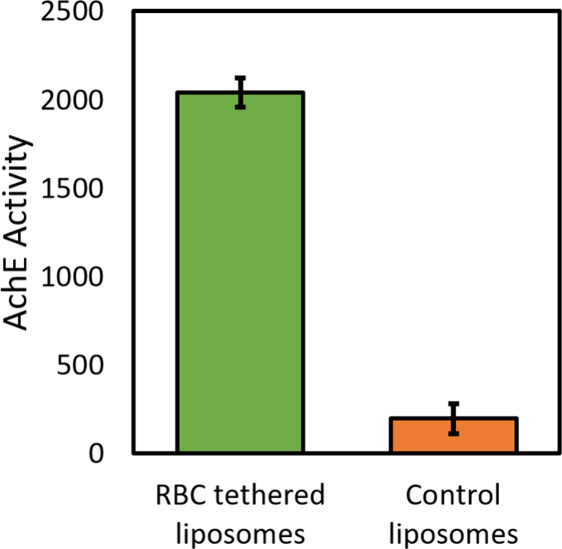 Figure 10
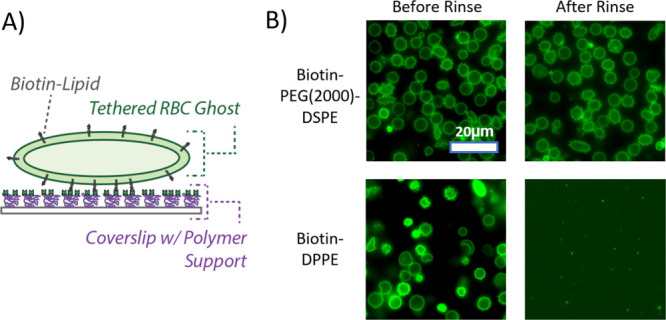 Figure 11
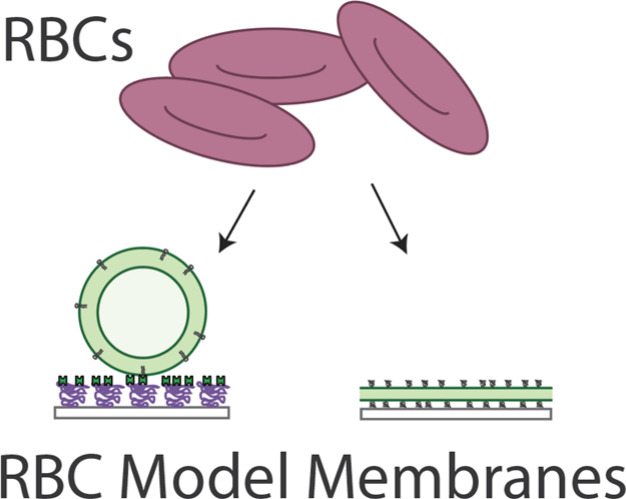 Figure 12
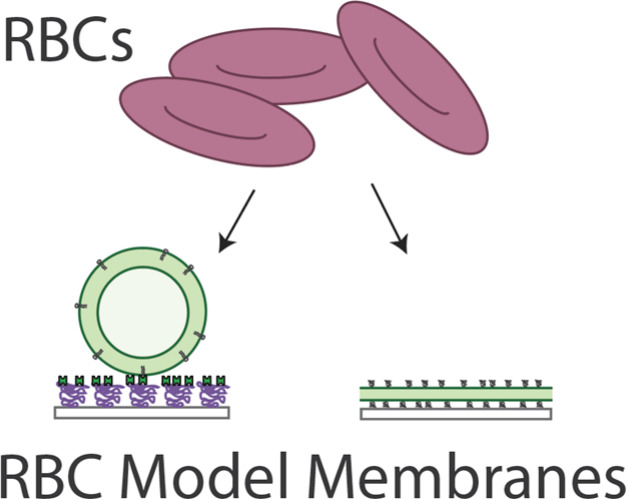 Figure 13
 Figure 14
 Figure 15
Peer Reviews
No public reviews on file for this paper yet. If you reviewed it on a platform where reviews are public (OpenReview, ICLR, NeurIPS, ICML), you can paste yours below so the community can read it here.
Videos
No videos yet. Explain this paper in a talk, walkthrough, or lecture? Add one.
Taxonomy
TopicsLipid Membrane Structure and Behavior · Erythrocyte Function and Pathophysiology · Hemoglobin structure and function