Stimuli-Responsive Nanozyme Reprograms Tumor Immunometabolism and Overcomes Therapeutic Resistance in Hepatocellular Carcinoma
Yen-Nhi Ngoc Ta, Van-Anh Thi Nguyen, Thu-Thuy Can, Meng-Cheng Hsieh, Bang Giang Thi Cao, Dehui Wan, Chian-Hui Lai, Chun-Chieh Wu, Fu-Fei Hsu, Yu-Ting Yen, Shen-Nien Wang, Yunching Chen

TL;DR
A smart nanozyme targets liver cancer by altering its metabolism and boosting the immune response, overcoming treatment resistance.
Contribution
A stimuli-responsive nanozyme that reprograms tumor immunometabolism and overcomes therapeutic resistance in HCC.
Findings
The nanozyme depletes glucose in tumors, inducing stress and sensitizing HCC cells to apoptosis.
Co-delivery of GOx and DOX promotes immunogenic cell death and activates immune cells.
Combining the nanozyme with anti–PD-1 therapy leads to tumor regression and reduced metastasis in HCC models.
Abstract
Hepatocellular carcinoma (HCC) exhibits profound glycolytic reprogramming that drives tumor growth, impairs apoptosis, and suppresses immune responses, leading to resistance against conventional therapies. To overcome this challenge, we developed a stimuli-responsive nanozyme composed of a pH-sensitive lipid–gelatin–protamine (LGP) nanogel encapsulating glucose oxidase (GOx). This tumor-selective nanozyme depletes intratumoral glucose under acidic conditions, inducing oxidative and endoplasmic reticulum stress, upregulating death receptors, and sensitizing HCC cells to TRAIL- and doxorubicin (DOX)-induced apoptosis. Co-delivery of GOx and DOX within the nanozyme reprograms tumor immunometabolism, enhancing immunogenic cell death and promoting the release of damage-associated molecular patterns (DAMPs). These changes stimulate dendritic cell maturation and cytotoxic CD8+ T-cell…
Genes, proteins, chemicals, diseases, species, mutations and cell lines named across the full text — each resolved to its canonical identifier and authoritative record.
Click any figure to enlarge with its caption.
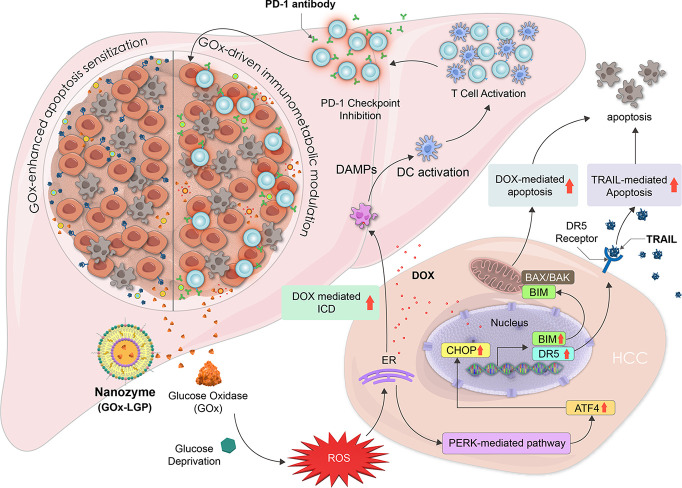 Figure 1
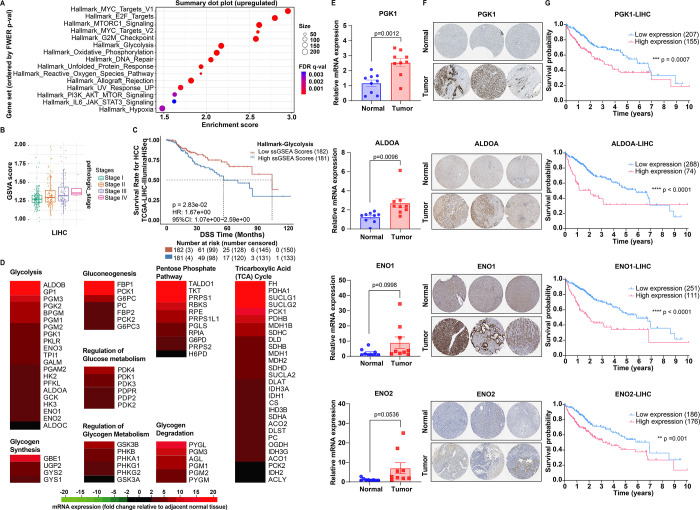 Figure 2
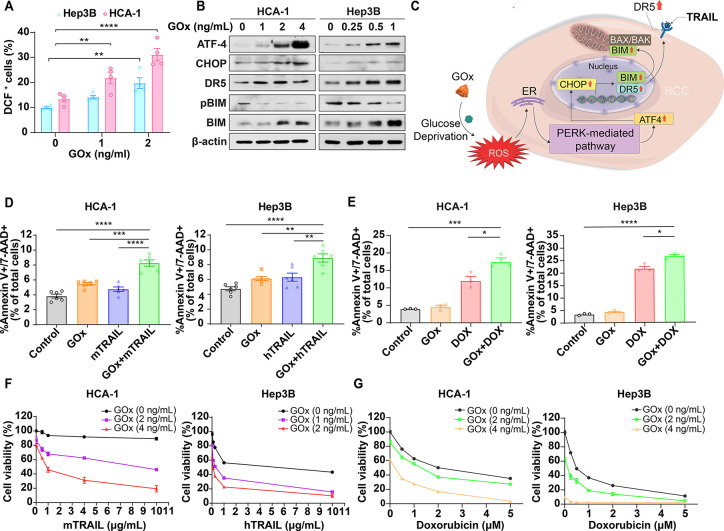 Figure 3
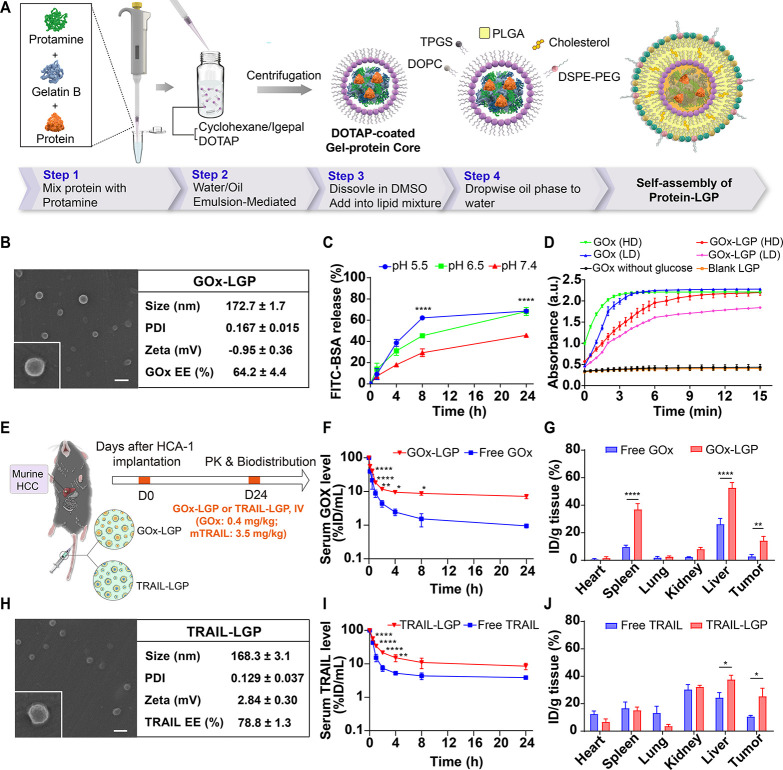 Figure 4
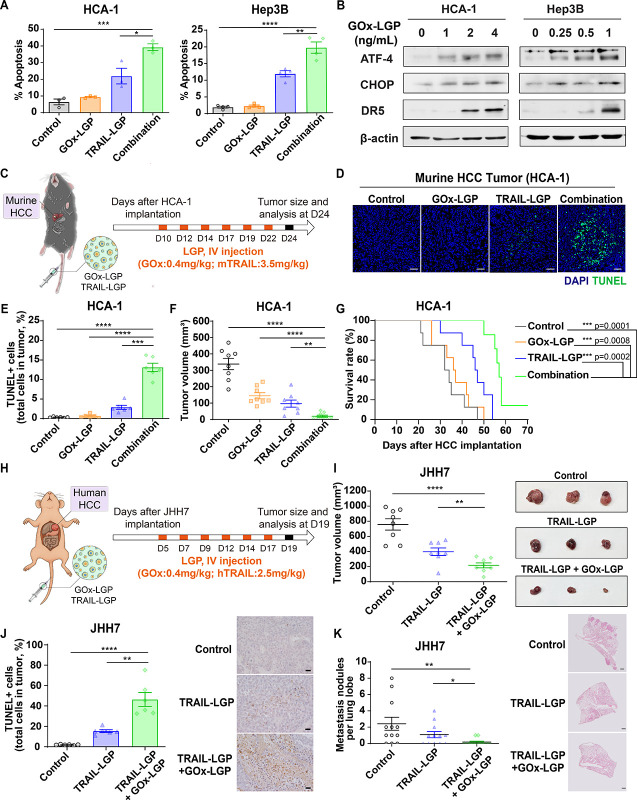 Figure 5
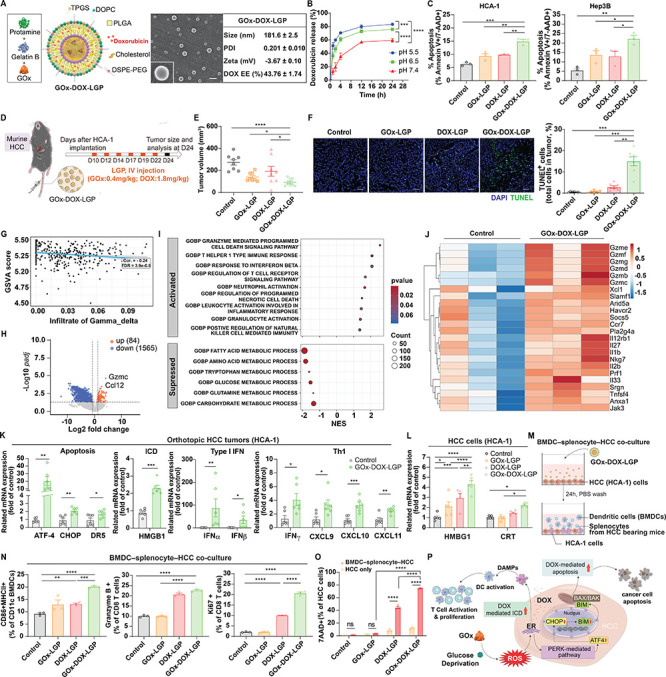 Figure 6
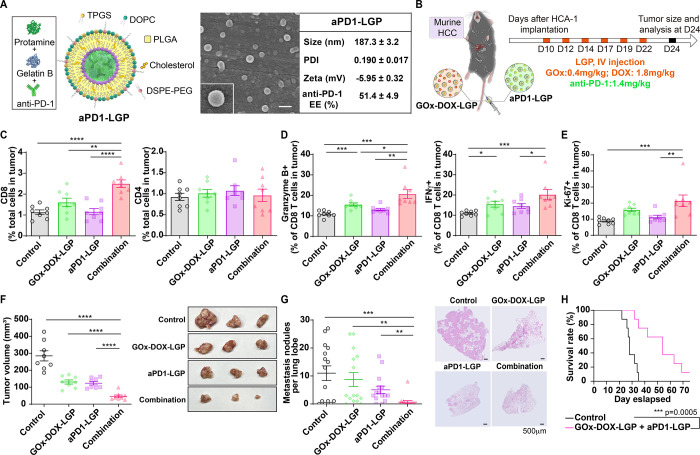 Figure 7
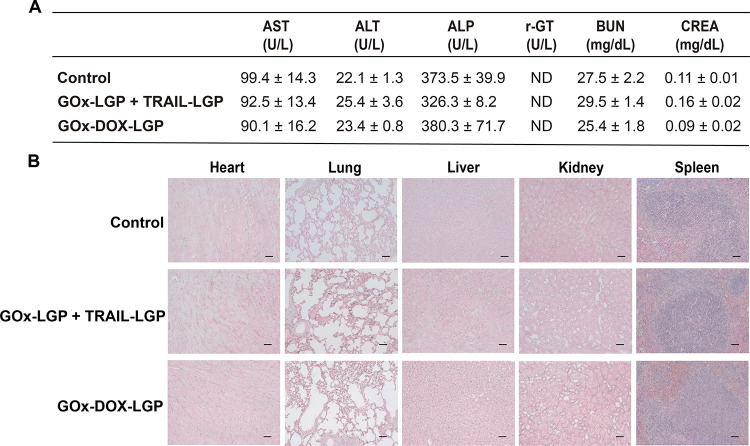 Figure 8
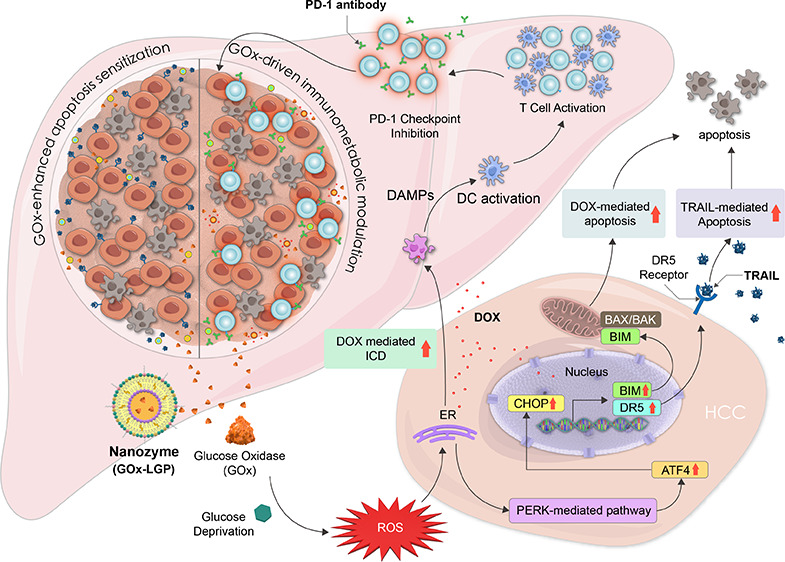 Figure 9
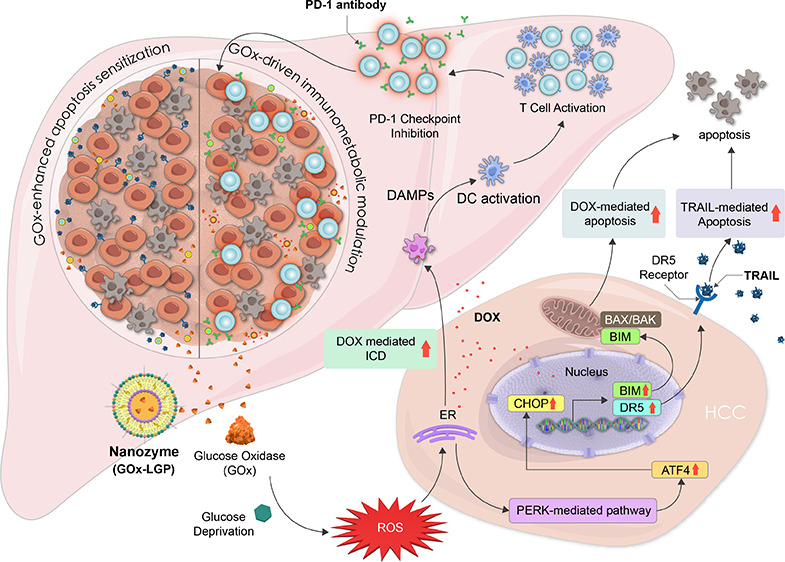 Figure 10
Peer Reviews
No public reviews on file for this paper yet. If you reviewed it on a platform where reviews are public (OpenReview, ICLR, NeurIPS, ICML), you can paste yours below so the community can read it here.
Videos
No videos yet. Explain this paper in a talk, walkthrough, or lecture? Add one.
Taxonomy
TopicsNanoplatforms for cancer theranostics · Advanced Nanomaterials in Catalysis · Ferroptosis and cancer prognosis