Reflections in focus: a qualitative Photovoice-informed study on pediatric patient and caregiver hospital experiences
Freja K. Ekman, Niisoja M. Torto, Katherine Hu, Catharine Bowman, Olubunmi A. Fariyike, Justin J. Yates, Syamantak Payra, Charbel Bou Khalil, Ezra T. Yoseph, Rowan M. Ings, Ruby E. Reed, Samuel T. Rodriguez

TL;DR
This study uses photography and storytelling to explore the hospital experiences of children and their caregivers, revealing insights into their challenges and emotional journeys.
Contribution
The study applies Photovoice methodology to pediatric hospitalization, highlighting distinct patient and caregiver perspectives and opportunities for improved care.
Findings
Five themes emerged, including environment, play, resilience, and gratitude, showing how patients and caregivers perceive hospital experiences differently.
Patients focused on immediate experiences and symbolic objects, while caregivers emphasized broader responsibilities and interpersonal dynamics.
Both groups valued play and normal routines, but viewed them through different lenses—enjoyment for patients and healing for caregivers.
Abstract
Pediatric patients and caregivers face numerous challenges throughout their healthcare journey, often experiencing feelings of lost agency and lost voice. Photovoice, a participatory methodology combining photography with storytelling, empowers participants to share their experiences from their own perspective. However, its use in pediatric hospitalizations has been limited. Using Photovoice-informed methods, this study examines how pediatric patients and caregivers experience illness and navigate the healthcare system, helping identify opportunities to improve care. This study was conducted at Lucile Packard Children’s Hospital between July 2022 and April 2024. Pediatric patients and adult caregivers were recruited from inpatient and hospital-based outpatient settings through the Child Life department. Participants captured photographs of their hospital experiences using personal or…
Genes, proteins, chemicals, diseases, species, mutations and cell lines named across the full text — each resolved to its canonical identifier and authoritative record.
Click any figure to enlarge with its caption.
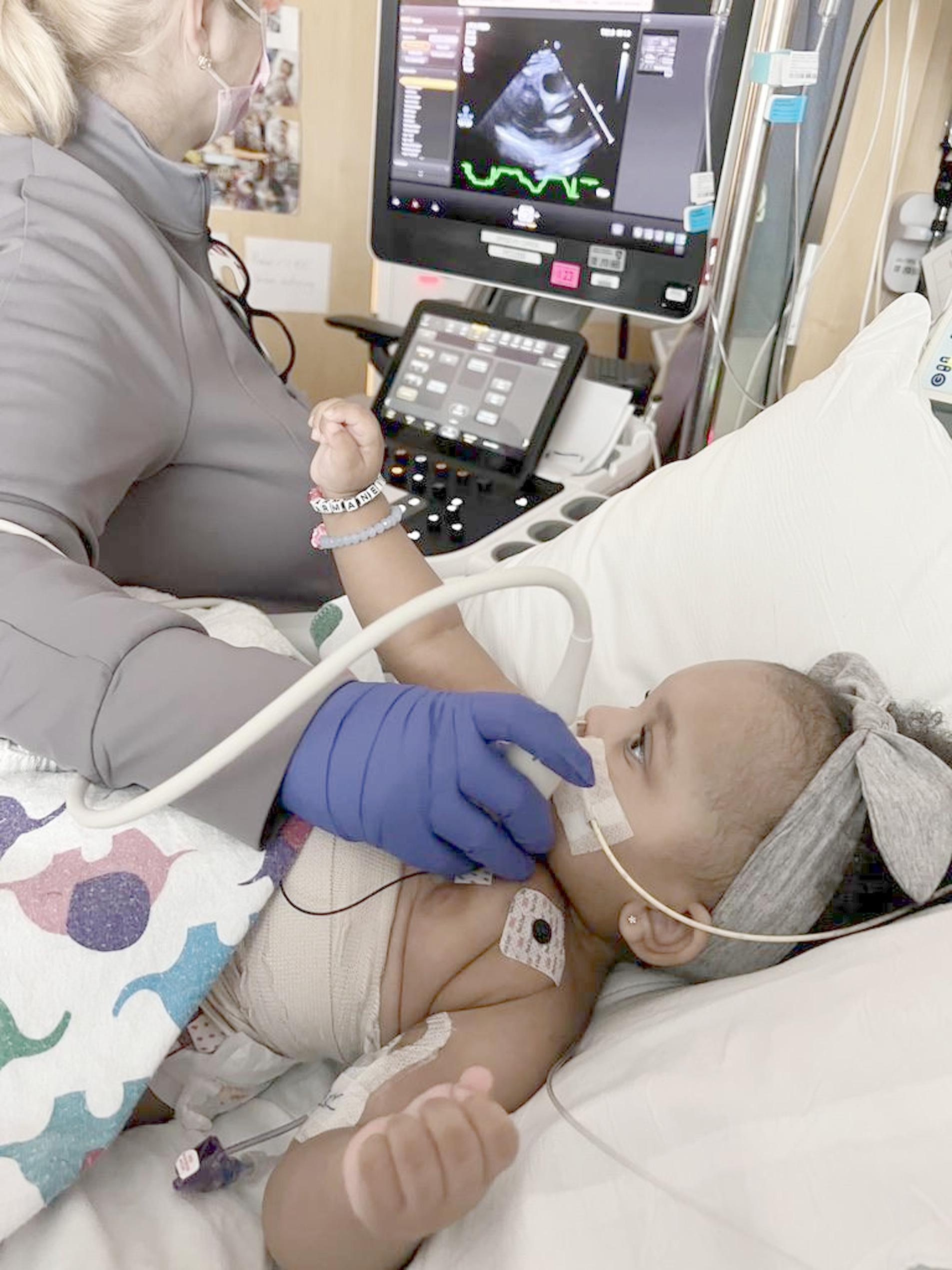 Figure 1
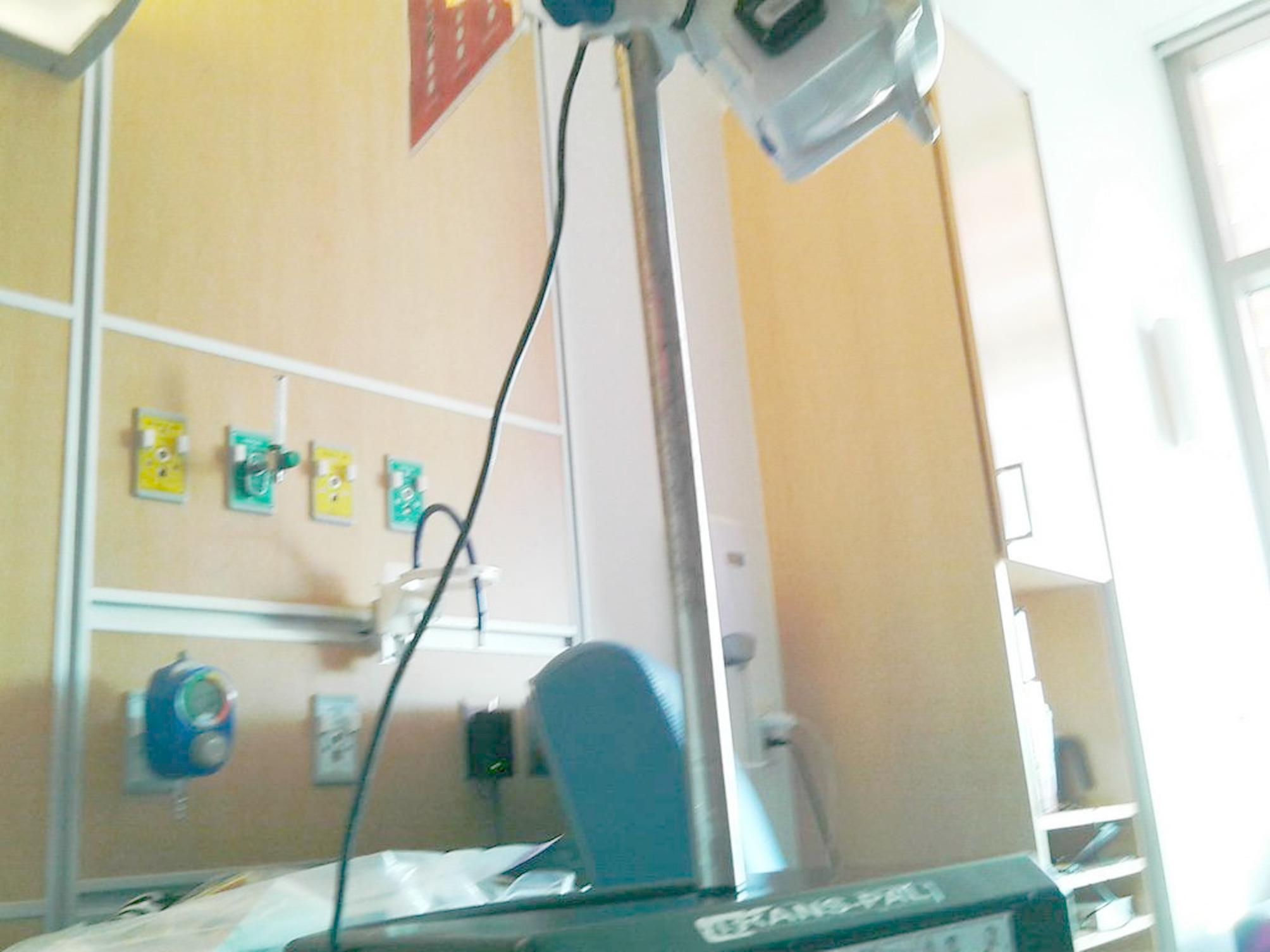 Figure 2
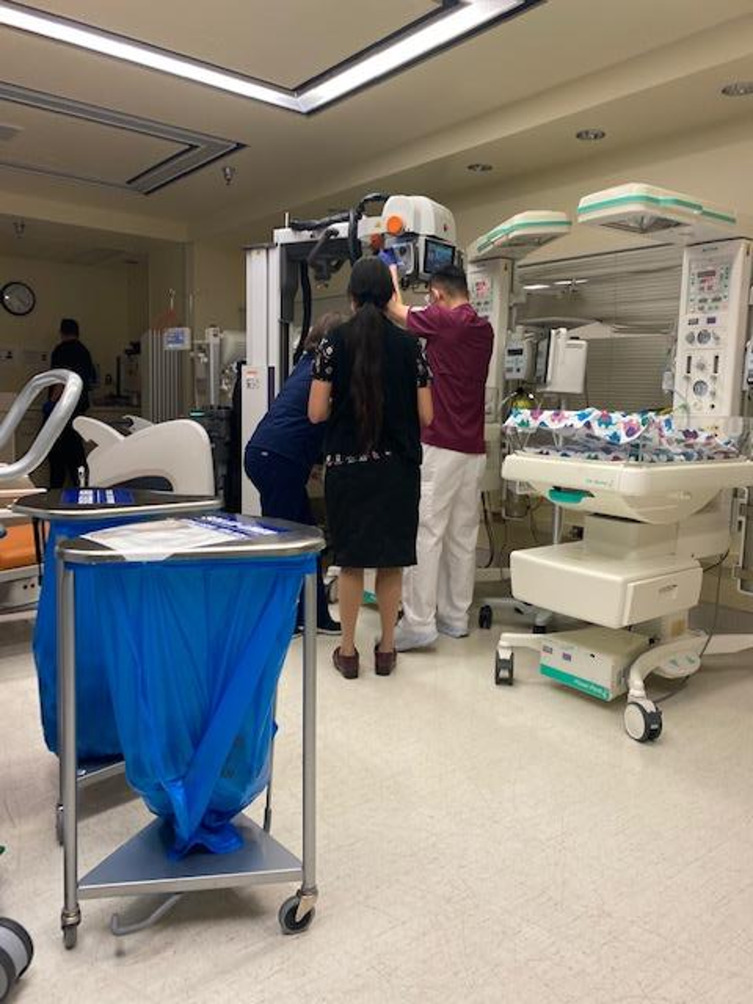 Figure 3
 Figure 4
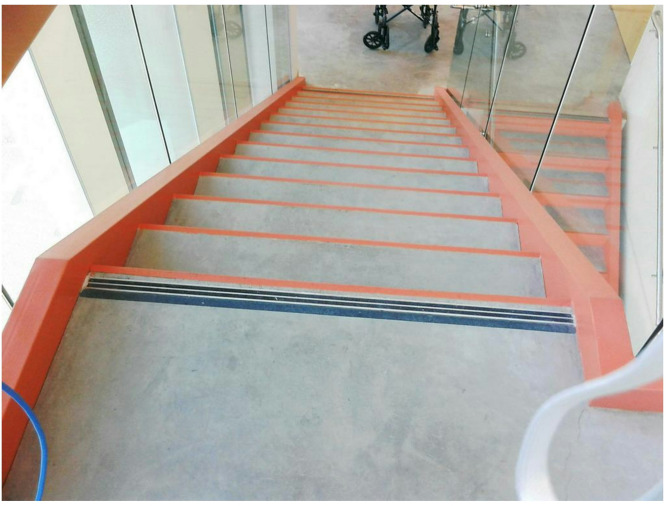 Figure 5
 Figure 6
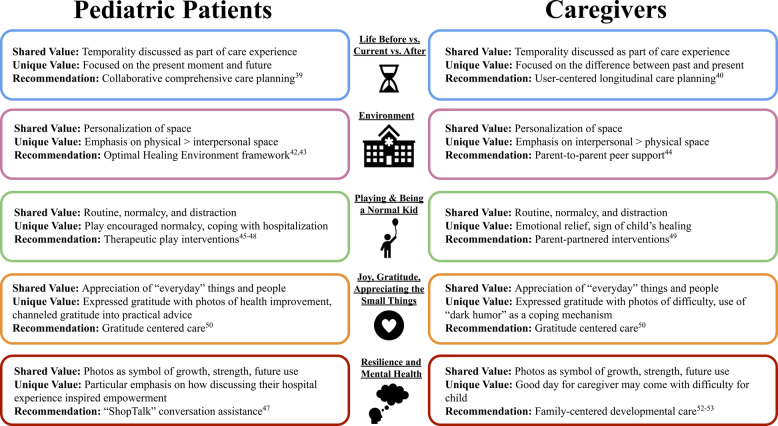 Figure 7
Peer Reviews
No public reviews on file for this paper yet. If you reviewed it on a platform where reviews are public (OpenReview, ICLR, NeurIPS, ICML), you can paste yours below so the community can read it here.
Videos
No videos yet. Explain this paper in a talk, walkthrough, or lecture? Add one.
Taxonomy
TopicsParticipatory Visual Research Methods · Mental Health and Patient Involvement · Children's Rights and Participation