Recruitment of the multiple sclerosis cohort within the European Mobilise-D clinical validation study—lessons learnt, baseline demographics and clinical characteristics
Gavin Brittain, Ellen Buckley, Vita Lanfranchi, Mike Long, Thanos Tsaktanis, Veit Rothhammer, Clint Hansen, Klarissa Hanja Stürner, Walter Maetzler, Lynn Rochester, Lou Sutcliffe, Isabel Neatrour, Beatrix Vereijken, Joren Buekers, Judith Garcia-Aymerich, Sarah Koch

TL;DR
This study describes the recruitment process and baseline characteristics of a multiple sclerosis cohort for a digital mobility assessment study.
Contribution
The paper provides insights into recruitment challenges and baseline data for a digital mobility study in MS patients.
Findings
42% recruitment rate with primary sources being clinicians and local registries.
Participants had a median EDSS score of 5.0 and 58% reported falls in the prior year.
556 participants had valid mobility data for analysis.
Abstract
Multiple sclerosis (MS) is a common cause of disability in working age adults. Current clinical assessments are inadequate at disability assessment or predicting clinically relevant outcomes. Loss of mobility is an important functional disability to people with MS. Mobilise-D aims to develop, validate, and implement a digital mobility solution which measures unsupervised mobility performance across several chronic conditions, including MS, using a single wearable device. Six hundred two adults with MS, an Expanded Disability Status Scale (EDSS) score of 3.0–6.5, documented disability worsening over the previous 2 years and a 30-day freedom from relapses, were recruited across four European centres. Of 1416 invited, 602 participants (42%) were recruited. Primary recruitment sources were clinicians (42%) and local registries (42%). Among 616 who declined screening, the main reasons were…
Genes, proteins, chemicals, diseases, species, mutations and cell lines named across the full text — each resolved to its canonical identifier and authoritative record.
Click any figure to enlarge with its caption.
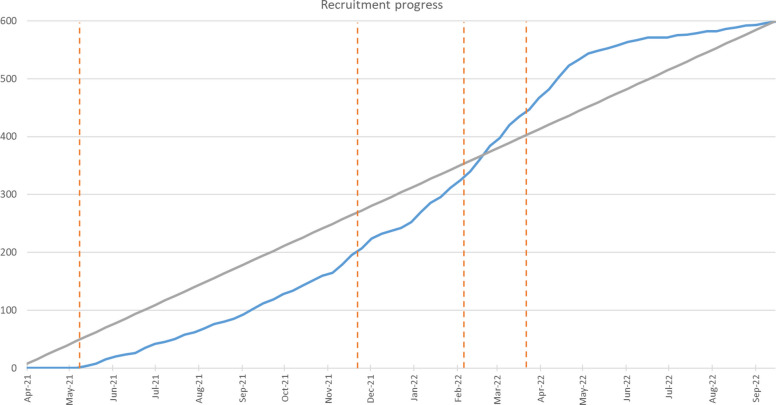 Figure 1
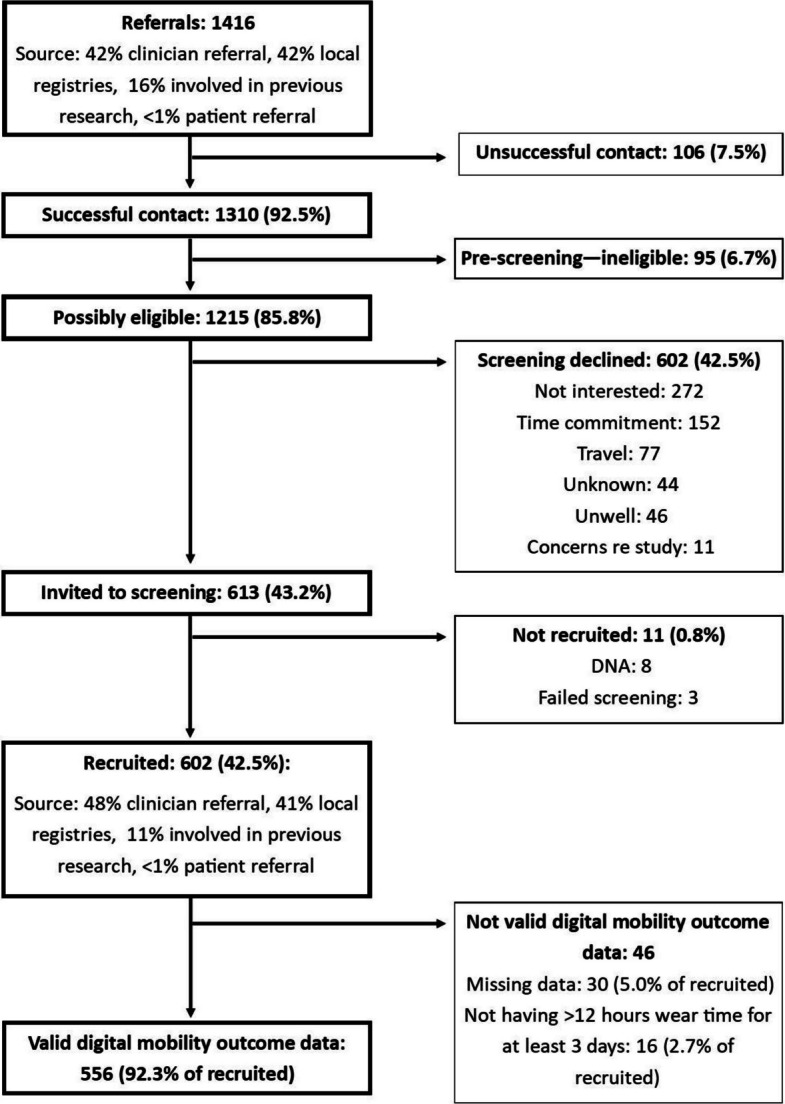 Figure 2
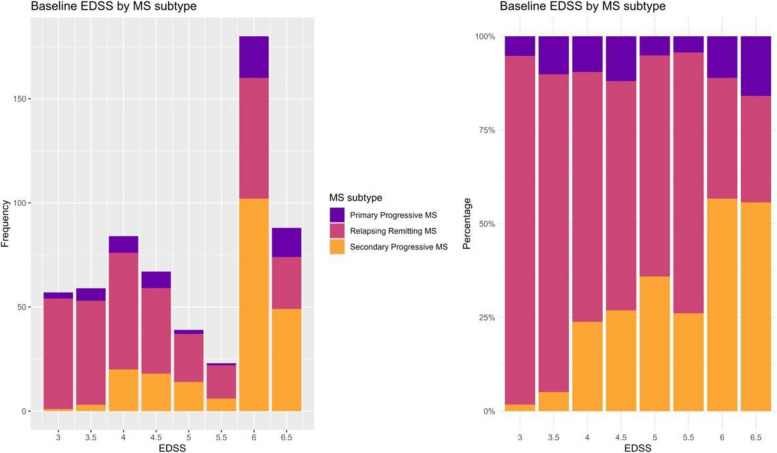 Figure 3
Peer Reviews
No public reviews on file for this paper yet. If you reviewed it on a platform where reviews are public (OpenReview, ICLR, NeurIPS, ICML), you can paste yours below so the community can read it here.
Videos
No videos yet. Explain this paper in a talk, walkthrough, or lecture? Add one.
Taxonomy
TopicsMultiple Sclerosis Research Studies · Balance, Gait, and Falls Prevention · Cerebral Palsy and Movement Disorders