ATH-1105 mitigates multiple pathologies in ALS models both alone and in combination with riluzole
Andrée-Anne Berthiaume, Kayla N. Kleist, Sherif M. Reda, Sharay E. Setti, Wei Wu, Jewel L. Johnston, Robert W. Taylor, Liana R. Stein, Kevin J. Church

TL;DR
ATH-1105, a drug that boosts HGF signaling, shows promise in treating ALS by reducing multiple disease features and working well with the existing drug riluzole.
Contribution
Demonstrates that ATH-1105 mitigates multiple ALS pathologies and enhances riluzole's effects in a TDP-43 mouse model.
Findings
ATH-1105 improves neuromuscular function and reduces neurodegeneration, inflammation, and TDP-43 phosphorylation in ALS mice.
Combining ATH-1105 with riluzole provides greater therapeutic benefits than either treatment alone.
ATH-1105's neuroprotective effects are mediated through MET activation and reduced TDP-43 pathology in motor neurons.
Abstract
Amyotrophic lateral sclerosis (ALS) is a fatal neurodegenerative disorder characterized by progressive motor neuron degeneration, muscle atrophy, and paralysis. The complexity of ALS pathology, driven by factors such as TDP-43 pathology, excitotoxicity, and neuroinflammation, has hindered therapeutic development. While riluzole (an anti-excitotoxic agent) is the current standard treatment, additional therapeutics are needed to address the broad spectrum of ALS-related pathology. ATH-1105, a small-molecule positive modulator of hepatocyte growth factor (HGF) signaling, has shown promise in preclinical models of ALS. Given the multifactorial nature of ALS and the growing recognition that combination approaches may represent the best treatment options, we investigated the therapeutic potential of ATH-1105 in a TDP-43-driven mouse model of ALS, by comparing and combining it with the known…
Genes, proteins, chemicals, diseases, species, mutations and cell lines named across the full text — each resolved to its canonical identifier and authoritative record.
Click any figure to enlarge with its caption.
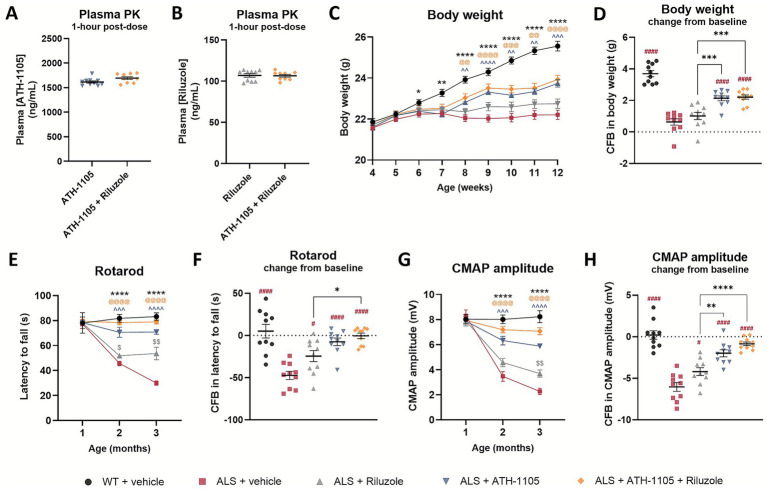 Figure 1
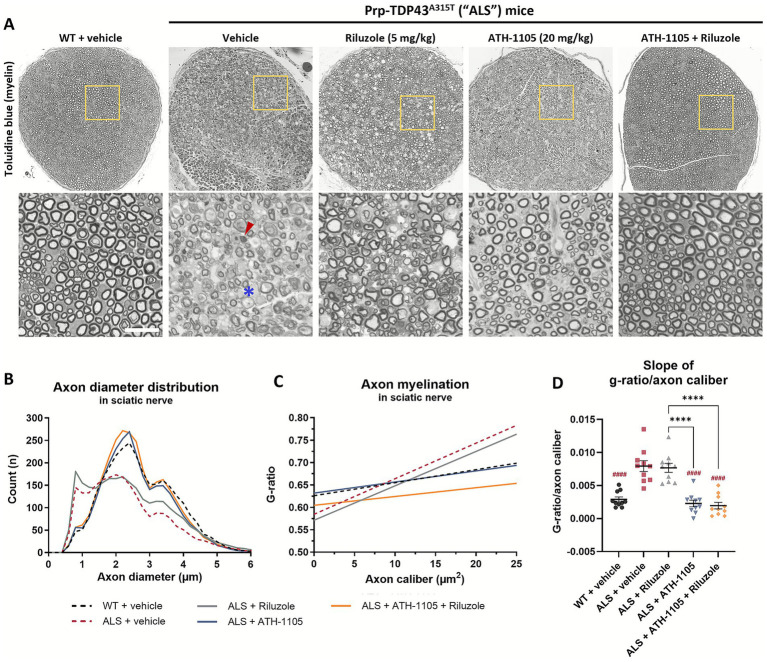 Figure 2
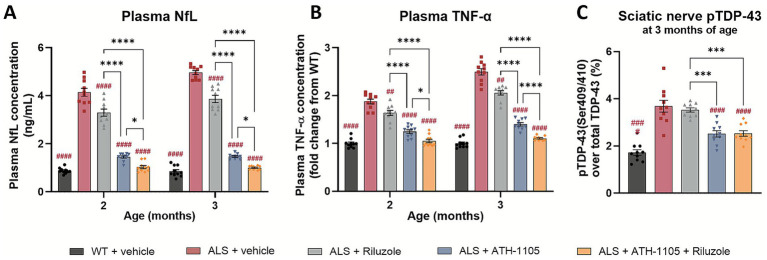 Figure 3
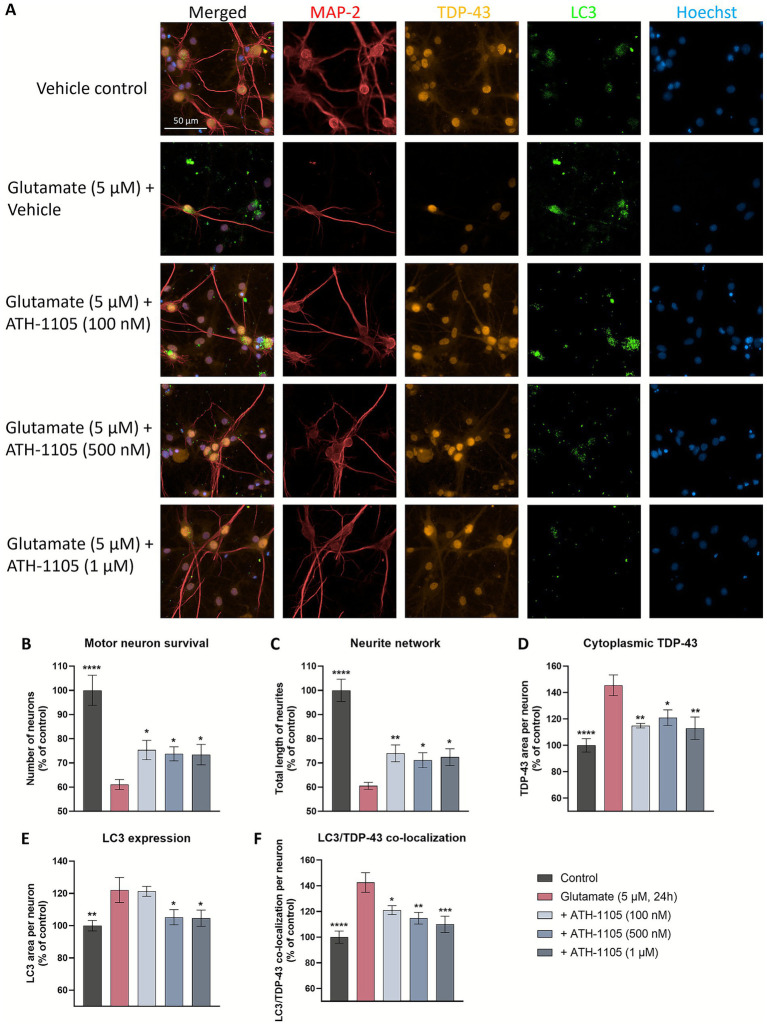 Figure 4
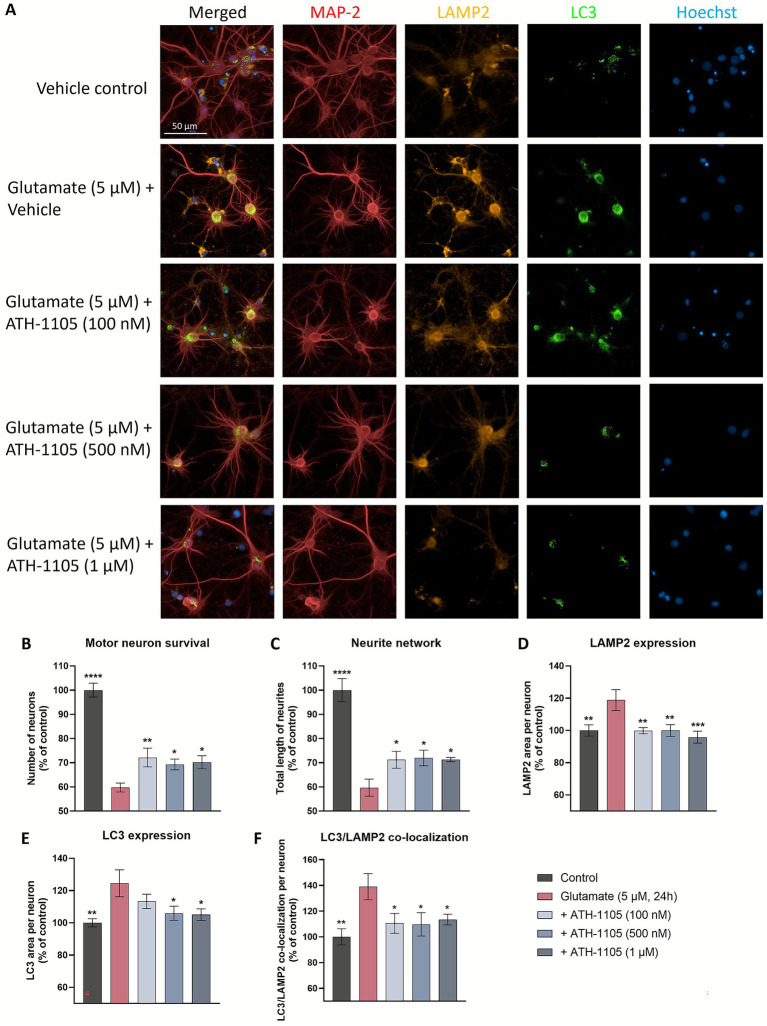 Figure 5
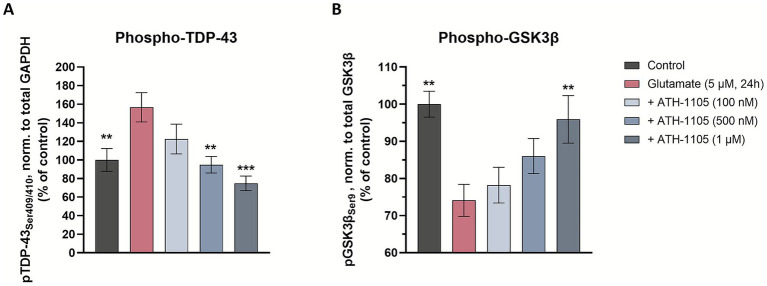 Figure 6
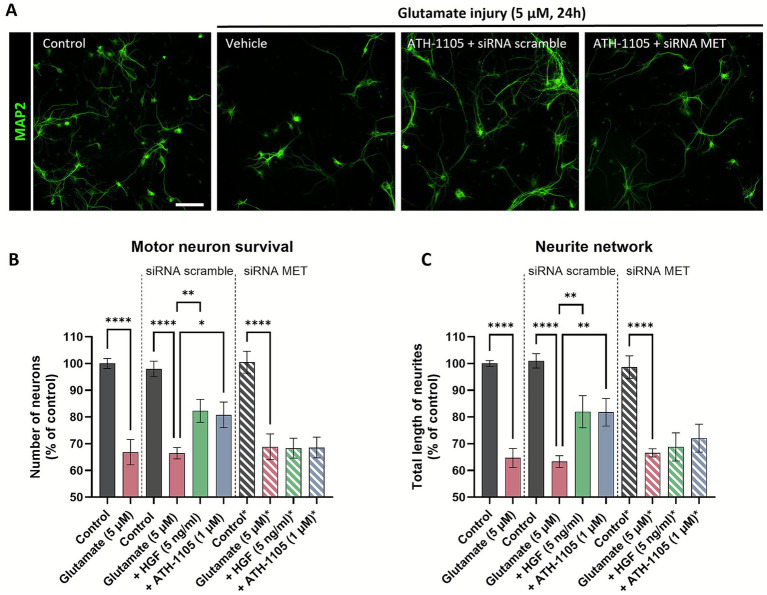 Figure 7
Peer Reviews
No public reviews on file for this paper yet. If you reviewed it on a platform where reviews are public (OpenReview, ICLR, NeurIPS, ICML), you can paste yours below so the community can read it here.
Videos
No videos yet. Explain this paper in a talk, walkthrough, or lecture? Add one.
Taxonomy
TopicsAmyotrophic Lateral Sclerosis Research · Neurogenetic and Muscular Disorders Research · Nerve injury and regeneration