Flavouring Group Evaluation 87, Revision 3 (FGE.87Rev3): Consideration of bicyclic secondary alcohols, ketones and related esters evaluated by JECFA (63rd meeting) structurally related to bicyclic secondary alcohols, ketones and related esters evaluated in FGE.47Rev1
Laurence Castle, Monica Andreassen, Gabriele Aquilina, Maria Bastos, Polly Boon, Biagio Fallico, Rex FitzGerald, María José Frutos Fernández, Bettina Grasl‐Kraupp, Ursula Gundert‐Remy, Rainer Gürtler, Eric Houdeau, Marcin Kurek, Henriqueta Louro, Patricia Morales

TL;DR
This paper evaluates the safety of 19 flavoring substances, concluding that most are safe at current usage levels, though some require more data for accurate risk assessment.
Contribution
The study provides updated safety evaluations and exposure assessments for 19 flavoring substances based on new production and usage data.
Findings
For [FL-no: 07.136], no safety concerns were identified using the MSDI approach.
Exposure estimates for [FL-no: 07.089, 07.153, 07.159] exceed the TTC for structural class II substances, requiring more data.
Use levels are needed for 15 substances to refine exposure assessments and finalize evaluations.
Abstract
The Panel on Food Additives and Flavourings (FAF) of the European Food Safety Authority was requested to consider evaluations of flavouring substances assessed since 2000 by the Joint FAO/WHO Expert Committee on Food Additives (the JECFA) and to decide whether further evaluation is necessary, as laid down in Commission Regulation (EC) No. 1565/2000. The present consideration concerns a group of 19 bicyclic secondary alcohols, ketones and related esters evaluated by JECFA at the 63rd meeting. This revision of FGE.87 is made due to new information on annual production volume, allowing the calculation of maximised survey‐derived daily intake (MSDI) for 4,4a,5,6‐tetrahydro‐7‐methylnaphthalen‐2(3H)‐one [FL‐no: 07.136]. In addition, new data on uses and use levels for the substances [FL‐no: 07.089, 07.0136, 07.153 and 07.159] have been provided and considered for the estimation of exposure…
Genes, proteins, chemicals, diseases, species, mutations and cell lines named across the full text — each resolved to its canonical identifier and authoritative record.
Click any figure to enlarge with its caption.
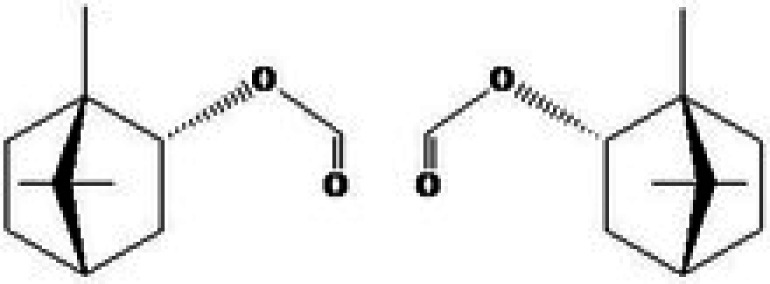 Figure 1
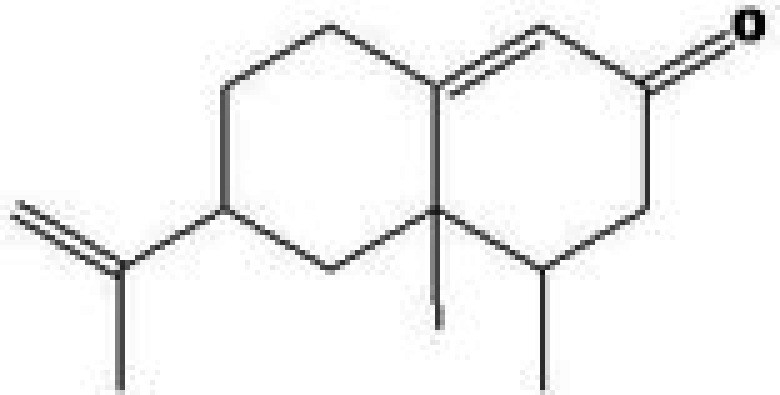 Figure 2
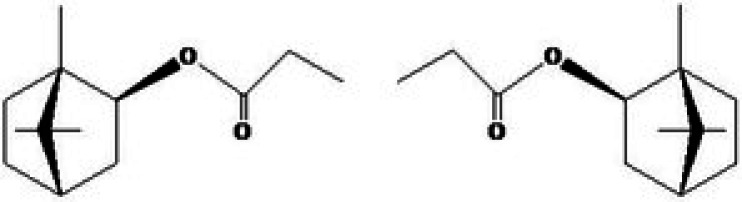 Figure 3
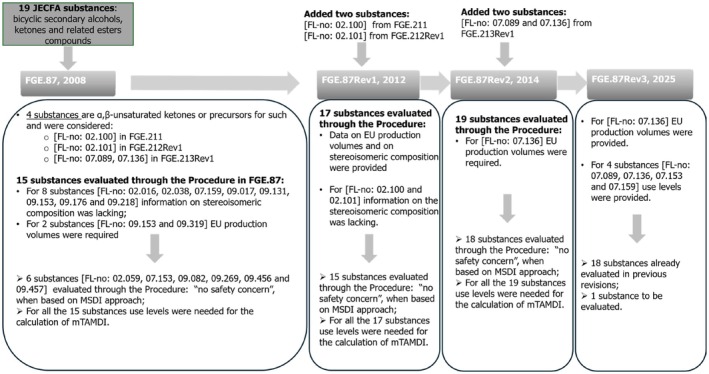 Figure 4
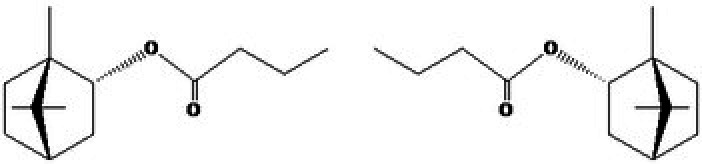 Figure 5
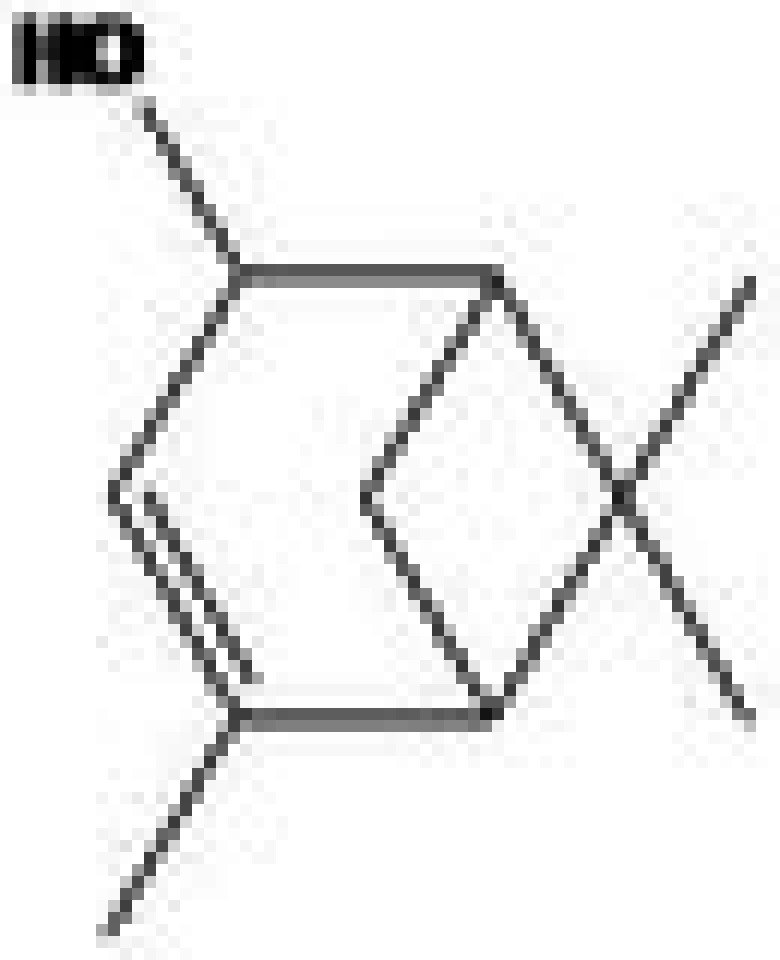 Figure 6
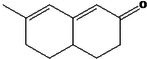 Figure 7
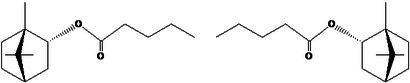 Figure 8
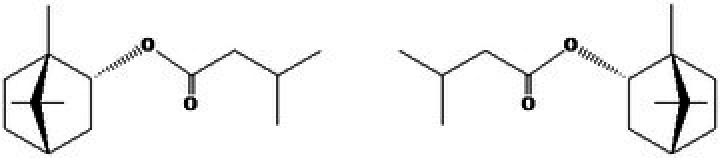 Figure 9
 Figure 10
 Figure 11
 Figure 12
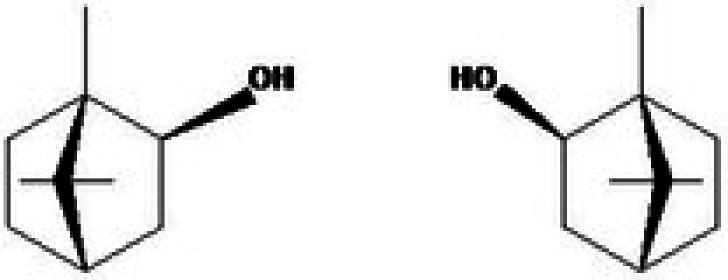 Figure 13
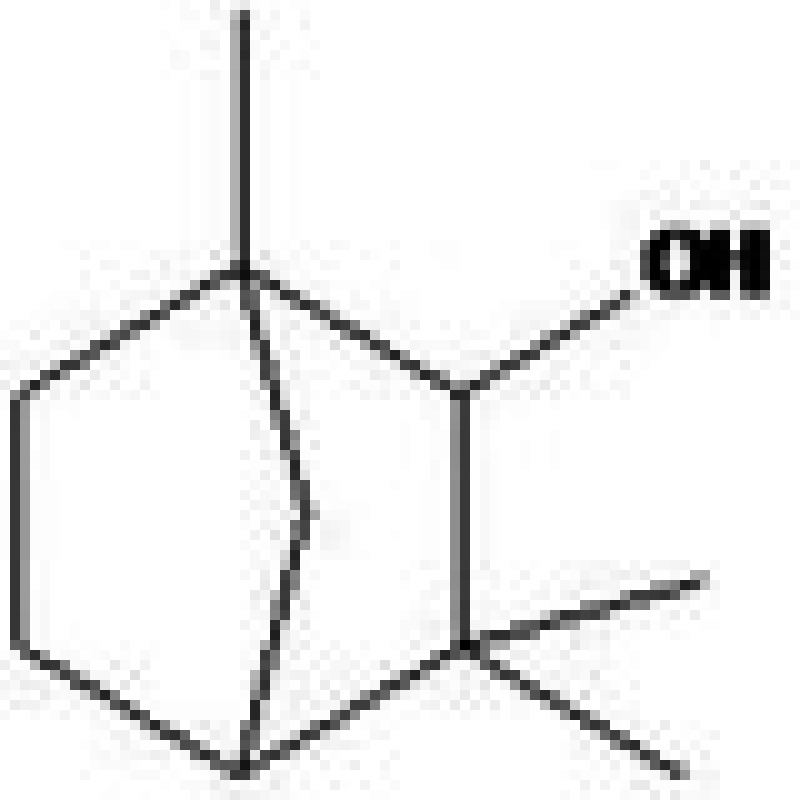 Figure 14
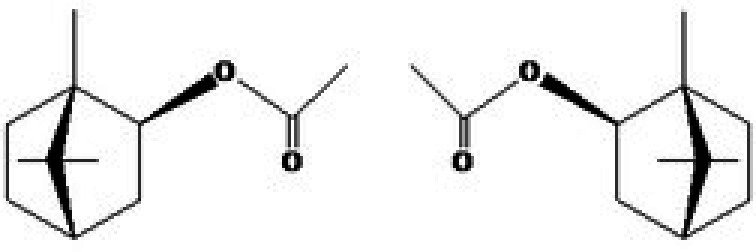 Figure 15
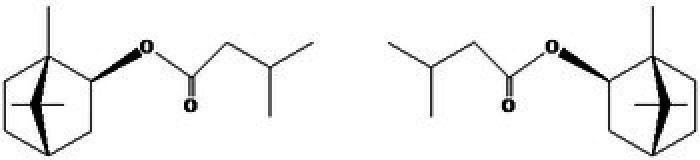 Figure 16
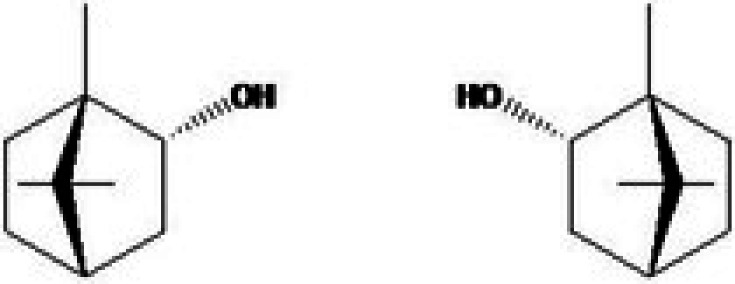 Figure 17
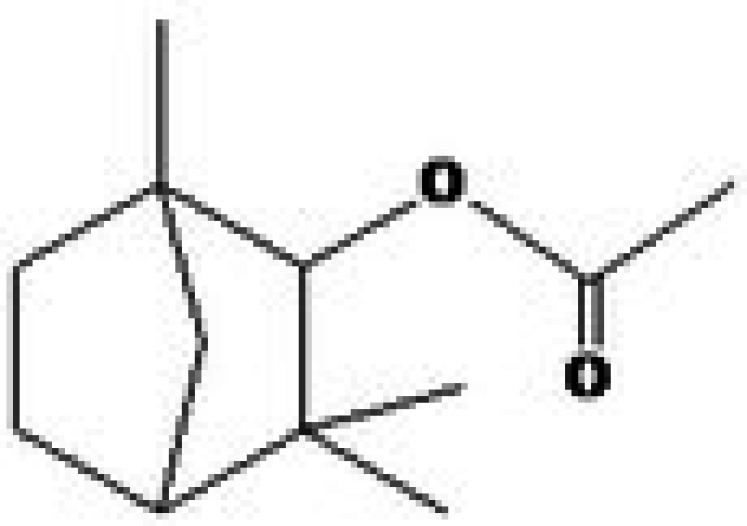 Figure 18
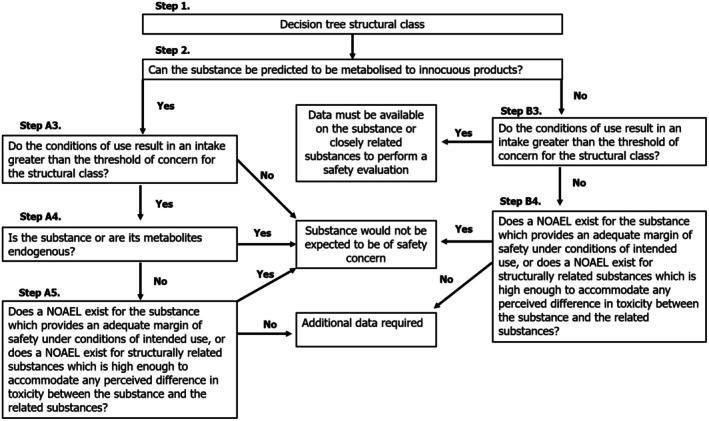 Figure 19
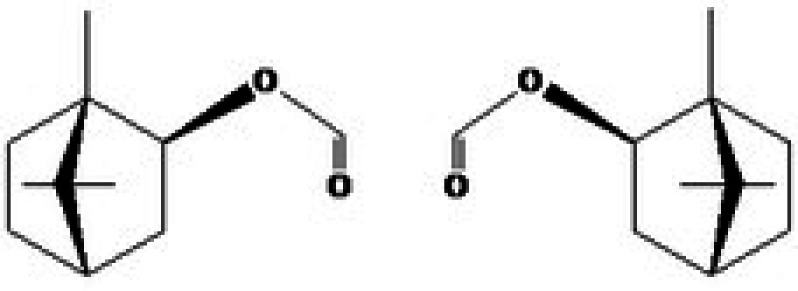 Figure 20
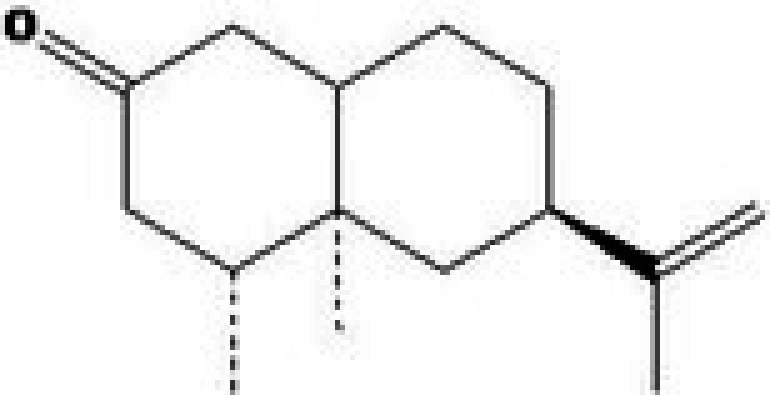 Figure 21
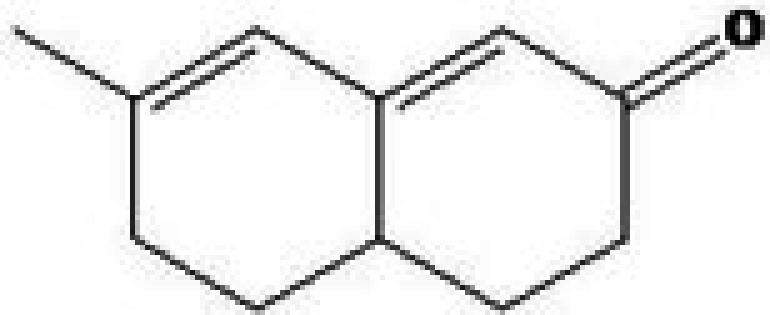 Figure 22
Peer Reviews
No public reviews on file for this paper yet. If you reviewed it on a platform where reviews are public (OpenReview, ICLR, NeurIPS, ICML), you can paste yours below so the community can read it here.
Videos
No videos yet. Explain this paper in a talk, walkthrough, or lecture? Add one.
Taxonomy
TopicsEffects and risks of endocrine disrupting chemicals · Carcinogens and Genotoxicity Assessment · Pesticide Residue Analysis and Safety