Temporal interference stimulation of peripheral nerves induces functionally diverse limb movements revealed by automated pose estimation and unsupervised behavioral analysis
Joshua Philippe Olorocisimo, Sudip Nag, Hengjia Zhang, Songyu Yang, Matvii Prytula, Serena Liu, Mustafa Kanchwala, Yinghe Sun, Jose Zariffa, Roman Genov

TL;DR
A new method for stimulating peripheral nerves can produce diverse limb movements using AI-based analysis, offering potential for neurorehabilitation.
Contribution
A high-selectivity extraneural nerve interface and AI-driven analysis pipeline for evaluating movement diversity in neuromodulation.
Findings
TIS produced 1.75 times more distinct movement clusters than standard stimulation.
TIS had a significantly higher effect on movement selectivity (β = 2.75, p < 0.005).
AI analysis revealed functionally diverse limb movements from TIS stimulation.
Abstract
Peripheral nerve stimulation can help restore limb movement after paralysis and enable advanced rehabilitation technologies; however, current extraneural interfaces are typically limited by low fascicle selectivity and laborious functional evaluation. This study has developed an extraneural peripheral nerve interface with high fascicle selectivity, and an AI-facilitated video analysis pipeline for assessing limb movement during neuromodulation. This was achieved by deploying temporal interference stimulation (TIS) in a high-density nerve cuff electrode and by using machine learning algorithms for automated pose estimation and unsupervised behavioral analysis to evaluate movement selectivity and diversity. Using this unbiased semi-automated analysis revealed that TIS elicited more selective motor responses than standard biphasic stimulation, as evidenced by the formation of 1.75 times…
Genes, proteins, chemicals, diseases, species, mutations and cell lines named across the full text — each resolved to its canonical identifier and authoritative record.
Click any figure to enlarge with its caption.
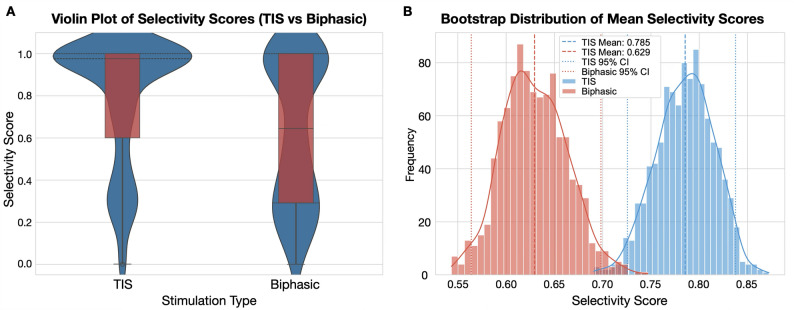 Figure 10
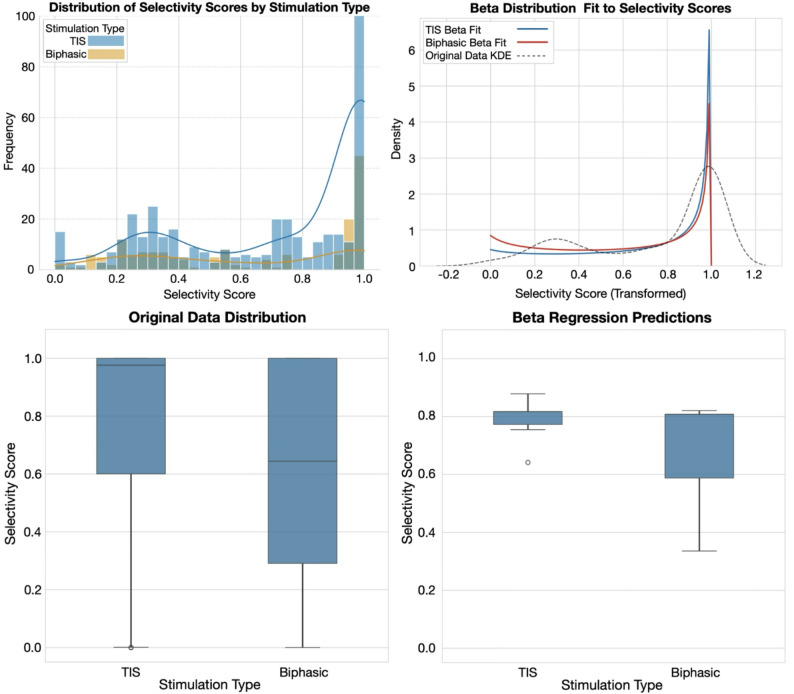 Figure 11
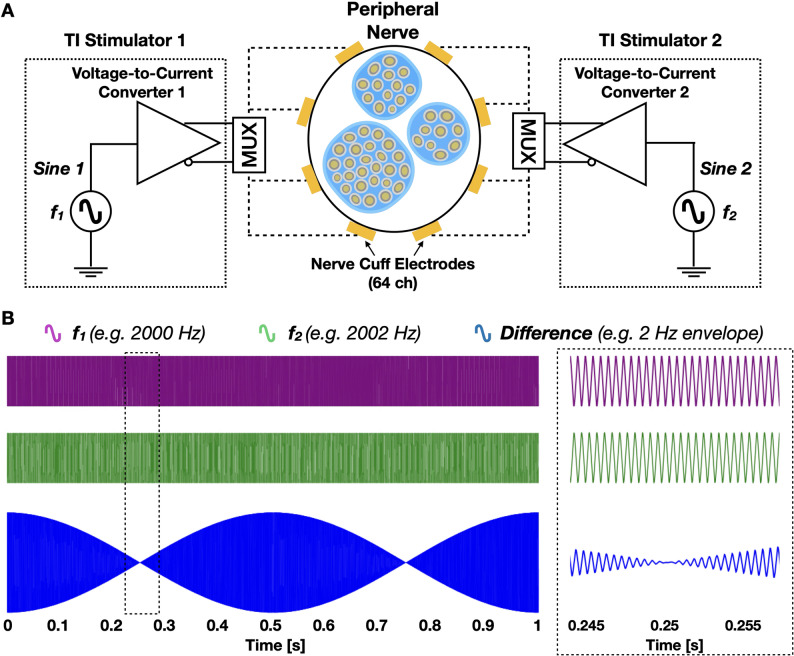 Figure 1
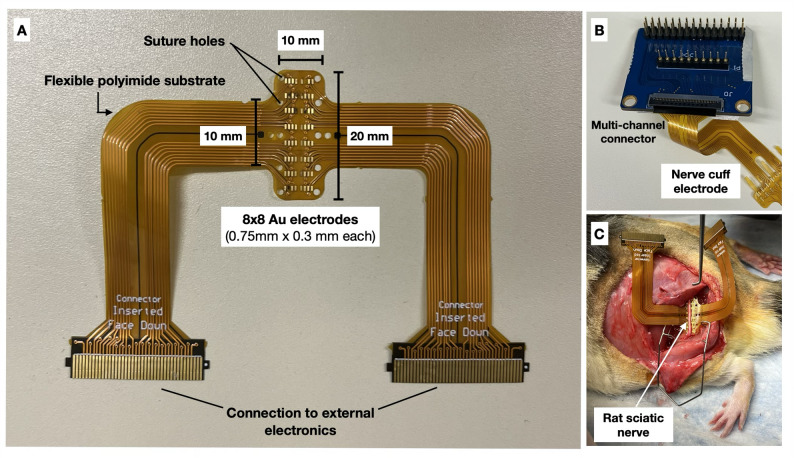 Figure 2
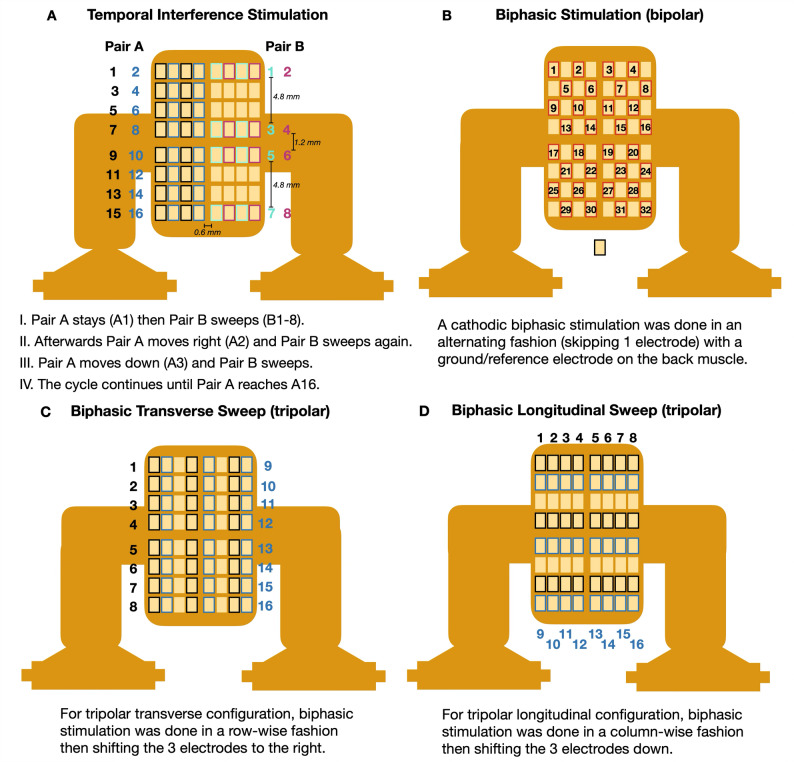 Figure 3
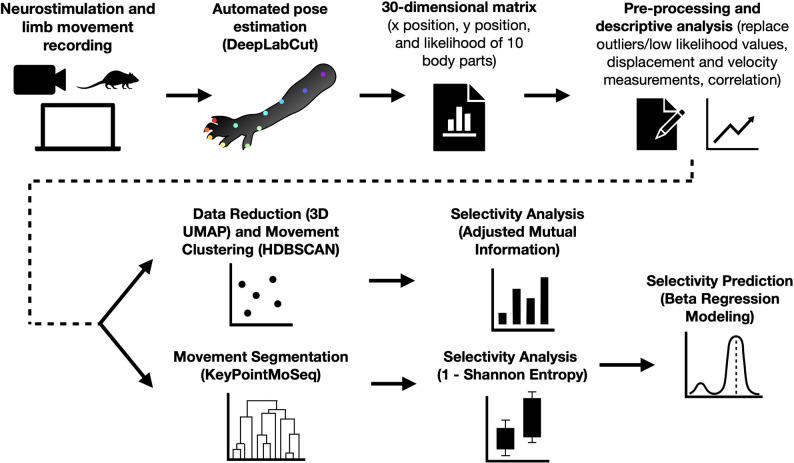 Figure 4
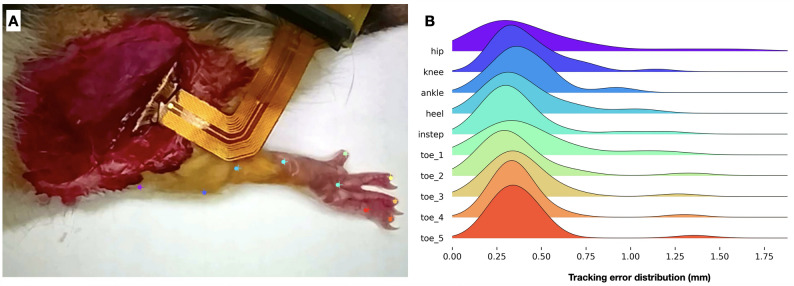 Figure 5
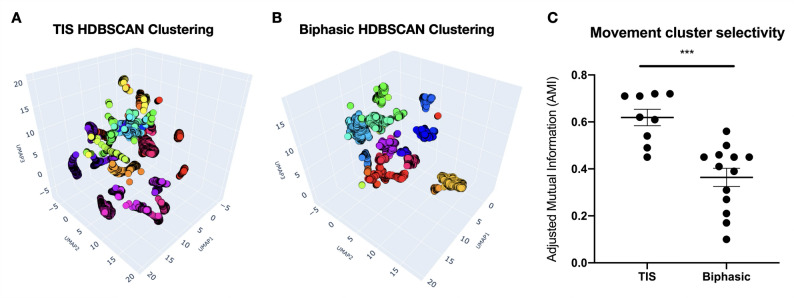 Figure 6
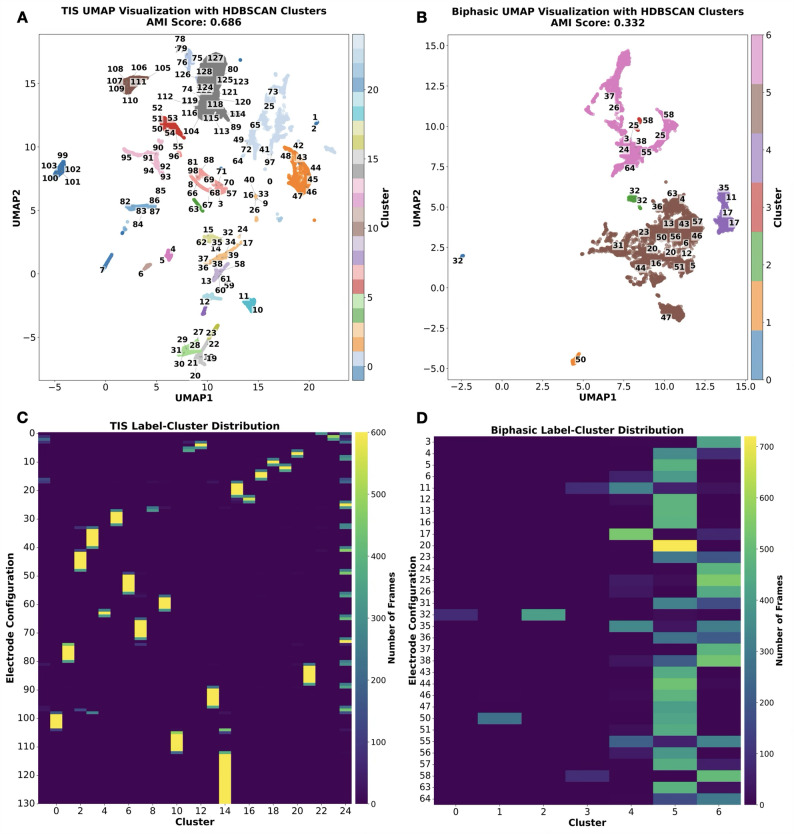 Figure 7
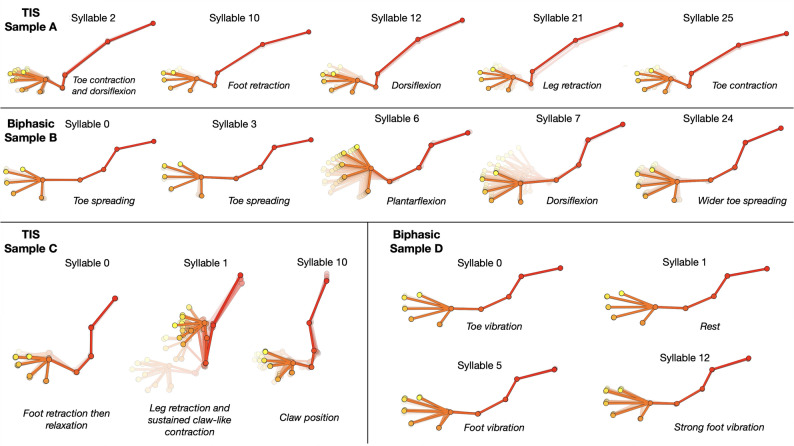 Figure 8
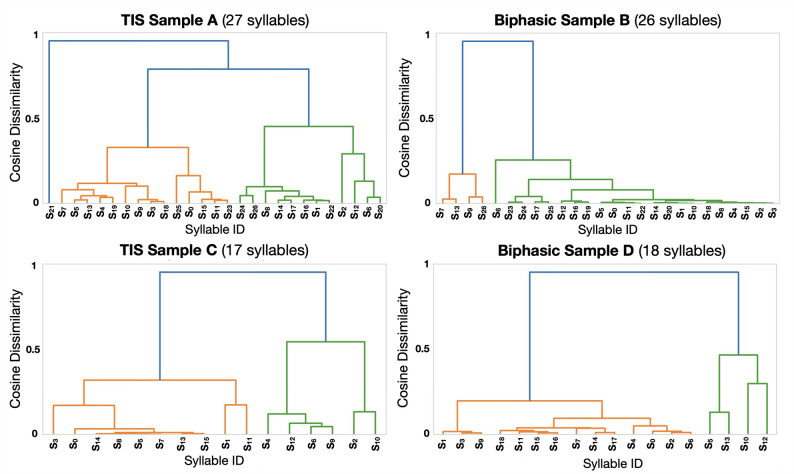 Figure 9
Peer Reviews
No public reviews on file for this paper yet. If you reviewed it on a platform where reviews are public (OpenReview, ICLR, NeurIPS, ICML), you can paste yours below so the community can read it here.
Videos
No videos yet. Explain this paper in a talk, walkthrough, or lecture? Add one.
Taxonomy
TopicsMuscle activation and electromyography studies · Neuroscience and Neural Engineering · EEG and Brain-Computer Interfaces