Increased prolactin levels in pregnancy affect colorectal cancer aggressiveness
Maria Lopez-Cavestany, Olivia A. Wright, Alexandria T. Carter, Brittany O’Brian, Cathy Eng, Michael R. King

TL;DR
High prolactin levels during pregnancy make colorectal cancer more aggressive and suggest a possible new treatment using TRAIL-based therapies.
Contribution
First demonstration that pregnancy-level prolactin increases CRC aggressiveness via JAK2/STAT3 and JAG1/NOTCH1 signaling and sensitizes CRC cells to TRAIL-induced apoptosis.
Findings
Pregnancy-level prolactin enhances JAK2/STAT3 and JAG1/NOTCH1 signaling in CRC cells, promoting EMT and cancer stem-like features.
CRC in pregnant patients is diagnosed at more advanced stages with limited treatment options due to fetal safety concerns.
Prolactin exposure makes CRC cells more sensitive to TRAIL-induced apoptosis, suggesting TRAIL-based therapies as a pregnancy-compatible option.
Abstract
Colorectal cancer (CRC) is diagnosed during approximately 1 in 13,000 pregnancies and is associated with worse outcomes, including a higher incidence of metastatic disease at diagnosis and reduced maternal survival compared to non-pregnant patients. In this study, we investigated two key contributors to this phenomenon: (1) the increased cancer aggressiveness driven by elevated prolactin (PRL) levels during pregnancy and (2) the limited treatment options available to pregnant CRC patients. For the first time, we demonstrate that pregnancy-level PRL directly enhances JAK2/STAT3 and JAG1/NOTCH1 signaling in CRC cells, promoting epithelial-mesenchymal transition (EMT) and cancer stem-like protein expression. We developed and fitted a computational model of the JAK2/STAT3 signaling pathway to our in vitro data, identifying specific nodes within the cascade that are most sensitive to PRL…
Genes, proteins, chemicals, diseases, species, mutations and cell lines named across the full text — each resolved to its canonical identifier and authoritative record.
Click any figure to enlarge with its caption.
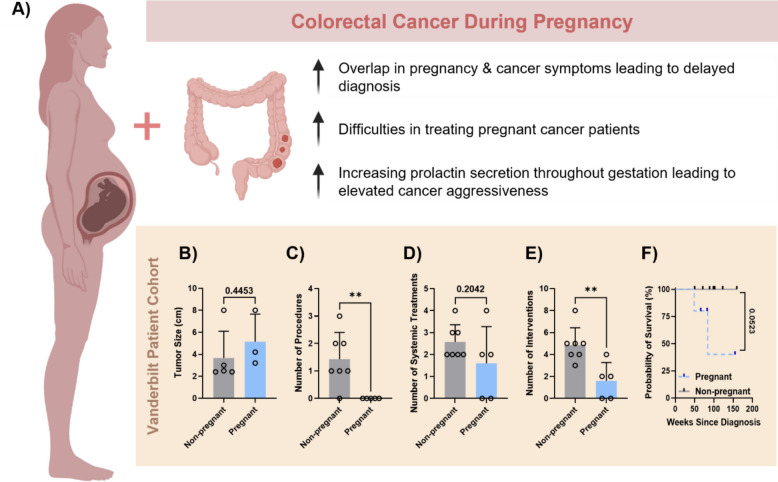 Figure 1
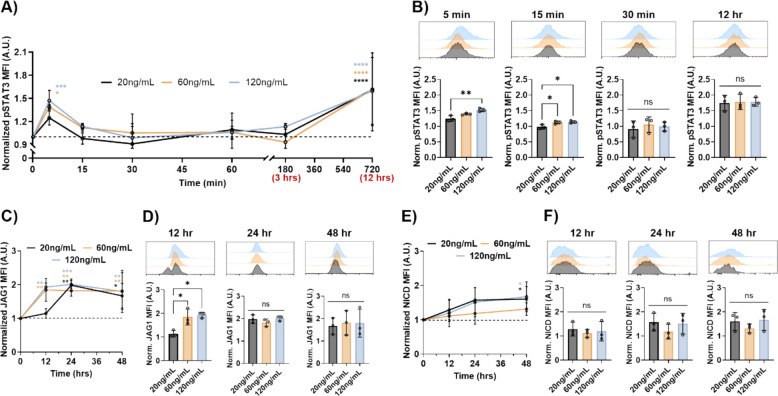 Figure 2
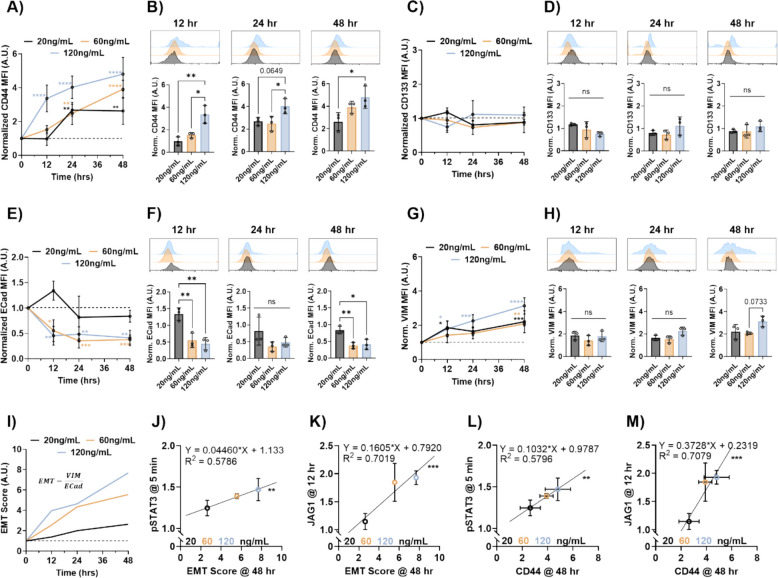 Figure 3
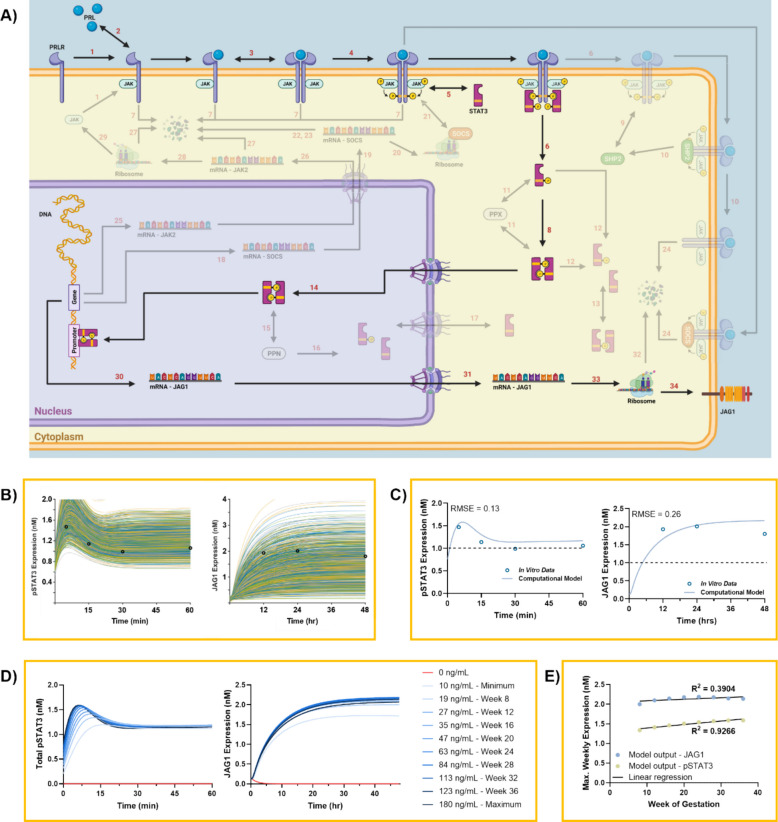 Figure 4
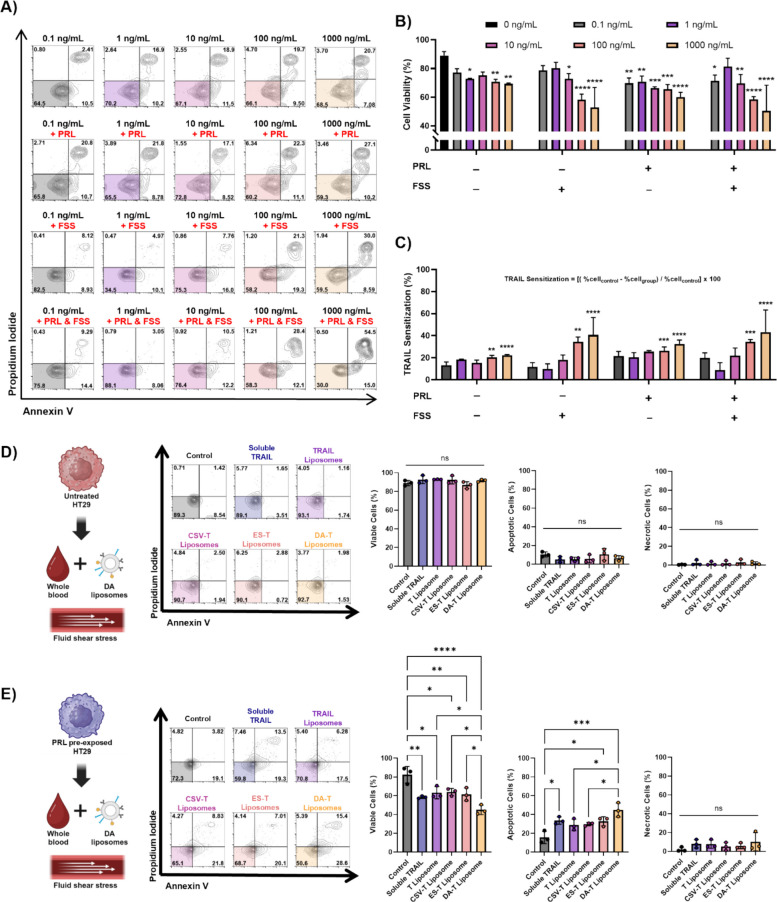 Figure 5
Peer Reviews
No public reviews on file for this paper yet. If you reviewed it on a platform where reviews are public (OpenReview, ICLR, NeurIPS, ICML), you can paste yours below so the community can read it here.
Videos
No videos yet. Explain this paper in a talk, walkthrough, or lecture? Add one.
Taxonomy
TopicsCancer Risks and Factors · Reproductive System and Pregnancy · Pregnancy and preeclampsia studies