Recombinant L-asparaginase from Stenotrophomonas maltophilia: a promising low-immunogenic anticancer agent
Nada A. Abdelrazek, Sarra E. Saleh, Amal E. Ali, Mohammad M. Aboulwafa, Marwa M. Raafat

TL;DR
A new low-immunogenic L-asparaginase enzyme from Stenotrophomonas maltophilia is developed for better cancer treatment with fewer side effects.
Contribution
A novel recombinant L-asparaginase with reduced immunogenicity is cloned and optimized for expression in E. coli.
Findings
Recombinant L-asparaginase showed low IC50 values on HEP-G2 and K-562 cell lines.
The enzyme exhibited significantly lower immunological response in mice compared to existing E. coli L-asparaginase.
Optimized expression conditions yielded a 17 kDa protein with favorable kinetic parameters.
Abstract
L-asparaginase is a crucial enzyme used in chemotherapy regimens for the treatment of acute lymphoblastic leukemia (ALL), its incorporation in the pediatric treatment protocols helped in achieving a high cure rate. However, immunogenic side-effects restrict its application and frequently result in stopping treatment. There is a current need for the identification of novel L-asparaginase with improved properties and lower adverse effects compared to those available in the market. L-asparaginase gene from Stenotrophomonas maltophilia (S. maltophilia), an isolated organism that was mentioned as a novel and excellent source for L- asparaginase, was cloned and expressed using E. coli DH5α and E. coli BL21(DE3). Investigations of different conditions of expression of recombinant L-asparaginase in E. coli BL21(DE3) using Box–Behnken design predicted maximum expression at 37 °C temperature, 250…
Genes, proteins, chemicals, diseases, species, mutations and cell lines named across the full text — each resolved to its canonical identifier and authoritative record.
Click any figure to enlarge with its caption.
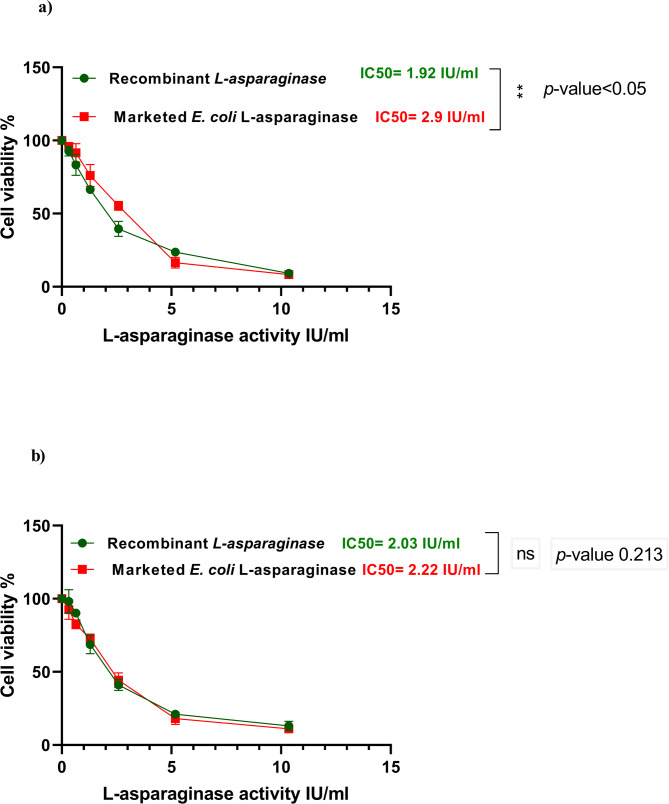 Figure 10
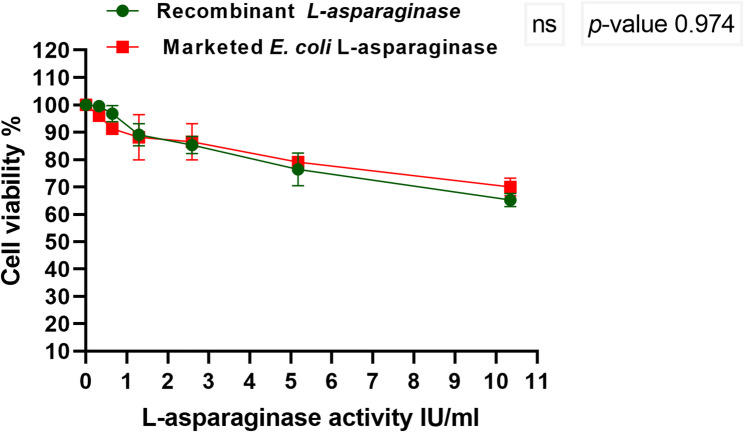 Figure 11
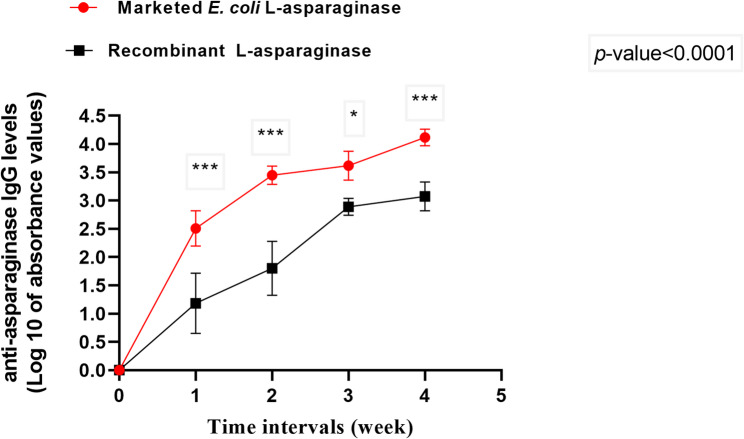 Figure 12
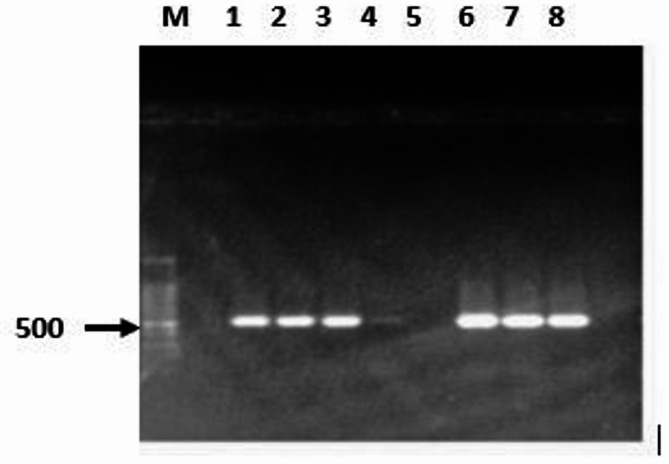 Figure 1
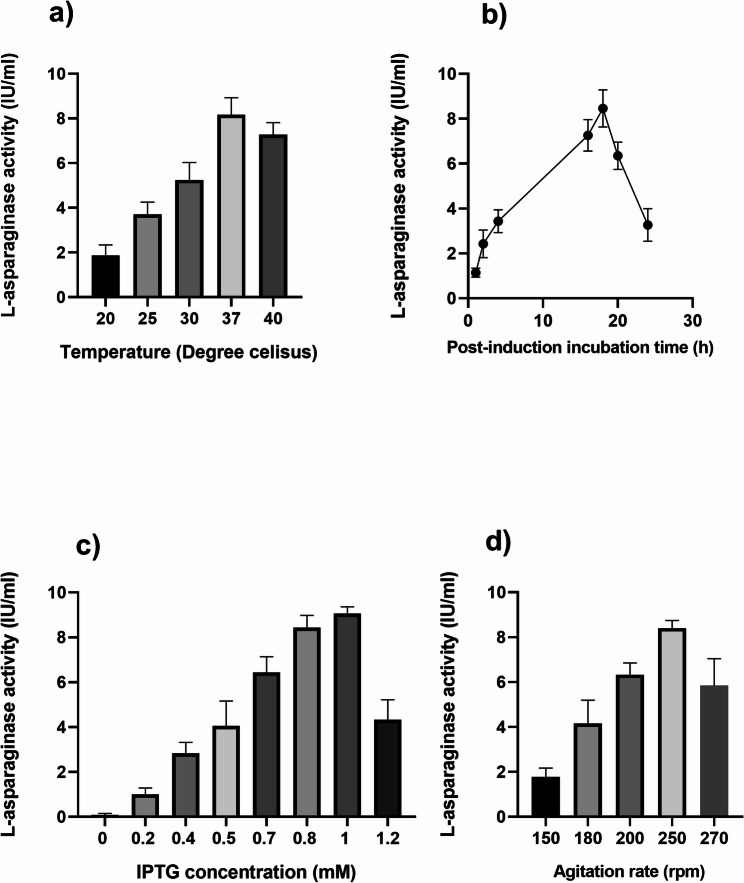 Figure 2
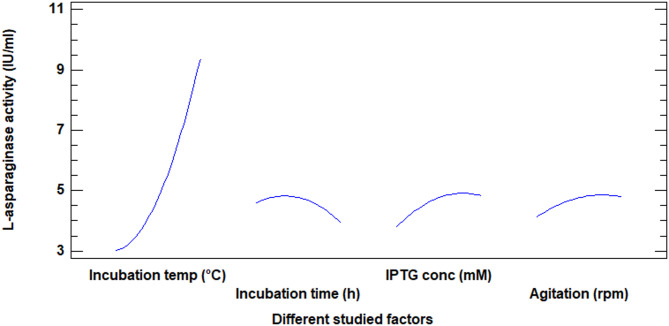 Figure 3
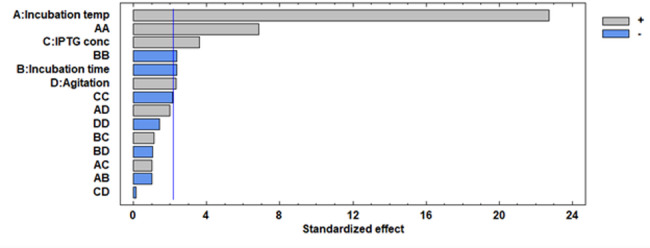 Figure 4
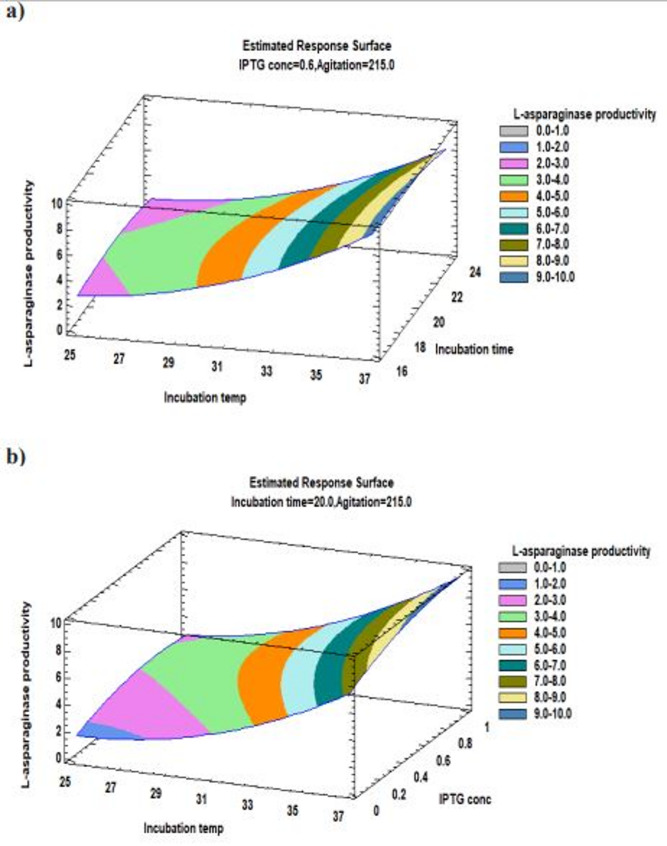 Figure 5
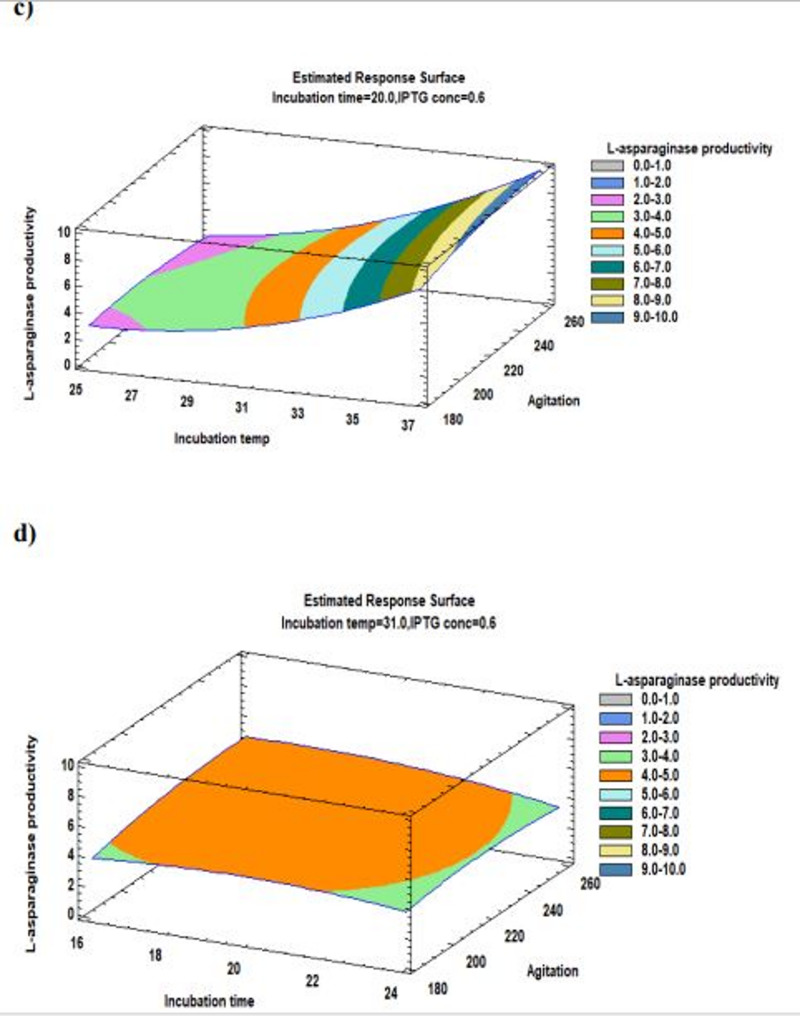 Figure 6
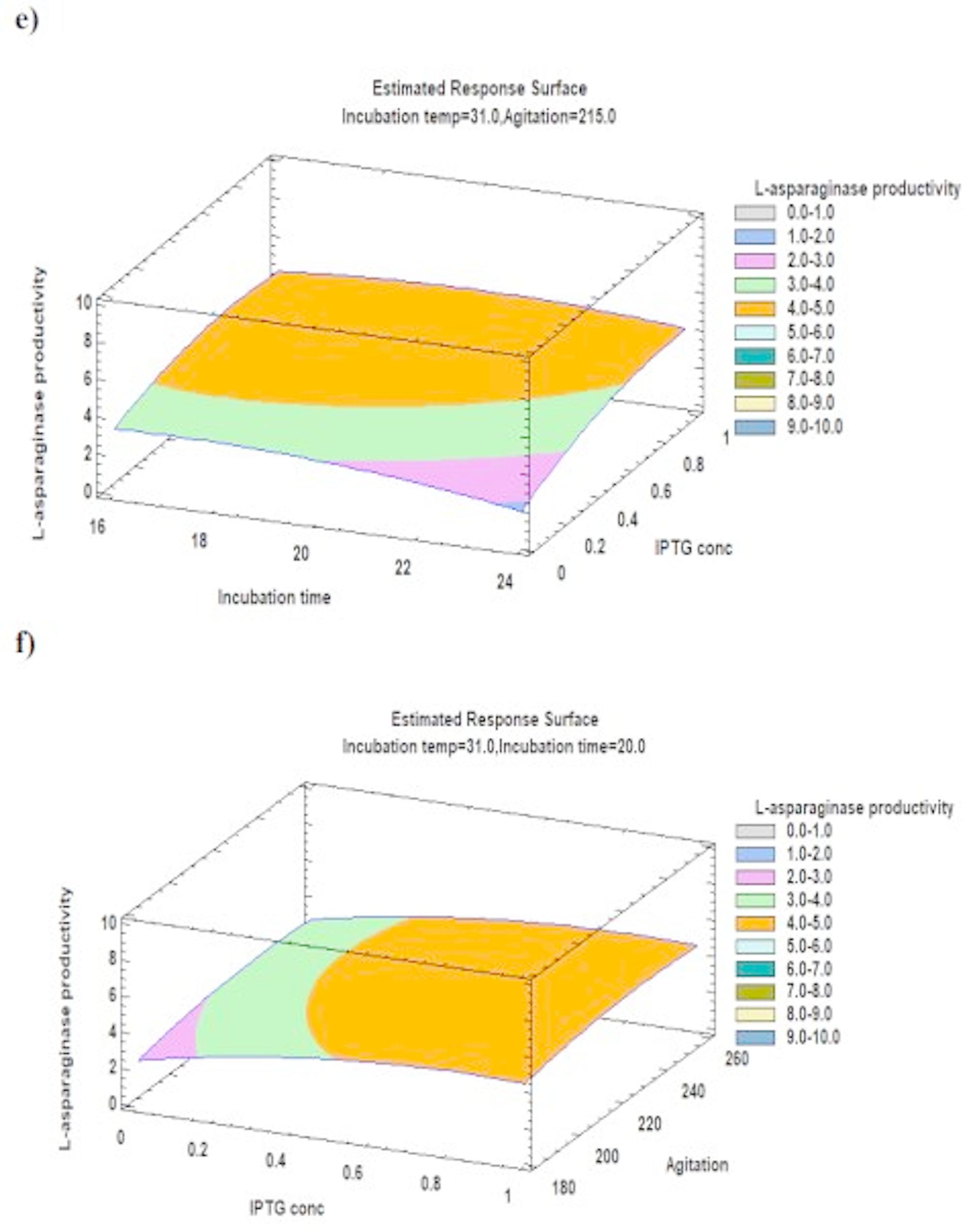 Figure 7
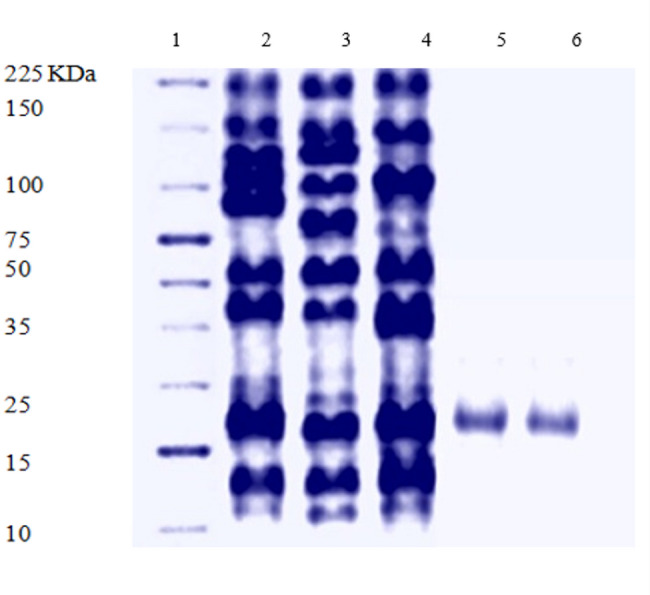 Figure 8
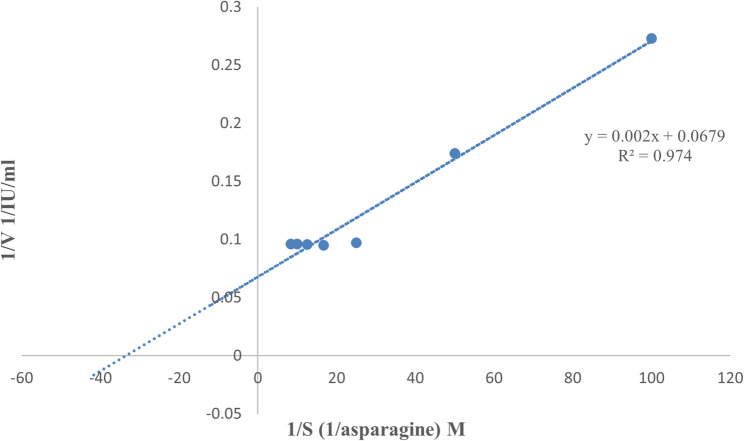 Figure 9
Peer Reviews
No public reviews on file for this paper yet. If you reviewed it on a platform where reviews are public (OpenReview, ICLR, NeurIPS, ICML), you can paste yours below so the community can read it here.
Videos
No videos yet. Explain this paper in a talk, walkthrough, or lecture? Add one.
Taxonomy
TopicsAcute Lymphoblastic Leukemia research · Infections and bacterial resistance · Cancer Research and Treatments