Bio-derived carbon adsorbents from Terminalia arjuna bark for efficient bisphenol A removal: mechanistic insights toward sustainable water treatment
A. S. Pathiraja, K. D. A. Dulanjana, G. Rajapaksa, P. W. Samarasekere

TL;DR
This study explores using carbon adsorbents derived from Terminalia arjuna bark to efficiently remove bisphenol A from water, offering a sustainable solution for water treatment.
Contribution
The study introduces a novel bio-derived carbon adsorbent from Terminalia arjuna bark with mechanistic insights into its efficient bisphenol A removal.
Findings
Activated carbon from Terminalia arjuna bark achieves >95% bisphenol A removal in 30 minutes.
Adsorption is driven by chemisorption with strong affinity and site-limited interactions.
Abstract
The development of sustainable sorbent materials capable of removing endocrine-disrupting contaminants from water is a pressing environmental challenge. In this study, bark powder of Terminalia arjuna (TABP), a traditional natural water purifying material, and its activated carbons (TAAC) were evaluated as bio-based adsorbents for the removal of bisphenol A (BPA), a pseudo-persistent and hazardous endocrine-disrupting chemical with significant risk to human health. Comprehensive characterization (FTIR, TGA, SEM-EDS, BET) revealed structural and chemical transformations during activation, including enhanced aromaticity and reduced oxygenated groups. Batch adsorption studies showed that bark material exhibited higher capacity (36.10 mg g−1), while activated charcoal derived at 500 °C achieved faster uptake (>95% removal in 30 min) with strong affinity (RL = 0.018). Isotherm analysis…
Genes, proteins, chemicals, diseases, species, mutations and cell lines named across the full text — each resolved to its canonical identifier and authoritative record.
Click any figure to enlarge with its caption.
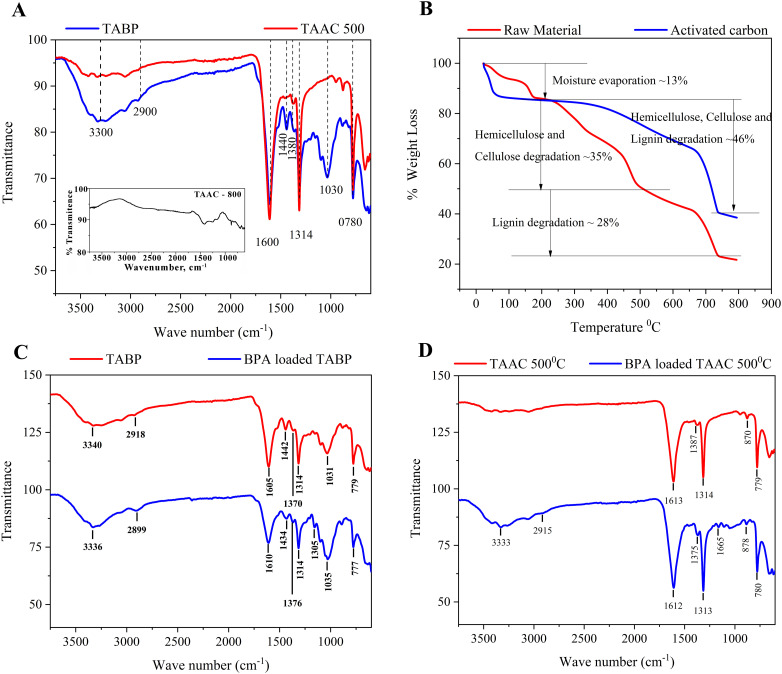 Figure 1
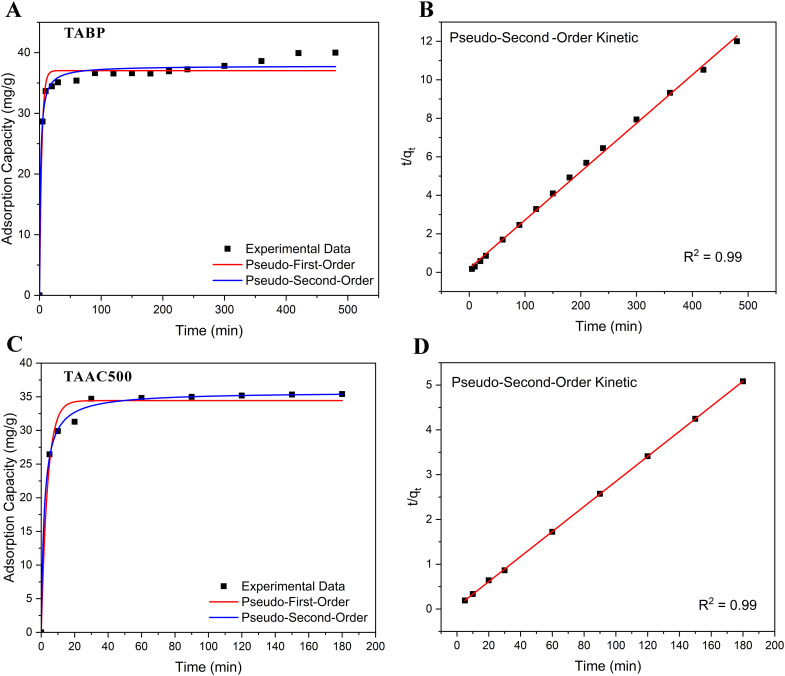 Figure 2
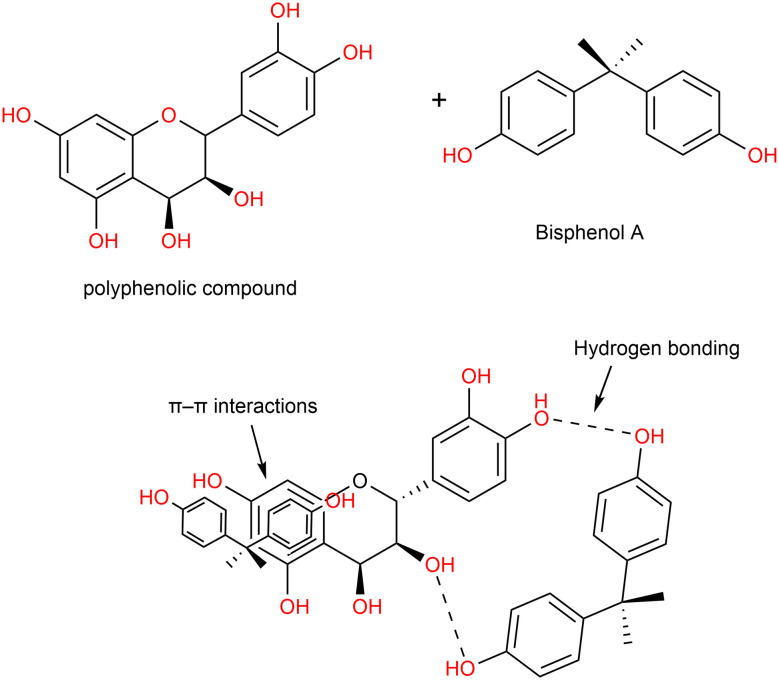 Figure 3
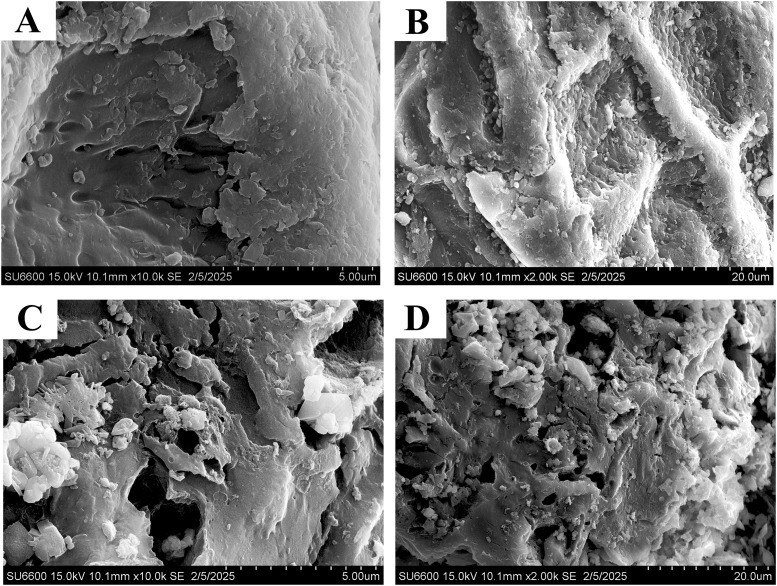 Figure 4
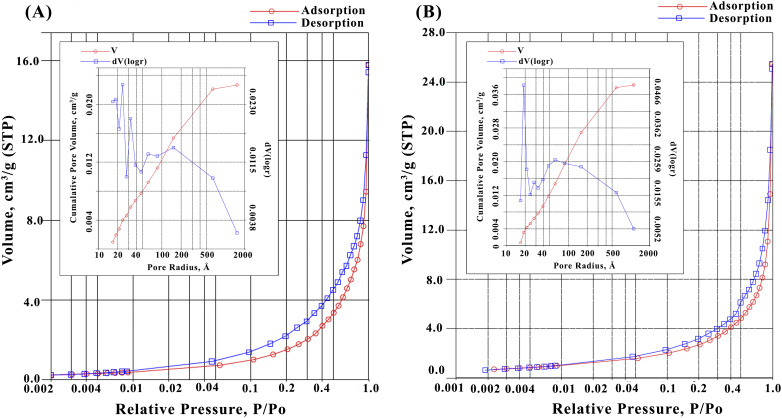 Figure 5
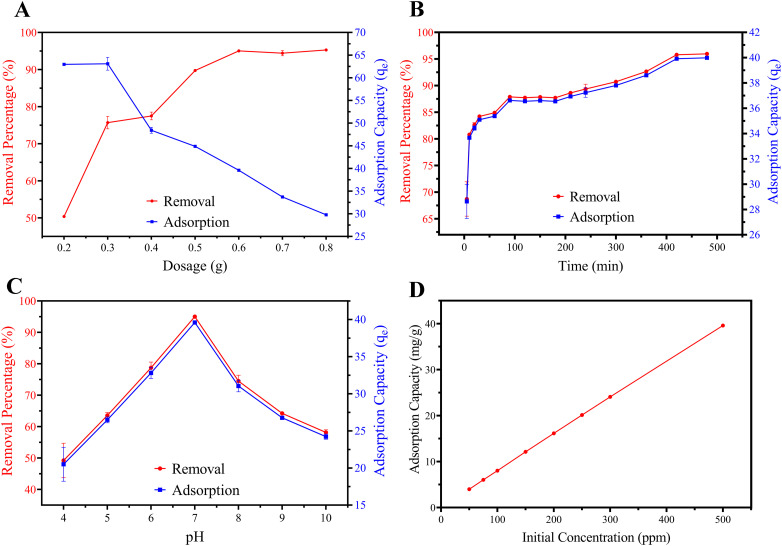 Figure 6
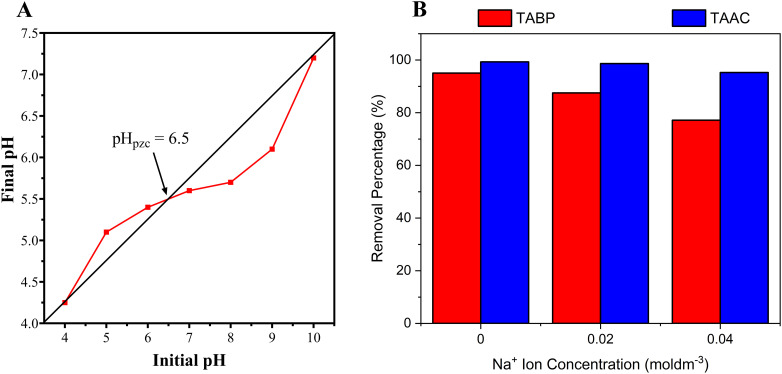 Figure 7
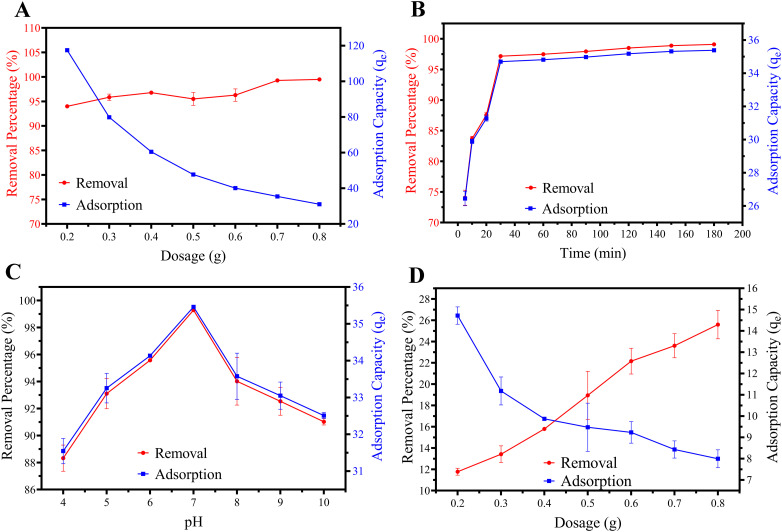 Figure 8
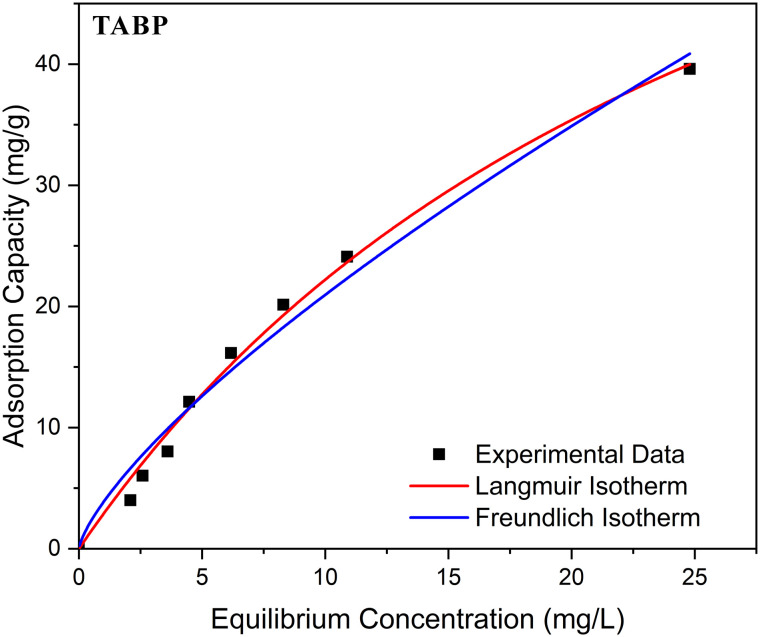 Figure 9
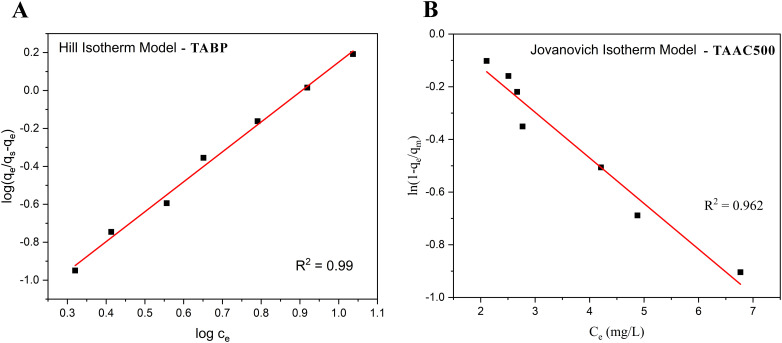 Figure 10
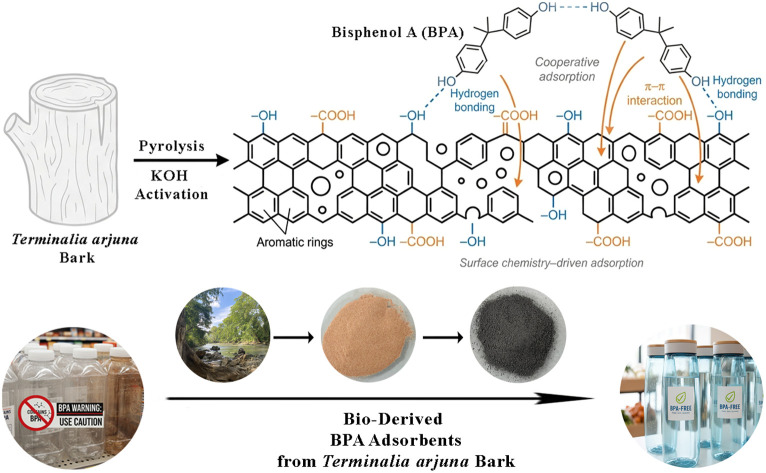 Figure 11
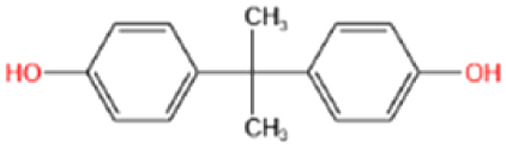 Figure 12
Peer Reviews
No public reviews on file for this paper yet. If you reviewed it on a platform where reviews are public (OpenReview, ICLR, NeurIPS, ICML), you can paste yours below so the community can read it here.
Videos
No videos yet. Explain this paper in a talk, walkthrough, or lecture? Add one.
Taxonomy
TopicsAdsorption and biosorption for pollutant removal · Effects and risks of endocrine disrupting chemicals · Fluoride Effects and Removal