Cell-free RNA profiling uncovers non-canonical circulating D2 transcript elevation in Bladder Cancer plasma
Annarita Nappi, Felice Crocetto, Paolo Conforti, Serena Sagliocchi, Annunziata Gaetana Cicatiello, Federica Restolfer, Lucia Acampora, Silvia Del Mastro, Rosa Sirica, Lorenzo Spirito, Francesco Del Giudice, Roberto La Rocca, Daniela Terracciano, Monica Dentice, Caterina Miro

TL;DR
Researchers found that a specific RNA molecule, D2, is elevated in the blood of bladder cancer patients, suggesting it could be a useful non-invasive biomarker.
Contribution
This study identifies elevated non-canonical D2 transcripts in bladder cancer plasma as a novel, independent biomarker candidate.
Findings
D2 transcripts were significantly higher in bladder cancer patients compared to healthy controls.
D2 expression varied independently from classical urothelial markers like GATA3 and UPK3A.
Circulating D2 captures tumor-associated transcriptional changes not captured by established markers.
Abstract
D2 overexpression has emerged as a recurrent molecular feature across multiple cutaneous malignancies, where it contributes to aberrant Thyroid Hormone (TH) activation and tumor-associated metabolic reprogramming. Liquid biopsy approaches based on circulating cell-free RNA (cfRNA) is emerging as non-invasive strategy to profile gene expression alterations and support dynamic monitoring of transcriptional changes during disease progression. We analyzed 54 plasma samples from patients with BLadder CAncer (BLCA) alongside an equivalent cohort of healthy control individuals. Circulating D2 transcripts were quantified after RNA isolation using a modified phenol-chloroform extraction protocol adapted for low-input plasma samples to maximize retrieval of circulating RNA. D2 transcripts were readily detectable in plasma and showed significantly higher levels in BLCA patients compared with…
Genes, proteins, chemicals, diseases, species, mutations and cell lines named across the full text — each resolved to its canonical identifier and authoritative record.
Click any figure to enlarge with its caption.
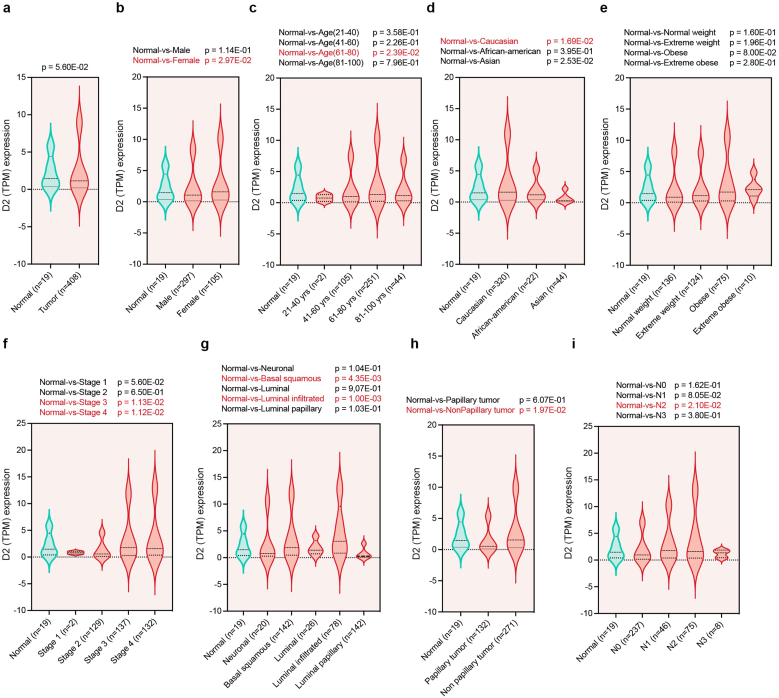 Figure 1
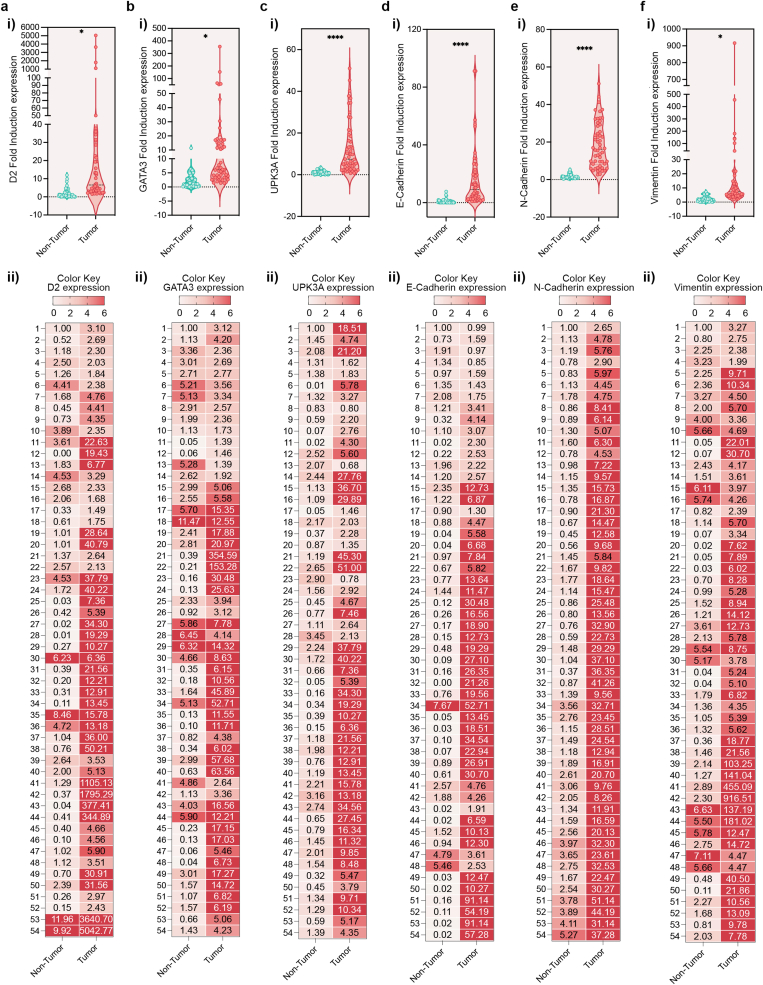 Figure 2
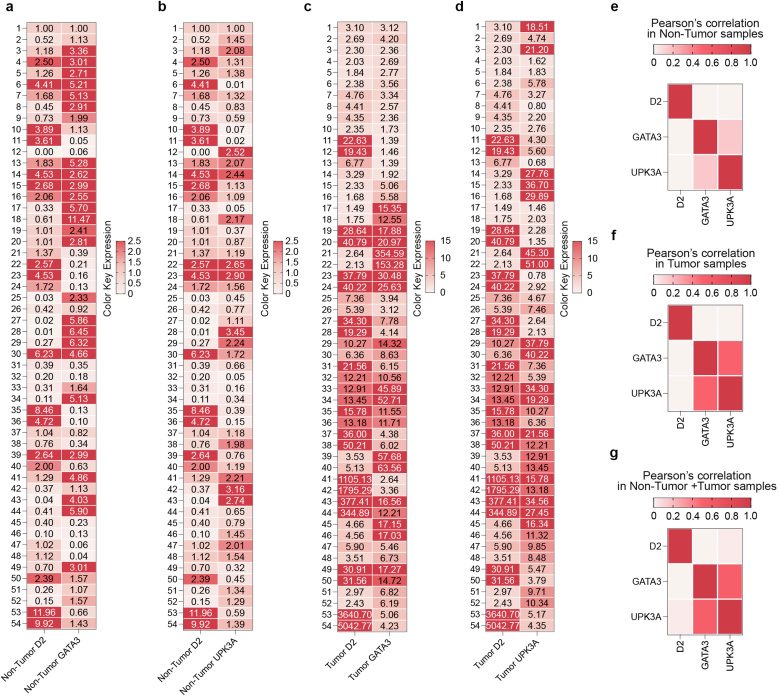 Figure 3
Peer Reviews
No public reviews on file for this paper yet. If you reviewed it on a platform where reviews are public (OpenReview, ICLR, NeurIPS, ICML), you can paste yours below so the community can read it here.
Videos
No videos yet. Explain this paper in a talk, walkthrough, or lecture? Add one.
Taxonomy
TopicsBladder and Urothelial Cancer Treatments · Single-cell and spatial transcriptomics · Prostate Cancer Treatment and Research